Crosby Family Dental

Categories
Dental care

Do Root Canals Hurt? Pain Levels, Myths, and Facts

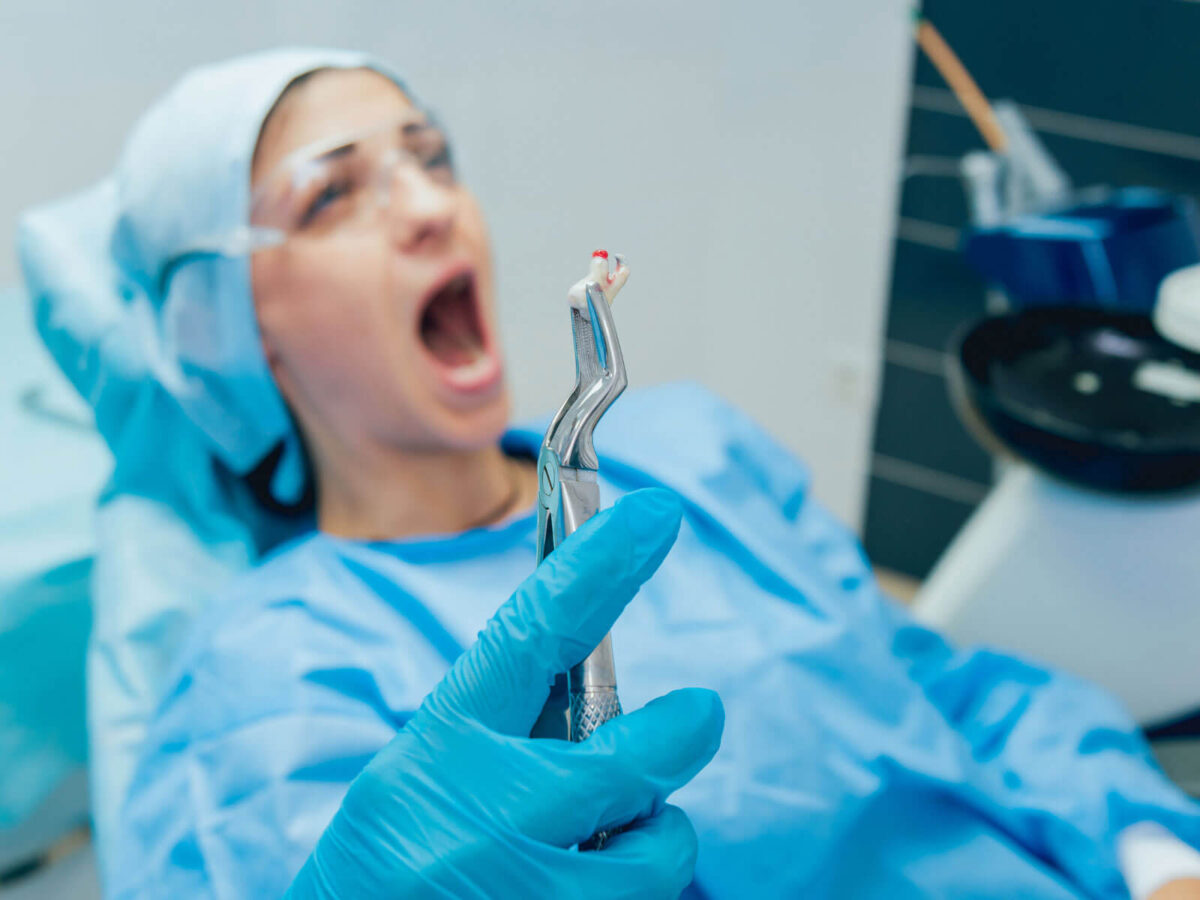
Few dental treatments have developed a reputation quite like the root canal. The phrase alone can make people uneasy. Some patients hear it and immediately assume pain is inevitable.

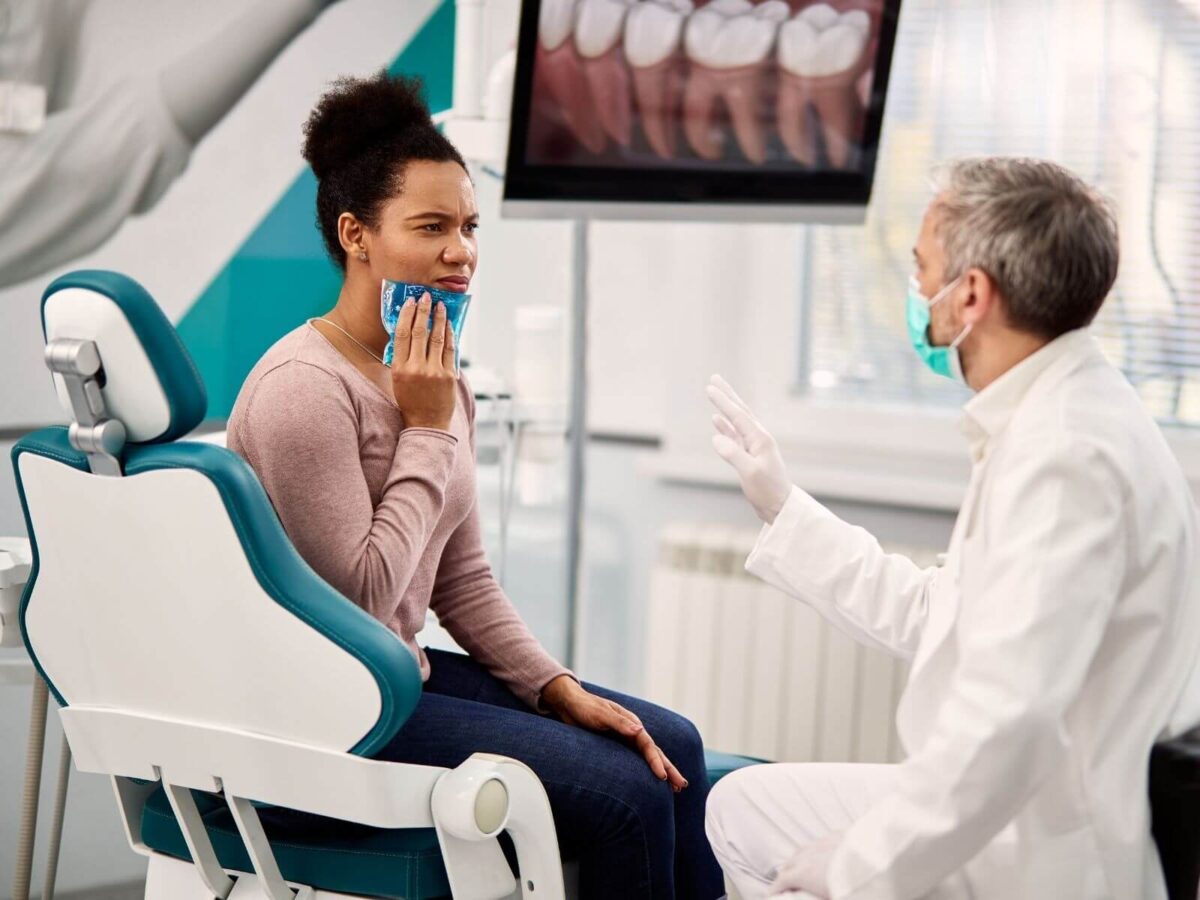
Dentists notice this reaction all the time. Someone sits down for an exam, hears the words “root canal,” and the first question arrives almost instantly. Do root canals hurt?
The answer usually surprises people. Modern root canal treatment is designed to remove pain, not create it. In many cases, the infection inside the tooth hurts more than the treatment.

When the difference becomes clear, the procedure usually feels easier to accept. Many patients realize it is not as painful as they first expected. The American Association of Endodontists has shared similar observations. Many patients say a root canal feels like getting a routine dental filling.

Why People Often Expect Root Canals to Be Worse

A lot of the fear around root canals does not come from the procedure itself. It usually comes from stories. Someone remembers a rough dental appointment from twenty or thirty years ago. They tell that story again later. Then someone else repeats it. Over time, the story sticks, and the procedure gets a reputation that never quite goes away.

The reality today looks very different. Dentistry has moved ahead quite a lot. The tools are different now. Dentists work with instruments that allow careful, precise treatment. Digital imaging shows clearer details inside the tooth. Even the anesthesia works more effectively than it did years ago.

That is why dentists pay close attention to comfort. The area around the tooth gets numbed first. After that, they wait until the anesthetic settles. Once it does, most patients notice pressure or movement, not sharp pain.

That is why dentists sometimes give a quiet smile when patients ask do root canals hurt. The question is common. The answer usually surprises people.

Why Tooth Infections Cause Pain Before the Procedure

People who require a root canal often walk into the dental office with pain already present. The ache usually began earlier. It rarely comes from the treatment itself.

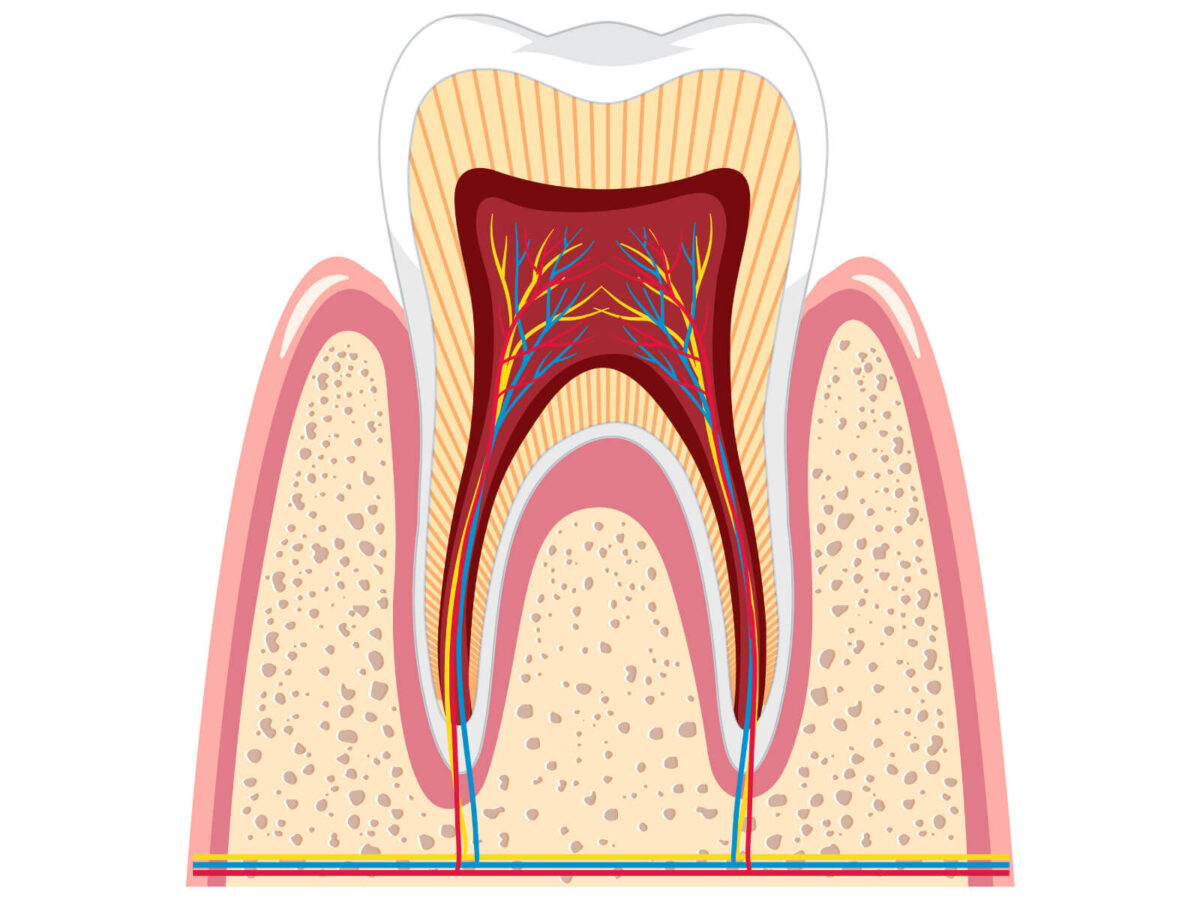
Each tooth contains a small inner chamber. Inside that space is soft tissue known as pulp. The pulp holds nerves and blood vessels that support tooth development early in life.

When bacteria enter this area, the tissue becomes inflamed. Pressure begins building because enamel and dentin around it are hard structures.

The result is the sharp, throbbing toothache many patients experience. When someone asks, “Is RCT painful?”, dentists often explain that the infection is usually the real source of the pain. Removing the infected pulp stops that pressure from building.

What Patients Usually Feel During a Root Canal

A root canal usually starts with local anesthesia. First, the tooth is numbed. The nearby gums as well. Then the dentist pauses for some time as numbness settles.
Once numbness sets in, the dentist carefully makes a small opening in the tooth. That small access point leads to the pulp inside the root canals.

Very fine instruments are then used to remove the infected tissue. The canals are cleaned slowly and shaped along the way. After that, they are disinfected and sealed with a filling material designed for this purpose.

Most patients notice pressure while this is happening. Sometimes they hear the sound of dental tools moving. Actual pain is not what people usually report.

So when someone asks, “How painful is a root canal?”, dentists often explain that the feeling is closer to getting a regular filling.

Why Mild Soreness May Appear Afterwards

Even when the procedure itself feels comfortable, a little soreness can show up afterwards. This does not come as a surprise to dentists. The tissues around the tooth were often irritated before treatment even began because of infection. A simple comparison is a mild muscle strain. The issue gets treated, yet the body still takes time to recover.

For a few days, chewing may feel different. The area might seem a little tender. Usually, the discomfort improves without any treatment. Many patients handle it easily with common pain relief medication.
Root canal treatment removes infected tissue inside the tooth.

According to the National Institute of Dental and Craniofacial Research, this helps surrounding structures recover naturally. After a little time passes, the tooth often begins to feel normal again.

Why Modern Root Canal Treatment Is Much Easier

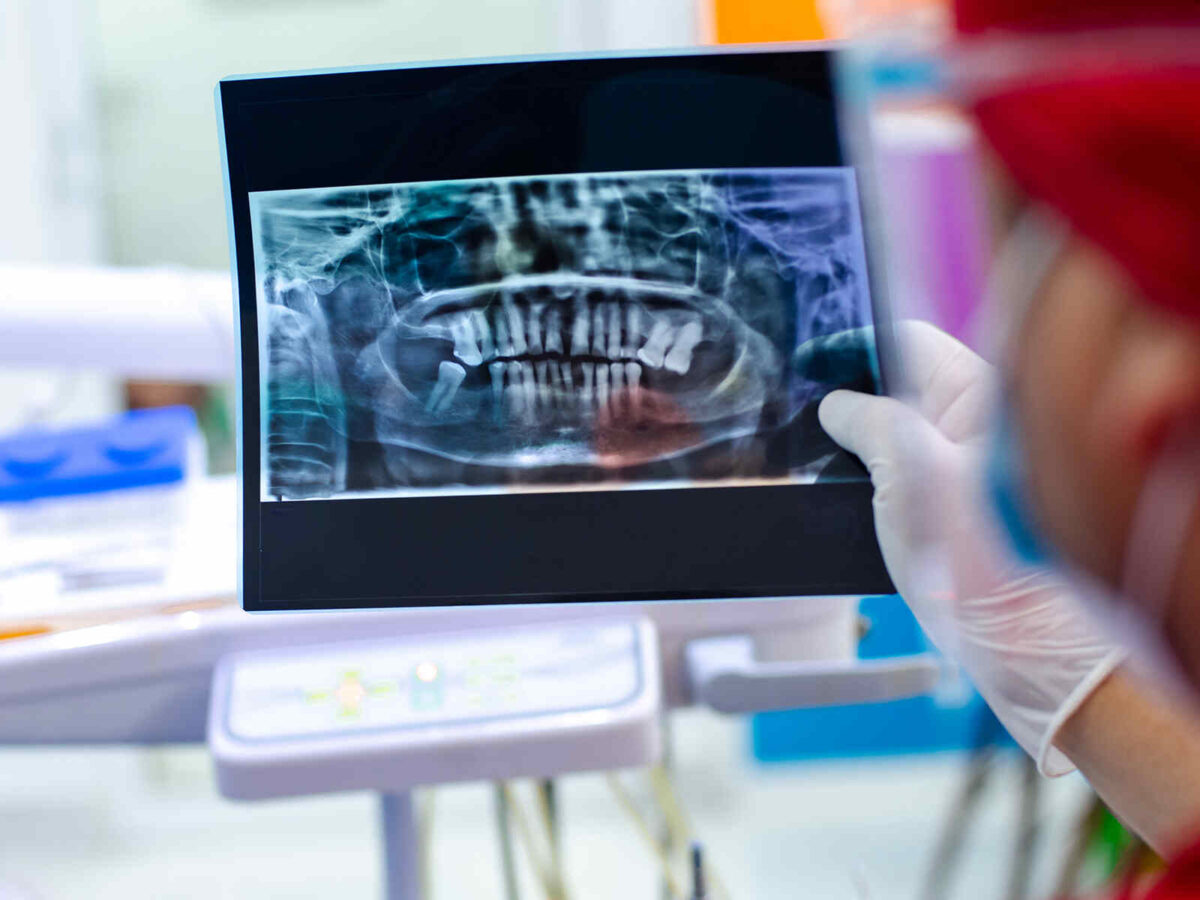
Dental care has changed quite a bit over the years. Many tools used in clinics today were unavailable decades ago. Digital X-rays are one example. They help dentists see the inside of the tooth.

The images give dentists a clearer idea of where treatment is required. They can see the shape of the canals before beginning the procedure. Specialized instruments are designed to move through those tight spaces while removing infected tissue.

Anesthesia has improved as well. Dentists can numb the area much more effectively than in the past. Because of these advances, the experience today is usually far easier than many people expect when they ask how painful a root canal is.

Why Root Canal Myths Continue to Spread

Even with the improvements in modern dentistry, several myths about root canals still circulate. The belief that the treatment is extremely painful is still common. Much of it comes from stories that have been repeated for years. Dentistry today has changed a lot.

These beliefs usually start with outdated information or secondhand experiences. Someone hears about a difficult dental visit years ago and assumes every root canal must feel the same. Many dentists spend time walking patients through the procedure first. Once the process becomes clearer, patients often begin to feel less anxious.

The American Dental Association states that root canal therapy is a safe and effective treatment used to save infected teeth. When people learn this, the question do root canals hurt usually feels much less frightening than it did at first.

Why Many Patients Feel Relief After Treatment

Patients who need a root canal rarely arrive feeling comfortable. Usually, the tooth is already hurting. Infection builds pressure inside the tooth. That pressure causes the throbbing pain many people feel.

Once the infected pulp is removed, that pressure disappears. The intense pain often fades fairly quickly. Some tenderness may remain while the tissues settle, but it is usually very different from the original infection pain.

Dentists often explain that the procedure removes the cause of the problem. It does not simply cover symptoms. That is why the question “how painful is a root canal” sometimes changes after treatment, because many patients feel relief instead.

FAQs

Do root canals hurt during the procedure?

No. The tooth is numbed first.

How painful is a root canal?

Some patients say it feels about the same as a filling.

Is RCT painful after the treatment?

Some soreness may appear briefly.

Conclusion

Root canal treatment has a reputation that often sounds much worse than reality. The procedure itself is designed to eliminate infection and relieve pain rather than create it.
Understanding “do root canals hurt” helps separate myth from fact. Modern dental techniques allow dentists to treat infected teeth while keeping patients comfortable.

For people asking “how painful is a root canal” or wondering “is RCT painful?” the experience is often far easier than expected.
Addressing the infection early protects the tooth and prevents more serious dental problems later.

Categories
Dental care

Why Are Wisdom Teeth Called “Wisdom” Teeth?

Why the Name Sounds More Meaningful Than Medical
Most dental terms sound technical. Molars, enamel, incisors—they describe position or function. Wisdom teeth feel different. The name sounds almost philosophical.

That often leads people to wonder, “Why are they called wisdom teeth?” in the first place. The teeth themselves don’t make anyone wiser, yet the name has remained for centuries.

Many people first think about this in their late teens, usually when these teeth begin creating pressure or a strange kind of ache. Someone mentions wisdom teeth removal, and the question suddenly comes up. Why are they even called wisdom teeth? The answer has less to do with dentistry and more with timing and how adulthood used to be understood.

Why These Teeth Appear Later Than Others

Most permanent teeth arrive during childhood. By early adolescence, nearly all adult teeth are already in place. Wisdom teeth follow a different sequence. They usually appear between the late teens and early twenties, long after the rest of the mouth has developed.

Historically, this age was associated with maturity. People believed individuals gained judgment and life experience during this stage of life. Because these molars erupted when a person was considered older and wiser, the connection formed naturally. That timing explains much of “why is it called the wisdom tooth” rather than simply a third molar. The name reflected age rather than anatomy.

How Ancient Cultures Viewed Late-Growing Teeth

Long before modern dentistry existed, people noticed that these final molars appeared during early adulthood. Ancient Greek and Roman writings referenced them as teeth linked to maturity. The philosopher Hippocrates reportedly described these molars as appearing when understanding developed. Over time, translations reinforced the association between age and wisdom.

Many languages adopted similar meanings. In Latin, they were called dentes sapientiae. Which literally meant “teeth of wisdom.” As the term passed through different cultures, its meaning stayed surprisingly steady. Even with modern science offering clearer explanations, the link still holds today. The name remained simply because it felt important enough to keep.

Why Humans Even Have Wisdom Teeth

Understanding “why are they called wisdom teeth” naturally brings up another question. If they create crowding so often today, why do humans still have it? Food thousands of years ago was not soft or easy to chew. People relied on hard plants and uncooked meat, so stronger chewing was necessary, and larger jaws with additional molars helped handle that daily strain.

As cooking became more common over time, food slowly grew easier to chew. Human jaws began getting smaller across generations, while tooth development continued much the same as before. The teeth stayed, even though the space meant for them slowly disappeared.

Studies referenced by the National Institute of Dental and Craniofacial Research point toward dietary changes influencing the gradual shift seen in human jaw size. That mismatch between jaw size and tooth number explains why wisdom teeth frequently lack sufficient space today.

Why Wisdom Teeth Often Cause Problems Now

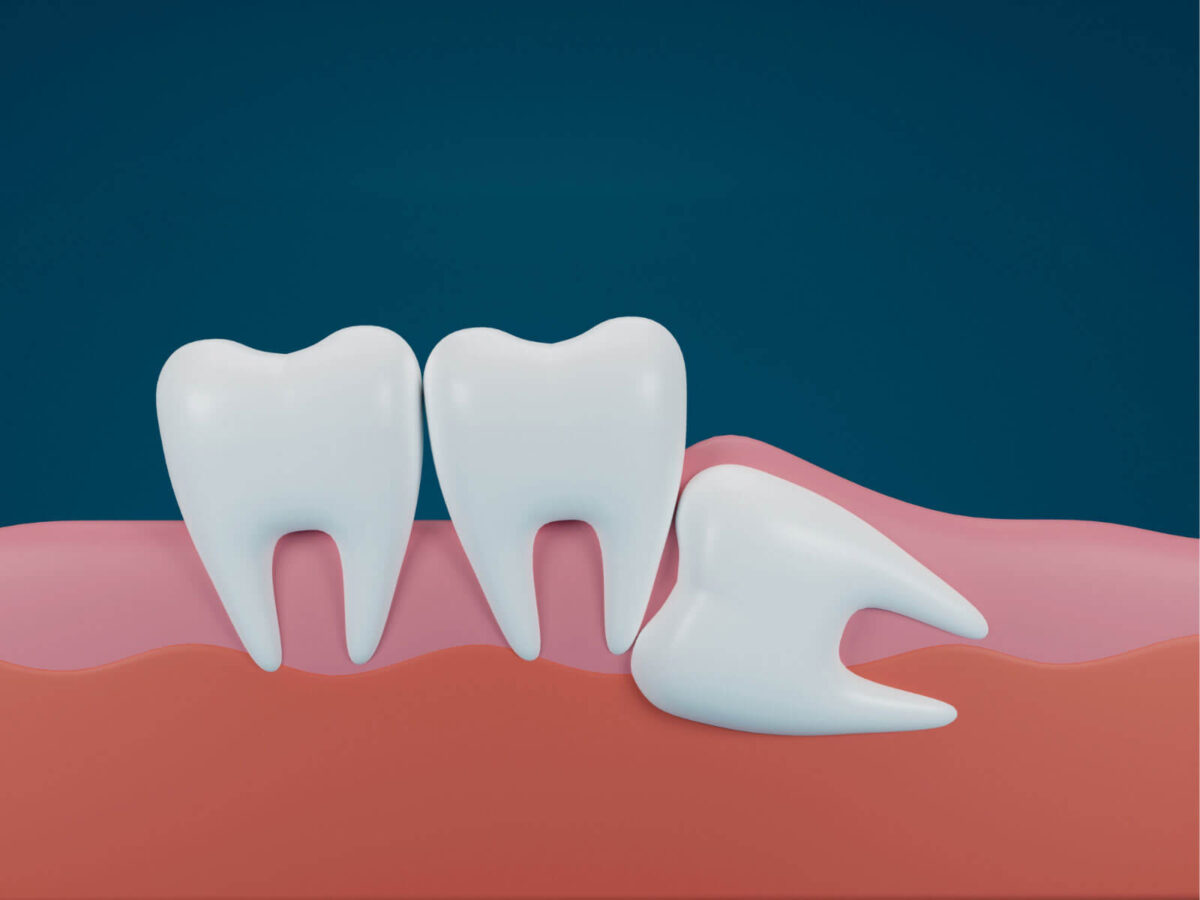
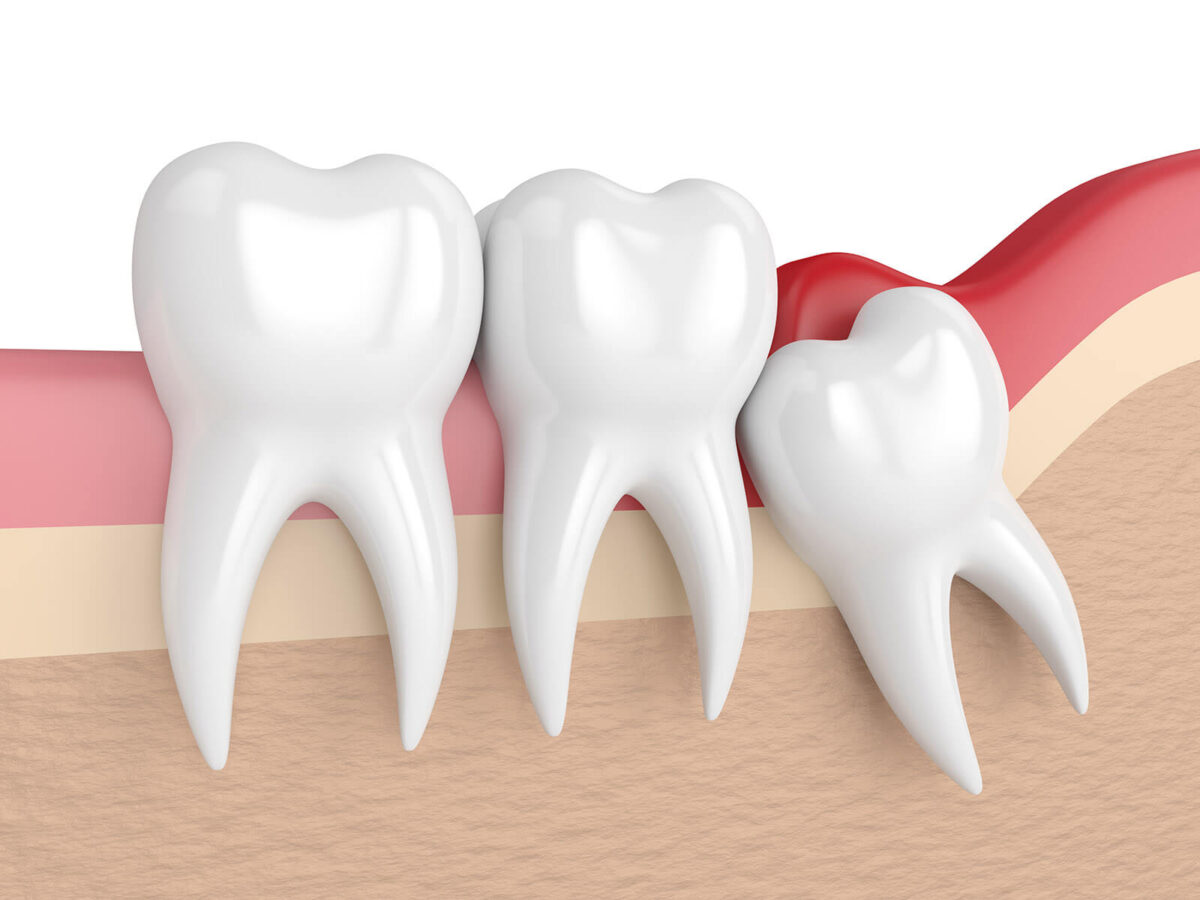
In earlier populations, wisdom teeth commonly erupted without difficulty. In modern mouths, space is often limited. This can cause these teeth to emerge sideways, remain beneath the gum line, or break through only partway. Ironically, teeth once associated with maturity now often require removal.

This shift doesn’t change “why is it called the wisdom tooth”, but it does explain why the experience surrounding it feels less symbolic and more clinical today. The name stayed even as circumstances changed.

Why Not Everyone Develops Wisdom Teeth

Another interesting detail is that some people never develop wisdom teeth at all. Genetic variation means certain populations experience missing third molars more frequently. Evolution may still be gradually reducing its presence. For those who never develop them, the historical meaning remains more cultural than physical.

The absence of these teeth doesn’t suggest anything about maturity or intelligence. It simply reflects natural variation. The name, somehow, continues to spark curiosity.

How the Idea of Wisdom Became Symbolic

People did not always understand wisdom teeth strictly through biology. Many cultures connected their appearance with maturity, independence, and the gradual shift into adulthood. That history continues to shape the curiosity people feel about any deeper or spiritual meaning of wisdom teeth.

Dentistry explains wisdom teeth in medical terms, though cultural beliefs continue alongside that view. Some people view their eruption as a sign of maturity rather than thinking of it only as a dental change.

What People Mean by the Spiritual Meaning

The spiritual meaning of wisdom teeth is often discussed in symbolic rather than scientific terms. Some believe their emergence represents entering a stage of self-awareness or responsibility. Others associate removal with letting go of past habits or transitions in life.

There is no medical evidence supporting spiritual effects. Symbolism often forms around physical changes. In the same way, losing baby teeth reflects childhood development. Wisdom teeth gradually became connected with adulthood. The meaning exists because people assign significance to timing.

Why the Name Persisted Even in Modern Dentistry

Modern dentistry refers to these teeth as third molars. Yet the traditional name remains far more common. Patients rarely say they are having third molars removed. They say wisdom teeth.

Language tends to preserve familiar ideas, especially when they carry cultural meaning. Even professionals often use the traditional term during conversations because it feels easier to understand.

The continued use reinforces curiosity about “why are they called wisdom teeth”, keeping the historical explanation alive. Sometimes tradition simply proves stronger than technical terminology.

When Wisdom Teeth Actually Need Attention

Removal is not automatically required for wisdom teeth. Some grow in without causing trouble and function normally alongside other molars. Dentists usually take time to evaluate placement, gum health, and available room before recommending anything further.

The American Association of Oral and Maxillofacial Surgeons also refers to monitoring as part of routine care. Dentists often learn more simply by watching how these teeth behave over time.

So the decision rarely depends on the name. In practice, wisdom teeth are assessed much like any other tooth, with attention placed on comfort and function.

Why the Question Still Matters Today

The continued interest in “why is it called the wisdom tooth” often goes beyond dentistry alone. People often become curious about terms that feel meaningful instead of strictly medical. Wisdom teeth remain one of the few medical names connected to life stages instead of physical structure.

The question brings together history, culture, and biology in a straightforward way. Even patients preparing for removal sometimes ask about the name before discussing recovery. This curiosity highlights how language plays a role in how health experiences are interpreted.

FAQs

Why the term wisdom teeth?

The name relates to the age they appear, not their function.

Do wisdom teeth make people wiser?

No. The term reflects historical ideas about maturity.

What is the spiritual meaning of wisdom teeth?

Some cultures associate them with adulthood or personal transition.

Are wisdom teeth necessary today?

Not always. Many people function normally without them.

Conclusion

The meaning behind “why are they called wisdom teeth” is rooted more in history than dentistry. These final molars received their name because they tend to appear during early adulthood, a phase once linked with gaining wisdom and independence. While modern living has changed how these teeth function, the traditional name has remained.

Seen medically or symbolically, wisdom teeth reflect the connection between biology and human language. Learning “why it is called the wisdom tooth” adds a bit of context to something many people go through. If your wisdom teeth are bothering you or raising questions, a dentist can help you understand what to expect next.

Categories
Dental care

Does Everyone Have Wisdom Teeth?

Wisdom teeth almost feel like something everyone signs up for automatically. By your late teens, at least one friend has already had them removed. You’ve seen the photos with swollen cheeks. You hear about the soft food phase and the swollen faces. After hearing it enough times, it starts to sound like a sure thing.

With how common it sounds, few people think to ask, does everyone have wisdom teeth? It seems like they do. Most people assume they’re simply there, waiting to come in eventually. That assumption doesn’t hold true across the board. The short answer is no. The longer explanation comes down to how differently people develop.

What Wisdom Teeth Actually Are And Why We Have Them

Wisdom teeth are simply the third molars. They sit at the very back of the mouth and are the last permanent teeth to develop.

Historically, they were useful. Long ago, people had stronger jaws because their food demanded it.

As food preparation changed and diets softened, jaw sizes gradually shifted. Anthropologists have written about this transition for decades. With slightly smaller jaws came less room for extra molars.

That evolutionary shift is one reason why the question “Does everyone get wisdom teeth?” doesn’t have a universal yes attached to it. Biology adapts slowly. But it does adapt.

Does Everyone Have Wisdom Teeth?

No, and this isn’t just based on random stories. There’s actual research behind it. A review published in the Journal of Clinical and Diagnostic Research looked at third molar agenesis, which is simply the term for being born without one or more wisdom teeth. The numbers were wider than most people expect. Depending on the population studied, somewhere between 5% and 37% of people were missing at least one third molar.

That’s not a tiny number. It means that when someone asks does everyone have wisdom teeth, the scientific answer is clearly no. Some people grow all four. Some grow one or two. Some never develop any at all. And most people don’t even realize it unless an X-ray reveals it.

Why It Seems Like Everyone Has Them

So if not everyone gets them, why does it feel so common? Part of it is social exposure. You’re far more likely to hear about someone’s surgery than someone casually mentioning they never developed third molars at all. There’s nothing dramatic about not having them.

No ice packs. No soft food stories. No dramatic post-op selfies.

So culturally, it begins to sound like everyone goes through it. The question “Does everyone have wisdom teeth?” starts to feel almost rhetorical because removal is so visible. But visibility isn’t the same as universality. In fact, some people only discover in adulthood that they were born without them. No symptoms or warning. Just absence, and usually, a bit of surprise.

Why Some People Never Develop Wisdom Teeth

When people hear that some individuals are born without third molars, the next question naturally becomes why do some people not have wisdom teeth?

The explanation is largely genetic. Tooth development begins very early in life. If the gene expression responsible for forming a third molar isn’t activated, that tooth simply never develops under the gums.

There’s also evolutionary evidence supporting this pattern. Studies published in the American Journal of Physical Anthropology have linked third molar absence to long-term reductions in jaw size across populations.

In simpler terms, if there isn’t space and the body no longer “expects” that space, sometimes the tooth doesn’t form.
So when someone wonders, “Does everyone grow wisdom teeth?” the real answer lies in inherited biological patterns, not lifestyle.

Why Do So Many People Get Them Removed Then?

This is where perception gets skewed. The American Association of Oral and Maxillofacial Surgeons has pointed out that nearly 10 million wisdom teeth come out each year in the U.S. That number is huge. It makes removal feel universal.

But removal statistics don’t mean universal development. They mean that among people who do develop wisdom teeth, impaction and crowding are common enough to justify surgery in many cases.
In other words, “does everyone get wisdom teeth” is different from “does everyone need surgery.” Those are two separate realities.

Does Everyone Grow Wisdom Teeth That Cause Problems?

No, and this detail often gets missed. Certain wisdom teeth erupt fully and function similarly to normal molars. Sometimes a tooth is partially impacted and simply stays that way without causing issues. The British Dental Journal has reported that impacted third molars don’t always lead to disease, which means removal isn’t always mandatory.

So when people ask, “Does everyone grow wisdom teeth?”, they often assume the answer automatically leads to removal. It doesn’t. Some people keep their wisdom teeth for life without issue.

Is It Becoming More Common Not to Have Them?

There’s growing evidence suggesting that third molar agenesis may be increasing in certain populations.

Back in 2016, The Journal of Oral Biology and Craniofacial Research published research comparing how common missing third molars are across global populations. The numbers differed by region, but one thing was clear — it’s not rare.

When people revisit the question “Does everyone have wisdom teeth?”, it’s helpful to understand that the answer may continue shifting slowly over generations. Evolution doesn’t move quickly. But it does leave patterns.

Can You Tell If You Don’t Have Wisdom Teeth?

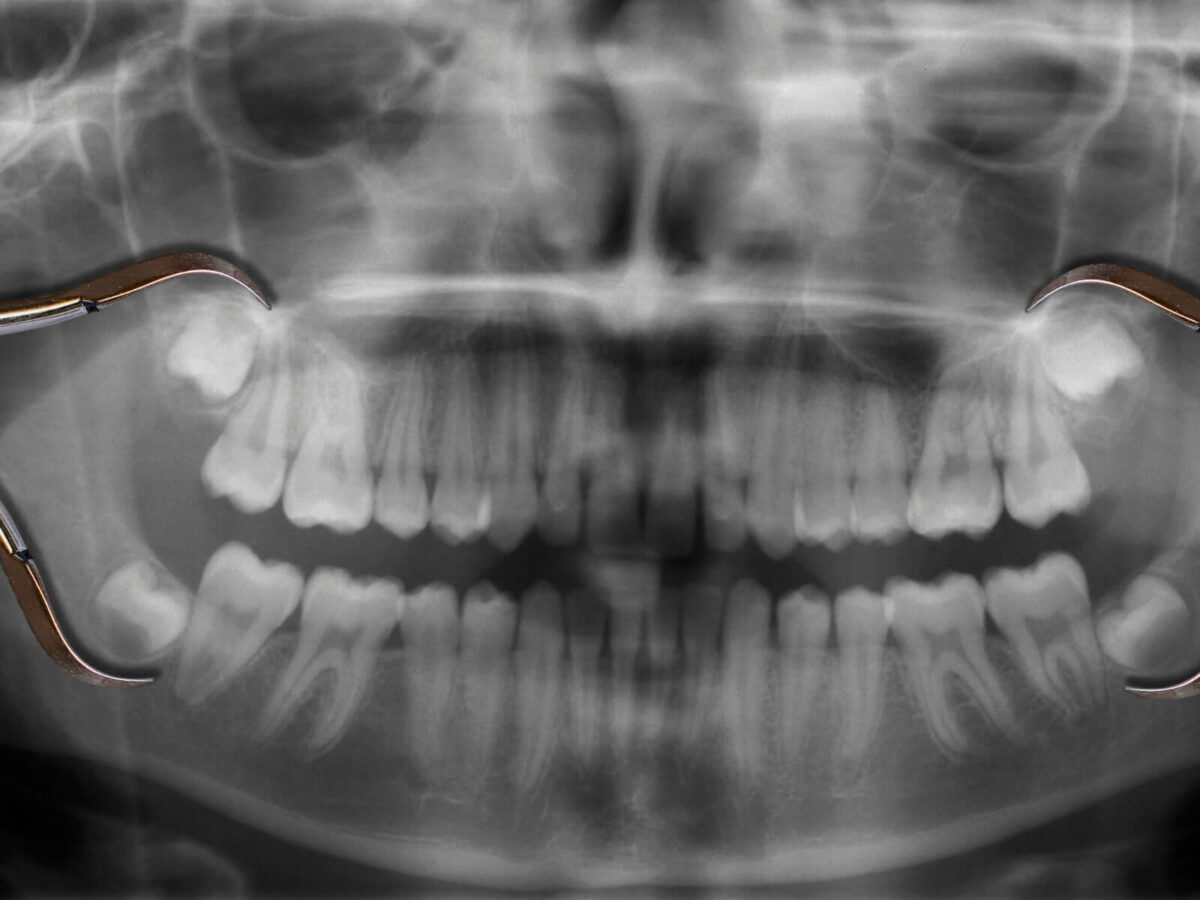
Not always. If wisdom teeth erupt fully, you’ll likely notice them. But if they never form at all, you wouldn’t know without imaging. That’s why dental X-rays are the most reliable way to answer “Does everyone have wisdom teeth” on a personal level.

Some people go through life assuming they had them removed years ago, only to discover they never had them to begin with. It’s surprisingly common.

FAQs

Does everyone get wisdom teeth eventually?

No. Data shows that between 5% and 37% of people may never develop at least one third molar. So the answer to does everyone get wisdom teeth is definitely no.

How is it that some people just don’t have them?

It usually traces back to family traits and long-term changes in how our bodies have evolved.

Does everyone grow wisdom teeth that need removal?

No. Although about 10 million wisdom teeth are removed annually in the U.S., many third molars remain healthy and asymptomatic.

Does everyone grow wisdom teeth in their teens?

Not necessarily. Some erupt in the late teens, others in their twenties, and some remain impacted or never develop.

Is it better not to have wisdom teeth?

There’s no medical disadvantage to being born without them. In fact, it eliminates the risk of impaction.

Final Thoughts

The question “Does everyone have wisdom teeth?” must always be answered “yes” is simply a misconception fueled by how common removal stories are. Biology allows for variation. Genetics influences development. Evolution shapes patterns over generations.

Some people grow all four wisdom teeth. Some grow fewer. Some grow none at all. If you’re unsure where you fall, a routine dental exam with imaging will give you clarity. And if you happen to be among those who never developed them, consider yourself part of a very normal variation in human anatomy.

Categories
Dental care

5 Signs Your Wisdom Teeth Are Coming In

For something that gets mentioned so often, wisdom teeth can be pretty uneventful. They don’t always arrive with obvious pain or swelling right away. It often starts small. A mild pressure behind your molars. A slight tension every time you bite down. You brush it off at first. Then you pause and wonder, “When do wisdom teeth come in?”

In general, they show up sometime between ages 17 and 25. The American Dental Association notes that third molars commonly erupt in late adolescence or the early adult years.[Reference] But the word “typically” does a lot of work there. Some people feel changes at 16. Others don’t notice anything until their mid-twenties. And a few barely notice at all.

It might not be obvious yet, just a few small differences you can’t ignore. These are five signs of wisdom teeth coming in that tend to show up quietly at first.

1. A Quiet Pressure That Wasn’t There Before

Most of the time, it doesn’t start in some dramatic way. It’s more like this random pressure way in the back of your mouth that you can’t really see, just feel. You’ll catch that odd feeling while chewing, then ignore it and carry on. After a while, you feel it again. At night, it feels more noticeable. Not because it suddenly hurts more, but because everything else is quiet. It’s not sharp pain. Just uncomfortable in a way that keeps getting your attention.

That kind of pressure can be one of the first signs of wisdom teeth coming in. The tooth is attempting to erupt, and if there isn’t much room back there, the surrounding bone and tissue respond.

According to the American Association of Oral and Maxillofacial Surgeons, around 90 per cent of people end up with at least one impacted wisdom tooth because space is limited. [Reference] Even before a tooth becomes fully impacted, that tight space alone can cause a sense of fullness. It doesn’t always become sharp pain. Sometimes it just hangs around in the background and won’t fully disappear.

2. Tender Gums in the Very Back

It can catch you off guard. One day, brushing the back teeth feels fine, the next day it’s a little uncomfortable. As the tooth underneath begins to rise, the gum there can get sore for no obvious reason. It sometimes looks slightly swollen or red, mainly when the tooth hasn’t fully come through yet.

These are some of the most common signs of wisdom teeth coming in. You may even feel a small ridge forming beneath the gum where there used to be flat tissue.

Sometimes the tenderness fades once the tooth emerges further. Other times it lingers and becomes more noticeable.

3. A Stiff Feeling in Your Jaw

This is the one people don’t expect.
You might wake up and notice your jaw feels tight. Not painful exactly, just restricted. Opening wide feels slightly strained. There might be a mild ache around your temples, but it’s not quite a headache either.

As wisdom teeth move, they apply pressure inside the jawbone. If they’re angled or meeting resistance, nearby muscles can tense in response. That tension can show up as stiffness rather than tooth pain.

When someone asks when do wisdom teeth come in, they often assume the answer will involve obvious gum swelling. If your jaw feels tight for no clear reason, don’t ignore it. It’s sometimes one of the first signs of wisdom teeth coming in, mainly when there isn’t enough space.

It tends to build gradually rather than appearing overnight.

4. Sensitivity That Seems to Come From the Wrong Tooth

Sometimes it doesn’t even feel like the wisdom tooth is the problem. The molar right in front of it might start feeling sore when you chew or a little sensitive when you drink something cold.

That happens because erupting wisdom teeth can press against neighbouring molars. The pressure transfers forward, which makes it confusing to pinpoint the source.

If a back tooth feels strange and the gum just behind it is sore, it could all be part of the same thing. This can be one of the quieter signs of wisdom teeth coming in, since it doesn’t immediately seem like another tooth is involved.

5. A Sense That Your Bite Feels Tighter

It’s hard to explain, but you notice it anyway. When your mouth is closed, everything feels a bit more packed together than it used to. Nothing dramatic. Just less space.

There’s an ongoing debate about whether wisdom teeth directly cause crowding of front teeth. However, limited space in the jaw can create pressure as third molars erupt. That pressure may contribute to the feeling that your bite has changed.

If you’ve had braces before, you probably notice even small changes. That’s usually when your mind circles back to the same question: when do wisdom teeth come in, and is that what’s starting now? Sometimes it is. Sometimes the sensation passes as the tooth settles.

When Symptoms Are Mild

Not every symptom signals trouble.
Many people experience mild signs of wisdom teeth coming in without ever needing removal. The tooth erupts fully, aligns reasonably well, and becomes just another molar.

But if pressure turns into sharp pain, if swelling spreads into your cheek, or if you struggle to open your mouth comfortably, that suggests something more complicated.

The American Association of Oral and Maxillofacial Surgeons recommends evaluation of third molars to determine risk before complications arise [Reference]. Evaluation doesn’t automatically mean surgery. It simply means understanding your anatomy. And sometimes that reassurance alone reduces anxiety.

Do Wisdom Teeth Always Have to Come Out?

No. Some erupt normally and function just fine. Others remain fully impacted but never cause symptoms. In those cases, monitoring may be enough.

The real issue isn’t just when wisdom teeth come in. It’s how they come in. Are they straight? Is there enough room? Are they easy to clean?

Position matters more than timing.

FAQs

When does this usually happen?

For a lot of people, it’s sometime in that 17 to 25 range. Not everyone fits perfectly into that though.

How would you even know?

Most people just notice something feels off in the back. A bit of pressure, sore gums, maybe stiffness. Those small things can be the first signs of wisdom teeth coming in, even if you brush them off at first.

Is it supposed to hurt badly?

Not always. Many of the signs of wisdom teeth coming in are more annoying than painful.

Conclusion

Wisdom teeth tend to arrive quietly. They don’t demand attention immediately. They test the space your jaw has left for them and see what happens.

If you think you’re seeing the first signs of wisdom teeth coming in, don’t brush it off. When you start asking when do wisdom teeth come in, it’s usually because something feels different. Book a visit, get it checked, and leave with real answers instead of uncertainty.

Categories
Dental care

How Long Do Dental Crowns Last?

Most people don’t ask about longevity when the crown first goes in. It doesn’t come up when the numbness fades or when everything feels fine again. The question shows up years later, sometimes during an ordinary dental visit, sometimes for no clear reason at all.

That’s when searches like how long do crowns last or how long do dental crowns last start to happen. Crowns feel solid, but not permanent. They’re meant to protect, yet people still sense that they exist in a mouth that keeps changing as time goes on.

Why The Answer Is Never A Straight Number

People want a number. Ten years. Twenty years. Something concrete. Dentistry rarely gives that kind of certainty. When asking how long do crowns usually last, what’s really being asked is whether the crown can be trusted.

Crowns don’t exist in isolation. They’re affected by chewing habits, bite pressure, oral hygiene, stress, grinding, gum health, and even how the tooth was doing before the crown was placed. Two crowns made the same way can age very differently in two different mouths.

What A Crown Is Actually Dealing With Every Day

Crowns deal with pressure all day without any real breaks. Every bite adds a little force. Every meal does the same. Hot coffee followed by cold water, tougher foods mixed with softer ones, and even clenching at night all add up over time. None of it feels dramatic in the moment, but it’s constant, and the crown absorbs all of it quietly.
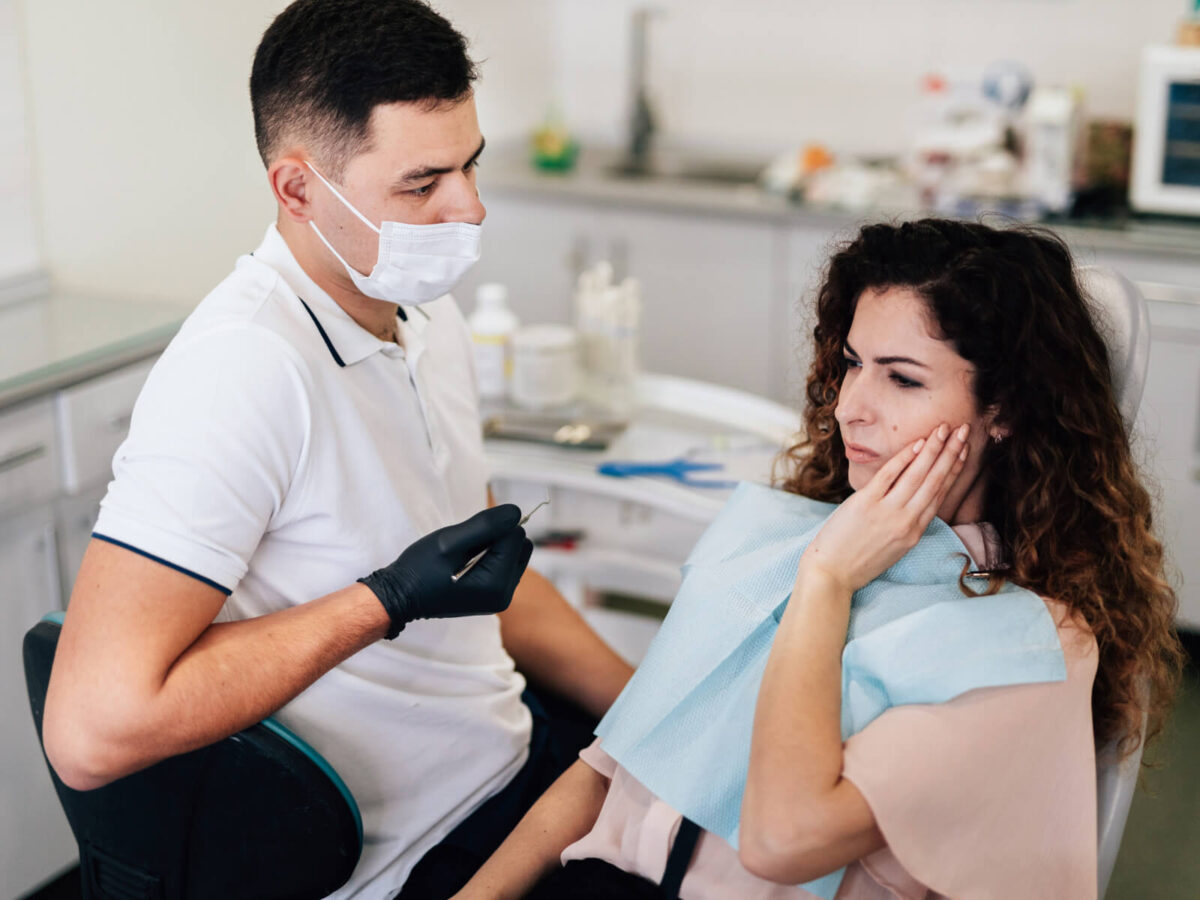
Back teeth take on most of that workload, which is why crowns on molars tend to wear differently than those on front teeth. They handle more force, more repetition, and more stress during normal use. That daily strain plays a bigger role in how long do teeth crowns last than most people realise, especially because it builds slowly and without obvious warning signs.

The Tooth Underneath Matters More Than The Crown Itself

Crowns are placed on teeth that already have a history. A large filling, a crack, or prior root canal treatment is often part of the picture. The crown protects the tooth and restores function.

Although it doesn’t remove what the tooth has already experienced.
When people wonder how long do crowns for teeth last, they often think about the crown alone. In reality, the tooth beneath it usually determines how long it holds up. A crown can look fine on the surface, while small changes around the edges slowly shorten how long it lasts.

Materials Play A Role, But They’re Not Magic

Crowns come in different materials. Each material has certain strengths, and those differences matter over time. Some prioritise durability. Others focus on appearance. None of them override habits like grinding or poor hygiene.

A strong crown placed in a high-stress bite will still wear over time. A beautiful crown placed on a tooth with gum issues will still be vulnerable at the margins. Material choice matters, but it doesn’t fully answer how long do dental crowns last.

Grinding And Clenching Shorten Crown Life Quietly

Some people grind their teeth and never notice. It often happens at night.The pressure stays quiet and easy to miss. It just repeats without being noticed. It just repeats, night after night, putting steady stress on crowns over time.

Crowns rarely fail all at once from grinding. They tend to wear gradually. The surface thins. Small fractures can form slowly, sometimes without any obvious signs. This kind of quiet wear is one of the more common reasons “how long do crowns last” ends up being shorter than people expect.

Oral Hygiene Extends Crowns Without Being Obvious

A crown itself won’t decay, but the tooth under it still can. That’s something people don’t always think about once the crown feels normal. The area where the crown meets the tooth is usually the weak spot. Plaque can build up there over time, and from the outside, the crown can still look perfectly fine.

Meanwhile, changes can be happening underneath without being visible. Decay can start quietly at the edge and go unnoticed for a long time. That’s why dentists often focus on cleaning around crowns when the topic “how long do dental crowns last” comes up. What happens at that boundary matters more than most people expect.

Gum Health Often Decides The Outcome

Crowns don’t exist on their own. They sit in gums that change over time. When those gums stay healthy, everything tends to hold together quietly. When gums become inflamed or start pulling back, the margins of the crown are more exposed, and that can slowly shift how things hold up.

People usually pay attention to the crown itself and how solid it feels. The surrounding tissue often fades into the background. In practice, though, gum health ends up shaping how long do crowns last in ways people don’t always notice right away, even when the crown itself hasn’t changed.

Crowns Rarely Fail Without Warning

Crowns don’t usually fail all at once. Small things tend to show up first. The bite feels a little different one day. Sensitivity hangs around longer than it used to. An edge feels rough, but not enough to seem serious. The tooth still works. There isn’t much pain. You stay busy with life, so it’s easy to forget about it.

Time passes like that. Weeks turn into months. When the crown finally fails, it feels sudden. But in reality, it didn’t begin that way. Small changes were already happening long before anything felt obvious or serious.

Regular Checkups Extend Crown Lifespan More Than People Think

A crown check isn’t just about whether something is broken. It’s not just the crown itself. Dentists look at the edges, the mouth, and how wear builds. None of it stands out much on its own.
When small issues are addressed early, crowns often last longer than expected. When those signs are ignored, replacement tends to come sooner. That steady follow-up plays a bigger role in how long do crowns usually last than people often realise.

Root Canal, Teeth And Crown Longevity

A tooth that’s had a root canal can be more brittle than people expect. It ends up relying on the crown much more for everyday protection. Crowns on these teeth often last well, but the underlying tooth is more vulnerable to fracture if stressed. Bite protection and timely placement matter here.

This context is important when evaluating how long do teeth crowns last across different situations.

Why Comparing Crown Lifespans Is Misleading

One person talks about a crown that lasted thirty years. Someone else replaces one after ten and wonders what went wrong. Lining those stories up without any context usually creates more confusion than clarity.

How much force the bite takes, whether grinding is happening, daily hygiene, and the health of the gums explain most of that difference. Averages exist, but they rarely land neatly on real people or real mouths.

Conclusion

People look for a number when they ask how long crowns last, but there really isn’t one that fits everyone. A crown lasts as long as the tooth can support it, and the bite doesn’t put too much pressure on it. The gums matter too, even when nothing feels wrong.

When care stays steady, and grinding is addressed instead of ignored, crowns tend to do better. They don’t last because of chance. They last because the conditions around them stay stable.
If how long do dental crowns last is something you’ve started to wonder about. Give a visit to your dentist. That question usually answers itself during the visit.

Categories
Dental care

7 Signs Your Teeth Are Falling Out

Teeth almost never just fall out overnight. That idea feels extreme and can make everything sound scarier than it usually is. What really happens tends to be gradual and quiet. Small changes show up over time. Things feel a little different, but not serious right away. It is easy to ignore. Many people end up thinking it will sort itself out. Life stays busy. Dental visits get delayed. Months turn into years before the problem finally demands attention.
That is why understanding the signs that your teeth are falling out matters. Not because it means disaster is around the corner, but because teeth almost always give warnings first. The trouble is that those warnings are easy to ignore when nothing hurts badly yet.

Sign One: Teeth That Feel Loose Or Unstable

Teeth are supposed to feel steady most of the time. You do not usually think about them moving, shifting, or reacting when you bite down. So when one starts to feel even slightly different, it tends to stand out. That faint looseness is usually one of the clearer signs that your teeth are falling out.

What makes it tricky is that this does not happen all at once. Things usually change slowly. There is often no pain, no sharp warning. People notice it while chewing certain foods or brushing, or when the tongue keeps drifting back to the same spot because something feels off.

Teeth do not loosen randomly. For movement to happen, some support has to weaken over time. That kind of change usually does not fix itself without attention, even if it stays quiet for a while.

Sign Two: Gums Pulling Away From Teeth

Gum recession usually happens slowly. There is no clear moment when it starts. Teeth can look longer over time as the gum line changes little by little. Many people only notice after comparing how things looked years ago.

This is one of the signs that your teeth are going to fall out when gum disease is involved. When gums pull back, areas of the tooth that weren’t visible before can show. That change may affect how stable the tooth feels later.

Sign Three: Bleeding Gums That Do Not Go Away

Bleeding gums often get dismissed without much thought. It is blamed on brushing too hard, a new toothbrush, or flossing for the first time in a while. A little bleeding does not seem like a big deal.

It is the pattern that matters here. If gums bleed again and again over a longer stretch of time, it is often a sign that something is off. This inflammation damages the bone supporting teeth over time.
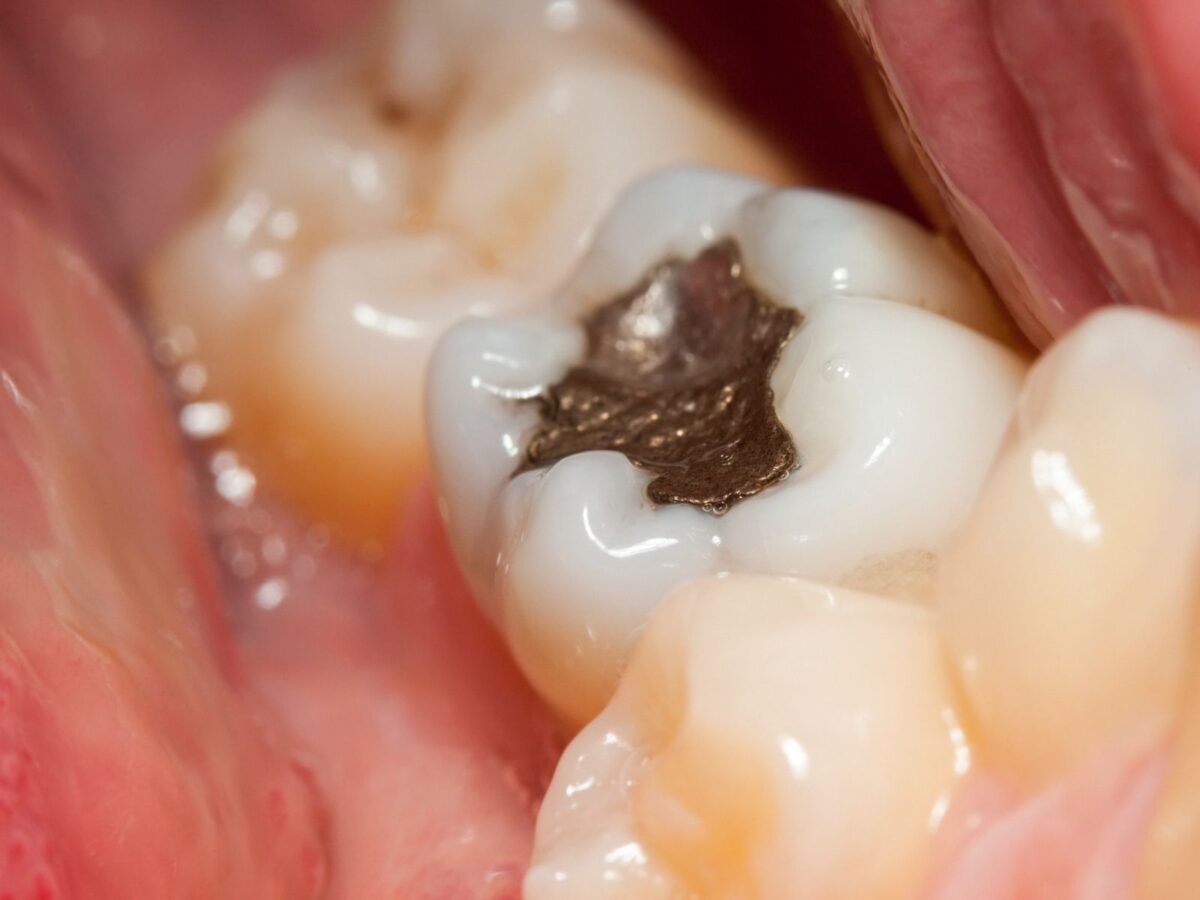
This process sits quietly behind many signs that your teeth are falling out. There may be no pain at first. No swelling. Just blood in the sink that becomes easy to ignore. Bleeding that does not improve should always be taken seriously.

Sign Four: Pain Or Pressure When Chewing

Chewing should not hurt. So when it does, people usually notice. It might feel like pressure or a sharp spot when you bite down, but not every time. It happens with some foods and not with others.

When the pain comes and goes like that, it is easy to let it slide. People tell themselves it is temporary or just one of those things. That inconsistency is why it can be one of the easier signs that your teeth are falling out to ignore. When the tooth feels fine at rest, it does not seem urgent. Things keep getting put off.

Sign Five: Changes In Bite Or Tooth Position

Teeth fit together in a specific way. When that fit changes, the mouth notices. Chewing feels uneven. Teeth hit differently. Gaps appear where there were none before.

These shifts are not random. Teeth move when support weakens. They tilt. They drift. They spread apart.

Changes like these are serious signs that your teeth are going to fall out if ignored. Movement is more of a sign than the actual reason. Something underneath is allowing that movement to happen.

Sign Six: Persistent Bad Breath Or Bad Taste

Bad breath usually gets handled at the surface. A mint. Mouthwash. Extra brushing. It feels like something simple, not something deeper.
When it keeps coming back despite all that, it starts to feel less clear. Nothing obvious explains it, but it does not go away either. That is when it can quietly slip into the signs your teeth are falling out group. It feels awkward enough that people tend to ignore it.

Sign Seven: Swollen Or Tender Gums

Tender gums do not always raise concern. They can feel a bit sore for a while and then seem to pass on their own. Other times, it comes back again without much warning. There is usually no sharp pain, which makes it easier to shrug off.

The problem is how often it can repeat quietly. That kind of ongoing inflammation can affect support over time, even when it never feels severe. This is why it can be one of the signs your teeth are falling out that slips by unnoticed.

Why These Signs Are So Easy To Ignore

None of these signs usually feels urgent. There is no dramatic moment. No sudden collapse. Life continues. Teeth lose support slowly. Bone erodes quietly. Gums change gradually. By the time a tooth feels very loose, damage has often been building for years.
Recognising the signs that your teeth are falling out early gives you choices. Waiting removes them.

What Causes Teeth To Lose Support

Gum disease shows up in a lot of these situations. It usually starts quietly, with things lingering longer than they should. Over time, that ongoing irritation can affect the support around the teeth.

Other habits can make things harder. Grinding adds constant pressure. Smoking can slow healing. When cavities aren’t treated, they can weaken areas already under strain. Genetics matters, yet everyday care and timing usually affect how problems move forward.

What Does Not Automatically Mean Tooth Loss

Sensitivity alone does not mean a tooth is failing. Occasional soreness does not spell disaster. One rough day does not define a trend.

Patterns and repetition matter. Ongoing changes are what point toward the signs your teeth are going to fall out, not brief moments.

Why Waiting Makes Everything Harder

Early gum disease can often be managed. Mild looseness can sometimes be stabilised. Advanced bone loss is far harder to treat. Waiting rarely makes things simpler. It usually makes treatment more complex, more invasive, and more expensive.

Can Teeth Still Be Saved

In many situations, yes, especially when things are noticed earlier rather than later. Teeth that feel a little loose can sometimes be steadied, and gum problems do not always move fast if they are addressed along the way.

Once a tooth is gone, the situation changes. The focus shifts, and the options are different. Handling things sooner usually feels simpler than dealing with replacements later on.

Conclusion

Teeth usually do not fall out of nowhere. Changes tend to show up slowly, long before anything obvious happens. The hard part is that those changes are easy to overlook, especially when there is no real pain pushing for attention.

Noticing the signs your teeth are falling out earlier leaves more room to respond while things are still manageable, instead of finding out much later when options feel different.

When signs that your teeth are falling out start to show up, timing often matters more than people realise. Looking into things earlier usually leaves more room to understand what is happening and what can be slowed down before bigger changes settle in.

Categories
Dental care

How Long Does Tooth Bonding Last?

Bonding is usually done because it feels easy and comfortable. It fixes small problems like chips or rough edges and does not involve big treatment. After the initial relief, people usually start wondering how long does a tooth bonding last once normal routines resume. The answer depends.

Some bonds last longer. Some do not. The spot, the pressure, and the care all play a role. Those small differences explain why bonding lasts longer for some people than others. Knowing this ahead of time helps the decision feel more honest.

What Tooth Bonding Actually Is

Tooth bonding uses a tooth-colored resin shaped right onto the tooth during the visit. The material is soft at first. A special light hardens it so it becomes firm and smooth. The dentist shapes it by hand. Then it is polished until it blends in with the teeth around it. Bonding is often used for small repairs.

Chips, worn edges, slight gaps, or uneven shapes are common reasons. It is not meant to replace crowns or veneers for major damage. Knowing this helps set fair expectations for “how long does tooth bonding last”.

Average Lifespan Of Tooth Bonding

Most bonding lasts several years. For many people, it stays in good shape for about three to ten years. Some last longer. Some need touch-ups sooner. That wide range exists because bonding reacts to daily use.

Front teeth bonding often lasts a bit less because they face more contact from biting and habits like nail biting. Bonding lasts longer when it is not under much pressure. That is why how long does a tooth bonding last changes from tooth to tooth.

Why Does Bonding Not Last Forever

Bonding lasts, but it wears differently from enamel. It is strong, just not as hard. Daily chewing and regular pressure slowly take their toll. Hot and cold drinks add to that over time. Edges may lose sharpness. Small chips can appear. None of this usually happens fast. It builds slowly.
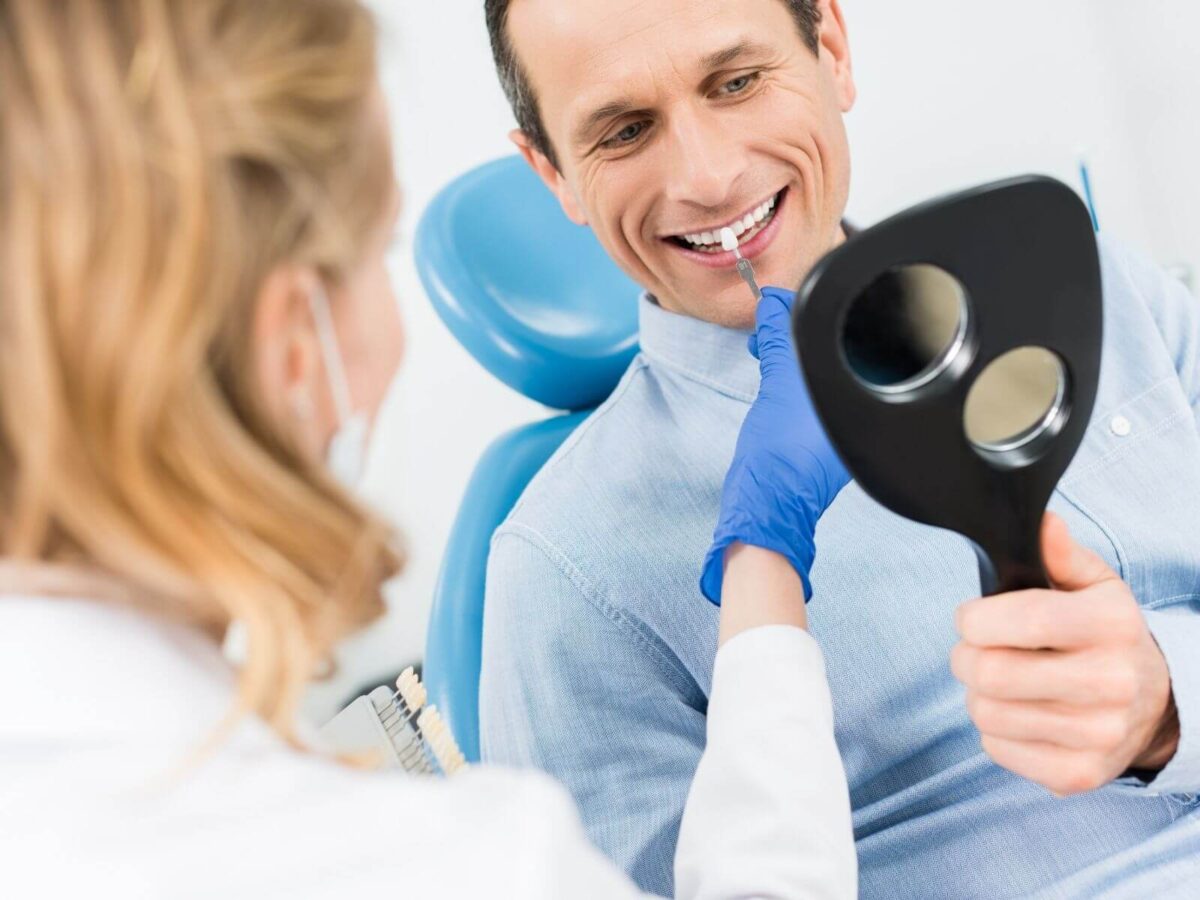
Colour changes can happen too. Bonding can stain more quickly than natural teeth. Coffee, tea, or smoking tends to speed that up. That change does not mean the bonding has failed. It just changes how long it looks bright and smooth.

Location Matters More Than People Think

Where the bonding is placed plays a big role. Bonding on the front edges takes more stress. Those teeth cut food and touch other teeth during talking and biting. Back teeth handle chewing force, which can also shorten lifespan if bonding is used there.

Bonding placed to fix small cosmetic flaws often lasts longer than bonding used to rebuild larger areas. This is why dentists may suggest other options when damage is more extensive. Placement strongly influences how long does tooth bonding usually last.

Daily Habits That Shorten The Life Of Bonding

Some habits quietly wear bonding faster. Chewing ice, biting pens, or opening packages with teeth all stress the material. Nail biting and teeth grinding do the same.

Grinding is especially tough on bonding. Many people grind at night without knowing it. A night guard may be suggested to protect bonding and natural teeth. Small habit changes can add years to a bonding life without extra dental work.

Staining And Colour Changes Over Time

Bonding does not change colour once it is placed. It does not whiten with the rest of the teeth. So if the surrounding teeth are whitened later, the bonded spot may stand out more.

Coffee and smoking can stain bonding faster than natural teeth. Cleanings help manage it, but they do not prevent all colour change. Over time, some colour change is expected. It does not mean the bonding failed. It just means it may not look as fresh anymore, which is usually why people replace it.

How Bonding Compares To Other Options

Bonding is quicker and less costly than veneers or crowns. It is also easier to repair. Small chips happen. Most of the time, the dentist can fix them without replacing everything.

That flexibility is part of bonding’s appeal. Even if how long does tooth bonding last is shorter than porcelain options, repairs are usually simple. Many people like knowing adjustments are easy and do not involve major procedures.

Care Routines That Help Bonding Last Longer

Gentle daily care makes a difference. Daily cleaning twice a day and cleaning between teeth keeps the edges clean. Soft brushes reduce surface wear. Avoiding very hard foods helps. Cutting apples instead of biting directly. Chewing carefully on bonded teeth. These small choices reduce stress and help bonding keep its shape longer.
Regular dental visits also matter. Dentists spot small wear early and smooth rough edges before bigger chips form.

What Happens When Bonding Wears Out

Bonding rarely fails all at once. It usually shows signs first. Edges feel rough. Colour looks uneven. A small chip appears. These changes give time to plan the repair.

Often, the dentist can add more resin and reshape the area. Full replacement is not always needed. This gradual process makes bonding less stressful to maintain compared to larger restorations.

Can Bonding Be Replaced Or Upgraded Later

Yes, bonding can be removed or replaced. When it is done properly, the tooth underneath stays safe. That is why many people see bonding as a starting point. They fix a chip or shape now, then switch to veneers later if their needs change.

Since bonding leaves most of the natural tooth alone, it does not close doors. It is flexible. That alone gives bonding value, even if it does not last as long as other options.

Who Is A Good Candidate For Bonding

Bonding works best for small fixes. Minor chips. Small gaps. Slight shape issues. Teeth that are otherwise healthy.

People who grind heavily or want long-term colour stability may prefer other options. Dentists help guide that choice by looking at bite, habits, and goals. Bonding is best when expectations match what the material can do.

Cost Versus Lifespan Balance

Bonding costs less up front than many cosmetic options. Because repairs are simple, maintenance costs stay lower too.
Even if bonding needs touch-ups every few years, many people find the balance works well. The value is not just how long it lasts, but how easy it is to refresh without major treatment.

When Bonding Should Be Checked

Any change in feel or look is a good reason to check bonding. Rough edges, sensitivity, or visible chips should be looked at early.
Routine cleanings also give dentists a chance to polish and inspect bonding. These small checks extend lifespan and keep problems small.

Conclusion

So, how long does tooth bonding last for most people? Usually several years. Sometimes longer with good care. It is not permanent, but it is flexible. It can be repaired. It is gentle on natural teeth. For many, that trade-off works well.

For anyone considering bonding or wondering if existing bonding needs attention, a short dental visit brings clarity. Ask how your habits affect bonding and what simple steps help it last longer. Small care choices today can keep bonding looking good and working well for years.

Categories
Dental care

How to Prevent Tooth Decay: Best Practices for Oral Health

Teeth move through the days carrying tiny marks from meals, drinks, and soft changes in the mouth. These marks settle quietly at first, showing nothing sharp or dramatic. Then, over time, they deepen into places where brushing alone cannot reach. It is often in these moments that the question of how to prevent tooth decay begins to form. The thought does not come with panic. It arrives in a calm way, almost like the mouth itself is trying to say that something needs a bit more attention before it grows.

Decay does not begin suddenly. It rises in small layers that build over weeks and months. A faint softness in one area. A slight sensitivity that comes and goes. A small shift occurs when cold or sweet touches the tooth. These early pieces often pass quietly, blending into routine. But they show where decay begins, and they offer clues on how to prevent tooth decay before the tooth weakens more deeply.

How Decay Forms in the Quiet Spaces of the Tooth

Decay often begins in a little place where food just sits. Bacteria stay with it, and the sugars mix in, making acids that slowly weaken the enamel. Enamel changes slowly. It loses minerals piece by piece. That early loss is a sign that tooth decay prevention is needed, even when the tooth looks unchanged.

Inside the enamel, tiny pathways move minerals around. Once decay starts, those pathways lose more than they gain, leaving the enamel open to deeper acid damage. Understanding how to prevent tooth decay means noticing these early shifts, because recovery is still possible if minerals return before the damage settles in.

The Role of Daily Cleaning

Cleaning the teeth each day helps remove the layer that starts decay. This layer forms after every meal and rests against the enamel. Brushing clears it before the acids stay too long. When someone wonders how to prevent tooth decay from getting worse, this daily clearing becomes one of the quietest yet strongest ways to protect the tooth.

Flossing goes where the brush cannot. Food collects there, staying out of sight and slowly weakening the enamel. Clearing those spaces helps smooth the surface and lets minerals return. This steady practice becomes part of how to prevent tooth decay before it grows worse.

How Saliva Helps the Teeth Recover Throughout the Day

Saliva quietly protects the teeth. It brings minerals that help rebuild enamel after acids soften it. When the mouth dries out, those minerals can’t reach weak areas as well. Drinking water throughout the day keeps saliva moving and supports stronger enamel.

This soft rebuilding happens all the time. It happens in the minutes after eating, when the mouth settles. It happens in the afternoon when the jaw relaxes. This natural cycle explains how the mouth gives its own version of how to prevent tooth decay without force. It simply restores what the acids took away, as long as water and moisture remain steady.

Why Sugars Create Deeper Changes in the Tooth

Sugars touch the tooth gently, yet they create strong reactions with the bacteria already in the mouth. These reactions produce acids that sit on the enamel and open the pathways inside it. Even small amounts of sugar can create repeated cycles of softening if eaten often during the day.

This is why spacing sugary foods helps. It gives the mouth time to recover, instead of facing new acids again and again. Spacing meals allows the enamel to gain minerals before the next cycle begins. When asking how to prevent tooth decay, this space becomes one of the simplest changes to support the teeth quietly.

How Fluoride Helps the Teeth

Fluoride works by letting minerals sink farther into the enamel. It reaches tiny openings and builds stronger bonds that stand up to acid. The process isn’t loud. It settles over time, forming a shield that keeps those pathways less open to decay.

This soft support is why fluoride fits into tooth decay prevention. It gives the tooth gentle support, helping the enamel find its strength again after meals and drinks.

Small Habits That Keep the Teeth Steady Through the Day

Simple things throughout the day help the enamel remain strong. Drinking water after meals. Rinsing gently when brushing must wait. When the mouth gets a break between snacks, saliva can clear out the acids more easily.

These small habits support the natural rhythm of the enamel. They steady the mouth in quiet ways that protect it from bigger changes. They are part of the soft path of how to prevent tooth decay because they give the teeth room to regain their strength before the next cycle begins.

Why Some Areas Decay Faster Than Others

Some parts of the mouth carry more texture and small grooves. These grooves catch food more easily and let bacteria stay longer. The enamel in those spots begins to change, not because it’s weak, but because the spaces hold the soft bits that start to decay.

Understanding which areas carry these grooves helps shape how someone approaches how to prevent tooth decay from getting worse. Paying a little more attention to those tiny spaces keeps decay from forming inside them unnoticed.

How Early Sensitivity Offers Quiet Warnings

A soft tingle from cold water. A momentary response to something sweet. These small sensations often reveal the early places where the enamel has thinned. They are not always painful. They simply feel different, almost as if the tooth is trying to whisper that something has changed.

These early sensations give space for tooth decay prevention before the problem reaches deeper layers. They show where the enamel needs minerals or more careful cleaning. They give time to respond before the softness becomes a cavity.

Why Regular Checkups Catch Decay Before It Deepens

Dentists see the small shapes and shadows inside a tooth that do not appear on the surface. A tiny softened area. A small dip. A change in how the enamel reflects light. These things mark spaces where decay has just begun. Treating them early prevents the deeper parts of the tooth from weakening.

This makes checkups an important part of how to prevent tooth decay, because catching these early shifts stops the cycle before it becomes painful or difficult to repair.

Letting the Teeth Stay Strong Through Gentle Care

Teeth stay healthy when small habits stay steady. Cleaning each day. Drinking enough water. Giving the enamel time to rebuild. Listening to the small signals the mouth gives. These gentle practices do more than stop decay. They help the teeth feel comfortable throughout each year that passes.

Understanding how to prevent tooth decay is not about strict rules. It is about noticing the soft signs and shaping routines that keep the enamel balanced. A calm talk with a dental professional can show which parts of your mouth need a bit more care and which habits protect enamel. Small changes today keep the smile steady and comfortable for years.

Categories
Dental care

How Regular Oral Checkups Prevent Serious Dental Issues

Regular oral checkups are a small habit that makes a big difference. A visit to a trusted dentist in Crosby TX finds things early when fixes are simple. That steady attention prevents pain, lowers cost, and keeps daily life normal. This article explains why regular visits matter, what happens at each checkup, and how a Crosby dental clinic turns prevention into a simple routine families can keep.

Why Small Problems Grow When Left Alone

A tiny spot of decay can sit for months without pain. Over time, it eats deeper into the tooth. What began as a short filling may end as a larger crown or a root treatment. The same slow slide happens with gum inflammation. Mild bleeding can become bone loss if unchecked. Regular checks catch those changes before they grow. That is the core of preventive dentistry. Catching a problem early keeps the work small and the recovery quick.

What A Checkup Actually Includes

A regular visit with a trusted dentist in Crosby TX usually feels relaxed from the moment you settle in. The clinician studies your teeth, gums, and soft tissues with steady attention. The hygienist removes buildup that your brush cannot clear. If needed, simple images show areas that might need early care. Before you leave, the team talks through your daily habits and shares small changes that help keep your mouth steady.

Why Finding Cavities Early Makes a Real Difference

Decay often starts in the tight spaces between teeth where regular brushing cannot reach. Bitewing images help the team notice those tiny spots before they bother the nerve. A small cavity is simple to fix. A deeper infection takes longer and can be costly. Early checks save time and money, and a Crosby dental clinic that follows a steady routine catches these issues early.

How Cleanings Protect The Gums And Bone

Plaque hardens into tartar along the gum edge. That tartar feeds inflammation. Over time, pockets form and bone support shrinks. Professional cleaning removes that buildup and lets gums heal. That healing protects the foundation teeth that need to last. Keeping gums calm with simple cleanings avoids the need for deeper procedures later.

Monitoring Existing Restorations Closely

Fillings and crowns are not forever. They wear at the edges and sometimes leak. A small edge failure seen early is a short repair. A leak found late can mean replacement of a crown or more invasive work. Routine exams catch these wear patterns. The clinician spots small issues while they are still straightforward. That steady oversight extends the life of every restoration in the mouth.

Why The Bite And Jaw Get Checked Too

Uneven pressure on the bite can slowly change how the teeth hold up each day, especially when grinding adds more stress. A watchful dentist in Crosby TX catches these signs early, and simple guidance like wearing a night guard can stop trouble before it grows, and the Crosby dental clinic supports this by helping keep the bite comfortable.

How Pediatric Checks Shape Lifelong Health

Children change fast. A Crosby dental clinic tracks how baby teeth guide space for permanent teeth. Sealants and topical fluoride protect new molars during the highest risk years. Early visits also spot habits that affect alignment. Simple guidance now often avoids long orthodontic work later. Starting routine visits early builds a pattern that keeps dental care normal rather than frightening.

When Routine Visits Catch Medical Issues Early

Oral exams sometimes reveal signs that connect to overall health. Changes in the mouth can hint at dry mouth that links to medicines. An unusual patch or a persistent sore may need further evaluation. A clinician who sees patients regularly spots such changes sooner. That early notice helps coordinate care with other providers and protects general health as well as oral health.

Why Steady Dental Care Cuts Down Emergency Trips

Little dental problems can build slowly, and a light chip that feels like nothing in the beginning can become painful when it catches the wrong way. Regular time with a dentist in Crosby TX prevents that from happening. Gum irritation can be handled before it becomes an infection, and a caring Crosby dental clinic guides patients toward calm, manageable solutions instead of last-minute emergencies.

How A Clinic Personalises The Visit Rhythm

Not everyone needs the same schedule. People with healthy gums and low decay risk may follow a six-month plan. Those with gum pocketing or high decay risk often visit more frequently. A dentist in Crosby TX recommends an interval based on the individual. Personalised timing keeps visits useful and avoids unnecessary images or steps while still catching problems early.

Why Imaging Is Used Carefully

Images reveal what cannot be seen. They find cavities between teeth and show bone levels. But imaging is used with care. A clinician orders the right view to answer a focused question. Digital tools reduce exposure and provide fast results. Used wisely, imaging means fewer surprises and clearer choices for care.

How Checkups Protect Long-Term Function

Healthy gums and steady bone support preserve chewing and speaking. Early intervention prevents the slow changes that shift how teeth meet. By protecting the foundation, routine visits reduce the chance of major reconstruction later on. That long term stability is the practical payoff of steady preventive dentistry.

How Clinics Make Visits Less Stressful

A familiar team reduces fear. When a patient sees the same clinician over time, appointments feel routine and calm. Clear explanation and small practical steps help people feel in control. The result is better attendance and better outcomes. Consistency in care builds trust and makes prevention work.

Costs Versus Value In Preventive Care

A simple cleaning and a small filling usually cost far less than a root treatment and a crown. There is also the strain of missed work and family plans when emergencies appear. A visit to a Crosby dental clinic helps prevent those sudden problems and lowers both the financial burden and the stress of unexpected pain.

Choosing the Right Crosby Dental Clinic

Find a place that keeps explanations simple and gives real attention to what you need. A dentist in Crosby TX who reviews past images and builds a plan around your habits, makes care easier to follow. Convenience helps too, because a clinic that works with family schedules and sends reminders keeps visits on track. Clear billing and gentle guidance make prevention feel practical.

The Takeaway

Regular oral checkups help stop serious issues before they grow. With a trusted dentist in Crosby TX and a friendly Crosby dental clinic, small problems are found quickly and handled with care. These visits save gum health, protect bone, and help restorations last longer.

To shape a plan you can follow, arrange a visit with a steady dentist in Crosby TX at the nearest Crosby dental clinic. The team will look over your history, suggest a personal recall schedule, and share simple daily steps that support daily care and keep your mouth steady.

Categories
Dental care

The Role of Dental Sealants In Protecting Children’s Teeth

Every parent wants a practical way to protect a child’s smile. Dental sealants are a simple, proven tool that does exactly that. When applied correctly by a trusted Crosby Pediatric Dentist, sealants act as a guard layer on chewing surfaces where cavities most often start.

This article tells what sealants are, why they matter, how they are placed, and how families and a local Crosby Dental Office TX work together to keep young teeth strong. The tone is plain and third person. The goal is clear information that a parent can use right away.

What Dental Sealants Actually Are

A sealant is just a light layer placed into the narrow grooves on the back teeth. Since kids rarely clean those areas well, food and bacteria end up sticking around in those tiny spaces. The sealant fits in, smooths the surface, and gives plaque fewer places to hide. It sticks to enamel and lasts a long time with routine checks. A Crosby Pediatric Dentist sees sealants as one of the simple ways to push back early decay without changing daily habits.

Why Back Teeth Need Special Protection

First permanent molars often appear between the ages of six and seven. At that stage, children are still learning to brush well, and the grooved chewing surfaces are new and vulnerable. Those grooves collect sticky snacks and bacteria. A sealant placed soon after a molar erupts blocks that trap. In practice, this single office step prevents many fillings that would otherwise be needed later. A Crosby Dental Office TX, often plans sealant placement around these eruption milestones because timing makes the protection most effective.

How Sealants Are Placed In A Child-Friendly Way

Putting on a sealant is pretty simple. The clinician cleans the tooth and dries it well. They then use a small bit of conditioner so the coating bonds. After that, the sealant is placed into the grooves and set with a bright light. Kids almost never need anything for numbing, and it comes across more like a short polish than a procedure. A Crosby Pediatric Dentist team walks the child through each short step, and families usually leave surprised that it was over so fast.

Safety And The Materials Used

Today’s sealants rely on resins that have been tested for years, and only a small amount is used on the tooth surface. Clinics keep the tooth dry and the gums safe so the material bonds the way it should. When parents ask about ingredients, they should hear a straightforward explanation. A Crosby Dental Office TX often points out that stopping early decay avoids drilling later, and the tiny exposure from a sealant is far outweighed by that benefit. Honest, simple conversation helps families feel confident.

Who Benefits Most From Sealants

Children who snack frequently, who have deep tooth grooves, or who struggle with thorough brushing gain the most immediate benefit. Kids with a history of cavities on baby teeth are also good candidates because their decay risk is higher. Sealants are an especially good match for busy families. A single quick step at a routine visit gives months to years of added protection during the critical period when adult molars first come in.

Do Sealants Replace Daily Cleaning

Sealants offer support but cannot replace daily care at home. Using fluoride and cleaning between teeth still matter because fluoride strengthens enamel and repairs tiny early changes children often miss, keeping their mouths healthier over time. When sealants and fluoride are both in the mix, the chance of a filling drops a lot. A Crosby Pediatric Dentist often explains sealants as just one part of the bigger routine with brushing, diet, and steady checkups.
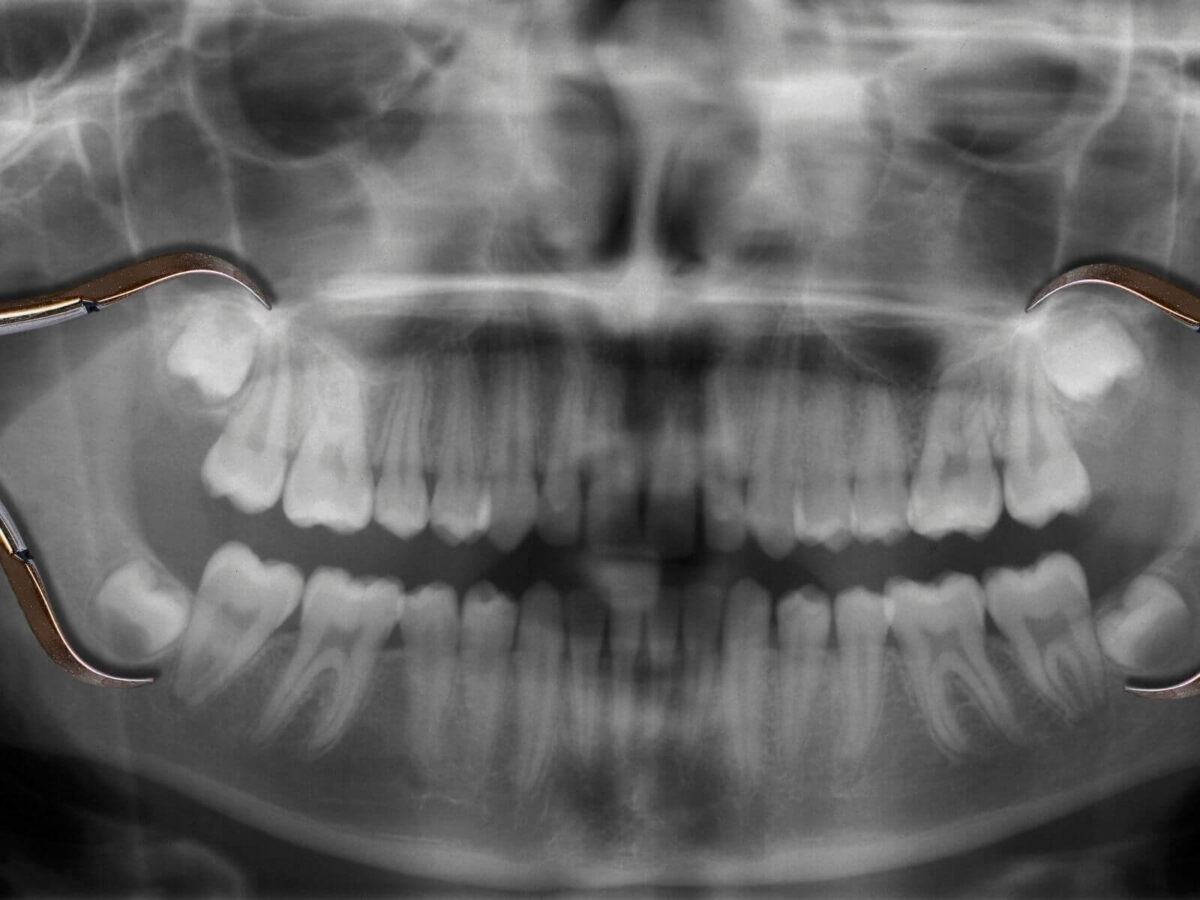
How Long Sealants Last

Sealants last a good while, though not forever. Their life changes a lot based on chewing style, everyday food habits, and how well the sealant sticks when it is put on. Kids who bite hard things, grind at night, or nibble their nails usually see them wear out sooner.

Regular visits to the Crosby Dental Office TX give the clinician a chance to check each sealant and add more material or replace it when it starts to thin. That small bit of upkeep keeps the protection going without turning into a big expense.

Maintenance Matters

A sealant should be checked at routine visits. The clinician inspects for wear or small chips and reapplies material when indicated. That maintenance is quicker and less costly than treating a cavity that develops beneath a worn surface. Families who keep recall visits rarely discover surprise decay under a sealant because the team catches wear early. This practical rhythm of check and adjust is why many offices recommend sealants as part of a broader preventive plan.

Cost Considerations

Sealants are inexpensive compared with the price and time of a filling. Many dental plans cover sealants for children on permanent molars because insurers recognise the long-term savings. Clinics discuss costs and coverage during a consult so families can plan. A Crosby Dental Office TX, often helps parents understand how a one-time application fits into typical coverage and how it compares with the likely cost of future restorations.

Common Myths And Straight Answers

Some parents worry that sealants hide decay. The opposite is true. Sealants block the routes where decay usually starts. Another myth is that sealants fall off quickly. Modern materials bond far better than old versions, and routine checks keep them functional. When a clinician explains these points plainly, the confusion often disappears. A Crosby Pediatric Dentist welcomes questions and shows before-and-after examples so choices feel informed.

When Sealants Might Not Be Right

If a tooth already has significant decay in the grooves, sealing over it is not appropriate. The clinician treats the decay first, and later a sealant may be placed. For very young children with baby teeth that will fall out soon, the team weighs the benefit against the tooth’s expected life. Each decision is about matching protection to need rather than a general rule that fits every case.

When To Call The Dentist About A Sealant

When a child says a molar feels rough or a nearby filling seems loose, give the clinic a call. It is often only a small chip, and fixing it does not take long. A Crosby Pediatric Dentist can look it over and refresh the sealant in a short appointment.

Conclusion

Dental sealants give a simple boost to kids oral care and add strong cavity prevention on the chewing surfaces of back teeth. When placed by a trusted Crosby Pediatric Dentist and followed up at a Crosby Dental Office TX, they hold their value for years. For families hoping to limit repairs and keep care easy, sealants are a practical first step.

A short visit with a Crosby Pediatric Dentist at a Crosby Dental Office TX can tell whether sealants are a good fit. The team checks risk and outlines a simple plan that keeps kids oral care straightforward and effective.

Categories
Dental care

What You Should Know About Dental Sealants For Kids

When parents ask what really prevents cavities in children, the best answers are simple and practical. A trusted Crosby Dentist hears that question a lot. The clinic hears it from parents juggling work, school runs, and weekend sports. Sealants are one of those small steps that pay off over the years. They are thin, tooth colored coatings placed in the grooves of back teeth so food and bacteria cannot hide there. The visit is short. The benefit can be long-lasting. For many families, sealants avoid a sequence of fillings and larger procedures down the line.

Why Back Teeth Need Extra Help

The chewing surfaces of molars and premolars are not flat. They have deep fissures and pits. Those grooves trap food. Even careful brushing misses some of these places, especially in younger kids who are still learning technique.

At a Crosby Dental Office, the pattern is familiar: freshly erupted molars trap bits of sticky food and soda, and decay begins quietly. Dental sealants Crosby smooth over those grooves so debris cannot sit there. With that thin layer in place, decay has less chance to start. It is a simple move that often prevents early fillings.

How Sealants Work In Plain Terms

Putting on a sealant is a quick and simple process. The clinician first cleans the tooth and prepares the surface softly. They then brush resin into the grooves before setting it with a light. Once firm, the tooth is smooth and easy to clean. Most children sit for only a few minutes per tooth. The team at the Crosby Dental Office explains things in a steady, reassuring way, turning the visit into a small success.

When To Place Sealants For Best Effect

Timing is important. Sealants help the most when they’re added right after a permanent molar comes in and is fully visible. For many kids, that falls between the ages of six and twelve. A proactive visit around those ages lets the clinician protect the tooth before decay has a chance to begin.

A Crosby Dentist will also consider a child’s past cavity history. If a child tends to develop cavities, sealants on new molars become a high priority. That targeted, early protection is what prevents a chain of larger repairs later.

How Sealants Wear Over Time

Sealants are durable but not permanent. Many stay protective for several years. Their life depends on diet, chewing habits, and oral care. Chewing very hard objects or grinding teeth can wear a sealant more quickly. Sticky candies and frequent juice sips add stress, too.
Routine dental visits let the clinician inspect sealants and touch up or reapply material if needed. A quick repair is much easier and cheaper than treating decay. That maintenance is part of why a Crosby Dental Office recommends sealants as a long-term prevention strategy rather than a one-time fix.

Safety And What Parents Should Know

Parents naturally ask about safety and materials. Modern sealant resins are well studied and are applied in small amounts only to the tooth surface. Clinics use careful placement protocols to protect soft tissue. The material does not travel into the body. A clear, plain talk about the steps and the materials usually calms families.

A trusted Crosby Dentist will answer questions about safety and show how sealants fit into a low-risk, high-benefit prevention plan.

Do Sealants Replace Brushing And Fluoride

Sealants offer a shield, but daily habits still matter. A good everyday paste and steady between-teeth cleaning make a real difference. Regular visits also remain key parts of care. Fluoride strengthens enamel and can fix tiny early changes.

When it works alongside dental sealants, decay has a harder time getting started. The clinician explains both roles clearly so caregivers see that real prevention blends home care with targeted office steps.

The Visit Experience For Children

The visit is short and often positive. Many teams let a child hold a mirror, explore the light, or hear the steps in simple words. The tooth gets a quick clean, the material is placed, and a small light helps it set.

Most children say it feels like a quick polish. Numbing is rarely needed. A calm team at the Crosby Dental Office, visits feel routine and even a little fun. A sticker or a small reward helps, too. These small details make follow-up visits easier because children leave with a sense of confidence rather than with fear.

Who Benefits Most From Sealants

Sealants are effective for most children. They provide even more value for kids who snack often or have had cavities previously. For those children, sealants reduce risk quickly. For families who worry about sugar intake or who live busy lives, combining dietary guidance with sealant placement provides a straightforward safety net.

A Crosby Dentist evaluates each child and recommends sealants where the evidence and the child’s habits suggest the most benefit.

Cost, Insurance, and Practical Value

Sealants cost far less than fixing a cavity or placing a crown in the future. Many plans cover them on permanent molars because they support strong cavity prevention for children. Clinics often walk families through coverage and likely costs at the consult, so there are no surprises. Parents appreciate the logic: a quick preventive appointment today usually means fewer expensive problems later.

Common Myths

There are a few myths that come up often. One is that sealants hide decay from clinicians. The opposite is true. Sealants reduce the places where decay begins. Another myth is that they fall off quickly. Modern materials bond much better now, and routine checks catch wear early. A good local clinician answers these questions plainly and shows examples so parents feel informed, not worried.

If A Sealant Chips Or Wears Down

A small chip or worn spot is not a big problem. A quick touch-up usually handles it. The clinician checks the tooth, cleans the area, and adds fresh resin where needed. That simple fix keeps the protection going and prevents more involved treatment. Families who visit a Crosby Dentist regularly rarely face surprise repairs.

The Takeaway

Dental sealants are a practical, effective, low-cost step in cavity prevention for children, something many families appreciate during hectic weeks. When placed at the right time and paired with steady daily care at home, sealants lower cavity risk and spare families the stress of bigger repairs.

A caring Crosby Dentist makes the process quick, clear, and worth the small investment in time. For parents looking for straightforward protection, sealants are a sensible part of a steady plan.

Call to Action

If parents want to know whether their child could benefit from dental sealants Crosby, they can set up a short consult with a trusted Crosby Dentist. During the visit, the team looks over the teeth and tells them about cavity prevention for children. They also walk through the next simple steps so smiles stay healthy through the years.

Categories
Dental care

Are Smart Toothbrushes Actually Better For Your Oral Health?

You’ve seen them online. The shiny toothbrushes that claim to clean better, track your cleaning time, and even connect to your phone. Sounds cool, right? The thing everyone wants to know is, are they really better for your teeth, or just another costly trend?

At Crosby Dental Office TX, patients ask about smart toothbrushes all the time. Some love them. Many still aren’t sure if smart toothbrushes do enough. The key is simple habits. Brush well, take care of your teeth, and stay on track.

What Makes A Toothbrush “Smart”?

A smart toothbrush isn’t some robot sitting in your bathroom. It’s just an upgraded electric brush. It’s got sensors that track how you brush and how long you spend. Then it links to an app, like a fitness tracker made for your mouth.

Some even light up if you brush too hard or skip an area. A few even ping you when you skip your nightly brushing. A smart little tool, no doubt. Still, it’s really just a toothbrush. You’re the one brushing.

Building Better Brushing Habits

Let’s be real. Most of us don’t brush as well as we think. There’s always that one side we rush through when we’re half asleep or in a hurry. A smart toothbrush can help with that. It notices how you brush and points out the areas you didn’t cover.

In just a few weeks, brushing evenly feels natural. You hardly notice yourself doing it. That’s what makes them helpful. They train your brain to do it right without effort.

They Also Stop You From Brushing Too Hard

Here’s something most people don’t know: brushing too hard can damage your teeth. Feels like a deep clean, but it’s really your enamel and gums taking a beating. Smart toothbrush benefits include warning you when you press too hard.

The brush might buzz, light up, or show a red alert on your app. It’s a small thing that can save you from bigger problems later. There are patients at Crosby Dental Office TX who switched to smart brushes and noticed their gums bleeding less within weeks. It’s that effective.

Great For Kids (And Adults Who Forget)

If you’ve ever had to chase your kid around the house to brush, you’ll get this. Smart toothbrushes make it fun. Many link to apps that turn brushing into a game. Kids can get points or unlock levels for brushing well. Suddenly, brushing turns into a little game they actually enjoy.

And let’s be honest, adults need a little nudge too. Those “Time to brush!” reminders on your phone can actually help after a long day.

A Boost Of Motivation

One thing I’ve noticed is how motivated people get when they can see progress. When the app shows you’ve brushed every area for a whole week, it actually feels pretty good. It sounds silly, but that small win can keep you going.

Some of the patients at Crosby Dentist TX say they actually enjoy brushing now because they can track their success. It turns something boring into something rewarding.

But Here’s The Truth — Tech Isn’t Everything

A lot of people think buying a smart toothbrush will fix their oral health right away. It won’t. It’s just a tool. Use it wrong, and it doesn’t do much. You still have to floss and visit your dentist regularly.

Leaving it in the corner won’t help. Use it daily, and it can make a real difference to your health. At Crosby Dental Office TX, they always remind patients that the best toothbrush is the one you’ll actually use twice a day, not the most expensive one on the shelf.

Do More Vibrations Mean Cleaner Teeth?

That’s a myth. Just because it vibrates harder doesn’t mean your teeth get cleaner. What really counts is brushing right. Use gentle circles and make sure every spot gets attention.

Go too hard with your brush, and your enamel and gums take the hit. That’s another reason smart brushes help. They balance pressure and speed for you. It’s not about brushing harder. It’s about brushing smarter.

Are They Worth The Price?

Here’s the honest answer. Maybe. Smart toothbrushes can be a little pricey, but they’re worth it if they actually help you build better brushing habits over time.

If you already brush well, you might not need one. But if you skip nights or don’t always hit the two-minute mark, it’s a good investment. Some people like the guidance and feedback it offers. Others just enjoy the fun part of tracking their brushing streaks.
Your Crosby Dentist TX can even help you find the best smart toothbrush for oral health based on what your teeth and gums need most.

How Dentists Use Your Data (In A Good Way)

Some people bring their brushing data to appointments, and honestly, it helps dentists. They can see which parts of your mouth need more attention and offer better advice. It’s like getting a peek at your daily routine between visits.

At Crosby Dental Office TX, they’ve seen how this data helps create treatment and guidance. It bridges the gap between home care and professional care beautifully.

Smart Brushes Don’t Replace Your Dentist

Even the most advanced brush can’t remove tartar or spot early signs of gum disease. That’s still our job. Keeping up with dentist visits twice a year really helps. That’s when we can catch early issues like enamel wearing down or gum problems. No app can do that for you.

Don’t Fall For The Myths

Let’s set the record straight on a few things.

A smart toothbrush won’t make your teeth whiter faster. It may clean surface stains better, but it isn’t a whitening tool.

You don’t need a smart brush to keep your teeth healthy. Many people use a normal brush and do just fine.

Your dentist won’t judge a manual brush. What counts is the effort put in and sticking with good habits, not the brand itself.

A Crosby Dentist TX always says this: clean teeth come from good habits, not expensive tools. Sticking to small everyday habits is important. Just a bit every day. It piles up before you know it.

The Bottom Line

They can help, but smart toothbrushes aren’t magical. They’re most useful if you already care about your teeth and want to brush better. If you like apps and tracking progress, you’ll probably enjoy one. If you prefer keeping things simple, stick with your regular brush and just brush properly.

The smartest part of your brushing routine isn’t the toothbrush. It’s you. You choose to care for your smile every day. If deciding which option is best is difficult, or extra guidance on the right routine is needed, support is available.

Book your visit with Crosby Dental Office TX today. Focus on brushing habits, goals, and ways to keep a smile beautiful and healthy for years ahead. Great oral health comes from small daily habits, with guidance provided throughout.

Categories
Dental care

Root Canal Vs. Tooth Extraction: Which Option Is Right For You?

A toothache isn’t just pain. It nags at you. Maybe it starts as a tiny throb, nothing serious at first. But soon, it’s all you can think about. Eating’s hard, sleeping’s worse, and even that morning coffee doesn’t hit the same.

That’s usually when you walk into a Crosby Dental Office TX, asking the same question every dentist knows by heart: “Can it be saved, or does it have to come out?”

It’s a fair question. Both options can stop the pain. But a root canal treatment and a tooth extraction lead to very different outcomes. One saves your natural tooth. The other removes it completely. And the best choice? It depends on your teeth and the kind of smile you want for the future.

Root Canal: Saving What’s Yours

The words “root canal” sound scary, but it’s really not that bad. It’s just your dentist cleaning out the infection and keeping your tooth where it belongs.

Each tooth has soft pulp inside. When bacteria slip in through a cavity or crack, it can get infected. That’s when the pain hits hard. Your Crosby Dentist, TX, removes that infected tissue, disinfects the inside, and seals it. Once it’s clean, a crown or filling goes on top to protect it.

That tooth stays right where it belongs, in your mouth. That’s the real magic of a root canal. It gets rid of the infection and the pain that comes with it. And the best part? It lets you keep your own tooth. It’s not just fixing what’s wrong. It’s holding on to what’s yours.

When a Tooth Has to Come Out

Sometimes, though, saving the tooth just isn’t possible. Maybe decay has gone too deep. Maybe there’s a crack that runs straight through the root. Or maybe he bone around a tooth gets too weak to support it. The only option left is to remove it. They’ll numb you up, take it out slow, and just like that, the infection’s gone.

Once the tooth is missing, the gap becomes an issue. The rest of your teeth shift toward it, and that can throw off your bite. Even your jawbone can start to shrink since it’s not being used the same way anymore.

That’s why your Crosby Dental Office, TX will almost always talk about replacement options like dental implants, bridges, or partial dentures, right after the extraction. They don’t want you to just lose a tooth; they want you to keep your smile whole.

How Dentists Decide

This isn’t a decision you make on your own. Your Crosby Dentist TX, will take X-rays, check the roots, look at bone density, and see how far the infection has spread. If the tooth is mostly healthy except for the infected pulp, a root canal is usually the better option. It saves time, saves structure, and saves money long-term.

If the damage runs too deep, sometimes there’s no saving the tooth. Maybe it’s cracked below the gumline. Maybe it just can’t hold a crown anymore. In those moments, taking it out is the practical choice.

Why Dentists Try To Save Teeth

It’s tempting to say, “Just pull it.” It sounds easier. But keeping your natural teeth is almost always better. Your teeth aren’t just for chewing. They help maintain your jaw shape and your bite. Lose one, and the rest start to shift. Before long, you could end up with gaps, uneven wear, or jaw strain.

That’s why most Crosby Dentist TX providers do everything they can to save the tooth first. A successful root canal can last decades if cared for properly. It’s not just about the procedure. It’s about keeping your mouth’s natural balance intact.

Pain And Recovery

The infection is what hurts, not the root canal. Most people actually feel instant relief after it’s done. With extraction, the soreness comes from healing tissue. You might feel pressure, swelling, or tenderness, but it fades quickly with care. Either way, both treatments stop the deeper pain. Once healing’s done, that constant throb disappears, and that’s the part everyone looks forward to.

Cost And Value

Root canals usually cost more upfront, but here’s the catch: once it’s done, it’s done. You keep your tooth. Extraction might seem cheaper, but if you replace that tooth with an implant or bridge later, the total cost can easily pass the root canal price. That’s why your Crosby Dentist TX, will talk you through every option. They want you to understand both the short-term and long-term value before deciding.

Durability And Longevity

Root canals are incredibly durable. With a crown and good hygiene, they can last decades, sometimes a lifetime. Extractions, on the other hand, remove the problem for good, but you’ll always have that missing space to deal with. A Crosby Dentist TX, will always aim for the option that gives you stability, not just relief.

How It Feels Emotionally

Funny how emotional teeth can make us. It’s a weird feeling when a tooth is gone. Even the ones in the back leave a space you can’t ignore. Saving it just feels right. There’s a calm that comes with that.

You leave knowing your natural smile is still yours. That confidence is what makes root canal treatment benefits worth it. Because a healthy, real smile just feels different.

When Extraction Wins

There are times when pulling the tooth just makes sense. If too much of it’s gone, or the infection won’t quit, taking it out puts a stop to it. It’s not failure. It’s protection for the rest of your teeth and gums.

Your Crosby Dental Office TX will always weigh your options carefully. Their goal isn’t just fixing one tooth; it’s keeping your whole mouth healthy for years to come.

How To Avoid This Choice Altogether

Clean your teeth every day, and don’t skip checkups. It’s simple advice, but it saves you from situations like this. Your Crosby Dentist, TX can catch tiny problems long before they turn into root canals or extractions. A quick filling today can save you weeks of discomfort later. Small habits. Big results.

Big Picture

When it comes to root canal vs. tooth extraction, it’s not a battle between good and bad. It’s about timing, condition, and long-term health. Root canals save your natural tooth. Extractions stop infection fast but require more work afterwards. Both are valid. Both can bring relief.

The best move is the one made after an honest talk with your dentist. The one that looks beyond the pain and focuses on your overall smile.

Call To Action

If you’ve been living with a toothache that just won’t quit, it’s time. Call your Crosby Dentist, TX, today. Your trusted Crosby Dental Office TX, will help you understand the difference between a root canal vs. tooth extraction and guide you toward what fits your needs best. Because no one should live with constant pain. And with proper care, you won’t.

Categories
Dental care

The Effect of Fruit Juices on Your Teeth

Most people point to soda when asked what hurts teeth. It’s packed with sugar, full of fizz, and nobody calls it healthy. But fruit juice often slips by. It feels natural, even healthy, so parents pour it for kids without hesitation. The truth is, juice can be just as harmful.

At a Crosby Dentist TX, patients are surprised to hear that orange or apple juice slowly wears down enamel. It doesn’t happen overnight, but the damage adds up.

Juice brings two problems: sugar and acid. Sugar feeds bacteria that release acid, and juices already contain natural acids. That double hit is why dentists at a Crosby Dental Office TX often see decay from juice, even in patients who thought they were making a healthy choice.

Why Juice Seems Healthy but Isn’t for Teeth

In fruit, you’ll find vitamins, minerals, and fiber. An apple or an orange can clean your teeth as saliva balances acids. But juice removes fiber and leaves concentrated sugar and acid.

That’s the problem. Teeth aren’t made for constant acid attacks. A sip seems harmless, but drinking it morning, noon, and as a snack keeps enamel under stress. Over time, that wear causes erosion, which dentists at a Crosby Dental Office TX call a hidden cause of cavities in kids and adults.

What Happens to Enamel

Enamel may be the hardest substance in the body, but it doesn’t last forever. If it wears away, it doesn’t return. Acid softens it, and brushing right after drinking juice can make the problem worse. A Crosby Dentist TX explains that once enamel thins, teeth start to look yellow, feel sensitive, and become more prone to cavities.

You may notice hot coffee hurting or ice water making you wince. That’s enamel thinning. Dentists see this all the time with patients who drink juice daily. Even “no sugar added” juice isn’t safe, because the acid is still there.

The Sugar Trap

Another hidden danger is sugar. Juice often has as much sugar as soda, sometimes more. Your mouth bacteria love it. They eat the sugar and release acid, which sits on your teeth and eats away enamel. When juice coats your teeth, it lingers. That’s when tooth decay from fruit juices becomes a very real problem.

Dentists at a Crosby Dental Office TX say kids are more at risk. Because children’s enamel is softer, sugar and acid cause damage more quickly. Constant juice sipping makes cavities common.

Why Sipping Makes It Worse

Here’s something many people don’t realize: how you drink matters. If you sit with a glass of juice and sip it slowly for an hour, your teeth stay bathed in sugar and acid the whole time. That’s worse than just drinking it quickly and being done.
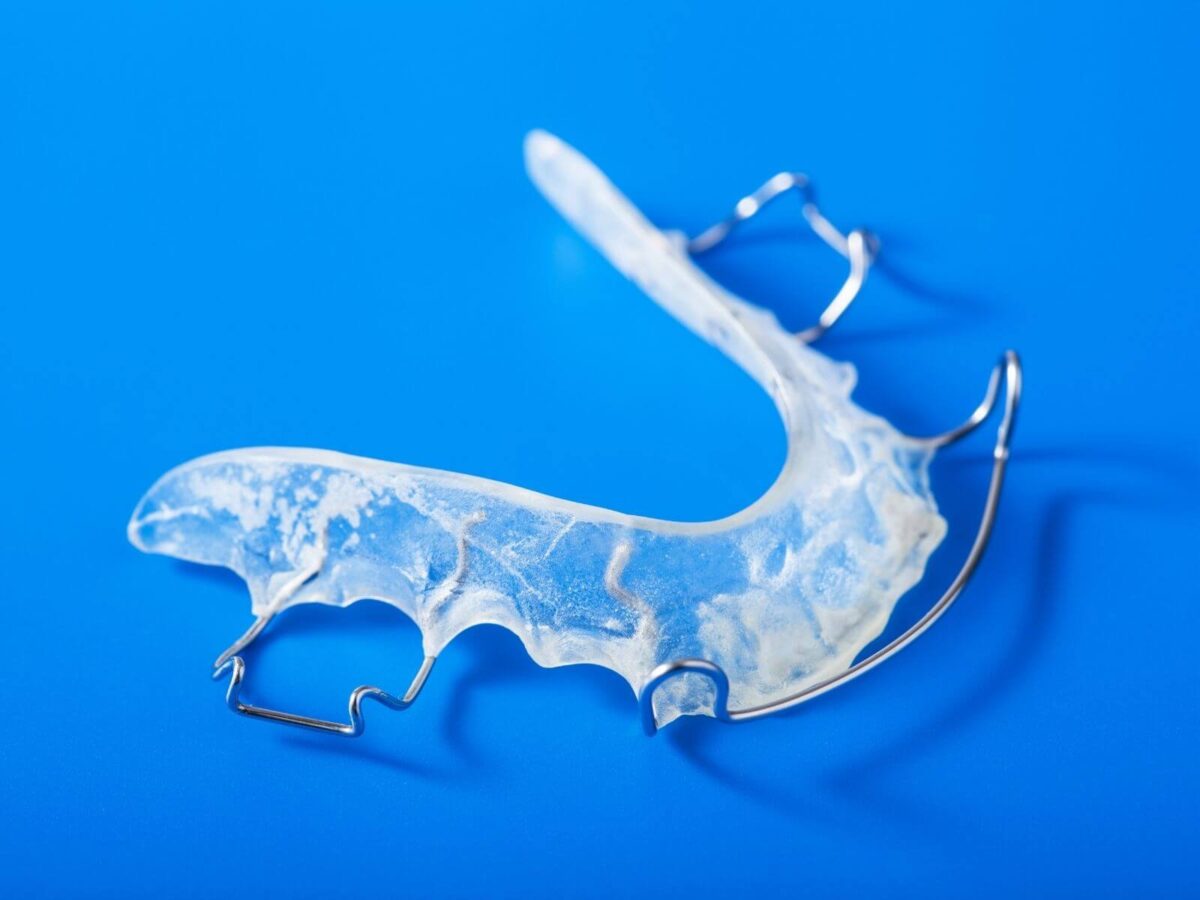
A Crosby Dentist TX tells patients that frequent sipping is like pressing pause on your teeth’s natural recovery. Normally, saliva washes away acids and balances pH. But if juice keeps coming, your mouth never gets the chance to reset.

Enamel Erosion Signs to Watch

Enamel erosion doesn’t show up overnight. It creeps in slowly. In the beginning, teeth may seem less bright or turn a bit yellow, with a sharp twinge from cold ice cream or hot coffee. Over time, sensitivity grows, chips happen more, and cavities form quickly.

Dentists at a Crosby Dental Office TX often say patients are shocked to find multiple cavities during checkups because they thought fruit juice was a safe choice. By then, the enamel damage has already taken hold.

Small Changes That Protect Teeth

The good news? You don’t have to give up juice forever. You just need to be smart. Drink juice in one sitting, not all day long. Use a straw so drinks don’t hit your teeth directly. Rinse with water after, and wait about 30 minutes before brushing to let the enamel harden again.

A Crosby Dentist TX also recommends limiting juice to mealtimes. When eaten with food, the acids don’t linger as long. Pairing juice with water is even better; it dilutes the sugars and acids.

Alternatives to Juice

Whole fruit is always a better option. It gives you the vitamins without stripping away the fiber. Smoothies, if made with whole fruit and not added sugars, are also safer. Water with lemon may seem like a good idea, but it’s acidic too, so you should treat it carefully as well.

Dentists at a Crosby Dental Office TX encourage patients to think of juice as a treat, not an everyday drink. Water should be your main drink for hydration. Milk is another safer option for teeth.

Why Kids Are at Higher Risk

Children are often the biggest juice drinkers. Parents give them juice boxes, thinking it’s better than soda. But for developing teeth, juice is one of the leading causes of decay. A Crosby Dentist TX often sees cavities in children who sip juice daily, especially before bedtime.
Juice before sleep is especially harmful. Saliva production slows at night, so sugar and acid sit on teeth for hours. That’s a recipe for cavities. Dentists strongly advise switching kids to water before bed.

Long-Term Effects

The long-term effect of juice is not just a few cavities. Repeated acid wear leads to thin enamel, which doesn’t come back. That means lifelong sensitivity, more dental treatments, and even crowns or veneers in severe cases.

At a Crosby Dental Office TX, dentists see patients who drank juice daily for decades now struggling with weak, worn-down teeth. It’s a slow process, but the impact is real.

The Bigger Picture

Your mouth doesn’t work in isolation. Gum health, tooth strength, and even jaw alignment are all connected. Constant acid attacks from juice increase your risk of gum inflammation too. Once gums weaken, bacteria can creep deeper, leading to periodontal disease.
A Crosby Dentist TX explains that this is why routine checkups are so important. Dentists can catch enamel wear early and guide you on small habit changes before it turns serious.

Practical Tips from Dentists

Most dentists won’t advise you to cut juice out completely. They know it’s something families enjoy. At a Crosby Dental Office TX, the common advice is to water it down, limit how much is served, and always back it up with good brushing. Daily care and cleanings protect your teeth. It’s simpler to prevent problems than to fix them later.

Takeaway

Fruit juice seems healthy, but your teeth know better. Sugar and acid work together to cause tooth decay from fruit juices and enamel erosion from fruit juice. The more often you sip, the worse the damage gets.

But it’s not all bad news. With good habits, knowledge, and everyday care from a Crosby Dental Office TX, you can enjoy juice without ruining your teeth. If you’ve noticed sensitivity or drink juice a lot, book a visit with a trusted Crosby Dentist TX. Regular visits to a Crosby Dental Office TX help catch enamel issues quickly and keep your smile pretty.

Categories
Dental care

Fluoride Treatments: Are They Still Necessary For Adults?

When people hear the word fluoride, many picture school dental programs or flavored gels given to children during checkups. It feels like something you outgrow. But if you ask a Crosby Dentist TX, about it today, they’ll tell you that fluoride is not only for kids.

Adults need it too, maybe even more than we realize. The benefits of fluoride don’t disappear when childhood ends. If anything, the role changes, and for some people, it becomes even more important.

At a Crosby Dental Office TX, you’ll often find fluoride listed right along with cleanings and exams. That might surprise some adults who think those trays of foam or quick fluoride varnishes are unnecessary once they have a full set of permanent teeth. But teeth age. Gums recede. Every day habits chip away at enamel. That’s why fluoride for teeth in adults is still worth talking about.

The Basics Of Fluoride For Teeth

Fluoride works by strengthening enamel. Think of it as reinforcement for the hardest surface in your body. Think of enamel as your shield. It blocks bacteria and keeps cavities away. The problem? Acids from food, drinks, and plaque chip it away day after day. Teeth lose strength, and decay creeps in. You may not feel it happening, but that slow breakdown puts teeth at risk.

A Crosby Dentist TX might compare it to weather damage on a house. The outer walls take a beating from rain and wind. Without maintenance, they weaken. Fluoride is like sealing those walls. It keeps them tougher and more resistant. That protection is useful whether you’re eight or forty-eight.

Why Adults Still Need Fluoride

One reason fluoride matters for adults is gum recession. As gums pull back, sensitive root surfaces are left exposed. Unlike enamel, root surfaces are softer and more likely to decay. If you’ve ever felt that sharp sting from a cold drink, you already know how fragile those spots really are. A fluoride treatment adds extra defense where it’s needed most.

Another reason is dry mouth. Many adults take medications that reduce saliva flow. Saliva helps wash away bacteria and neutralize acids. Less saliva means a greater chance of cavities. A Crosby Dental Office TX often sees patients who never had many cavities as kids but start getting them later in life. Fluoride for teeth in this stage makes a big difference.

Habits count too. Coffee, wine, sodas, and grazing on snacks leave enamel weaker over time. Fluoride helps counter that daily wear. It doesn’t mean you’ll never get a cavity, but it lowers the risk and buys your teeth more years of strength.
Benefits Of Fluoride Beyond Childhood

People often assume a cavity ends with the filling, but that’s not always true. But decay can start again around fillings and crowns. That’s called recurrent decay. Fluoride helps protect those vulnerable edges. It’s like giving the repair job extra backup.

Fluoride helps with sensitivity, too. Adults who get sudden pain from sweets or cold drinks often find relief with a simple fluoride varnish. It strengthens enamel and covers exposed dentin, lowering how strongly the nerves react.

A Crosby Dentist TX doesn’t just think of fluoride as prevention. They see it as comfort care, too.

The Research On Fluoride For Adults

Plenty of studies back up what dentists see every day. Fluoride treatments for adults lower the chance of cavities and strengthen enamel surfaces. Studies confirm decay risk falls significantly, most notably for patients with dry mouth, gum recession, or those who have several dental restorations.

A Crosby Dental Office TX may recommend fluoride to older patients, not because it’s trendy but because it works. Even small, regular applications, like gels, rinses, or professional varnishes, build noticeable protection.

And despite old myths, the safety record of fluoride is strong. The amounts used in dental offices are controlled and localized, not systemic. That means you’re not swallowing it; it’s painted or applied directly to the teeth.

Who Benefits The Most

Not every adult needs the same level of fluoride care. But certain groups gain more:

  • Adults with a history of cavities.
  • People with dry mouth from medication, illness, or aging.
  • Those with crowns, bridges, or orthodontic work.
  • Seniors with gum recession.

Adults who snack frequently or enjoy acidic drinks.

For these groups, the benefits of fluoride outweigh any doubt. It’s not about over-treating. It’s about smart prevention.

Fluoride at Home or at the Dentist?

Fluoride is in many toothpastes and washes. Using them daily gives baseline protection. But professional applications at a Crosby Dental Office TX deliver a higher, stronger dose. That difference really matters if your teeth are high-risk.

Brushing with fluoride toothpaste is like closing your front door. A fluoride varnish? That’s the deadbolt. Both matter. Together, they keep you safer.

Costs And Value

Some adults get a bit nervous because they see fluoride treatments as an expense. But compared to the cost of fillings or root canals, it’s tiny. A short appointment for fluoride can prevent dental bills that run hundreds or even thousands of dollars later.

Many insurance plans still cover fluoride for adults if the dentist marks it as medically necessary. Even without coverage, patients at a Crosby Dental Office TX often find the treatment affordable. It’s a small upfront cost for peace of mind and long-term savings.

The Emotional Side

For most people, dental care isn’t about numbers; it’s about comfort. Smiling, eating, even just getting through an exam. That’s where fluoride comes in. It may be tiny, but avoiding one cavity or one painful sensitivity matters. Adults especially want to keep their teeth for the long haul. Using fluoride is a simple way of taking control instead of waiting for the next problem.

Choosing The Right Crosby Dentist

When it comes to fluoride for teeth, trust matters. A knowledgeable Crosby Dentist TX won’t recommend it blindly. They’ll look at your history, your lifestyle, and your current dental health. Then they’ll decide if professional fluoride fits your care plan.

At a Crosby Dental Office TX, treatments are tailored. Some patients get fluoride every visit. Others may only need it once a year. It isn’t the same for everyone. Your dental care is unique, and so is how fluoride fits in.

Conclusion

So, does fluoride still matter once you’re an adult? Absolutely. With age, enamel wears down and gums shift. Fluoride keeps teeth stronger and eases those sharp sensitivity twinges.

You won’t see the effects overnight. But give it a few years, and the problems, like cavities, toothaches, and bigger bills at the dentist, show up. A simple preventive step could have made things easier.

If you’ve been unsure, or it’s been years since anyone offered you fluoride, it’s worth asking at your next visit. A Crosby Dentist TX can explain exactly how the benefits of fluoride apply to your teeth today.

Sometimes the little things, like a quick fluoride varnish, end up being the things that keep your smile strong well into the future.

Categories
Dental care

7 Questions To Ask Before Getting Teeth Whitening

A Brighter Smile Sounds Great—But Don’t Rush It

We all know the appeal. A whiter smile feels fresh. It makes you look more confident. You start smiling more often without even realizing it.

But before you jump in and book a treatment, pause for a second. Not all whitening is the same. Not all results last as long. And honestly, not every mouth is ready for it right away.

That’s why a teeth whitening consultation at a trusted Crosby Dental Office TX matters. It’s not just about saying yes or no. It’s about asking the right questions. The better you ask, the better your outcome.

Let’s break down seven questions you should bring up before you start.

1. Is My Mouth Healthy Enough for Whitening?

First fact: Whitening is not necessarily safe. It can be dangerous when you have cavities, the enamel is weak, or the gums have problems. In some situations, it may be worse than helpful.

Think about it. Whitening products work by opening up the pores in your teeth. If those teeth are already sensitive or damaged, that gel can sting. Sometimes badly.

So, when you sit down with a Crosby Dentist TX, ask directly:

  • Are my gums healthy?
  • Do I have any small cavities I don’t know about?
  • Will my enamel handle the treatment?

It’s better to fix problems first, then whiten. That way, the results look better and feel better.

2. Which Whitening Option Is Right for Me?

There isn’t just one kind of whitening. This surprises a lot of people.

You’ve got in-office treatments at places like a Crosby Dental Office TX. Those usually involve stronger gels and sometimes special lights. They give faster results—sometimes in just one session.

Then there are take-home trays. Custom-made by your dentist, with lower-strength gel. You wear them over a period of days or weeks. Slower results, but more control.

And of course, over-the-counter kits. Those strips and generic trays you find in stores. They work, but not as well, and not for everyone.

When you ask about whitening, don’t just think about cost. Find out what’s safest. Ask how long it really lasts. See which option actually fits your daily routine.

3. How White Can I Expect My Teeth to Get?

This one matters. Everyone wants “Hollywood white.” But teeth don’t all whiten the same way.

Natural color, enamel thickness, and even age play a role. Some teeth lift quickly. Others barely budge after several treatments.

A good Crosby Dentist TX will set real expectations. They’ll show you a shade guide. They’ll point out what’s possible and what isn’t. That way, you’re not chasing an unrealistic shade.

Here’s the key: whitening enhances your natural look. It doesn’t create something totally new. Think “refreshed,” not “plastic.”

4. Side Effects of Whitening and How to Handle Them

Whitening treatments are usually safe. That said, they’re not always comfortable.

The most common side effect? Sensitivity. Cold drinks might sting for a few days. Sometimes gums feel irritated if the gel touches them too much.

So ask during your teeth whitening consultation:

  • What side effects should I expect?
  • How long will they last?
  • What products or tricks help ease them?

In the majority of cases, the dentist recommends a toothpaste for sensitivity. They may even prescribe you a fluoride rinse. Sometimes they’ll adjust the treatment strength to keep you comfortable. The important thing is that you know ahead of time.

5. How Long Will the Results Last?

Here’s a big one. Whitening won’t keep your teeth bright forever. Coffee, tea, red wine, and even a few fruits can stain them again over time.
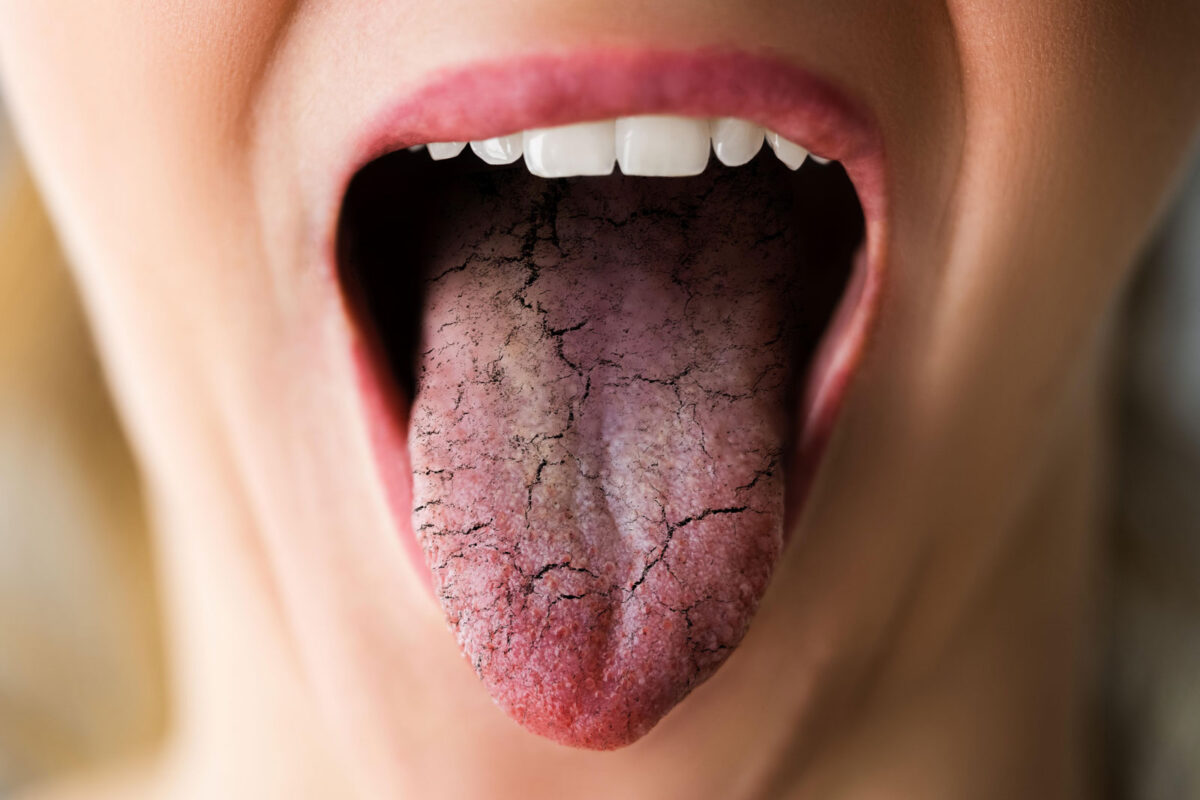
On average, in-office whitening lasts anywhere from six months to two years. Take-home trays can stretch results if you use them for touch-ups.

The key is maintenance. Ask your Crosby Dentist TX what’s realistic for your lifestyle. If you drink coffee every morning, your timeline will be different than someone who doesn’t.

The good news? With smart choices and regular dental cleanings, you can extend the brightness for much longer.

6. Is Professional Whitening Really Worth It Over Store Kits?

Fair question. Store kits are everywhere. They’re cheap. They’re easy to buy. So why bother with professional care?

The difference is in the details. At a Crosby Dental Office TX, you get:

  • Custom trays fit your teeth closely.
  • Stronger, safer whitening gel.
  • Supervision, so you don’t damage your enamel.

Store kits often miss spots. They don’t fit snugly. And the gel is weaker, so results fade faster.

If you’re after a quick boost before an event, store kits might be okay. But if you want safe, lasting results, professional whitening pays off.

7. What Will Whitening Cost Me?

Money always matters. Whitening isn’t usually covered by insurance since it’s cosmetic. Costs vary based on method.

In-office treatments at a Crosby Dental Office TX cost more upfront but deliver faster results. Take-home trays cost less and last longer with proper use. Store kits are the cheapest but need constant repeat purchases.

When you ask about cost, also ask what’s included:

  • Does the price cover follow-up visits?

  • Are touch-ups extra?

  • What happens if sensitivity is bad—do adjustments cost more?

Bonus Question: How Do I Keep My Smile White Afterwards?

Don’t leave your consultation without this answer. Whitening works, but keeping it up is a team effort.

Your dentist might recommend:

  • Brushing after dark-colored foods.

  • Rinsing after coffee or wine.

  • Using a straw for stain-heavy drinks.

  • Scheduling touch-ups every 6–12 months.

They may even suggest dietary tweaks that protect enamel and help the white last longer. It’s all about building a veneer cleaning routine–a style habit for natural teeth.

Professional Whitening Vs. DIY Kits—A Closer Look

Let’s pause and compare again. Professional whitening isn’t just about speed. It’s also about safety.

At our Crosby Dental Office TX, we’ve seen patients come in after DIY attempts with uneven results, irritated gums, or sensitivity so bad they couldn’t finish treatment.

That’s not to scare you, it’s just the reality. Store kits aren’t dangerous for everyone, but they don’t give the same level of oversight. And when it comes to your smile, oversight matters.

Wrapping It All Up

Whitening can shift how you feel about your smile. It can boost confidence, help you look more refreshed, and sometimes push healthier habits.

Don’t rush whitening. Ask questions and know what to expect. At our Crosby Dental Office TX, we guide you every step, from picking the right method to managing sensitivity and protecting results.

Before your visit, ask your Crosby Dentist TX:

  • Is my mouth healthy enough?
  • Which option fits me best?
  • How white can I realistically get?
  • Any side effects?
  • How long will it last?
  • Professional or kit?
  • Total cost?

And yeah, check on long-term care too. That way, you actually know what’s coming. Whitening isn’t just about bright teeth—it’s about a smile that still feels good months down the road.

Categories
Dental care

Why Aesthetic Fillings Are the Ideal Choice for Restoring Your Smile

Old silver fillings tend to catch the eye when you grin. They tend to draw your eye in pictures or when you check yourself out. They work well, but they’re not very subtle. Many people notice that little silver spot right away.

Today, at Crosby Dental Office, TX, more patients prefer a different option. They want fillings that repair the tooth but blend in naturally. That’s why aesthetic dental fillings have become popular; they fix the tooth without drawing attention.

The Big Difference You Can See

Metal fillings are exactly what they sound like, metal. They catch your eye because they look very different from the white enamel of your teeth. Kind of like a patch on a shirt that just doesn’t quite blend in.

On the other hand, aesthetic fillings are made to blend with your natural tooth color. After they’re put in, most people hardly notice them at all. We sculpt them to match the natural contours of your teeth, helping them blend in nearly flawlessly.

We’ve seen patients lean close to the mirror after treatment and ask, “Wait, which tooth did you fix?” That’s how natural these fillings can look, so smooth and subtle that they hardly show at all.

More Than Just Pretty

The fact that aesthetic fillings look great is clear, but that’s just part of the story. These fillings stick directly to your tooth. That means we don’t have to remove as much of your real tooth when placing them.

There’s less drilling involved, so more of your healthy enamel stays safe and sound. Basically, more of your natural tooth stays put.
Many patients who switch from metal to composite fillings notice how much gentler and less invasive the process feels compared to their old fillings.

When Are They The Best Option?

If you have a small or medium cavity, especially somewhere people can see, these fillings are usually the best pick. They blend with your tooth color, making them hard to spot. They’re also good for fixing chips or used in cosmetic treatments.

If your old metal fillings are cracked or you don’t like how they look, switching to these is an easy choice. They look better and help keep more of your real tooth.

What the Process Feels Like

Honestly? Pretty straightforward. We numb the spot, remove the decay, and prepare the filling. Before we begin, we carefully select a color that matches your natural tooth shade. Once finished, you can barely tell anything was done to the tooth.

We shape it, harden it with a special light, and polish it up. You walk out with a tooth that’s ready to chew and a smile that doesn’t look “repaired.”

Yes, They Last

There’s a myth that tooth-colored fillings aren’t as strong as metal ones. That was true decades ago. Now? Not so much. We’ve seen them hold up for years when people take care of them. Brush, floss, and keep your check-ups. That’s really all it takes.

A Friendlier Approach for Your Tooth

Here’s something many people don’t realize: metal fillings require taking out more of your natural tooth to hold them in place. That’s just how they’re made — they need a solid grip, so more drilling is involved.

With aesthetic fillings, things are different. These fillings actually bond directly to your tooth, so we can be much gentler. We only remove the bare minimum to fix the cavity. That way, your tooth stays stronger for longer and stays healthy.

The Confidence Factor

Some people don’t smile in pictures. They don’t like how a metal filling looks. This is often on a front tooth. When the metal filling gets changed to one that matches the tooth, it’s hard to see. That helps people feel better about smiling.

Little changes like this really help. They help you smile more and worry less about your teeth. Feeling good about your smile can change how your day goes.

Comparing Your Choices

Crowns and veneers work well for bigger fixes or major smile changes. But they usually take more time, cost more, and need more work. It’s a bigger deal overall.

If your problem is smaller — like a cavity or a small chip — a filling is often the quicker and easier solution. It costs less, too, which many people appreciate. Another plus? If the filling breaks or wears down later, we can often repair just that section without starting over. This makes it a handy choice that keeps things easy while still doing the job right.

Keeping Them Looking Good

No secret tricks here. Brush twice a day. Floss once. Don’t chew on ice or pens — that goes for your natural teeth, too.

If you grind your teeth, a night guard can protect your fillings and everything else. We’ve made plenty for patients who didn’t even realize they were grinding until we pointed it out.

Great for Teens Too

We use them for younger patients all the time. Teenagers really appreciate not having a visible metal spot in their smile. It’s nice for them to go through school without worrying that their fillings will stand out.

Swapping Out Old Metal

This is one of our favorite parts of the job. People walk in with an old metal filling that’s seen better days. We replace it with a tooth-colored one, and instantly their whole smile looks fresher.

It’s like changing a button that doesn’t match. Now, it fits in perfectly. A small fix, but it makes a big difference.

Worth the Investment

Yes, they can cost more than traditional fillings. But most patients decide it’s worth it for something that lasts, protects the tooth, and looks completely natural.

It’s one of those dental choices where you really do get what you pay for.

Why We Stand By Them

At Crosby Dentist TX, we’ve done thousands of fillings, both metal and aesthetic. And over the years, we’ve seen how patients respond to each.

When they see the final result with aesthetic fillings, their faces light up. It’s not just fixing a problem. It’s giving someone back their smile without a visible reminder of the work.

Conclusion

Got a tooth that needs fixing? Or maybe an old filling that’s bothering you? It could be time to try a filling that matches your tooth.

Your smile is worth protecting. And if we can do that while keeping it natural-looking? Even better.

Sometimes it’s the little stuff, like a filling that just fits, that makes you smile more, and at Crosby Dentist TX, we pay attention to those details.

Categories
Dental care

7 Benefits of Same-Day CEREC Crowns

Crowns used to take forever. If you’ve had one done years ago, you probably remember. You’d go in for the first visit. They’d drill and prep the tooth. Then they’d take that weird goopy mold. Remember that? It was cold. It tasted like rubber. Then you’d leave with a temporary crown. That little piece would pop off at the worst times. Eating. Sleeping. Talking. It was a hassle.

You used to wait weeks while the lab made your permanent crown. Then you’d go back for the second appointment. Finally, you’d get the permanent one. That was the old way.

What Is a CEREC Crown?

It’s a crown crafted right here at the clinic. Same day. Same visit. At our Crosby Dental Office TX, we use CEREC technology to make that happen. No outside lab. No waiting weeks. No temporary crown that falls off.

Here are 7 benefits of CEREC crowns worth knowing:

1. You Get Your Crown in One Visit
This is one of the top reasons people ask for same-day crowns. You come in with a problem. You leave with a real solution. There’s no second appointment to plan. No need to take more time off work. You don’t have to shift things around again. It all gets done while you’re already here. And that kind of convenience really makes a difference.

2. No Goopy Impressions
Nobody likes those old-school molds. The material is thick. It gets everywhere. Sometimes it triggers a gag reflex. With CEREC crowns, we don’t do that anymore.

At our Crosby Dentist, TX office, we use a digital scanner. It’s fast. It’s clean. It’s comfortable. We take images of your tooth. That’s all. The scanner builds a 3D model. Simple and easy.

3. The Crown Fits Better
Better scan means a better fit. Digital impressions are more precise. That’s why CEREC crowns often fit better than lab-made ones.
At our Crosby Dental Office TX, we adjust it right there if needed. We don’t send it back and forth to a lab. We make sure it feels right before you leave.

4. No Temporary Crowns
Temporaries are annoying. They’re only made to last a short time. But they don’t always hold up that long. Sometimes they fall off when you least expect them. Then you’re stuck. You might have to come back. You can’t eat what you want. You keep thinking it’ll pop off again. It’s frustrating.

With same-day CEREC crowns, you skip all of that. You don’t need a temporary at all. You get your real crown that same day. That means no stress. No waiting. No second trip. Just one visit, and it’s done.

5. It’s Just as Strong as a Traditional Crown
People sometimes ask us if CEREC crowns are weaker. The answer is no. They’re built from strong ceramic, just like the ones labs create off-site. The material is tough. It holds up well to daily chewing. It’s built for the job.

At our Crosby Dentist, TX office, we take extra care to shape it right. We make sure it fits your bite. We also check the strength before you leave. You don’t have to worry about it breaking easily. It’s meant to last for years.

6. It Looks Natural
Nobody wants a crown that sticks out. It should fit in, not be obvious. CEREC crowns match naturally with your other teeth. We match the color carefully to your natural shade. The ceramic has that same soft shine your enamel has. It reflects light the same way. Once it’s placed, it blends in like a real tooth. That’s how it should look. That’s the goal we aim for every time.

7. It Saves You Time
Time matters. Most people don’t want to miss work more than they have to. Or figure out childcare for two different days. Or spend extra time driving across town. Same-day crown procedures take the pressure off. You come in once. You leave with the crown you need. No follow-up visit. No extra trip.

At our Crosby Dental Office TX, that’s something patients really appreciate. It makes life simpler. And that’s the whole point.

How Does the CEREC Process Work?

It’s simple. First, we numb the area. We prep the tooth by removing the damaged parts. Then we scan the tooth with our digital scanner. The scanner uploads the scan to our system. We design the crown on the screen.

Once ready, we send the design to the milling machine. The unit carves your crown out of a single ceramic block. It takes about 15 minutes. Then we check the fit carefully before placing it. We make small adjustments if needed. Then we cement it in place. Done.

Are CEREC Crowns Right for Everyone?

Most people can get them. But not every case is the same. If the damage is below the gum line? A lab crown is better. If you grind your teeth a lot, we’ll look at that too. At our Crosby Dentist, TX office, we’ll check your tooth and let you know. We always explain your options.

How Long Can a CEREC Crown Hold Up?

Same as regular crowns. With proper upkeep, they may last around 10 to 15 years. Sometimes longer. Brush twice a day. Floss every night. Don’t skip dental cleanings. If you do all that, your CEREC crown will hold up just fine.

Conclusion

Dental technology has come a long way. Crowns don’t have to take weeks anymore. At our Crosby Dental Office in TX, CEREC crowns keep it easy. You get a new crown in one visit. It looks natural. It feels great. It lasts a long time.

If you’ve been told you need a crown, let’s chat. We’ll check your tooth. We’ll explain everything. No pressure. Just honest answers. Because your time matters. And so does your smile.

Categories
Dental care

Can Posture Affect Your Jaw Pain?

Okay, let’s pause for a second, because this one doesn’t get talked about much. Jaw pain and posture. Kind of sounds like two totally unrelated things, doesn’t it? But hang on, they’re more connected than you might think. But actually, they’re connected more than people realize. 

Many people believe their jaw hurts because they grind their teeth. Or maybe they chewed something too hard. Or they’re just stressed out, clenching all day. And yes, those things do cause jaw pain. But here’s the part nobody talks about enough. It could be your posture.

Wait—How Does Posture Even Affect Your Jaw?

I know. It sounds strange. Like, what does my slouchy couch posture have to do with my face? But your body isn’t a bunch of separate parts. It’s all connected. Your jaw isn’t just floating out there on its own. It’s connected to your head. Which is connected to your neck. Which is connected to your shoulders. Which, surprise, are connected to how you sit and stand all day.

So when you slump? Or tilt your head down while staring at your phone? Your jaw shifts, too. It starts working harder just to stay lined up. And that’s when TMJ posture pain starts creeping in.

What’s TMJ Again?

TMJ is just short for temporomandibular joint. That’s the part where your jaw hooks into your skull. Right by your ears. It’s like a hinge. It lets you chew and talk. It also lets you yawn and sing loudly when you’re alone in the car. All the stuff we do without thinking. Until it starts hurting. Then it’s all you think about.

How Does Your Posture End Up Hurting Your Jaw?

Picture this. You’re sitting at your desk. Or scrolling on your phone. Or curled up on the couch with your chin basically touching your chest. Your shoulders are rounded. Your head is leaning forward. That position? It messes with your neck muscles. They tighten up. And since your jaw’s connected to all of that, it can get yanked out of alignment too, not exactly where it wants to be.

Little by little, it adds up. That’s why people get poor posture and jaw pain without even realizing it. It’s not like your jaw suddenly decides to hurt for no reason. It’s your body going, “Hey, could you maybe sit like a human for once?”

What Does Posture-Related Jaw Pain Feel Like?

Most people don’t wake up thinking, “Ah yes, my forward head posture is acting up again.” But you might notice things like:

  • A dull ache around your ears
  • Your jaw clicks or pops when you eat
  • Headaches starting at the base of your skull
  • Neck and shoulder tightness that won’t go away
  • Feeling like your jaw is stuck or just… off 

Sometimes it even feels like ear pain. But when you go to the doctor, they’re like, “Nope, your ears are fine.” That’s usually when your Crosby Dentist TX steps in and says, “Hey, let’s check your jaw and your posture too.”

Is This a Phone Problem?

Oh absolutely. Big time. We all spend too much time hunched over screens. Phones. Laptops. Tablets. Nobody’s sitting upright with perfect posture when they’re doom-scrolling at 11 PM. So yes, TMJ posture pain is kind of a “modern life” problem.

What Can You Actually Do About It?

Here’s the good news. You don’t need a wild posture bootcamp or an expensive ergonomic chair to feel better. It’s about small stuff. Start noticing how you’re sitting. Are you hunched over like a turtle? Is your head sticking out like a chicken’s? Ever catch yourself clenching your teeth when you’re deep in focus? We’ve all done it.

Try This

Okay, try this real quick. Right now. Keep your back straight. But don’t lock up. Stay loose. Let your shoulders relax. Pretend there’s a string pulling you up from the top of your head. Bring your chin back just a tiny bit. Like you’re trying to make a double chin, but not all the way. Now check your teeth. Are they touching? They shouldn’t be.

Let your tongue rest gently against the top of your mouth. Let your jaw relax. This is called the “jaw rest position.” Your Crosby Dental Office TX will probably show you this at your next visit, too.

What About Screens?

Yes, the screens aren’t going away. Just hold your phone higher while texting. Prop up your laptop a little so you’re not bending forward. Take breaks. Stand up. Stretch your neck and shoulders. Even a minute or two helps.

Should You See a Dentist for This?

If your jaw’s been giving you trouble for a bit? Go see a Crosby Dentist TX. They’ll check if it’s TMJ. And if posture is part of the problem. Sometimes you’ll need a night guard. Sometimes you just need to change the way you sit, stand, and chew. They’ll help you figure it out.

What If You’re a Jaw Clencher?

A lot of folks clench their jaw and don’t even know it. Especially when stress creeps in. Or working. Or driving. So pay attention. If you catch yourself clenching? Stop. Put your tongue back on the roof of your mouth. Breathe. Relax your face. It takes practice. But it makes a difference.

The Bottom Line

So, can your posture cause jaw pain? Absolutely. Your jaw, your neck, your shoulders, it’s all part of the same system. Bad posture leads to tension. This leads to jaw problems. Which leads to you Googling “Why does my face hurt?” at 2 AM.

The good news? You can fix it. Start sitting better. Take screen breaks. Keep your jaw loose when you’re not chewing. And if that soreness just keeps hanging around? Your Crosby Dental Office TX is there to help. No judgment. 

Categories
Dental care

5 Incredible Advances In Orthodontic Technology

Braces Have Come a Long Way, And That’s an Understatement

If you’re picturing headgear and clunky metal when you hear the word “braces,” You’re not alone. A lot of people still think orthodontic treatments look like they did in the ’90s. But here’s the truth: Things have changed big time. And if you’ve been putting off treatment because of how it “used to be,”

You’re going to be surprised by what’s available now. Today’s tools are smarter, smaller, faster, and a whole lot more comfortable. And your local Crosby Dentist, TX, is probably already using them. So let’s walk through what’s new. What’s possible? And why orthodontics today looks almost nothing like it did even ten years ago.

1. Clear Aligners Are Taking Over, And That’s a Good Thing

Let’s begin with the clear standout: Clear aligners.
Chances are, you’ve come across Invisalign or something similar. But here’s what people don’t always realize. They’ve seriously advanced. These aren’t just simple trays anymore. They’re made with smart materials that keep working, gently moving your teeth bit by bit.

They’re not just for tiny gaps either. They can fix crowded teeth, bite issues, and more. The best thing? It’s tough for anyone to tell you’re wearing them. You can pop them out when it’s time to eat. Cleaning them is super simple. They won’t bug you when you’re out with friends. And you don’t have to worry about them showing in photos. For people who aren’t into braces, this feels like freedom.

Your Crosby Dental Office TX, can help you figure out if they’re a good fit. You can even get a quick digital look at how your smile might turn out. Seeing where you’re headed makes the process feel way less overwhelming, and maybe even something to look forward to.

2. 3D Scanning Means No More Goopy Molds

Remember those trays packed with thick, minty goop? You’d bite down and just hope for the best. It was hard not to gag. You’d pray it wouldn’t slide down your throat or spill everywhere. And waiting for it to set? That felt like it took forever. Honestly, most people dreaded that part. Good news? Those days are mostly gone now.

A lot of dental offices use small tools called intraoral scanners these days. They’re like little cameras that glide around your teeth and quickly scan your whole mouth in just minutes. No more sticky mess. You can breathe easy now. No more squeezing your jaw tight while you wait. It’s fast, simple, and feels a lot better.

The best part? They’re much more precise than those messy molds from back in the day. Your Crosby Dentist, TX, can use these digital scans to build custom aligners, retainers, and even help set up braces with a perfect fit. Everything lines up just right. Honestly, once you’ve had this done, you’ll probably wonder why we ever did it any other way.

3. Braces Are Smaller, Smarter, and Way More Comfortable

Braces used to be big, shiny, and full of thick wires that scraped your cheeks. They stuck out and were tough to miss. But that’s not how they are now.

Braces these days are tiny, softer, and way easier to wear. Some are even clear or made with ceramic, so they match your teeth much better. The wires are gentler, too. They move your teeth faster but with less pressure. Basically, you’ll be making fewer visits and feeling a whole lot less sore.

When you visit a Crosby Dental Office, TX, they can show you options you probably didn’t even know were out there. Braces have come a long way, and that makes the whole process a lot easier now.

4. Remote Monitoring Is Real, and Super Convenient

Here’s something pretty cool: you might not need to show up for every single appointment anymore. Some newer orthodontic treatments now let you check in remotely. It’s as simple as snapping a photo of your teeth at home, sending it in, and your dentist can look it over without you even stepping into the office.

Now, this doesn’t completely replace in-person visits. You’ll still need to go in sometimes, especially when something needs adjusting. For those ‘all good’ moments, it saves you the trip. Super helpful for busy parents, students, or anyone with a packed day.
Ask your Crosby Dentist, TX, if this is something they offer. It could save you time, make things easier, and keep your treatment moving right along.

5. Faster Results with Smart Tech and Personalized Planning

One of the coolest changes in orthodontics is how fast everything moves now. And no, we’re not talking shortcuts. We’re talking science. New tools help your dentist map out every step of your treatment with really close detail. That means fewer surprises, fewer slowdowns, and a plan that actually fits your mouth. And with the right tech, you might finish months sooner than people did before.

That’s a big deal if you’re trying to get ready for something special like a wedding, graduation, or just life stuff.

If you’re curious how long your treatment might take, your Crosby Dental Office, TX, can map it out for you. Down to the month.

Final Thoughts: This Is Not The Orthodontics You Remember

The old-school stories your cousin told you about her braces? They’re probably outdated. Because orthodontics isn’t stuck in the past. It’s adapting fast, and it’s designed to fit real life now. No matter your age, there’s probably a more comfortable, more discreet option out there for you. No need to figure it out solo.

Set up a visit with your Crosby Dentist, TX. They’ll guide you to what actually works for your smile and your routine. Modern orthodontics goes beyond just moving teeth. It’s about creating a smile you love living with every day.

Categories
Dental care

How Can Plaque Lead to Misaligned Teeth?

You Think It’s Just Plaque, But It’s Not That Simple

Let’s be honest. Most people don’t think twice about plaque. You notice it after meals. Your teeth might feel a little rough or fuzzy, so you rinse and move on. That’s it, right? Wrong. That little layer can quietly cause way more damage than you’d guess.

One day your smile’s straight. Then things shift. Teeth move. You start wondering what happened. Here’s something most people don’t know: plaque can actually lead to misaligned teeth.

Plaque Isn’t Just Ugly—It’s Active

This isn’t some dried-up crust. Plaque is alive. It’s a sticky layer of bacteria that stays on your teeth throughout the day. Every time you eat, it feeds on leftovers, sugar, and starch. Then it grows and spreads like it’s got a job to do. If you don’t clean it off, it starts to harden. Now it’s tartar. And tartar? That’s not going anywhere without a dentist’s tools.

That’s where the trouble starts. And Crosby Dentist TX, experts see this all the time.

It Goes Below the Gums, and That’s Where It Gets Ugly

Once it settles in, plaque doesn’t stay above the gumline. It creeps down. Quietly. No pain at first, so you don’t even notice. But underneath, it starts a fight with your gums. They swell. They get tender. They might bleed a little. This is early gum disease, and it’s a big deal.

Your gums keep your teeth steady and in place. When they get weak or pull back, your teeth lose their support. Then they begin to drift. And that’s one of the sneakiest misaligned teeth causes. No braces, no accident, just buildup.

Shifting Teeth Doesn’t Happen All at Once

It starts small. A little gap that wasn’t there last year. Food starts getting stuck in weird spots. Brushing feels different, like your teeth moved slightly. You might think you’re imagining it. You’re not. Your bite can go off balance. Your jaw gets sore. Suddenly, smiling or chewing feels a little uncomfortable. That’s how it starts. And once things shift, fixing them gets expensive fast. Unless you catch it early, while it’s still just about keeping your gums clean.

Adults Deal With This More Than You’d Think

People assume only kids need braces. The truth is, adult teeth shift all the time, and plaque makes it worse. Gums recede more as we age, especially if oral care slips even a little. That small gum loss creates wiggle room, literally. And if you’ve skipped a few cleanings? The damage piles up without saying a word.

Your Crosby Dental Office TX knows this better than anyone. They see healthy teeth that have gone crooked just from plaque and neglect.

What Makes Oral Hygiene So Important?

Here’s what most folks forget. Plaque forms every single day. It’s not a once-a-week problem. You brush it off at night, and it comes back by morning. Miss a few days? It starts hardening into tartar, especially near the gums. And once tartar is there, your toothbrush is useless against it. Only a hygienist can scrape it off without hurting your teeth.

That’s why your brushing and flossing each day actually makes a big difference. Every little bit of plaque you miss can turn into a real problem.

A Shift in One Tooth Affects the Rest

One tooth leaning the wrong way? It sounds small. But your teeth are a team. When one starts pushing, the others react. They lean into new spaces. The pressure spreads across your jaw. Your chewing gets off, and your bite stops landing right. You might clench or grind without knowing. That’s when the soreness starts, along with headaches and sometimes cracked teeth. It all started with plaque you didn’t know was still there.

Why Cleanings Make a Real Difference

Let’s say you brush. You floss. You use mouthwash sometimes. Even with all that, you’re still missing some spots. Plaque sneaks into places your toothbrush just can’t get to. That’s why cleanings twice a year aren’t just a suggestion. They’re a line of defense.
Your Crosby Dentist TX can spot early signs of shifting. They’ll catch gum issues before they get worse. And they’ll help stop your smile from going sideways, literally.

Can You Fix It Once Teeth Start to Move?

Yes, but don’t wait. If you catch it early, deep cleaning and home care might stop the shift. But if it’s already affecting your bite, you’ll need more help. Maybe aligners. Maybe braces again. Maybe gum treatment first.

The key is: don’t let it keep going. Teeth never shift back on their own. Talk to your Crosby Dental Office TX, before it gets worse. They’ll know exactly what to do next.

Misaligned Teeth Aren’t Always About Genetics

Some people blame their parents. “My teeth just grew in this way.” But that’s not always true. Even straight teeth can go crooked from poor gum health. And gum health is often all about plaque.

So the real cause might not be your genes. It might be your toothbrush routine. The most common misaligned teeth causes aren’t genetic at all. They’re built up slowly, day by day, with skipped flossing and missed cleanings.

Final Thoughts. Protect Your Smile Before It Shifts

Plaque is sneaky. It hides in corners. It gets stronger over time. If you don’t stop it, it can change your entire bite without you realizing it. Your gums are the foundation. And if they’re weak, your teeth start to wander.One simple visit might save you from years of pain and costly dental work.
So here’s the takeaway: don’t wait. Start brushing better. Floss, even on the days you don’t want to. And make sure you visit your Crosby Dentist TX, before things shift too far. Your smile deserves that much, doesn’t it?

Categories
Dental care

Everything You Need To Know About Cosmetic Dental Services

We may not see the extent to which our smiles reflect us. Smiling is the first thing people notice about you. You are not the only one who is not confident about the appearance of your teeth. Many people go through the same thing. So, cosmetic dentistry is here to help improve your smile.

Cosmetic work goes a bit beyond that. It’s about how you feel, too. But it’s not just about looks. Some treatments help your teeth work better. Straightening teeth can make your bite stronger. Fixing cracks stops more damage from happening. It’s really about making things look good and work well.

Many people stop by Crosby Dental Office TX, hoping to improve their smile. Maybe your teeth seem a bit dull. Or a small crack gets your attention. The goal is to fix every situation.

Types of Cosmetic Dentistry Services

Teeth Whitening That Works

You’ve probably seen whitening strips at the drugstore. They work okay, but if you’re after real results, professional whitening is the way to go. At Crosby Dental Office TX, we offer in-office teeth whitening that can make your teeth several shades brighter in just one session.
Coffee, wine, soda—even time—can all leave stains. Whitening lifts those away, leaving your teeth clean, fresh, and noticeably whiter. It’s one of the quickest and most affordable ways to upgrade your smile.

Veneers for a Polished Finish

Veneers provide a new look for your teeth. Covering the front of your teeth with such ultra-thin shells helps to change their appearance in an instant.

They are useful for repairing spaces, cracks, discolored parts, and uneven edges. Best part? Since they are custom-made, they will match the rest of your hair well.

Quick Fixes with Dental Bonding

Is there a little crack in your filling that you keep noticing? Dental bonding might be the fix you didn’t know you needed. Your Crosby Dentist TX applies a tooth-colored resin and shapes it to match the surrounding teeth. It’s fast, painless, and done in a single visit.

Bonding is perfect when you just want to fix the little stuff. It works well for small flaws without needing anything too major. If you’re after fast results without a big procedure, this might be the way to go.

Straightening Without Braces

Let’s be honest—most adults aren’t thrilled about wearing metal braces. Because of this, many people have chosen clear aligners. They consist of clear trays that gradually straighten your teeth. You can take them out to eat or brush, which makes life easier. They’re low-key, comfy, and a solid choice for anyone who wants straighter teeth without all the wires.

Gum Contouring for a Balanced Look

A few people find that their gums are too prominent in their smiles. Gum contouring might be the right choice if any of the above sounds familiar to you. When gums fall in place, your teeth appear more prominent, and your smile is balanced.

Is it Right for You?

Are you not happy with how your teeth look? We will solve it for you. Still, you should make sure your teeth and gums are healthy before you begin. If you have any gum issues or cavities, we will treat those immediately.

At Crosby Dental Office TX, we want to find out your goals for improvement. After that, we’ll outline the options available to you. We work towards making a plan that helps you and suits you.

What to Expect During the Process

Everything begins with a simple chat. When you stop by, your dentist will ask what you’d like to change. We might take digital X-rays or impressions to get a better look. Once we’ve got that, we’ll go over the choices together. Some things—like bonding or whitening—can be done right away. Others, like veneers or clear aligners, might take a little more time. But whatever the plan is, you’ll always know what’s coming next.

Why Choose Crosby Dental Office TX?

Outcome matters, but the experience is important too. Our Crosby Dental Office TX believes in supporting people as if they are a part of our family. We will never try to persuade you to receive a treatment that you don’t want.

We use innovative software and offer personal service. Both whitening and smile makeovers are simple and less stressful when you visit us.

Keeping That Smile Bright

Once you’ve invested in your smile, you’ll want to keep it looking great. Here are a few tips:

  • Brush twice a day (no exceptions)
  • Floss—yes, really—every night
  • Cut back on stain-causing drinks like coffee and red wine
  • Visit us twice yearly for exams and cleanings.
  • Ask about a night guard if you grind your teeth

A little maintenance goes a long way in preserving your results.
Talking Money and Options

Cosmetic dentistry isn’t always something insurance covers. Still, this doesn’t make it impossible for everyone.

At Crosby Dental Office TX, we’ve got payment options to help make it work with your budget.

When you come in for a visit, we’ll talk through the costs and payment plans. Everything’s laid out up front—no surprises later.

Wrapping It Up

This isn’t about chasing perfect teeth. It’s about feeling good when you smile. Maybe you just want a small change. Or maybe you’re thinking about a bigger transformation. Either way, there’s likely a treatment that fits what you need—and when you need it.

If you’re ready to get started, Crosby Dental Office TX is here for you. Whether it’s whitening, veneers, or something more, we’ll help you find what works best and guide you through it.

Your dream smile is closer than you think.

Schedule your visit today with your trusted Crosby Dentist TX, and let’s talk about what cosmetic dentistry can do for you.

Categories
Dental care

How Family Dentistry Creates A Healthy Smile For Generations

Our lives often center on a smile. It is the one thing that makes a strong impact on people. It gives people a sense of security. But behind every strong, healthy smile is a foundation of care, often passed down from one generation to the next.

At the heart of that journey? A good family dentist.

When you walk into a familiar office where the staff knows your name—and maybe even remembers your kids’ birthdays—it doesn’t just feel good. It changes how you approach your oral health. That’s the power of family dental care, and that’s exactly what we believe in at Crosby Family Dentist.

Why Family Dentistry Matters—More Than You Think

Family dentistry isn’t just about convenience (though, yes, it’s great when you can book everyone’s appointments on the same day). It’s about continuity. It’s about trust.

When one office cares for both children and adults, your dental history is in one place. That means better diagnosis, consistent treatment, and a deeper understanding of your family’s oral health patterns. If Mom had early gum problems and her kids show early signs too, the dentist is already on top of it. This kind of long-term insight leads to better outcomes.

Creating Habits Early, Keeping Them Strong

Children who start visiting the dentist young tend to grow into adults who don’t fear the chair. And when kids see their parents getting regular checkups? It becomes routine.

At Crosby Family Dentist, we’ve watched little ones come in holding their parents’ hands, only to grow up and bring in kids of their own. It’s a full circle. And it starts with creating positive, reassuring dental experiences from day one.

Personalized Preventive Care at Every Age

Your dental needs evolve as you grow older.

A child could discover their first cavity. A teenager might benefit from orthodontic treatment. Gum problems and damage to tooth enamel are common in adults. And seniors? They might be dealing with dentures or a deteriorating jawbone.

Family dentistry works with your needs throughout your life. There’s no one-size-fits-all here. Your doctor designs a plan that fits your age, life, and daily routines.

That’s when preventive dental care steps into the spotlight. We want to protect your teeth from issues before they arise. Doing these basics is essential for keeping your mouth healthy. They can help shield your teeth against damage at any age.

Building a Relationship With Your Dentist

You wouldn’t trust a stranger with your child’s health—or your own. The same goes for your smile.

Your family dentist will be vital for maintaining your dental health as you age. They’re someone who knows your story. They monitor for any problems caused by overcrowding in your child’s teeth. They remember that your teen is anxious about dental work and go the extra mile to help. That relationship creates trust.

As Crosby Dentist TX, we don’t believe in rushing our patients or speeding through treatments. We spend the time needed to build connections with them. It’s how meaningful care starts.

Making Dental Visits Less Scary

Many people find dental checkups and cleanings less than enjoyable. Yet, it’s a good experience when you all go together and feel comfortable around the staff. That fear starts to fade.

Family dentists are trained to treat patients of all ages, including children with dental anxiety or seniors with mobility challenges. We adjust our approach for each person. And sometimes, that means just taking the time to explain things gently or offer a warm smile and a little reassurance.

This personalized approach makes a huge difference. A calm, caring environment creates lifelong comfort with oral care, and that can transform someone’s health for years to come.

One Dental Home for All Your Needs

Think about having to go to three different practices for your child’s sealant, your spouse’s root canal, and your cleaning. It’s exhausting.
Thus, having all dental needs taken care of in one place draws many families to family dentistry.

Whatever your dental needs, family dentistry covers the whole spectrum. That frees up your schedule, lowers anxiety, and guarantees your family receives the highest quality of care.

Are you in need of specialized care? We will connect you with an expert who is fully qualified to assist you. No guesswork. No worry.

Prevention Is The Best Investment

There’s a simple truth we see play out every day: regular care prevents expensive problems later on.

Skipping checkups to save a few dollars today can lead to root canals or extractions down the road. And not treating a child’s minor tooth issue early could turn into an orthodontic nightmare in their teens.

Keeping your dental health as a top priority is the best choice you can make. It keeps your family’s smiles bright and your costs low.
That’s why we encourage checkups every six months. It’s a simple change that has a significant impact.

Passing Down a Legacy of Health

Healthy habits tend to stick when they’re part of the family rhythm. When your kids grow up watching you take care of your teeth, they follow that example. When they learn that the dentist is there to help, not hurt, they carry that mindset with them.

Generational dental care doesn’t just keep mouths clean—it builds a legacy. A legacy of wellness. That’s the future we love building here at Crosby Family Dentist.

Your Family Deserves a Dental Home

Whether you’ve just moved to the area or you’re looking to simplify dental care for the whole family, finding the right dental home makes all the difference.

Every patient at Crosby Dentist TX is treated as our own family. Our team is here to support you at every step as you experience all the joys along the way. One smile at a time.

Categories
Dental care

Root Canal Recovery: Tips For A Smooth Healing Process

So, you just finished your root canal. Finally, right? No more drills, no more holding your mouth open for an hour. You could feel better and still have questions, and that’s completely normal.

What happens next? What should you do at home? How do you make sure you heal the right way?

That’s why your Crosby Dentist, TX, wants you to know the essentials. Let’s go over them. Step by step.

What To Expect After the Procedure?

First things first. Expect soreness.

Even though the nerve inside the tooth is gone, the tissue around it is still sensitive. Your body is adjusting.

You might feel tenderness when biting. Maybe some swelling. Maybe a little weirdness in your jaw. That’s normal.

Usually, this fades in a few days. But if pain worsens or swelling grows? If you get a fever? You need to call your Crosby Dental Office, TX, right away.

Don’t wait and hope it gets better. Early attention can prevent bigger problems.

Follow Every Aftercare Instruction

Yes, I know. We all think we know best sometimes. But here’s the truth: your dentist’s recovery care advice matters.

Maybe your dentist told you to stick to the other side when you eat. Do it. Maybe they told you to rinse gently. Follow through.

Skipping steps might seem harmless. But it can undo your progress. It’s not just a matter of time; healing requires doing the right things.

So, if they gave you written instructions? Read them twice. If you’re unsure about anything? Call and ask.

How to Handle the Pain

A little discomfort? Totally normal.

Most people do fine with over-the-counter meds like ibuprofen or acetaminophen. Stick to the package directions. Don’t assume taking more will make you heal faster.

Also, be careful mixing medications. Only combine them if your dentist or doctor says it’s safe.

If pain lasts longer than a few days? Or gets worse instead of better? That’s your cue to check in. Your body’s giving you some signals you should pay attention to.

Rest

You might feel like you’re okay. Maybe you want to jump back into work or chores. But wait.

Give your body time to recover. Taking just a day or two to rest can make a bigger difference than you realize. Don’t rush back to the gym immediately. Skip the heavy lifting.

Take it slow. Watch a movie. Nap if you want. Give your body the chance to use that energy for recovery. You’ll bounce back faster when you respect what your body needs now.

Eat Soft, Gentle Foods

Food might not seem like a big deal, but it matters.

Try to stick with soft foods for the first couple of days. Foods like eggs and yogurt are perfect. Smoothies and soups also work.

Avoid crunchy foods like chips. Skip sticky candies or chewing gum. If you can, try biting using the other side of your mouth.

Your treated tooth is still adjusting. Protecting it now means fewer problems later.

Keep Your Mouth Clean, But Go Gently

It is crucial to take care of your teeth once the procedure is over. But just make sure you’re being gentle.

Use a soft toothbrush. Don’t scrub hard around the treated area. Brush gently, rinse softly, and keep things clean without overdoing it.

Mouthwashes with alcohol? Only if your dentist says it’s okay. Strong mouthwashes can bother your healing gums.
Clean, but gentle — that’s your goal.

Don’t Skip That Follow-Up

You might feel fine. Maybe you’re thinking about skipping your visit. Here’s the key point: your next visit is crucial.

Your Crosby Dentist, TX, will check how the tooth is healing.

They’ll usually fit a permanent crown too. That crown is essential. It strengthens the tooth, protects it, and keeps it working like normal.

Without it? Your tooth might be at a higher risk of cracking or breaking. Skipping the follow-up could waste all the work you just went through.

So, put it on your calendar. Make sure you go.

Avoid Smoking and Drinking for Now

If you’re a smoker, try to pause for a few days. Smoking slows healing by cutting down blood flow. It also raises the risk of infection.

Drinking alcohol? Best to skip that too, at least while you’re healing. Alcohol can irritate the area. It might not play well with pain meds.
A short break from these habits helps your mouth heal faster. It’s worth it.

Watch for Warning Signs

Most people recover without any issues. But you should know which signs mean trouble.

If you notice severe pain that doesn’t fade, swelling that spreads, a fever, or a strange taste or discharge, call your Crosby Dental Office TX right away.

Putting it off can turn a minor issue into something much worse. Acting fast helps keep the healing process on track.

Post-Root Canal Care is the Real Key

Here’s something a lot of people don’t realize: the root canal itself is just step one.

The real success comes from how you care for the tooth afterwards. With proper care, your tooth can remain healthy for years after a root canal. Maybe even for life.

But if you ignore follow-ups, skip hygiene, or chew on the wrong side too soon? Before you know it, you could find yourself back at the dentist’s office.

Final Thoughts

Post-root canal healing can be relatively straightforward. It’s all about small, steady steps.

Rest when you need to. Eat the right foods. Keep the area clean but gentle. Show up for your follow-up visit. And always, always call if something feels wrong.

Your Crosby Dentist TX, is here to help you heal well. Proper care will have you back to smiling, eating with ease, and feeling confident before you know it.

Categories
Dental care

How Often Should You Replace Your Toothbrush?

Seriously now—when did you last swap out that sad toothbrush of yours? Be honest. If you’re squinting at your bathroom counter right now, trying to remember, you’re not alone. At our Crosby Dental Office TX, we see toothbrushes that look like they’ve been through a war zone more often than you’d believe.

True story: Last week, a patient proudly told me they’d used the same toothbrush since their college graduation… in 2015. The bristles were practically doing the wave. No judgment — but let’s fix this.

How Often Should You Really Replace Your Toothbrush?

The official answer? Every 3–4 months. The real answer? It depends. Here’s what we tell our Crosby Dentist TX patients:

  • Manual brushes: 3 months max
  • Electric brush heads: Every 2 months (they wear faster)
  • Kids’ brushes: Check monthly (they scrub harder)
  • After being sick: Immediately (germs hide in bristles)

Pro tip: Mark your calendar when you open a new brush. Future-you will thank present-you.

5 Signs Your Toothbrush Needs to Go

Your toothbrush won’t scream “I’m done!” but it gives clear signals:
Bristles doing the splits (frayed = useless cleaning)

  • Funky colors (that pink isn’t raspberry flavor)
  • Weird smells (if it stinks, so does your mouth)
  • Bristles feel mushy (like overcooked spaghetti)
  • You can’t remember buying it (time flies when you’re not brushing properly)

Dentist hack: Hold your brush next to a new one. If it looks like a hedgehog after a hurricane, toss it.

Why This Actually Matters (More Than You Think)

That sad, frayed toothbrush of yours? It’s not just gross—it’s practically useless. You might as well try cleaning your car with a gas station napkin. Sure, you’re putting in the work, but instead of scrubbing away plaque, you’re just pushing it around like that last bit of ketchup on your plate.

I see patients at our Crosby Dental Office TX who swear they brush twice daily but still get cavities. Then I look at their sad, frayed toothbrush and the mystery solves itself. Those flattened bristles can’t possibly clean properly. And when your brush stops working, you instinctively press harder, which just damages your gums.

Scary Fact: Studies have found that old toothbrushes can be crawling with millions of bacteria, including harmful ones like staph and E. coli. That’s why it’s important not only to replace your toothbrush regularly but also to use the right cleaning methods. Knowing the types of toothbrushing techniques can help ensure you’re effectively removing plaque and bacteria without causing damage to your gums or enamel.

Toothbrush Care Tips You’ve Never Heard

At Crosby Dental Office TX, we go beyond “rinse it after use.” Try these:

  • Store upright to dry (no dark, damp cup holders)
  • Try to store it away from the toilet — when you flush, tiny particles can travel up to 6 feet.
  • Don’t share (not even with your spouse — ew)
  • Travel smart (use a vented case, not plastic wrap)

Bonus tip: If your toothbrush could talk, it would beg for retirement after 3 months – listen to it!

The Great Toothbrush Replacement Experiment

We recently challenged 10 patients at our Crosby Dental Office TX to track their brush replacement habits. The results? Eye-opening:

  • Only 2 replaced brushes on time
  • 5 admitted using the same brush for 6+ months
  • 3 didn’t realize electric brush heads needed replacing
  • All 10 reported cleaner-feeling teeth after switching to fresh brushes

Lesson learned: You don’t know how bad your old brush was until you try a new one.

Electric vs. Manual: Replacement Rules

For electric brush users:

  • Replace heads every 2 months
  • Watch for fading colored bristles (they show wear)
  • Buy in bulk to save money

For manual brush fans:

  • Hard bristles aren’t better (they damage gums)
  • Medium or soft is the way to go
  • Consider bamboo handles (eco-friendly)

Fun fact: Electric brush users typically replace heads more often because the wear is more obvious.

Kids’ Toothbrushes Need Extra Attention

Kids are tough on brushes (and not always thorough cleaners). If you’re a parent, here’s a tip from your Crosby, TX dentist:

  • Let them pick designs (more excitement = better care)
  • Check brushes weekly (kids chew bristles)
  • Replace after illnesses (strep germs linger)

Try using a timer app — two minutes can feel like an eternity for kids!
Parent hack: Buy toothbrushes when you buy school supplies — it helps remember to replace them.

What Happens If You Don’t Replace It?

Beyond the ick factor, old brushes:

  • Don’t clean properly (hello, plaque buildup)
  • Can damage gums (frayed bristles = ouch)
  • Spread bacteria (from brush to mouth to brush)
  • Cause bad brushing habits (you compensate by scrubbing too hard)

Real consequence: We often see patients with gum recession who’ve been using the same brush for a year. Coincidence? Nope.

How to Make Your Brush Last Longer

Want to get the most from your brush without overstaying its welcome?

  • Don’t scrub like you’re sanding wood (gentle circles work better)
  • Rinse with hot water (kills some bacteria)
  • Let it air dry completely (no wet, closed containers)
  • Store away from other brushes (no bristle cross-contamination)

Dentist secret: Your brush lasts longer if you floss first — less gunk on bristles.

The Cost of Not Replacing

Let’s talk money:

  • New manual brush: $3–$5
  • Electric brush head: $5–$10
  • Single cavity filling: $150–$400

Math doesn’t lie: Fresh brushes save money long-term.

FAQs From Our Crosby Dental Office TX Patients

Q: Can I disinfect my old brush?
A: Not really. Boiling warps bristles. Just replace it.
Q: What about UV sanitizers?
A: They help between replacements but aren’t a forever solution.
Q: My brush looks fine after 6 months…
A: Trust us — it’s not. Microscopic wear matters.
Q: Should I replace after COVID?
A: Yes! Any illness means new brush time.

Your Action Plan

Check your brush now (be honest about its condition)

Set a reminder (phone alerts work great)

Buy replacements in advance (no excuses)

Final thought: Your toothbrush is the cheapest yet most important tool for your smile. Give it (and your mouth) the fresh start they deserve.

Ready for a checkup? Call Crosby Dental Office TX today — we’ll even give you a new brush at your cleaning!

Categories
Dental care

How To Fix A Gummy Smile Without Surgery

Have you ever stopped yourself from smiling because of your gums? You are not the only one. Every time you feel like smiling, but the thought of your gums being the only visible part of it can be very self-conscious. If your gums show more than your top teeth when you smile, that’s usually what people mean by a gummy smile. And while it’s completely natural, it’s something that can affect confidence for a lot of people.

The good news? You can fix it without surgery. There are many alternative, non-surgical treatments available for ga ummy smile that are safe, effective, and more accessible than ever. Many patients working with professionals like those at a Crosby Dentist TX office are seeing great results without any surgery at all.

Let’s walk through why gummy smiles happen and what you can do about them without needing a scalpel.

What Actually Causes a Gummy Smile?

Let’s know about the causes before we get into the solutions. A gummy smile can come from several things:

  • More than normal gum tissue covering your teeth
  • Short teeth due to genetics, or how your teeth erupted
  • When your lip lifts too much, your gums show more
  • Overactive lip muscles
  • Jaw development that creates more gum exposure

1. Lip-Relaxing Injections (Yes, Like Botox)

One of the most talked-about non-surgical fixes for a gummy smile is something you’ve probably heard of in a totally different context, i.e, Botox.

If injected into specific muscles, it can help reduce how much the lip lifts when you smile. That means less gum exposure, without touching your teeth or gums at all.

While not permanent, many patients at clinics like Crosby Dental Office TX say it’s a great, low-commitment way to test out how a small adjustment can enhance their smile.

2. Laser Gum Contouring

Perfect for those who think their gums are covering their teeth more than they need to.

With laser gum contouring, a dentist uses light energy to smooth out or adjust your gumline. It exposes more of your tooth’s surface without cutting or stitches. That means fast healing and immediate results.

The best part? It’s usually done in one session, and you can go right back to your day afterward.

Laser treatments are becoming more common in smile enhancement, especially for patients who want results but not a full surgery. Your Crosby Dentist, TX, can help determine if you’re a candidate based on how much tissue needs to be removed.

3. Composite Bonding for Tooth Lengthening

Some people naturally have shorter teeth, or they’ve worn down over time, which can make their gums stand out more than they actually do. One way to fix that? Composite bonding. It’s a simple process where a dentist adds a tooth-colored material to your upper teeth to reshape them a bit. That little change helps balance out your smile, so your teeth and gums look more even.

It’s fast, painless, and usually doesn’t even require numbing. Think of it as a cosmetic upgrade that doubles as a gummy smile treatment without needing to touch your gums at all.

4. Orthodontic Treatments

Sometimes, a gummy smile is caused by how your teeth and jaws align. In many cases, the upper jaw is developed in a way that makes the gums more prominent. In others, the teeth have not completely popped out. Clear aligners or braces might help shift things into better positioning.

For these problems, modern orthodontic tools like Invisalign can be helpful. They slowly move your teeth into better alignment, and as that happens, your gums usually become less noticeable when you smile.

Orthodontics as a form of smile enhancement might take longer, but the results are long-lasting and often solve more than just cosmetic concerns.

Consulting with a Crosby Dentist, TX, experienced in aligner-based care is a great way to explore this route.

5. Lip Repositioning Exercises or Therapy

Not a very well-known method, some dentists and specialists may recommend lip training or myofunctional therapy to manage a hyperactive upper lip.

It includes a series of targeted facial exercises that help train the lip to rest lower during a smile, reducing gum visibility naturally over time. This method takes patience and consistency, but for some, it’s a completely non-invasive solution worth trying, especially when paired with other treatments.
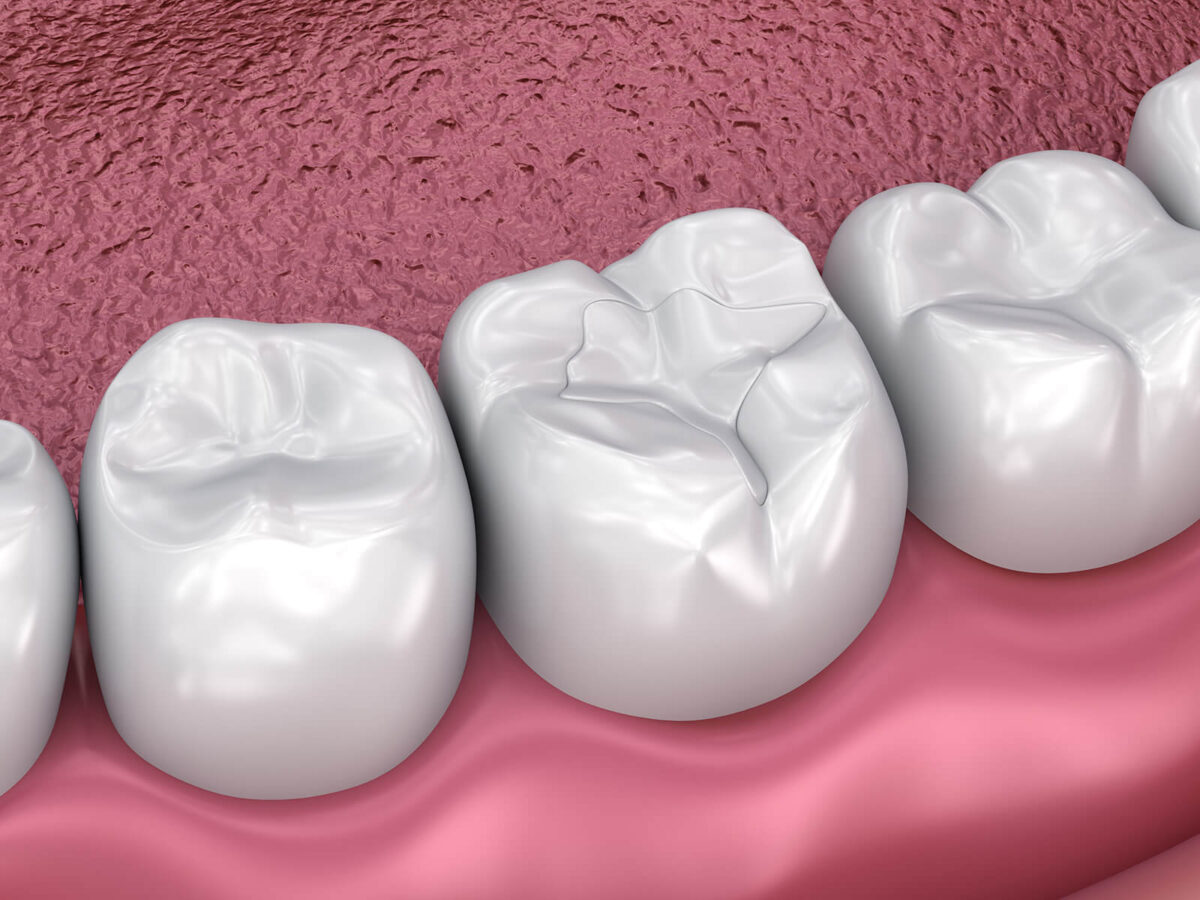
How to Choose the Right Treatment for You

Start by asking yourself a few questions:

  • Is your concern about how high your lip lifts or how short your teeth appear?
  • Do you prefer a fast fix or a slower, long-term option?
  • Are you open to cosmetic fixes like bonding or aligners?
  • Is it absolutely important for you to avoid surgeries, or can you consider it?

The answers will help you narrow things down. Then, a visit to your local Crosby Dental Office, TX can give you a clear treatment plan based on your smile, your comfort level, and your goals.

Why Non-Surgical Gummy Smile Treatment Is Growing

More people are asking about non-surgical options because they’re:

  • Faster and more affordable
  • Lower risk with less downtime
  • Easier to reverse or adjust over time
  • Focused on enhancing, not replacing, what you already have

Plus, many of these techniques are used together to create subtle changes that really add up without ever going near an operating room.

Your Smile, Your Choice, No Surgery Needed

A better smile doesn’t have to mean surgery. Whether it’s Botox, laser contouring, bonding, or aligners, there are multiple ways to treat a gummy smile that are simple, fast, and effective.

If you’ve been hesitating because surgery felt like too much, this is your sign that it doesn’t have to be that complicated. Talk to a Crosby Dentist TX, to figure out what works best for you.

Categories
Dental care

What Are The Pros And Cons of Veneers?

Dental veneers are very thin covers. They are placed on the top of teeth. Usually, they match the color of the teeth they cover. Since veneers only cover the front of the teeth, most people get them to improve their appearance.

Because of this, it might give people a perfect and bright smile. Veneers can cover up teeth that are chipped, broken, unsightly, or not quite the right size. Here are some more reasons suggested by Crosby Dentist TX to choose dental veneers.

Why You Should Choose Veneers

  • An efficient way to hide tooth discolorations and stains brought on by smoking, aging, medication, or other difficult-to-treat conditions is using veneers.
  • Dental veneers will help you have a great smile. These thin shells cover chipping, fissures, gaps, and tooth size or form.
  • When brushing, grinding, or consuming acidic meals, too much effort can destroy tooth enamel. Veneers address cavities, sensitivity, and infections.

Pros of Veneers

Veneers are popular among those wishing to improve their smile since they provide several important advantages. Crosby Dental Office TX suggests these benefits of veneers:

  • Improved Look
    The potential of veneers to change the look of your teeth is among their most obvious benefits. Veneers can solve problems such as discoloration, uneven forms, and unequal sizes, therefore offering a consistent, pleasing look.
  • Good Fix
    Veneers provide a long-lasting fix for damaged teeth, therefore restoring their appearance and usefulness. They may hide chips and cracks and wear so your smile looks as fresh as it did earlier.
  • Covered Gaps
    For people with slight misalignments or gaps between their teeth, veneers provide a fast and efficient fix. Without braces or other orthodontic treatment, they can give the impression of exactly aligned teeth.
  • Long-Lasting
    Stain-resistant materials used to make veneers keep a brilliant, white smile for years. Given proper care, they can last more than ten years; they are a long-term investment in your dental health. Their lifetime makes them a reasonably priced way to keep a nice smile.
  • Least Invasive
    Getting veneers requires just a minor amount of enamel loss and is a minimally invasive procedure. Most patients find the operation comfortable and well-tolerated overall as a result.
  • Pleasant and Painless
    Most patients consider the veneer application process to be easy and somewhat painless. Usually, comfort during the operation is guaranteed by local anesthesia.
  • Easy Maintenance
    Maintaining veneers is easy and quick; no particular cleaning agents are needed. Maintaining the best condition of your veneers just requires following normal dental hygiene standards. Regular brushing, flossing, and frequent dental visits to Crosby Dentist TX will help them to stay looking their best.

Cons of Veneers

Although veneers have many advantages, before choosing this cosmetic dental procedure, one should weigh some negative factors. Some of the cons of veneers suggested by Crosby Dentist TX are:

  • Irreversible Procedure
    As veneers involve removing a thin layer of enamel, they are an irreversible operation. You will always require some kind of covering on the treated teeth, as once this enamel is lost, it cannot be rebuilt. Once veneers are put on, you cannot go back to your original teeth without some kind of restoration therapy, either fresh veneers or crowns.
  • Possibilities for Cracking
    Veneers can still be damaged from biting hard items, notwithstanding their strength. To stop breaking, eliminate practices that include eating ice or using your teeth as instruments.
  • Hard objects can chip or break veneers, calling for replacements or repairs. Maintaining the integrity of your veneers depends on awareness of what you bite into. If a veneer cracks, it will have to be replaced, which can cost more and call for another dental visit.
  • Higher Cost
    Veneers can be expensive, and for many patients, their cost is a major determinant. Further adding to the cost load is dental insurance’s non-coverage of them.
  • Tooth Sensitivity
    Some individuals may feel more sensitive to hot and cold conditions following veneer placement. Usually, for a shorter period, this sensitivity can occasionally last and call for additional therapy.

Conclusion

Veneers can significantly change teeth’s color, form, and size. Those with slight misalignments or gaps, as well as those with chipped, cracked, or damaged teeth, find them especially helpful. Veneers are also stain-resistant against coffee, tea, and other things, unlike natural teeth.

Long-term effects of veneers result in a white and brilliant smile, therefore improving your whole look. To fit the veneers, just a tiny layer of enamel has to be removed, therefore conserving most of your natural teeth structure. This little removal helps your teeth stay healthy.

Although we are closing this chapter on dental veneers, it is evident that these custom-made shells could change lives and faces. Remember that dental veneers have both aesthetic and functional advantages; hence, your choice of one should depend on your particular requirements and taste.

Making the correct choice depends on speaking with a professional Crosby Dentist in TX. Hurry up and book your consultation now!

Categories
Dental care

6 Common Dental Issues That Lead To Toothaches

Many people experience tooth discomfort due to various oral health conditions. The pain level varies between mild discomfort and primary throbbing sensations obstructing your daily routines. You must see your dentist right away to solve that, which leads to tooth pain.

We have listed the most frequent causes of patient tooth pain, including tooth damage, gum troubles, tooth trauma, tooth sensitivity, and misaligned wisdom teeth growth. The medical staff needs to learn about toothache origins to select the ideal method for relieving pain.

1. Cavity/Tooth Decay

More major tooth pain arises from dental cavities than from any other dental condition. Tooth decay mainly develops because you do not regularly brush and floss your teeth. As time goes by, the tooth damage grows more prominent in the inner parts of the tooth. Eating sugary foods together with saliva creates dental harm.

The slow progress of cavity discovery lets dangerous toothaches build more efficiently. Your dentist needs to check your teeth during cleanings. They can spot cavities when they are small and easy to treat. Unattended cavities can spread to the infected tooth. It can lead to either tooth loss or significant health issues.

Apply saltwater to ease your toothache pain until you can get dental help. Dissolve half a teaspoon of salt in 8 ounces of warm water and keep the mix in your mouth before discarding it. Follow this procedure eight times a day.

You should perform this treatment twice every hour according to your needs. If none of these treatments work, place a cold dish towel on your cheek for pain relief.

2. Abscessed Tooth

A pulp chamber infection attacks the root tip and all areas inside your tooth. This can result in:

  • An infected root
  • Swollen gums
  • Severe pain
  • Possible bone loss at the site of the infection

An abscess may occur when a tooth cavity reaches the pulp chamber or when you hit your tooth during dental procedures close to the chamber or during tooth grinding. Call your dentist immediately to examine your tooth if swelling appears alongside marked pain, an infected tooth root, and red, inflamed gums.

Gum swelling

If part of your gum becomes discolored and it enlarges in size, it is a sign of gum swelling.
Your tooth pain worsens when you press directly on the tooth. Regular painkillers do not reduce the constant discomfort in the tooth. The tooth infection pain makes waiting for dental care unendurable when you have an abscessed tooth. Coconut oil lets you handle tooth pain better than waiting for dental care.

Your gum infection will reduce as it heals when you use coconut oil due to its antiseptic properties that remove infected areas. The body uses coconut oil as an internal and external medicine for treatment. Put a tiny dab of coconut oil on your teeth to ease pain, and then take the oil from a spoon or mix it in coffee.

Use a quarter-sized dab of coconut oil to rub the painful areas of your gums and teeth gently. You can also put a small spoonful of coconut oil in your mouth and move it around for 2 minutes. Performing this technique with oil in your mouth makes your teeth healthier and reveals their natural white color.

Although coconut oil exhibits good antiseptic powers, doctors recommend that you visit their office because the infection may return over time.
3. Gum Disease

Gum disease affects 77% of American adults who are 35 years or older. The progression of gum disease starts with gingivitis, which impacts 5% to 15% of individuals.

Poor brushing methods let plaque develop and lead to gum disease.
Normal gingivitis-related pain is absent, but ignoring gum disease will eventually result in tooth loss. Seek an immediate dental appointment and improve your oral care practices once you notice signs of gum disease so these problems can be stopped.

Daily flossing should be paired with effective brushing, and mouthwash should be used with antibacterial ingredients.

4. Injury/Trauma

Moderate toothache pain results from tooth fractures and socket dislocation due to dental injuries. Visiting your dentist immediately is the key initial action following such injuries.

Broken tooth pieces should be kept separately. It prevents them from causing injuries to your tongue, gums, or cheek tissue. Place the existing tooth into its original space and grip it for proper alignment. Put the lost tooth under whole milk before booking an appointment at the dentist.

5. Wisdom Teeth

The time for wisdom teeth extraction has arrived if pain develops in the upper back and bottom molar sections.

Ignoring the removal of your wisdom teeth will lead to intense pain symptoms. The entry of wisdom teeth results in tenderness and redness occurring near your molar region.

An ongoing growth of wisdom teeth produces severe pain, especially if the third molars develop improper alignment or move sideways. When this condition happens, you will encounter nerve pressure and bone pain that can damage adjacent teeth.

You must schedule a consultation at an oral surgeon clinic to plan your wisdom teeth extraction date. The time before surgery requires you to wait while taking a prescription medicine with home remedies for pain management.

Consuming saltwater and coconut oil solution through mouth gargling relieves wisdom tooth pains. You must place an entire clove onto the sore region until your gums experience local numbness.

Massaging problem areas with clove oil will lead to its pain-relieving properties activating. Clove oil and cloves exist in ordinary grocery stores for typical household use.

6. Teeth Grinding/Bruxism

The source of tooth pain related to improper oral care or developing teeth starts from braces. Teeth grinding is an improper dental activity that frequently creates discomfort in the teeth. TMJ-related tooth pain occurs when your jaw joint interferes with the skull connection for eating and speaking operations.

When teeth grinding occurs with jaw clenching, it damages teeth yet produces extra tension on jaw muscles, causing tooth problems and TMJ disorder. Dental splints produced by dentists serve as a treatment solution for patients suffering from TMJ syndrome to reestablish proper alignment of their jaw and lower joints. The stress on the jawbone decreases when patients choose soft foods and apply warm compresses to the jawbone region.

Conclusion

People who wear mouthguards during sleep have protection for their teeth from grinding behavior that happens at night. Consuming green leafy vegetables, fish, and nuts containing vitamins is an effective strategy to fight against calcium deficiency.

People who understand the causes of tooth pain become more capable of performing proper dental protection while also seeking timely medical attention.

You should focus on preventing and identifying potential problems since these measures will shield your smile from experiencing pain. Combining consistent dental inspections with proper oral care practices effectively protects against dental pain and problems. Contact Crosby Dental for all your dental needs.

Categories
Dental care

Choosing The Right Type of Dental Filling For Your Needs

Tooth decay is one of the most common oral problems in adults. Lack of oral hygiene can lead to oral cavities in your mouth. You might need dental fillings if you have severe cavities and it has affected the tooth pulp.

This article will help you understand the importance of dental fillings. You can also learn how dental fillings can protect your teeth. With effective dental procedures, you can protect your teeth for longer and get affordable dental care from the experts. We will also discuss how good oral hygiene and dental checkups prevent tooth decay. Knowing the indications of cavities, you can take the help of Crossby Dentist TX and preserve your dental and general health.

Why Are Dental Fillings Used?

Dental fillings are a material to repair damaged or decayed teeth. They are restorative materials that are filled in empty cavities. It restores oral function and maintains tooth structure. It also protects teeth from further decay and damage. It helps you bite and chew food normally even after severe decay.

If cavities are not treated properly, you might lose your tooth. This is why if you observe decay or damage you need immediate professional attention. Let us explore the steps for the dental filling procedure.

Steps For Dental Filling Procedure

The process to get your cavities filled is a routine procedure. Dentists first check your cavities and decay conditions to analyze if you need dental fillings.

Before the procedure begins, they administer local anesthesia to numb the area around the infected tooth. They then clean the site and use a drill to remove decayed matter.

First, the cavity is cleaned and then the infected pulp is removed. After this, they fill it up with a dental filling. You can choose the dental fillings based on your choice, and budget. Some affordable dental fillings might match your teeth’ color, but might not be long-lasting. While durable filling options might be expensive.

You can check the pros and cons of different dental fillings. This way you can find the right fit for your oral health. Finally, tooth polish to help the damaged tooth to blend seamlessly into your teeth.

Types of Dental Filling

1. Silver Dental Fillings

  • Pros:
    • They are durable. It often lasts 10–15 years or more.
    • Strong enough for fillings in the back teeth, where chewing pressure is highest.
    • Cost-effective compared to other options.
  • Cons:
    • Not aesthetic, as they have a silver color that is visible in the mouth.
    • Contains mercury, which has raised some health concerns (though research suggests it’s safe in dental use).
  • Best as Back teeth (molars), where durability is more important than appearance.

2. Composite Resin Fillings

  • Pros:
    • It is aesthetically pleasing. It can be matched to the color of natural teeth.
    • Bond well to tooth structure, which can provide additional support.
    • Suitable for both front and back teeth.
  • Cons:
    • Less durable than amalgam fillings and may wear out or stain over time.
    • More expensive than amalgam.
  • Best for the Front teeth or visible areas where appearance is important.

3. Ceramic Fillings

It is made from porcelain. It is a durable and tooth-colored material.

  • Pros:
    • It is highly aesthetic and can be matched to the natural teeth color.
    • Resistant to staining and wear.
    • Stronger and more durable than composite resins.
  • Cons:
    • More expensive than amalgam and composite fillings.
    • Can be more brittle than other materials, potentially leading to cracking in large fillings.
  • Best as Front or back teeth where appearance and durability are both important.

4. Gold Fillings

  • Pros:
    • They are extremely durable. It is often 15 years or more.
    • They are resistant to wear.
    • They do not corrode.
    • They do not usually cause allergic reactions.
  • Cons:
    • They are highly visible due to the gold color. It is therefore less ideal for visible areas.
    • Expensive compared to other types of fillings.
    • Requires multiple visits to the dentist (since it’s custom-made).
  • Best for Large cavities in back teeth, where durability is more important than appearance.

5. Glass Ionomer Fillings

A blend of acrylic and glass, which releases fluoride over time.
  • Pros:
    • It releases fluoride. It can help protect the surrounding tooth structure from further decay.
    • They are good for fillings in areas that are not under heavy chewing pressure.
    • Bonds well to tooth structure and can be used in cavities near the gumline.
  • Cons:
    • Less durable and wear-resistant compared to other materials (typically lasts 5–7 years).
    • More prone to chipping and cracking.
  • Best for Small fillings in areas that aren’t exposed to heavy chewing forces, such as in baby teeth or cavities near the gums.

How to Choose The Right Dental Filling?

The right dental filling is not only in your budget but also serves its purpose to protect your teeth. It also provides tooth structure and restores oral function. The severity of the cavity also affects the type of dental filling.

Then comes the location of the damaged tooth. If you need dental fillings in the front teeth, you might need a filling that matches your teeth color. Also, you need to keep in mind the budget. You must discuss your budget constraints with your dentist in advance. This will help your dentist suggest the best alternative option for dental fillings.

Conclusion

A simple way to transform your smile and improve your damaged teeth is to get dental fillings. It is an effective way to maintain your teeth and restore oral function. You might experience mild sensitivity for a few days after the procedure. It faded with time and you can go back to your normal routine.

Despite regular brushing and flossing, you might get tooth decay. This is why you must visit your dentist regularly. Consistent dentist visits and proper oral hygiene routines are two main preventative measures.

You can visit Crossby Dentist TX to get the best dental fillings for cavities. You can avoid dental cavities if you follow effective dental tips. You also need to follow oral hygiene measures to prevent plaque buildup.

Categories
Dental care

What are the Various Advantages of Dental Implants?

Lack of one or more teeth can affect the quality of life you lead. Apart from detrimental consequences on your smile and self-confidence, losing teeth could complicate your speech and food swallowing.

Dental implants offer a long-lasting and reasonably successful alternative for missing teeth replacement. Go on reading to discover the several benefits of dental implants placed by Crosby Dentist in TX.

Definition of Dental Implants

Artificial tooth roots called dental implants are placed into the jawbone to hold the replacement teeth or bridges in place. The implant will finally bond to the jawbone by means of osseointegration, therefore providing a strong and consistent framework for the replacement teeth.

Advantages of Getting Dental Implants

Dental implants offer many advantages when weighed against alternative tooth replacement options. The most striking benefits of dental implants are listed here:

  • Keep Your Face Structured
    The bone surrounding lost teeth undergoes a slow process of deterioration over time. It could change your face’s contour and provide the impression of aging. Dental implants not only assist in stopping bone loss but also help keep your natural face outlines.

  • Guard Your Teeth Against Decay
    Unlike bridges, which involve the loss of excellent teeth, implants do not depend on the support of surrounding teeth to operate. Moreover, implants stop movements or changes in the alignment of the teeth.
  • The Long-lasting solution
    Crosby Dentist TX suggests that implants can exist for a lifetime if they are properly cared for. They offer a long-lasting and permanent replacement for your missing teeth. In contrast to other oral restorations, such as bridges, which may only last between 5 to 7 years, they last for more than 12 to 15 years.
  • Recover Your Beautiful Smile
    Implants are designed to appear, feel, and perform in the same manner as natural teeth. The crowns are made to order so that they are identical in size, shape, and color to the teeth that are around them. A beautiful smile can be restored with the help of implants.
  • Enhance the Clarity of Your Speech
    Slurred or muttered speech can be the result of missing teeth. If you have dental implants, you will be able to speak normally again without having to worry about your teeth falling out or slipping out.
  • Eat Whatever You Want to Eat
    Through the use of dental implants, you will be able to enjoy all of your favorite dishes with pride. Your Crosby Dentist TX will no longer restrict meals that are chewy, crunchy, or hard.
  • Raise Your Self-esteem
    One’s confidence and self-esteem may be much affected by a lost tooth. Once you have implants, you will be able to smile brilliantly once more since they help you to recover your natural smile. It is a wonderful thing for your sense of self-worth.
  • Offer More Comfort than Dentures
    Unlike removable teeth, which usually cause bone discomfort, dental implants are placed straight into the jawbone, just like natural tooth roots. It provides extra comfort by helping them not to rub, slide, or slip out of position.
  • Keep Your Surrounding Teeth Stable
    A missing tooth could lead surrounding teeth to migrate towards the gap. It pushes your teeth out of position, altering your bite, eating ability, and attractiveness. A poor bite can also cause headaches and pain and compromise your temporomandibular joint. Dental implants are the best approach for preventing this problem.

Suitability of Dental Implants

Usually, everyone who is fit enough for oral surgery will be qualified for a dental implant. Patients must have enough bone and good gum to sustain the implant. They also have to be dedicated to maintaining proper dental hygiene and making frequent dental visits.

Patients who have received radiation treatment to the head/neck area, heavy smokers, and those with uncontrolled chronic disorders like diabetes or heart disease should be carefully investigated by their doctor. See a Crosby Dentist in TX to find out whether implants might be suitable for you if you are considering having them.

Final Thoughts

In case you are missing one, several, or all of your natural teeth, implants have the potential to enhance your quality of life significantly. While you smile, oral implants will protect your facial structure as well as any other teeth that are normally healthy.

Implants may endure for the duration of one’s lifetime when they are maintained according to established dental hygiene protocols. Crosby Dental Office TX is the ideal dental clinic to visit if you require information regarding dental procedures or the cost of dental implants.

For the finest precision, Crosby Dentist TX is a professional in dentistry and specializes in implanting teeth. Make an appointment to find out more information.

Categories
Dental care

The Side Effects of Wisdom Tooth Extraction

Wisdom teeth removal is a widely performed surgical intervention. This tooth removal is what people often need when these teeth are inflamed, impacted, or infected. However, some complications may occur after wisdom teeth removal surgery.

Comfort is a very important aspect that any dental practice in Crosby, Texas, should ensure that the patients are given. This article will go over how to handle wisdom teeth, when to get expert assistance, and the results of wisdom tooth removal.

Common Side Effects of Wisdom Tooth Extraction

As with all surgery, there are some wisdom tooth extraction side effects, as discussed below:

1. Pain and Discomfort
Pain is the most common side effect, and it is expected to be felt after a wisdom teeth extraction. Its intensity depends on how complex the extraction is as well as on everyone’s endowment with the ability to endure the pain.

2. Bleeding
In the first 24 hours following wisdom tooth extraction, you will notice that there is often minimal bleeding. However, a doctor must treat severe or continuous bleeding right away.

3. Dry Socket
When the blood clot covering the extraction site dissolves or dislodges too soon, exposing the bone and nerves, a dry socket results. This is a painful ailment that has to be treated by a dentist right away.

Symptoms:

  • Intense pain that becomes worse with time
  • Bad breath in the mouth
  • The visible bone in the socket

4. Infection
Bacteria entering the extraction site result in infection. Some of the symptoms are severe pain, pus discharge, fever, and chronic swelling.

How to prevent and manage:

  • Rinse your mouth gently with warm salt water. This will help you maintain the health of your teeth.
  • Take your medications on time as directed by your dentist.
  • Get in touch with Crosby Dentist TX right away if your symptoms worsen.

5. Jaw Stiffness and Limited Mouth Opening
Some patients may have a stiff jaw after surgery. This change makes it hard to open their mouth. This happens because the muscles near the removed tooth become swollen.

How to manage:

  • Use a warm compress following the first 48 hours.
  • To gradually widen your jaw, slowly open and close your mouth.
  • Only eat soft foods until the stiffness subsides.

6. Numbness or Tingling (Nerve Damage)

In rare cases, nerve damage may occur. This nerve damage leads to temporary or permanent numbness. This happens with lower wisdom tooth extractions.

How to manage:

  • In a few weeks or months, the majority of instances resolve themselves.
  • If the numbness persists, get an evaluation at your local Crosby Dental Office Tx.
  • The majority of numbness will disappear on its own within a few weeks or months.
  • Avoid touching or applying pressure to the numb area.
  • To promote recovery, use any prescription drugs as directed by your Crosby dentist in Texas and adhere to their care instructions.

7. Sinus Issues (For Upper Wisdom Teeth Removal)

Since the upper wisdom teeth are so close to the sinuses, extraction may cause a little blockage or rupture of the sinuses.

How to manage:

  • Don’t blow your nose so hard for a few days.
  • Use the saline nasal spray to keep your sinuses wet.
  • If symptoms persist, visit Crosby Dentist, TX for additional assessment.

Foods to Eat and Avoid After Wisdom Tooth Removal

Some of the common food items that you must eat and others which you must avoid for some time are mentioned below:

Foods to Eat:

  • Smoothies, yogurt, scrambled eggs, and mashed potatoes are all soft foods that are good for the healing region.
  • Warm, nutritious soups—not hot—don’t need to be chewed.
  • Easy-to-eat foods that won’t aggravate the extraction site include oatmeal and pudding.
  • Smoothies, mashed bananas, and applesauce are easy to eat and are a good source of vitamins.

Foods to Avoid:

  • Popcorn, chips, and nuts can irritate the gums and lodge in the incision.
  • Hot sauces, citrus fruits, and spicy foods can all be uncomfortable.
  • Tough meats, gum, and caramel can all interfere with the healing process.
  • Tea, coffee, and sodas can cause dry socket by dislodging the blood clot.

When to Contact Your Dentist

You should visit Crosby Dental Office TX, even though mild side effects are typical, if you experience any of the following:

  • The excruciating pain that doesn’t go away with medicine
  • Excessive bleeding that persists
  • Infection symptoms (fever, pus, edema)
  • Numbness that lasts for several weeks
  • Breathing or swallowing difficulties

At Crosby Dentist TX, we provide expert care following wisdom teeth extraction to ensure a quick wisdom tooth extraction recovery and minimize issues.

Tips for a Smooth and Fast Recovery

Here are some essential tips:

  1. Follow Your Dentist’s Instructions
  2. Manage Pain and Swelling
  3. Stick to Soft Foods
  4. Keep Your Mouth Clean
  5. Avoid Smoking and Alcohol
  6. Rest and Avoid Strenuous Activities

Final Thoughts

The extraction of wisdom teeth is a regular treatment with tolerable side effects. Even if there is little to no blood, bruises, swelling, or pain, receiving the right aftercare will speed up your recuperation. You can rely on Crosby Dentist TX, to provide you with skilled care if you need your wisdom teeth extracted. Come to our dentist’s office in Crosby, Texas, for a consultation and a painless recovery.
Make an appointment by giving Crosby Dentist TX a call right now!

Categories
Dental care

How Dental Professionals Can Identify Signs of Sleep Apnea

Your oral health helps dental professionals identify various other problems with your health. Many signs can detect certain conditions, such as sleep apnea. Sleep is the most essential part of your daily routine, allowing your body to relax and recharge. Without effective sleep, poor sleeping habits, including teeth grinding, might cause poor oral health.

With effective detection and tips to resolve sleep apnea, you can improve your overall health. This article will help you learn signs to identify sleep apnea for early treatment. You can also explore the benefits of early detection of sleep apnea and other related conditions.

Signs To Identify Sleep Apnea

People with loud snoring, daytime sleepiness, and many other symptoms feel they might have some serious disorder. This is an essential opportunity to visit your dentist to look for signs of sleep apnea. If you have difficulty breathing, concentrating, or high blood pressure, you should stay cautious to detect and resolve these conditions early.

You should visit a dentist who is trained to diagnose sleep apnea and its signs. They might also take X-rays of your mouth and neck to identify any enlarged tissues causing the blockage. With an examination, your dentist will determine the right treatment method. Let us look at some of the signs your dentist can detect, such as sleep apnea, based on your oral condition.

Breathing Irregularities
Most people do not realize they have sleep apnea, and most of their partners report breathing issues. The loud snoring is caused by obstructive breathing in the airway. It can be due to a large tissue blocking your airway.

You must look for such signs and ask your partner before consulting a dentist. These episodes of loud snoring might happen a few times a night with a small interval of a few minutes. You might struggle to breathe properly while sleeping and gasp for air many times at night if you do not resolve this issue on time.
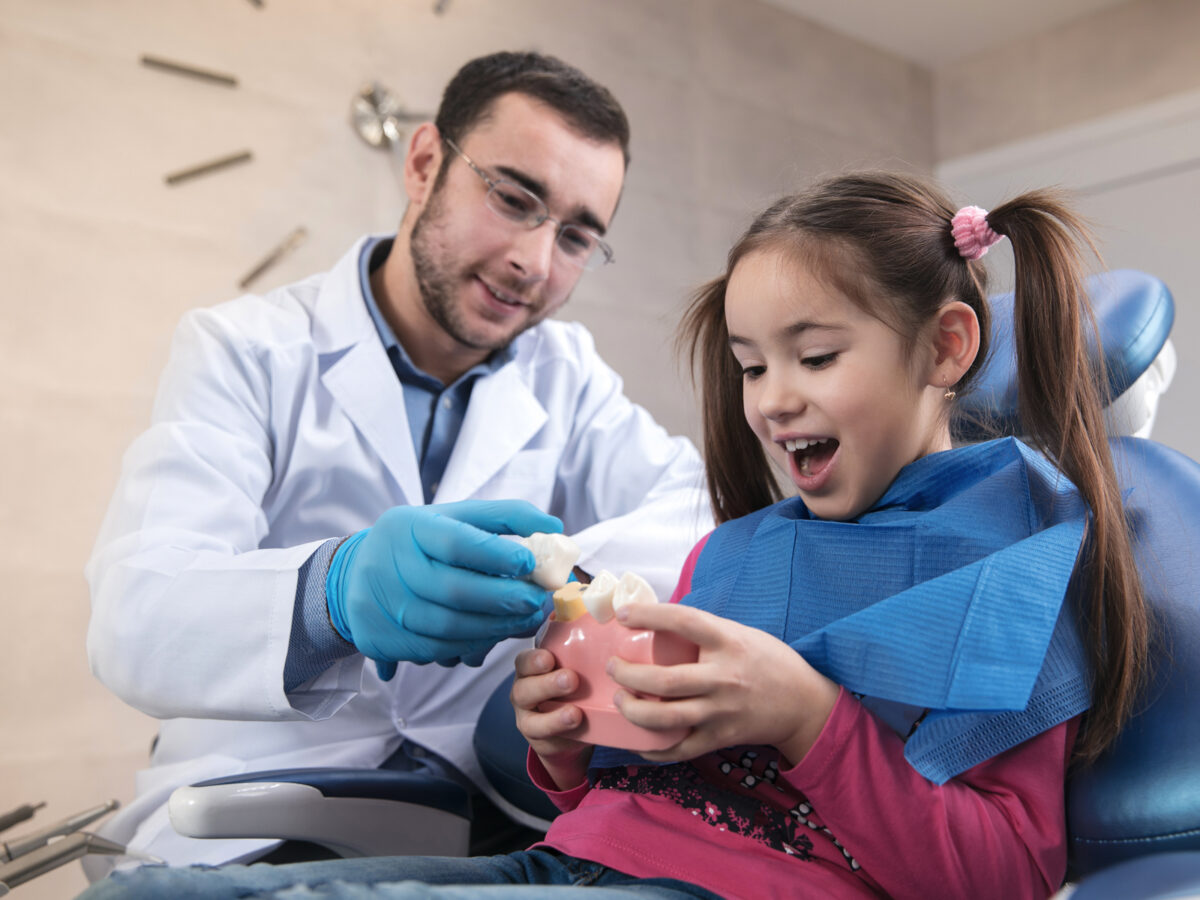
More Cavities
Sleep apnea not only affects your breathing but also your oral health. You might observe an increased number of cavities and bacteria formation in your mouth. Your dentist can help you identify why you have more tooth decay than before despite having great oral hygiene. With decreased saliva production, you might experience dry mouth, bad breath, and more cavities, resulting in sleep apnea.

Gum Recession
Sleep apnea patients usually have dry mouth as a common sign. Due to breathing problems and dryness in your mouth, you can also experience gum recession. You can also consult your dentist to understand which signs of sleep apnea or other conditions can cause your gums to recede.

Scalloped Tongue
One of the most common symptoms of sleep apnea is a scalloped tongue. If you have unconsciously pressed your tongue in your sleep, you might open your airway. You might observe uneven ridges, notched and waved sides around your tongue surface and its perimeter.

Worn Tooth Surfaces
Obstructive sleep apnea is challenging as it can affect your sleep and result in stress and tension in your jaw. You can also experience teeth-grinding that might cause worn-out tooth surfaces. Over time, you might observe your teeth wear down, making them more likely to break, decay, and damage.

Bad Breath
Bad breath is the usual sign of poor oral hygiene. But there are many other conditions that can result in bad breath as a sign. A dry mouth often results in mouth breathing while we sleep. This will also result in bad breath. Usually, the saliva-production mouth helps you avoid bacteria formation, however, once saliva flow is lesser, the bacteria stays in the mouth for longer and results in a foul smell.

Throat Inflammation
Dentists often look for signs of throat inflammation to detect sleep apnea. They can detect early signs of sleep apnea with chronic obstructive inflammation of the throat and palate. Your dentist also looks for other related oral signs, such as redness, swelling, and ulcers in your mouth.

Conclusion

Sleep apnea not only makes your teeth more likely to decay, cause cavities, and wear out but also obstructs breathing, making you grasp for air in between sleep. To make your sleep routine more relaxing and prevent yourself from various issues associated with sleep apnea, consult your dentist.

If you observe signs of sleep apnea or have difficulty breathing while you sleep, you should look for a dentist to identify these conditions in depth. You can improve your sleep cycle and maintain a healthy mouth with an effective diagnosis. You can consult our experts at Crosby Dentist, TX, to explore prevention tips for sleep apnea. You will learn treatments and effective tips to resolve such conditions and identify your conditions.

Categories
Dental care

Can a Cosmetic Dentist Help You Get a Straighter Smile?

Often connected with confidence, beauty, and ideal oral health is a straight smile. See a Crosby Dentist in TX if you wish your teeth to be most appealing for your face. These cosmetic dentists can address issues with tooth space, misalignment, and other tooth-related issues pertinent to the look of your teeth.

What is a Straighter Smile?

A straightener smile goes beyond appearances. Although it improves your look, it also helps with oral health. Problems resulting from crooked or mismatched teeth could include:

  • Uneven wear and tear on teeth.
  • Oral discomfort resulting from misalignment.
  • Difficulties cleaning between teeth raise the risk of cavities and gum disease risk.

A straight smile guarantees that your teeth function as they should and increases the efficiency of everyday dental hygiene.

The Role of Advanced Technology

Modern technologies are used by the Crosby dentist in TX to provide exact and powerful treatments. Modern equipment, 3D modeling, and digital imaging guarantee that your treatment is customized to your dental anatomy, producing the best results.

Advantages of a Straighter Smile

A straighter smile has benefits beyond only appearance:

  • Correct alignment guarantees practical cooperation of your teeth, lowering wear and strain.
  • Perfect alignment of a smile improves confidence. A confident smile will help both personally and professionally.
  • Better oral health results from more straightforward cleaning of straight teeth, therefore lowering the risk of gum disease and cavities.

How Can a Cosmetic Crosby Dentist in TX Help?

Cosmetic dentists in Texas apply some of the most sophisticated methods and procedures to assist you in obtaining a straighter smile. Popular choices include:

#1 Invisible Aligners

Hidden aligners like Invisalign have revolutionized orthodontics. Custom, translucent trays will gradually correct your teeth without metal orthodontics.

How It Works:

  • The dentist creates a computerized representation of your teeth.
  • He prepares a set of aligners explicitly made to guide your teeth into alignment.
  • Aligners are changed every couple of weeks and worn 20 to 22 hours daily for an improved smile.

Benefits:

  • Almost unnoticeable, they are perfect for teenagers and adults.
  • Easy and portable for flossing, brushing, and dining.
  • Consistent outcomes.

#2 Porcelain Veneers

For minor misalignments and gaps, porcelain veneers work well. Made to fit over your front teeth, custom-made veneers are thin layers. They help to hide any flaws in your smile.

How It Works:

  • Your dentist removes a tiny bit of enamel to prepare your teeth surfaces.
  • Custom veneers rapidly enhance the look of your teeth by being cemented to them.

Benefits:

  • Immediate results.
  • Durable and stain-resistant.
  • Corrects several problems, including discoloration, chipping, and gaps.

#3 Dental Bonding

A quick and reasonably priced approach to correct minor misalignments or close little gaps between teeth is dental bonding. This procedure shapes the impacted areas to produce a more homogeneous look after applying a tooth-colored resin.

How It Works:

  • Your Crosby dentist in TX surfaces a tooth with composite resin.
  • Unique light shapes and hardens the substance.

Benefits:

  • Natural-looking results.
  • Non-invasive and painless.
  • Quick and reasonably priced; usually finished in one visit.

#4 Traditional Braces

Classic braces are still a dependable choice for more severe misalignment. Although younger patients are usually connected with them, adults can gain from braces, too.

How It Works:

  • Every tooth has metal braces linked with cables.
  • Periodically, corrections are done to guide teeth into alignment.

Benefits:

  • Long-term, durable results.
  • Works well with complex misalignments.
  • Customizable for a less conspicuous look with either tooth-colored or clear braces.

#5 Contouring and Reshaping

Dental contouring and reshaping can be a simple but effective way to fix minor flaws, including somewhat overlapping teeth or rough edges. The enamel is softly reshaped in this treatment to create a more consistent appearance.

How It Works:

  • To correct flaws, your Crosby dentist in TX gently removes little enamel bits.
  • The procedure goes quickly and painlessly.

Benefits:

  • Cheap and non-invasive.
  • Improves your smile’s general look.
  • Immediate symmetry improvement.

Suitability of Cosmetic Dentistry

Not sure if a cosmetic dentist could help you smile more straight? A Crosby dentist in TX will evaluate your dental condition and go over your objectives during your consultation to help suggest the best course of action. These few signs indicate that cosmetic dentistry might be the appropriate decision:

  • You want to avoid conventional braces as you have little gaps or misalignments.
  • You want a quick repair for cosmetic issues.
  • You like both looks and utility combined.

Choosing the Right Cosmetic Dentist in Texas

You need to pick the best cosmetic dentistry for straight teeth. To help you realize your ideal smile, dentists provide individualized treatment, cutting-edge technologies, and a pleasant attitude. Look for a dentist who has done a lot of successful procedures, has a collection of those procedures, and has had good reviews from past patients.

Take the First Step Toward a Straighter Smile

Thanks to cosmetic dentists’ experience, a straighter smile is more realistic than it has ever been. Whether your treatment of choice is invisible aligners, veneers, bonding, or another one, starts with a consultation.

Let misaligned teeth not prevent you from feeling brilliant and confident. Make an appointment with your reliable cosmetic Crosby Dentist in TX right now to start along the road toward a straighter, healthier, more beautiful smile.

Categories
Dental care

How To Properly Clean And Care For Your Retainer

Retainers are helpful after your orthodontic braces are removed. Your teeth are now structured, and you can showcase your perfect smile. After putting too much time, effort, and money into your braces, you can now turn to the retainer to maintain your smile. These are much less noticeable and help to take care of your teeth more quickly than braces.

This article will help you learn how to clean your retainers and maintain their hygiene. You will know what happens if you don’t keep your retainers clean and hygienic. With practical tips to clean your retainers, you can ensure that your oral health is maintained and your smile is aligned.

How To Clean Retainers Based on Their Type

You can clean it well with the right information about the type of retainer. Caring for your oral health begins with understanding its needs and types. The retainer type you use determines its cleaning method. Here are two types of cleaning processes for different kinds of retainers. Let us learn about each type of retainer in detail:

Hawley and Clear plastic Retainers

Hawley retainers are made of acrylic and tailored as per your size. They use a wire to keep your retainer stable and are removable. Removable oral gears are easy to use and clean.

On the other hand, clear plastic retainers are easy to remove but are less durable than Hawley retainers. These are invisible and can fit right on your teeth.

The steps to clean these types of retainers are quite simple. Here are the steps to follow:

  • Remove the retainer and clean it immediately. This makes removing food particles on its surface easier while still wet.
  • You can use a brush to remove the buildup using lukewarm water after every meal.
  • You can also use a mild cleanser to scrub off plaque or debris.
  • Using cotton swabs to clean retainer ridges is also helpful.
  • You can also ask your dentist to clear any debris or stain on retainers that won’t come off.

Fixed or Bonded Retainers

Fixed or bonded retainers are permanent types of retainers. These are durable retainers that are attached to the frontal lower teeth. They are used when one has a high risk of teeth shift. Depending on the need, these retainers stay in place for months and even years.

The steps to clear these types of retainers differ from removable retainers. Here are some steps to follow to keep this retainer clean and hygienic:

  • Use a six-inch piece of floss and floss between your two lower teeth.
  • You must brush your teeth regularly and maintain oral hygiene just like you do for your natural teeth.
  • You must visit the dentist every six months and ask for professional cleaning services to prevent plaque buildup.
  • If your retainer gets damaged, ask for replacement or removal to avoid damage to your oral health.

Why Retainers Must Be Clean?

Your retainers collect a lot of germs from food particles and deposits in your mouth. Over time, your retainers might smell foul or even taste odd. It means that they are not cleaned properly and might have plaque or deposit buildup. With time, they might collect dangerous bacteria and cause infection and inflammation of the gums.

You must ensure your retainers are clean and healthy for your mouth. Infection caused due to retainers can lead to other diseases as well. If you observe any symptoms, you must visit your dentist immediately to treat the conditions quickly. Otherwise, your immune system might get compromised, and you may face severe complications due to negligence.

Tips For Retainer Care

Retainer care can help you maintain a retainer for many years. You must not use complex chemicals to clean your retainers and ensure you maintain oral hygiene. Here are some tips you must follow to improve retainer care:

  • Exposing your retainer to extreme heat can make it warp and damage it permanently. Keep your retainer away from microwaves, dishwashers, and your car’s dashboard.
  • Avoid cleaning your retainers using harsh chemicals. Chemical-based tablets can affect your oral well-being and might lead to infection.
  • Avoid soaking your Hawley retainers for too long, as this might corrode the retainer. You must ask for a specific soaking tablet suitable for your retainer. Also, understand the time to soak your retainer.
  • You must ensure your retainer case for removable retainers is clean. You must keep the retainer’s case clean and dry.
  • You must replace your retainer if it is damaged due to any reason. Otherwise, they might fit adequately or cause damage to your teeth.

Conclusion

Just like natural teeth, a retainer is essential to oral health. They are part of your oral health; the mouth’s well-being will be affected without clean retainers. Sticky, colorless, foul-smelling film over your retainer is caused by deposit buildup. Cleaning it requires bruising techniques. Interdental cleaning between retainers is also essential to maintaining oral hygiene.

Once you understand the cleaning requirements of your retainer type, you must follow the instructions properly. You can contact Crossby Dentsist, TX, to get your oral health checked. With professional diagnosis and guidance, you can better determine the right steps to maintain your oral hygiene.

Categories
Dental care

A General Dentist Can Use Bonding to Repair Teeth

Fixing chipped, fractured, or damaged teeth quickly, simply, and affordably is done by bonding your teeth together. Your Crosby dentist in TX can easily do bonding to provide you with outstanding results.

Many believe that correcting a damaged smile calls for more involved procedures. For a minor flaw or to improve the look of your smile, bonding your teeth together could be the most successful approach. We will go over the bonding process, the reasons for its great popularity, and the people who could gain from it.

How is Dental Bonding Defined?

A Crosby dentist in TX covers teeth in dental bonding using a tooth-colored composite plastic substance. “Bonding” is the material attached to the tooth. With this approach, some minor dental issues can be corrected:

  • Chipped or cracked teeth
  • Discolored teeth
  • Gaps between teeth
  • Teeth that are shorter or irregularly shaped
  • Exposed tooth roots due to gum recession

The best part? Usually, local anesthesia and drilling are not required, as dental bonding is the least intrusive. If you go to your Crosby dentist, TX, with a broken tooth, you might be able to leave looking fresh.

Why Do People Love Bonding Their Teeth?

Bonding your teeth together is a popular process for a reason. The following are some of the main reasons one should use dental bonding:

1. Easy and quick: Unlike some other cosmetic dentistry procedures that call for more than one appointment, dental bonding may typically be completed in one visit. The full operation for every tooth takes thirty minutes to one hour. If you need results right now, it works fantastic!

2. Affordable choice: Reasonably less expensive than obtaining veneers or caps is bonding your teeth together. For those seeking a durable cosmetic solution that is cost-effective, bonding presents an excellent option.

3. Natural appearance: The composite resin material is tailored to match your natural teeth color throughout the bonding procedure. With the assistance of your dentist, the glued area will be precisely matched to the remainder of your smile.

4. Non-invasive procedure: Bonding is a great way to improve your look without having to go through any painful procedures. It doesn’t involve taking out any teeth like veneers do. This is beneficial for individuals who experience anxiety when visiting the doctor.

5. Durable results: Tooth bonding can endure for a duration of 5 to 10 years or potentially longer. But it can only be possible with proper maintenance. Visiting your Crosby Dentist in TX for routine exams can significantly contribute to the preservation of the bonding for an extended period.

Step-by-Step Process for Teeth Bonding

Dental bonding is an easy and basic process. When you go to a general dentist, they will follow the given tooth bonding procedure:

  • Step 1: Your Crosby Dentist TX will decide on a color for the composite resin that most nearly matches your teeth. By carefully cleaning the teeth, one can guarantee a longer lifetime of bonding.
  • Step 2: After putting the composite resin in the designated location, the dentist gently shapes it to fit your tooth form.
  • Step 3: Rapidly hardening the resin after it has been formed using specific blue light. It hardly takes at all!
  • Step 4: Finish the procedure as soon as the plastic dries; the dentist will polish it to remove any rough areas and bring it to shine like real metal. Consequently, a beautiful smile that you’ll be proud to show off!

Which People Should Get Dental Bonding?

For those with minor aesthetic concerns about their teeth, dental bonding is quite effective. You would be a qualified applicant based on these indicators:

  • Your teeth display wear, chipping, or damage.
  • You wish to close minor spaces between your teeth without braces.
  • Your teeth show stains that cannot be removed using whitening techniques.
  • You want a cheap and quick approach to seem better.

Your dentist might advise dental crowns or veneers if you have significant teeth problems or large cavities. See a general dentist, such as a Crosby Dentist in TX, to find out whether tooth bonding is suitable for you.

Maintenance Tips to Keep Your Bonded Teeth Healthy

It’s easy to take care of your bonded teeth. If you take care of your teeth, dental filling can make you look better and last longer. These strategies might help you:

  • To keep your teeth clean, you need to floss and brush them twice a day.
  • Try not to eat hard foods like ice or candy. It can damage the bonding material.
  • Keep up with your dental checkups. Maintaining a healthy connection requires regular checks.
  • Eat less of the things that leave stains. The connections can get discolored over time if exposed to certain substances, such as coffee, tea, red wine, or smoke. You should either clean your teeth or drink some water after consuming these.

Conclusion

A quick, easy, reasonably priced fix for minor smile flaws or to repair chipped teeth is bonding your teeth together. Fixing self-consciousness about your smile from chipping, gaps, or discoloration is simple and quick with bonding.

The operation can be finished in one visit to your Crosby dentist, TX, and the outcomes will look good and last long. One could have great dental improvement without spending much money by using dental bonding. The dental bonding procedure can begin immediately; schedule an appointment.

Categories
Dental care

How Early Detection Can Save You From Oral Cancer?

Oral cancer is fatal. It affects the mouth, tongue, lips, and throat. For most cancers, early identification increases therapy and survival. Though it is rare, early identification of oral cancer helps prevent and treat it.

Early detection saves lives. This article describes the symptoms, indicators, and safety measures for oral cancer. Also, Crosby Dentist TX will tell you the importance of early detection.

Why Early Detection Matters

Early detection of oral cancer improves the chances of treatment.

  • Early diagnosis improves survival rates. 80% to 90% of oral cancer patients survive five years, compared to 50% of late diagnoses.
  • Localized surgery or concentrated therapies reduce side effects in early-stage cancers.
  • Getting help early helps keep important oral processes like speaking, chewing, and swallowing so daily life is okay.
  • Dentists such as Crosby Dentist TX are taught to identify small warning signals a patient might not be able to feel or see. This is why early discovery of oral cancer depends much on routine visits.

Oral Cancer Signs

Oral cancer often starts with mild signs that are easy to miss or mistake for other, less serious problems. Some common signs are:

  • Lips or mouth that feel numb.
  • A bump or swell up in the cheek.
  • Bleeding in the mouth for no reason.
  • A sore or hoarse throat that won’t go away.
  • Loss of weight all of a sudden for no clear reason.
  • Having trouble moving the jaw or tongue, chewing, or swallowing.
  • Long-lasting mouth or lip sores after two weeks.
  • Gums, tongue, and mouth may have white or red patches.

If you see any of these symptoms, see a doctor or Crosby Dentist TX immediately. Early review can help determine whether cancer or another condition is responsible for the symptoms.

Possible Oral Cancer Symptoms

Understanding what increases your risk of mouth cancer will enable you to avoid it by guiding your behavior:

  • If you smoke cigarettes, cigars, pipes, or smokeless tobacco, your likelihood of mouth cancer is far higher. Many people get
  • oral cancer because they smoke.
    Oral cancer risk can go up if you have dentures that don’t fit right or teeth that are too sharp.
  • A lot more people are at risk when they drink alcohol, especially when they smoke.
  • Some strains of HPV, most especially HPV 16, have been linked to throat and oropharyngeal malignancies.
  • Lip cancer can result from too strong UV exposure.
  • A lack of fruits and vegetables could make one more vulnerable to diseases.

Eliminating these risk factors will help individuals reduce their likelihood of mouth cancer.

What is Done to Get Early Detection

Crosby Dentist TX suggests these tips for early cancer detection in your mouth:

  • Dental checkups are often the first time to see early signs of oral cancer. They look for problems in the mouth, throat, and neck and may suggest more tests if they find any.
  • Always remember to take a good look at yourself once a month. Check your mouth in the mirror to see if it has any spots or changed color. Every day, do it!
  • As part of mouth cancer tests, some dentists use special lights or dyes to show cells that aren’t working right.
  • If something seems odd, a biopsy might be done to look for harmful cells.

Early Oral Cancer Treatment Options

Early detection makes oral cancer easier to treat and works better. It reduces the likelihood of metastasis, making therapy easier and more likely to succeed.

  • Localized tumors can be physically removed with little damage to the surrounding tissue.
  • Targeted radiation kills small cancer cells in their early stages during radiation therapy.
  • In targeted treatment, drugs are used to kill cancer cells while leaving healthy tissue alone.

How to Stay Away from Oral Cancer

You can lower your chance by doing the following:

  • Do not smoke and drink less booze.
  • Try to see the Crosby Dentist, TX, every so often.
  • Getting rid of these things makes your chances a lot smaller.
  • Your mouth will stay healthy with regular brushing and flossing.
  • Use SPF lip balm and a hat to avoid direct exposure to sunlight.
  • If you eat a lot of vitamin-rich fruits and veggies, you won’t get sick as often.

What Awareness and Education Can Do for You

People who know about mouth cancer and its early signs can help save lives. Community efforts and programs are very important for teaching people about the risks and the signs, as well as how important it is to get regular screenings. Also, healthcare professionals like Crosby Dentist TX stress how important oral health is to general health.

Conclusion

Oral cancer is deadly, but early detection can change lives. Dental checkups, oral health awareness, and self-management are the greatest ways to spot this issue early. You and your family can prevent oral cancer by knowing the signs, eliminating risk factors, and contacting Crosby Dentist TX quickly. Protect your teeth today—your smile matters!

Categories
Dental care

Benefits of Dental Crowns For A Stunning Smile

A beautiful smile can make anyone’s day better, and taking care of your teeth is the best way to achieve that perfect smile. Dental crowns, also called “caps,” are very important for fixing and improving broken teeth.

This blog post will discuss some of the benefits of dental crowns and show how important they are for maintaining good mouth health and making smiles look better. For more details, you can contact Crosby Dentist TX.

What Are Dental Crowns?

Dental crowns are custom-made caps that cover the whole visible tooth surface. Their shape matches your teeth, so they’ll look excellent with your smile. Crowns are often used to fix the look, size, shape, and power of a tooth.

Most of the time, they are made of porcelain, clay, metal alloys, or a mix of these. Crowns are flexible and are often used in the following dentistry situations, as mentioned by Crosby Dentist TX:

  • Make sure a weak tooth doesn’t break
  • Fixing a broken or badly worn down tooth
  • Placing a big filling over a tooth to protect and support it
  • Setting up a tooth bridge
  • Covering stained or crooked teeth
  • Putting a cap on an implant

Different Materials Used in Making Dental Crowns

Dental crowns come in many materials, each with its benefits. Crosby Dentist TX will prescribe a material based on your tooth location, bite, and aesthetic preferences. Popular materials include:

  • Porcelain: It recreates natural tooth color and clarity.
  • Ceramic: Lifelike and stain-resistant ceramic crowns are ideal for front teeth.
  • Metal Alloys: Strong metal crowns are utilized for molars and rear teeth.
  • PFM: Combines metal’s toughness with porcelain’s beauty for a sturdy and appealing alternative.

Each dental crown is custom-made to fit your specific tooth structure. They are a long-lasting and attractive way to fix common dental problems. Let’s explore some of the dental crown benefits.

Key Benefits of Dental Crowns

Crosby Dentist TX suggests these amazing benefits of crowns for your teeth. Let’s have a look:

1 Strengthen Damaged Teeth

Dental crowns reinforce and protect teeth damaged by disease, injury, or large fillings. Significantly damaged teeth are more likely to break, so a crown protects the affected tooth from further damage.

After root canal therapy, patients need dental crowns. Root canals remove the tooth’s pulp, making it fragile and crackable. Putting cosmetic dental crowns on the treated tooth keeps it functional and preserved for years.

2 Maintain Dental Health

If you grind or have a misaligned bite, daily wear and tear can harm teeth. Dental crowns protect tooth structure. Putting a crown on your tooth prevents future damage and extends its life. Dental crowns can prevent tooth loss or extractions when teeth have been fractured or worn down.

3 Enhance Your Smile

Dental crowns can greatly improve your smile. Crowns can cover discolored, malformed, or damaged teeth that distract from your appearance. Crowns are custom-made to match your teeth color, shape, and size for a natural look.

Dental crowns can improve the smiles of individuals who are self-conscious about noticeable defects. They can also improve one’s confidence by uniformly enhancing one or more teeth.

4 Improve Comfort and Function

Dental crowns improve tooth function and appearance. If you have damaged teeth, they help you chew and talk. With a comfortable crown, you may enjoy your favorite foods without pain. Modern crowns seem natural, allowing you to chew and speak comfortably.

5 Long Lasting Solution

Durability is a major benefit of dental crowns. Crowns can survive 10–20 years or longer with good care. They are resilient and reliable for restorative dental procedures. Porcelain or ceramic crowns resist discoloration, helping your teeth look good over time.
6 Protect Your Investment

Choose dental crowns for long-term oral health and a confident smile. Crowns protect your natural teeth and prevent future issues that could require more intrusive and expensive treatments.

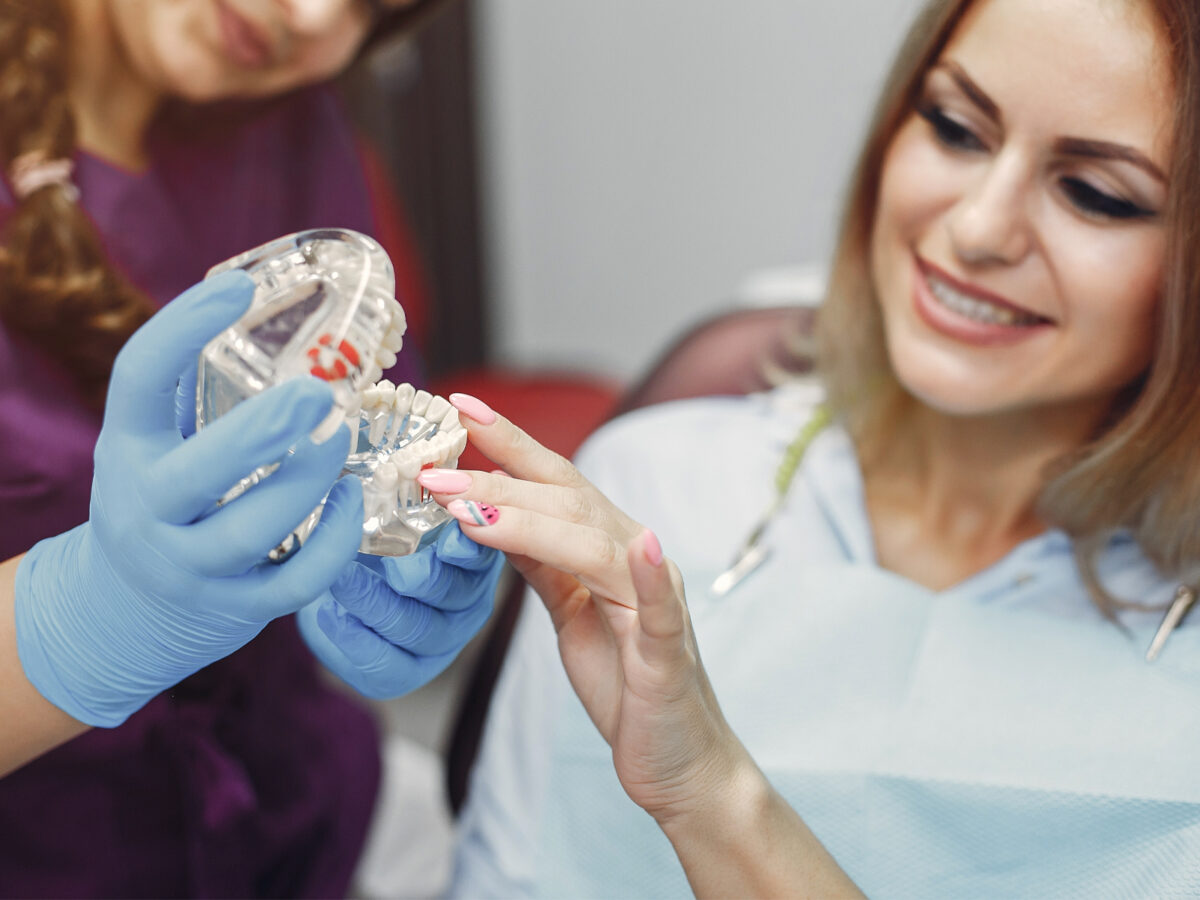
Crowns protect against tooth loss, infections, and dental operations. Regular brushing, flossing, and dental checkups can extend the life of your crowns and provide you with a beautiful, functional smile for years.

7 Versatile Customized Solutions

Custom dental crowns fit your specific dental structure. You may trust your dentist to match your smile with a single crown or many crowns for a full-mouth restoration. This customization guarantees that crowns meet your functional and aesthetic needs.

Crosby Dentist TX suggests that crowns can also be used with dental implants or bridges to restore a smile’s appearance and function. They can also help individuals with serious tooth decay or substantial dental repair.

Crosby Dentist TX Advances Your Smile with Dental Crowns

You may improve your smile with a dental crown, which provides structural strength and aesthetic enhancement. Dental crowns are a reliable and adaptable option for dental issues or smile enhancement.

Talk to Crosby Dentist TX about how dental crowns can improve your dental health and confidence. Our team strives to improve your dental experience with clinical expertise and a warm, patient-centered approach.

Your comfort and well-being are our priorities, from modern dental procedures to tailored treatment regimens. Trust us to help you get a beautiful, healthy smile that matches your personality. Improve your smile with Crosby Dentist TX, where oral health comes first.

Categories
Dental care

Braces-Friendly Comfort Foods: Meals That Won’t Hurt Your Teeth

Braces are an investment in a beautiful smile and a step toward a healthier one. However, changing food habits also necessitates safeguarding your new orthodontic installations. Having braces means that you know how difficult it is to eat that tasty meal that does not cling to the brackets or harm the wires in some way. You need to have a proper diet, especially when undergoing orthodontic treatment, to ensure your mouth is healthy before, while, and after the braces.

Foods To Eat When You Have Braces

You will think it’s tough to see your friends and families eat foods that you like, yet you cannot consume them because you have braces. But there is no shortage of great-tasting foods you can indulge in while waiting for your new braces to work. Below are ten foods you should eat after getting braces.

Yogurt
Yogurt is easy to take, especially if it is in a cold state; it can even help to ease oral complications. Furthermore, yogurt is produced in various forms and flavored according to your preference. The only thing you should remember is that some types of yogurts contain more sugar than others, and you should pay more attention to them if you wear braces because it is quite easy to get some plaque.

Eggs
They are easy to cook, and they can be prepared in many different ways. Eggs are perfect after getting braces, especially if steak or chicken is too painful to chew. Hard-boiled or fried eggs are all right, but if you want softer, you can try scrambled, poached, or fried eggs.

Bananas
Bananas are good for you and can help you alleviate your hunger after having your braces put on. Although bananas will do, it is better to look for slightly brown ones so that you have an easier time eating them without putting too much pressure on the teeth. The more ripe the banana, the better it will be for you to chew. They can even become part of your oatmeal or yogurt bowl.

Soups and Broth
It’s no surprise that soups and broths are particularly popular after getting braces since they are easy on the teeth and do not require much chewing to be swallowed in the first place. Soups should also contain a lot of vegetables to complement your diet delivery meal. Creamy soupy dishes, such as pasta soups, bisques, etc., are also ideal.

Mashed Potatoes
Mashed potato is easy to prepare and does not require much effort because you only need to swallow it as you do not need to chew it. If you are not inclined to make homemade mashed potatoes, you can use instant potatoes made in the microwave or on the stovetop to add several ingredients. Another potato substitute is baked ones, which you can mash up and add butter, chili, or shredded cheese.

Oatmeal
Another perfect example is oatmeal if your mouth is sore after getting braces. The warmth of oatmeal can handle the swelling and inflammation that affects us at some point. It is also convenient to serve, and if one feels hungry, one can prepare it in under ten minutes and take it as breakfast or snack food.

Jello
A packet of Jello has no place on the kitchen shelf but in your handbag or pocket when you’re having surgery or getting orthodontic treatment. Which, when reformed, can make for a deliciously simple and quite enjoyable snack or even a dessert. Pour whipped cream on top, and you’ll have a delicious dessert you won’t need to remove your braces to enjoy. As a reminder, certain flavors contain more sugar, which promotes plaque and increases the chance of cavities.

Smoothies
Smoothies are rich in fiber and vitamins, which can only mean wonderful news for anyone who cannot bear to take solids after their braces have been fixed. Pouring different types of frozen or thawed fruits will help you to get a cold, sweet dessert or even replace a meal. You could also add spinach or any other green part.

Applesauce
Applesauce is a good food option for states of pain and discomfort due to braces. It can be served at room temperature or chilled as a result of the consumer’s personal preference. It also can be easily taken, for instance, carried in your pocket or bag when you have a busy day ahead of you. However, this is very rich in fiber and low in saturated fats, so you’re assured that you are eating healthy food with applesauce.

Ice Cream
Not only is ice cream tasty, but the cold temperature soothes and can alleviate pain and reduce inflammation and swelling if you recently got braces. You can try two other closely related options: gelatos, sherbets, and sorbets.

What Not to Eat with Braces
Another thing to remember while under the braces is to be careful when eating your food. There are some types of foods that you should avoid consuming if you want to protect your braces or get rid of orthodontic issues. They work through brackets, bands, and archwires, and they are sectional and can quickly be damaged by crunchy or sticky food. Moreover, one should brush his or her teeth well to avoid cavities and the unnecessary formation of plaque around the braces.

That being said, you don’t have to adhere strictly to the soft food diet, though knowing what foods harm your teeth is critical. Hazardous food that is dangerous for patients should also be prohibited, such as hard candies, ice cubes, crunchy foods, nuts, stick candies, sticky foods, and any sweet foods.

Besides, you should consider appealing fruits such as apples, caramel, popcorn, gum, and chewy products such as bagels and licorice. Any of these foods will likely get trapped between your braces and cause harm or a problem.

Tips to Eat Comfortably with Braces

If you are like anyone else, you might feel self-conscious about eating with braces on. We have some useful recommendations and advice on what you can do to make the procedure easier.

  • To begin with, consider eating soft foods. Everything that does not require much chewing should be your best friend when first wearing braces. Examples include soups, mashed potatoes, applesauce, and ice cream. Once you feel a little more comfortable, you gradually add some other foods to your diet.
  • You should also consider how you chop your food. It is important to take small portions of foods; this will help avoid much pressure on your teeth and gums, which may be painful.
  • Lastly, you should brush your teeth and floss daily. Because of the tight spaces, it’s challenging for food debris not to get trapped between the wires and brackets, so brushing and flossing after every meal is always advisable.

Wrapping It Up

Considering all these things, your soft food diet will not last that long. You will be back to your normal, brace-friendly diet soon enough. If you have any questions regarding braces or maintenance, please contact us at Crosby Dental, TX.

Categories
Dental care

Benefits of Scaling And Root Planing For Gum Health

Brushing and flossing are regular habits all of us do. However, you must visit an expert dental professional if you need a deep cleaning. Scaling and root planning is a deep cleaning process that cleans within the gumline. It can be helpful to treat gum disease. Most gum diseases are a result of plaque build-up.

This article will help you understand how scaling and root planning can benefit your gum health. Proper gum disease detection and prevention can revive your gum health and lead a healthier life. Let us learn the benefits of scaling and root planning.

What are Scaling and Root Planning?

Scaling and root planning target the removal of plaque and tartar buildup below the gumline. These areas are not easily reachable with regular brushing or flossing. Scaling involves scraping deposits over teeth and below the gum line. The professional slowly scraps the surface to remove excess deposits.

Root planning involves smoothening the roots to help the gum heal and prevent further bacteria build-up. It is a two-step process where the buildup is first cleaned, and then the gums are reattached to the teeth to promote healing. You can improve gum health and allow them to reattach with bone after the process.

Key Benefits Of Scaling and Root Planing

Deep cleaning might seem unnecessary to those who visit the dentist regularly. However, you need a professional cleaning every once in a while. You cannot clean in-depth deposits under the gum line despite regular brushing and flossing. With these benefits, you can improve your gum health and overall basic hygiene. You can learn some key benefits of scaling and root planning.

1. Prevents Disease Progression

Scaling and root planning can reduce bacteria buildup and prevent gum disease development. It might not stop gum diseases, but it slows down the process. It can also prevent them from advancing to more severe stages and affect inflammation and infection caused by gum diseases.

2. Reduce Gum Inflammation and Bleeding

Gum inflammation and bleeding are quite common due to bacteria buildup. After scaling and root planning, you will notice a significant reduction in inflammation and gum bleeding. After a deep cleaning, the gum can heal and regain its health.

3. Eliminates Bad Breath

Bad breath is the most common symptom of gum disease. If the bacteria is trapped in the gum line, it can cause foul breath. This is why scaling and root planning can help you eliminate the smell and improve breath quality.

4. Prevents Tooth Loss

Advanced gum disease can eventually result in tooth loss. It leads to the destruction of the supporting bone and tissue. Early prevention and treatment can help you save your teeth. Bacteria removal can prevent further damage to teeth and revive oral health,

5. Improves Overall Heath

The best way to improve your gum and oral health is to maintain hygiene. Gum health also impacts your heart health. Maintaining clean and hygienic teeth with procedures such as scaling and root planning can boost overall health.

When Do You Require Scaling and Root Planning Treatment

You need a professional cleaning procedure if you have an existing gum condition that cannot be resolved using basic cleaning techniques. If someone has the following condition: scaling and root planning are advised.

  • Deep Gum Pockets

If someone has deep gum pockets, there is a probability of more bacteria deposits below the gum line. If you have deeper pockets, you might need these procedures for plaque and tartar removal. Basic brushing and flossing might not be helpful in these cases.

  • Sign of Infection

You might need root planning and scaling if you have any signs of infection. Often, bacteria buildup, if not removed, shows symptoms such as bad breath and red, swollen, tender gums. You might bleed while brushing and flossing. You must visit a professional for deep cleaning to remove tartar buildup below the gum line.

  • Preventing the Progression of Gum Disease

Patients who have been diagnosed with periodontitis conditions need scaling and root planing to prevent the advancing of diseases. You can remove further deterioration of gum disease, improve gum health, and allow it to heal properly. It also reduces inflammation and infection and improves gum health.

  • Periodontal Maintenance

A deep cleansing session can improve oral hygiene even if you do not suffer from any periodontal condition. It will remove all excess deposits and tartar buildup. You can add scaling and root planning options in your regular cleaning session.

Conclusion

Gum diseases are present if you do not maintain basic hygiene for your mouth. You need proper cleaning sessions daily, like brushing and flossing your teeth. You also need to visit your dentist for deep cleaning sessions. Scaling and root planning offer cleaning tartar buildup below the gum line. You must maintain and improve your oral health to ensure your overall health.

Periodontal diseases can be avoided with regular dental cleanings. You must visit Crosby Dentist TX for expert guidance related to periodontal treatments. You can get professional cleaning and maintain your gum health properly with expert opinions.

Categories
Dental care

Dental Anxiety In Children: What Parents Need To Know

Many kids are afraid of the dentist, which can make it hard for families to take their children. Parents can help their kids feel less anxious about going to the dentist by learning about the causes, signs, and ways to make them feel more at ease. Here, Crosby Pediatric Dentist discusses how parents may manage dental anxiety in children.

Understanding Dental Anxiety in Children

Dental anxiety is stress or fear about going to the doctor or having dental work done. Even though some fears are normal, they become problems when they keep children from going to the dentist. If one doesn’t deal with mild anxiety or refuses to go to visits as a child, it can last into adulthood.

Causes of Dental Anxiety in Children

Several factors cause childhood dental anxiety during pediatric dental visits. A few of these are –

  • Childhood fear of pain is common, especially if the child has experienced discomfort in past visits.
  • Dentist offices can be scary because of the bright lights, loud tools, and other strange sounds.
  • Younger kids may be afraid of being away from their parents while they are getting care.
  • Kids might not understand why they need to go to the dentist and think of the dentist as a stranger who is hurting their teeth.

Child Dental Anxiety Signs

Parents must recognize dental anxiety before taking action. Common signs include:

  • Young children may cry or have tantrums before or during the appointment.
  • Children may refuse to go to the dentist or cling to their parents.
  • Physical symptoms of anxiety include stomach aches, headaches, and nausea.
  • To avoid going to the dentist, older children may lie or skip appointments.

Crosby Pediatric Dentist suggests, “If parents recognize these symptoms, they can help their child feel better by being patient and empathetic.”

How to Help Children Who Are Afraid of Dentists

There are some things, as suggested by Crosby Pediatric Dentist, you may do to help children who are afraid of the dentist:

1. Get Started Early and Get Used to It
Kids are less anxious when they start going to the dentist early. The American Academy of Pediatric Dentistry recommends that kids see a dentist by their first birthday or six months after their first tooth comes in. By going to the dentist early, kids can get used to the area and staff.

2. Reassurance Through Smile and Hug
How parents feel about the doctor may affect how children think. Talking positively about dental visits, encouraging them to go, and having good teeth help convince kids they’re safe. You can convince them by saying, “The dentist will keep your teeth clean and shiny.”

3. Role-Play Dentist Visits at Home
Playing “dentist” at home is a fun and relaxing way to pass the time. Let your kid use a toothbrush on a soft animal or toy to check their teeth. Young kids feel less scared and more in charge when they play make-believe.

4. Choose a Pediatric Dentist
Pediatric dentists understand how kids feel and can help them. The places where they work have lots of toys, decorations, and other kid-friendly dentistry practices. Using nice words and body language can help kids calm down.

5. Utilize Relaxing Techniques
Kids can relax with some basic exercises. Give them time to inhale deeply both before and during their sitting. All you have to ask them is to choose a place or activity they enjoy doing that would help them feel better.

6. Bring Things That Make Them Feel Good
Bring your child’s favorite blanket, toy, or stuffed animal to the doctor. It may help them feel safer. Things that kids are used to might help them calm down and concentrate without interrupting the dentist.

7. Give Rewards for Good Behavior
After a visit to the doctor, reward your child with something special. This can build a strong relationship between the dentist and your kid. Gradually, this gesture can make going to the doctor less of a chore and more of an adventure for them.

Get Help from Professionals for Dental Anxiety

If dental fear gets worse, you might need more help. Pediatricians and Crosby Pediatric Dentists may offer specific methods, such as –

  • The dentist tells the child what to do, shows them the tools, and does a small test on a finger or hand to build trust.
  • Nitrous oxide, the “laughing gas,” might help very anxious children calm down before their visits.
  • Kids who are really scared of the dentist can talk to experts about their fears and get help through cognitive behavioral therapy or a similar method.
  • Getting kids over their fear of the dentist is good for their health, both in and out of the mouth.

Dental anxiety can last into adulthood, causing people to put off or skip care and making tooth problems worse. Getting help early on can help kids form good oral health habits that will last a lifetime and make their smiles healthier.

Conclusion

With a bit of understanding, kindness, and help along the way, kids who are afraid of the dentist can really get through it. Since babies are still young, taking them to the doctor early on may help them feel less scared.

Appointment scheduling with a Crosby pediatric dentist who specializes in treating children may help ease their fears. If children can find ways to unwind and make friends, their time at the clinic will be much more enjoyable. They might be beaming by the end of it.

Categories
Dental care

The Importance of Retainers After Braces

Finally, after months or even years of wearing braces, the beauty of the teeth is restored, and the long-desired smile is achieved. However, attaining a perfect smile does not complete removing braces. Wearing a retainer is essential to keep your teeth in the new positions and to protect the money you spend on orthodontic treatment.

This article will examine why wearing a retainer after your braces is good for you and your smile. Whether it is your fresh set of braces or you are considering orthodontic treatment, knowing why you need to wear a retainer to fix your shiny, perfect smile and maintain it for years is essential.

What Is A Retainer, And Who Needs It?

After braces or other orthodontic appliances are removed, the patient must wear a retainer. This individual oral appliance is often made of plastic and metal and worn over the teeth and facial muscles inside the mouth. Every client who has received orthodontic treatment is required to wear a retainer.

What Does A Retainer Do After Braces?

One crucial task of wearing retainers after braces is keeping teeth in the right positions. Limburger is confident that teeth will likely shift back to their initial position right after braces are removed. Meanwhile, the gums and fibrous ligaments holding the teeth in place are softened or flabby while wearing braces.

When the braces are removed, the gums do not contract immediately, meaning the teeth have no barrier to moving around. If you received braces, wearing a retainer after the treatment implies wearing it full-time until the gums become stable and hold the teeth in place. Several months later, your orthodontist may say that you no longer have to wear your retainer during the daytime but must wear it at night.

Most patients inquire if they can remove retainers after undergoing braces. It depends. The time a patient will be required to wear the retainer following braces will be different for all patients and will depend on the treatment carried out.

It is perfectly natural for most individuals to experience some form of tooth misalignment as they progress through adulthood, and the changes that occur are unique to everyone and cannot be anticipated. These changes may be reduced by keeping wearing retainers on a part-time basis.

Why Are Retainers Necessary?

In terms of orthodontic treatment, what do retainers do? Retainers play a crucial role in your orthodontic treatment by providing several benefits:

They Stabilize Your Bite
After your braces are removed, the soft tissue and the bone around your teeth take some time to align themselves to the tooth’s new position. They gradually become fixed in the new alignment, and once this has happened, it is almost impossible for the patient to relapse or for the teeth to shift again.

They Maintain Space for Wisdom Teeth
Therefore, preadolescents and adolescents with developing skeletal structures favor braces most often. As such, they would employ retainers for teeth at the age of around when wisdom teeth come through. When they correctly apply the retainer as a mouth guard, there will always be room in their jaw for wisdom teeth. Always wear retainers so the teeth will not move or bite together due to space.

They Prevent Treatment Reversal
After removing the braces, the teeth will begin shifting back to their previous location several months later. A retainer can avert this. However, depending on your situation, you might need to wear retainers for several years.

They Align Your Jaw Bones With Gums
If your teeth are being straightened to move to a different position, the gums and bones around the teeth will take longer to ‘shift.’ Retainers separately assist in aligning and maintaining your bite as quickly as possible.

They Help Teeth Hold Their Position
If one wears braces for the gaps in the teeth, it will take longer before the teeth can also be set. This can be the case even for rotated and shifted teeth and increased over- and under-jaw positions. When the location and alignment of teeth need to be changed significantly, or the teeth moved a large distance apart, it becomes necessary to hold the teeth until the other mouth structures accept this change. The retainer plays a vital role in this.

Conclusion

At Orthodontics Crosby, TX, we are very particular about everything related to orthodontics; it does not end after your braces are put on but also from when they are removed. If you have any questions about your treatment or what to expect after braces are removed, during and before your treatment, our specialists will explain everything you need to know.

Since every person is unique, your retainer situation will differ based on how your teeth were both before and after treatment. We will take the time to listen to your specific needs and create a plan of care that works best for you. Contact Orthodontics Crosby, TX, with any questions you may have about your orthodontic treatment or for more information on retainers.

Categories
Dental care

Top 5 Reasons To Choose Orthodontic Treatment In Crosby, TX

Do you have crowded teeth that affect your appearance? It can be due to overbite, underbite, or any other orthodontal problems. You should visit an expert dental professional to get your condition checked and treated correctly. Sometimes, these orthodontal conditions cause headaches, severe jaw pain, and an increased risk of tooth decay.

Patients with orthodontic conditions often suffer from trouble talking and chewing. It is why you need expert opinion to identify your issues and treatment for the specific conditions. You can visit our dental experts at Orthodontics, Crosby, TX, to get your teeth checked. Let us learn a little more about orthodontic treatments.

What is Orthodontic Treatment?

Orthodontics is a dental specialty department focused on aligning your bite. This department focuses on how your teeth are aligned and whether they have misalignment or malocclusion issues. You can use braces, clear aligners, or Invisalign to treat your teeth alignment and improve their bites. Other than appearances, orthodontic conditions can cause severe pain in your jaw and even result in headaches.

Dental Issues That Need Orthodontic Treatment

You must understand the conditions that require orthodontic treatments. Once your condition is diagnosed, dentists can treat it appropriately. Some of these conditions are as follows:

  • Overbite: It is also called buck teeth. It happens when your upper teeth lie too forward than your lower teeth.
  • UnderBite: It is when your lower teeth are far forward than your upper teeth. It is also called a bulldog appearance.
  • Crossbite: When your bite is not straight and slightly diagonal to a normal bite, it affects your teeth’ shape as they do not rest directly over each other.
  • Open Bite: When you bite, there is a significant distance between the front and side teeth. These spaces result in open bites.
  • Misplaced Midline: When the center of your upper jaw is not aligned with the center of your lower jaw, it is called a misaligned midline.
  • Spacing: Excess spaces between teeth are caused by missing teeth or any other reason that might affect the alignment of teeth.
  • Crowding: Crowding is when your teeth are not aligned, and there is a lack of proper spacing in a correct line. The teeth might appear in a crowded structure.

Reasons To Select Orthodontic Treatment

A straight smile is not only appealing but is also pain-free. You need an orthodontics treatment to enjoy certain benefits. Here are some top reasons to get an orthodontic treatment to correct your teeth alignment. Let us take a look at these.

  • Aesthetics: Orthodontic treatment offers a transparent material to correct your smile, such as clear aligners. You can wear them with confidence and do not need to use visible braces. This is a great way to get treated while maintaining aesthetics. There are orthodontic treatments available that do not affect your visual appearance and can help you interact socially with confidence.
  • Teeth Straightening: They can help you correct your teeth while improving your bite. Teeth and jaw alignment is essential for speaking, chewing, or breathing correctly. Without it, you can suffer from severe jaw pains, headaches, or significant other discomforts.
  • Prevent Tooth Wear And Damage: Orthodontic treatments can prevent teeth from rubbing toward each other and causing further damage. Most crowded and misaligned teeth become weaker due to friction and are more prone to cracks and additional damage.
  • Comfortable To Use: They offer comfort and improve sleep quality. They can also help with sleep apnea and other breathing-related problems while sleeping.
  • Improve oral health: People with orthodontic conditions often find it challenging to clean their teeth properly. The gaps are easy access points for tooth decay, crowding of teeth results in cavities, and various other dental problems. The orthodontics treatments can help you maintain excellent oral health and hygiene.
  • Better Quality of Life: Your health and appearance both are essential parts of your life. Both impact your quality of living and therefore orthodontic treatments can provide you with desired results. They not only improve your teeth alignment but also helps you prevent various gum and periodontal diseases. These treatments indeed boost quality of life for an individual.

Final Thoughts

Teeth alignment and its structure are a crucial part of your dental hygiene. Irregularities in teeth and their structure can affect your talking, chewing and even breathing. If you have some conditions that is affecting your quality of life, you must visit our expert dentists at to get yourself checked.

A simple orthodontal procedure to boost your quality of life. These treatments not only treat the pain but also straighten your teeth, minimize the gaps, and make you smile more confidently. You must avoid thumb-sucking or lip-biting habits to prevent several orthodontal conditions.

Categories
Dental care

6 Wisdom Teeth Removal Recovery Tips

If you are planning to undergo surgery for the removal of your wisdom teeth or have had the surgery done, then you might need some tips on how to go through with this. It is essential to note that while wisdom teeth surgery can be beneficial to your overall health, the post-oral operation healing process can be rather challenging, especially without a good plan in place. Here are six tips from Crosby Family Dental to make your healing as trouble-free as possible.

1. Apply Gauze and Pressure

The need to form blood clots at the removal site poses one of the most critical factors that would facilitate the much-needed fast recovery. This aids in sealing up the wound and keeping it clean to reduce the chances of contracting a dreaded dry socket, which is characterized by a dislodged blood clot in an extraction site. At the same time, the other tissue within the gum recedes to create a permanent seal on the wound.

To facilitate the formation of such blood clots, which solidify the blood, a lump of gauze must be applied on top of the specific area that has been removed. Take hold of the syringe with one hand and the gauze with the other and bite it lightly so that it cannot be removed easily. This gentle pressure also helps occlude the blood vessels to ensure the blood clots are formed faster.

Remember not to apply too much pressure on your teeth. The blood clot cannot form if you force the gauze deep into the wound because there will be no room for it to develop. It could also cause this to resurface again or rather reopen the wound.

Keep doing this until bleeding ceases, which should take about 5 minutes. Do this if the bleeding starts again.

2. Stop The Removal Site As Soon As You Notice That It Is Iced

We should also note that the tone of blood vessels is crucial to the prevention of edema and hematomas. It’s good practice to apply ice (externally) on the removal site area immediately. The ice will also aid in inflammation by regulating the blood vessels.

It should be done for 20 minutes with a 20-minute break to ease off the facial muscles. Practice this repeatedly when you can during the initial 48 hours following the surgery. Ask your dentist for his or her particular recommendations concerning the use of ice.

3. Take Your Meds

When talking about what your dentist has told you, inquire what pain medication he or she has for you if none was mentioned earlier. However, in general, numerous patients find that the use of over-the-counter drugs is the most potent approach toward controlling the pain after the extraction of the impacted teeth. The tightness and soreness of the muscles in the region where the wisdom teeth surgery was done may also be cramped. One should consult with the dentist or the oral surgeon to ensure that pain is well managed and any medications needed after multiple extractions are discussed.

General soreness after surgery, individual ability to tolerate pain, and response to certain medications are unique to everyone. In some cases, patients may only require treating the pain with nonprescription medicines, such as ibuprofen or acetaminophen. Other patients require prescriptions. Furthermore, patients get nauseous and develop other unpleasant side effects from prescription drugs such as Vicodin. Such side effects may even be more intolerable than the pain felt after the surgery operation.

Finally, only your dentist can (and will) advise on how to deal with pain in your case because the causes of pain may differ from person to person. That is why you need to be very careful about the prescription the dentist gives you concerning the medication to take after the surgery.

4. Rest Up

When it comes to the healing process, it has often been said that the more rest one can have, the quicker his body will heal from the injuries. Healing or tissue repair uses energy; that is, rebuilding the damaged tissues requires energy. If you are very active, your body requires energy to support other activities, which implies that it will dig into its energy reserves. That means your body cannot afford to spend as much energy to heal the tissue, and the healing process is gradual.

At the same time, your body has nothing better to do with stored energy when you are asleep than to work on your injuries. Therefore, get as much rest as possible, particularly within the first few days after surgery. In the absence of sleep, one should refrain from activities that entail physical exertion of the body. Indeed, plan for several days of your favorite couch potato activities. It could be reading the series or favorite novels, watching Netflix, or a movie marathon.

It’s important to point out that resting affects how quickly a person heals after a complex operation on the third molar. It is advisable to avoid any activities that may interfere with the process of blood clot formation in the specific site of the surgery or exert pressure on your jaw.

5. Keep Eating

One must also not forget that the body’s energy for healing is drawn from the food one takes. This is why you should ensure you get the right pain relief medication. If you are feeling nauseous after taking your medicines or in so much pain that you cannot even eat, you will not get the energy to heal up quickly.

However, no matter what, you should have enough calories to support recovery. During this time, attempt to eat foods that are good for you within the process and eat anytime you feel well. You need to eat at least the amount of food that can be considered normal for you.

6. Ensure That the Removal Site Is Kept Clean

Lastly, the wound must be kept clean through your mouth to avoid being infected by bacteria and other pathogens. However, following any teeth extraction, mainly the third molar surgery, it is necessary to maintain the area sterile to reduce the likelihood of post-operative issues such as gingivitis. Of course, you also can’t brush as hard and fast as you normally would, or you will remove your blood clots.

One must, therefore, be very careful while brushing, especially around the mouth area where the procedure was done. Your dentist may request that you not brush your teeth until the day after the surgery. Consult your dentist on how to brush and maintain oral hygiene without interfering with the blood clot or leading to a dry socket.

The experts at Crosby Family Dental recommend doing a saltwater gargle for the first day or two to clear your mouth out. Do not rinse with mouthwash, and do not vigorously rinse. This rinsing should be done after meals and at least once or twice throughout the day.

Summing It Up

So whether it is yourself or a loved one who is experiencing this particular phase of life with the removal of their wisdom teeth, we are sure that something in this guide has eased the process a little. Do not hesitate to schedule an appointment with Crosby Family Dental or call us with any inquiries you might have.

Categories
Dental care

Pediatric Dentistry: Understanding The Role In Overall Child Health

Children have some dental complications that require extra care and attention. Many children may have some developmental issues that affect the position of the teeth, and in some cases, even cavities that can harm your child’s overall health. Pediatric dentists like Crosby Family Dental can manage these conditions since they are equipped to assess and treat these complications, and their main aim is to prevent such complications in the future regarding the child’s dental health.

Significance of Oral Health for Kids

Teaching children to brush their teeth regularly helps them maintain healthy teeth and gums as they grow, but other connections can be made. Here’s why Crosby Family Dental thinks prioritizing oral health from a young age is important:

  • Impact on Overall Well-being: They directly influence an individual’s general health and well-being, which is why proper dental hygiene should be considered. Suffering from gum and teeth diseases puts kids at risk of experiencing pains and discomfort when eating, speaking, and concentrating in school. Furthermore, there are risks associated with untreated dental problems affecting systemic health.
  • Preventing Dental Issues and Promoting Long-term Oral Health: Regular checkups allow pediatric dentists to examine the situation and treat potential dental problems before they worsen. They provide dental services for children, like fluoride treatments and dental sealants, so children can maintain healthy teeth and be independent regarding smiling, eating, and speaking for several years.

Advantages of Pediatric Dentistry

Among the advantages of pediatric dentistry, one of the prime importance is the prevention of some of the most familiar dental issues affecting children. From cavities to misalignment, most of these problems, if diagnosed early enough, can be easily handled to avoid more severe ones in the future. A pediatric dentist can identify issues and prevent them from occurring by providing sealants and fluoride coatings to a child’s teeth.

Developmental Guidance

Oral development in children is a complex process that needs constant attention. Child oral specialists also offer developmental advice concerning the teeth and jaws. It is useful to point out that many of these abnormalities can be corrected in the early stages of childhood so that more complicated issues will not develop later. Getting children accustomed to visiting a pediatric dentist from childhood ingrains the child’s belief about general health and hygiene, especially oral health.

Establishing Healthy Oral Habits

It is scientifically proven that children develop certain habits they practice their entire lives.
It implies that pediatric dentistry sets healthy oral care routines from a tender age. From oral hygiene practice to dietary habits, pediatric dentists educate parents and children on preventive measures suitable for a lifetime.

Building up a Positive Dental Experience

Friendly childhood dental experiences are the building blocks toward a lifetime free from dental stress. Pediatric dentistry is important because it aims to make children feel comfortable and free from fears of going to dentists and, simultaneously, give them a better attitude towards dental sessions. Positive first impressions towards a dental environment make future dental visits easier since the patient feels comfortable.

When is the Right Time for Your Child’s First Dental Appointment?

Finally, you should know the right time to visit and how often it depends on your schedule and preferences. According to AAPD, children should visit a dentist for the first time within 12 months or when they develop their first dental asset. These initial visits ensure your child has a dental home or a place where they will be continually checked and cared for as they age.

First Visit Expectation

The ages 3 to 6 are mostly characterized by short visits to the dentist and limited invasive procedures. The dentist will want to look inside the mouth, at the teeth and the gums, to check on the condition of your child’s teeth. They will also explain to you the right methods of cleaning your child’s teeth and any other questions that you may have about dental practices for young children.

Pediatric Dentistry Procedures

Regular Check-Ups and Cleanings

Routine care: Dental check-ups and cleaning should be done regularly to ensure that your child has healthy teeth. These visits range from checking for any signs of problems in the teeth and the gums, scaling and polishing to remove tartar and plaque, and applying fluoride treatment to the teeth.

Dental Sealants

Preventing cavities: Dental sealants are thin layers used to protect the grooved and pitted surfaces of the molars, which will reduce the risk of caries. Sealants act as a shield for food debris, and the bacteria cannot access the grooves and pits of the teeth, minimizing cavities.

Fluoride Treatments

Strengthening teeth: Conventional methods involving fluoride solutions increase the hardness of the teeth’ outer surface, making them harder to decay. These treatments are essential to children because their teeth are growing, and they are more vulnerable to cavities.

Space Maintainers

Maintaining proper alignment: In case a baby tooth gets prematurely lost, a space maintainer is employed to ensure that there is vacant space for the permanent tooth. This helps to stop the other teeth within the proximity from drifting, and Ches aligns the permanent teeth in the correct order.

Fillings and Crowns

Restoring damaged teeth: If a child gets a cavity or experiences injury to a tooth, then the fillings and crowns make it possible to fix the damages and get the tooth to work as earlier. To allow conformity to the required sizes and enhance the restorations’ longevity, Pediatric dentists use materials that are safe for the child and applicable to the child’s situation.

Orthodontic Evaluation

Assessing alignment: Pediatric dentists also strive to evaluate the growth of your child’s teeth and jaws to check for any signs of misalignment. An orthodontic examination can then indicate whether or not a patient requires orthodontic treatment in the form of braces and/or other orthodontic appliances to align and rectify improperly aligned teeth and bite discrepancies.

How to Keep Your Child’s Teeth Healthy?

Parents need to ensure that their child has proper dental health care, but it should not be a complicated thing to do. Here are some tips to keep those pearly whites shining:

  • Frequency of the Cleaning: The cleaning process is recommended to begin as soon as the teeth start showing up. You should use a nonabrasive brush and only water.
  • Brush at Least Twice a Day: Your child should be encouraged to brush his or her teeth at least twice daily using fluoride toothpaste.
  • Floss Daily: Let your child realize the importance of flossing and teach him or her how to clear the food particles and plaque between the teeth.
  • Dental Appointments: Ensure that your child goes for a dental appointment to check his or her dental health and to rectify any complications early enough.
  • Practice Good Habits: Children are known to follow examples set by their parents. In addition to explaining the habits, make sure that you also brush and floss your teeth with your child.

Summing It Up

Your child needs to seek dental care from a pediatric dentist, as it is critical for the child’s dental hygiene. Early detection, prevention, and education are core approaches pediatric dentists use to keep your child’s teeth and gum strong. Schedule your child’s dental appointment today at Crosby Family Dental and how your child can benefit from it.

Categories
Dental care

How Orthodontics Can Help Treat TMJ Disorders

Diseases influencing the temporal-mandibular joint (TMJ) can cause discomfort in the jaw muscles and joints as well as other problems. The brain-jawbone link lets you yawn, chew, and speak.

A displaced TMJ can cause jaw pain, headaches, and trouble moving the jaw. Orthodontic solutions can help diagnose, manage, and treat TMJ issues.

Learning About TMJ Disorders

First, one must know what TMJ issues are before one can appreciate how orthodontics could help. Those with TMJ often have jaw pain, clicking or popping sounds while opening or closing their mouth, headaches, and earaches. Many different things can cause TMJ problems, including –

  • Poor jaw and tooth alignment can cause temporomandibular joint (TMJ) discomfort.
  • Bruxism—often referred to as teeth grinding or biting—can strain your TMJ muscles as you sleep.
  • TMJ can be damaged, and movement is complicated by osteoarthritis and other degenerative joint diseases.
  • Direct blows to the jaw or head, as well as whiplash injuries from auto collisions, can all lead to TMJ problems.

Their necks and shoulders would also hurt. Orthodontic treatments for TMJ problems are absolutely vital since TMJ is complicated and affects numerous body systems.

How Orthodontic Solutions Can Help Treat TMJ Problems

Although most people view orthodontics as a means of correcting terrible bites and crooked teeth, it can also aid with TMJ problems. Let now consider how orthodontics solutions might address these problems:

Correcting Jaw Misalignment

Correcting TMJ problems mostly depends on orthodontics in correctly aligning the jaw. An extremely poor bite resulting from mismatched teeth can strain the temporomandibular joint.

Orthodontic treatment—that uses braces or clear aligners—allows the teeth and jaws to be corrected. It helps the TMJ to be less stressed and results in more equal bites. Along with improving jaw function, it helps with pain and discomfort issues.

Improving Bite Alignment

An uneven bite aggravates TMJ issues by improperly meeting the upper and lower teeth. Orthodontics for TMJ disorders allows the bite to be altered so that the teeth fit together correctly and minimize the strain.

Straightening teeth with braces reduces stress on the jaw joint. Additionally, it reduces the likelihood that TMJ issues will worsen. Ultimately, it results in improved dental health and a long-lasting, gorgeous smile.

Relief from TMJ Pressure

To alleviate stress on the TMJ, you can wear a mouthguard or a splint. One option is a custom-made splint that helps with tooth movement and jaw joint pressure reduction. Grinding your teeth at night may help you avoid TMJ problems.

Addressing Teeth Grinding

Most people who have problems with their TMJ do something called bruxism. Custom-made mouthguards, which are sometimes called “night guards,” can be worn to bed to stop teeth grinding and stress on the TMJ.

Comprehensive Treatment Planning

Orthodontists often create a whole treatment plan when working with other dentists and specialists. It could include physical rehab, pain and inflammation medicines, or even surgery in the worst cases. Orthodontic care can speed TMJ recovery.

Key Benefits of Orthodontic Solutions for TMJ Disorders

When used to treat TMJ, orthodontics has many benefits, including:

  • Orthodontics can help with long-term pain from TMJ problems.
  • Fixing your bite and stopping grinding can reduce the likelihood of future TMJ disorders.
  • When you align your teeth and jaw, your jaw works better, which makes it easier to chew, breathe, and yawn.
  • TMJ issues are commonly linked to headaches, neck pain, and insomnia; thus, treating them can improve your health.

Conclusion

TMJ problems can make it hard to do daily tasks and enjoy life. Orthodontics helps many TMJ issues be corrected, therefore improving symptoms. Orthodontics for TMJ disorders can correct dental and jaw abnormalities.

Additionally, orthodontic solutions can help reduce TMJ pain and prevent tooth grinding. See an orthodontist if you believe you could have TMJ to help your jaw discomfort go away and your jaw operates normally once more.

Categories
Dental care

Eating With Invisalign: Do’s And Don’ts During Treatment

Invisalign aligners have changed the way dental treatment is done because they are clear and comfortable to wear instead of traditional braces. But when it comes to food, there are rules that people should follow to ensure the best results.

If you know what to do and what not to do when you eat with Invisalign, you can keep your braces in good shape and get a perfect smile faster. Crosby Dentist TX has suggested these tips for better oral health.

Do’s of Eating with Invisalign

1. Take Aligners Out Before Meals

One of the most crucial Invisalign eating tips is to always remove your aligners before eating or drinking anything other than water. Made from clear plastic, Invisalign aligners may be destroyed.

If food and drink come into touch with them they can get stained. Eating with your aligners can also result in trapped food particles, which can aggravate teeth problems including cavities and poor breath.

2. Brush and Floss After Every Meal

During Invisalign, it is very important to keep your teeth clean. Make sure you brush and floss your teeth every time you eat before putting your aligners back in. Food doesn’t get stuck between your teeth and the braces, which keeps them clean and lowers your risk of cavities.

3. Follow Your Aligner Schedule

The basis of Invisalign treatment is constant wear of your aligners, ideally for 20 to 22 hours a day. It implies that you should quickly clean your teeth and reinsert them later, even if you should take off your aligners to eat.

Monitoring your meals and snacks will help you stay under the advised daily removal time. Your Crosby Dentist TX can suggest a proper schedule to put and remove your aligners so that you do not need to worry about them.

4. Keep a Travel Toothbrush Handy

Particularly if you travel often, it’s a good idea to pack travel-sized toothpaste and brushes. It ensures that you can always reinsert your aligners into a clean mouth by allowing you to brush your teeth after meals, even while you’re not at home.

5. Get Enough of Water

The only drink you should sip while wearing your Invisalign aligners is water. Maintaining hydration not only keeps your mouth moist but also aids in rinsing any food particles and bacteria. Drinking water with your aligners won’t damage or discolor either.

Don’ts of Eating with Invisalign

1. Don’t Eat With Your Aligners In

Eating without removing your aligners could seem appealing, but it will seriously harm your teeth and aligners. Eating with your aligners on might cause the plastic to warp or crack, which reduces their efficiency in teeth movement.

2. Avoid Sugary and Acidic Foods

Foods high in sugar and acid may affect your oral health even whilst Invisalign treatment is in process. These meals especially could lead to tooth decay and plaque growth, especially if any residue remains on your teeth after you reinstall your aligners.

3. Don’t Drink Anything Other Than Water

While wearing your Invisalign aligners, you should consume only water. Drinks, including coffee, tea, alcohol, and soda, might discolor the aligners. Hot beverages might also distort the plastic, influencing the aligners’ fit and performance.

4. Never Neglect Aligner Cleaning

Regular cleaning of your Invisalign aligners will help keep them clear and prevent bacteria from proliferating. Ignoring your aligners could lead to poor breath, plaque development, and perhaps less effective treatment.

You should use a soft-bristled toothbrush and either cleaning crystals or antibacterial soap to clean your braces every day. Crosby Dentist TX reminds their patients to include this process in their daily routine.

5. Don’t Skip Your Meals

Although skipping meals helps you avoid the trouble of removing your aligners and cleaning your teeth, this is not a good idea. Ignoring meals might compromise your general nutrition and wellness. Instead, carefully schedule your meals, and always find time to clean your teeth.

Conclusion

Eating with Invisalign calls for some changes; however, the advantages are much more than the drawbacks. Following the dos and don’ts listed above will help you preserve your teeth, keep your aligners effective, and provide a better treatment experience.

Remember that the beautiful smile you will show after your Invisalign road will reflect the effort you make to follow these guidelines. Regular visits to your Crosby Dentist TX can help you monitor your development and implement any necessary treatment modifications.

Categories
Dental care

Top 5 Reasons To Take Your Child To A Crosby Pediatric Dentist

The general health and well-being of your child depends on getting appropriate dental care. Although ordinary dentists can treat children, a pediatric dentist treats young patients only and provides additional advantages catered to their needs.

Here are the top five reasons you should pick a Crosby pediatric dentist if you live in Texas. If you are looking for dental care choices for your child, you can immediately contact the dentists there, and they can help your kid in the best way possible.

Specialized Skills

After dental school, pediatric dentists focus on the dental issues affecting children. Included in this particular course are child psychology, growth and development, and dental behavior management. It also includes treating children from birth to adolescence.

These issues present special issues for a Crosby pediatric dentist and your children as well. By establishing a warm and consoling environment, they help parents and children. And keep them motivated to smile.

Early dental development—from tooth emergence to permanent tooth alignment—can also be treated by pediatric dentists. Their ability helps them to identify early any problems, so protecting your child from acquiring more severe dental diseases.

Child Friendly

The child-friendly atmosphere at Crosby Pediatric Dentist is a major benefit. Pediatric dentistry clinics use bright colors, entertaining decorations, and activities to entertain and divert children. Many youngsters fear the dentist, yet this atmosphere reduces their anxiety.

Pediatric dentists are likewise educated to communicate with youngsters in a courteous, non-threatening manner. Explaining processes in age-appropriate language keeps your child secure and comfortable. A positive childhood dental visit might inspire lifelong oral hygiene.

Treatment and Prevention

Preventive care is very important for keeping your child’s teeth healthy, and infant dentists stress this point a lot. By seeing a Crosby juvenile dentist regularly, problems like cavities, gum disease, and crooked teeth can be found early on.

If a pediatric dentist finds these problems early, they can help with treatments that are less invasive and work better. They treat youngsters and teach their parents about oral hygiene and child dental care.

Ask about proper dental hygiene, the importance of a balanced diet, and tooth accident prevention. Good habits developed from this instruction by your expert distance will help your youngster lifetime-wise.

Attention to Unique Requirements

Children with unique disabilities may call for more care and attention during dental visits. The Crosby pediatric dentist is trained to treat children with physical, developmental, or behavioral difficulties that may complicate dental care.

Their patience and skill to suit patients’ needs ensure that these dentists provide the greatest care. Pediatric dentists have particular training to fulfill children’s requirements. They can customize treatment plans, communication, and equipment to match each child’s requirements.

Long-Term Welfare

Developing a relationship with a Crosby pediatric dentist will help to build the basis of your child’s long-term dental health. Early dental checkups allow your youngster to get used to the procedure, lowering anxiety and simplifying the next sessions.

Monitoring your child’s oral growth throughout time, pediatric dentists can provide continuity of treatment that meets their evolving needs as they grow. Frequent trips to a pediatric dentist can help to emphasize the early value of dental treatment.

Regular visits to a pediatric dentist help children to form good dental hygiene practices that they bring into adulthood. Early intervention helps avoid later in life more major dental problems including tooth decay, gum disease, and the necessity for orthodontic work.

Conclusion

The pediatric dentist you select may impact your child’s general health. Pediatric dentists offer comprehensive treatment due to their specialized training and commitment to long-term oral health—lawyer and preventative care.

Expertise in special needs children and a child-friendly environment make them more trusted. The most effective treatment and a lifetime of healthy teeth are guaranteed when your child visits a Crosby pediatric dentist.

Categories
Dental care

What Is A Tooth Abscess, And How Can You Prevent It?

Are you feeling some discomfort in your mouth? You might have a tooth abscess, and you might be unaware of it. It is a type of bacterial infection that fills the tooth pocket with pus. It can occur for a variety of reasons, but it is usually a result of a dental cavity. The infection can cause irritation and swelling to your roots, so you must visit your dentist quickly.

With timely treatment, you can save yourself from pain and troubles. A tooth abscess is a severe condition, and immediate medical attention is necessary. You can learn its symptoms, causes, and prevention with this article. You can visit Crossby Family Dental to get yourself checked for any signs of infection.

What is a Tooth Abscess?

A tooth abscess is a pocket of pus in your teeth that damages oral tissues. This pus requires immediate medical attention or can cause serious health conditions. It is a type of bacterial infection that damages neighboring teeth and bones. Usually, a Tooth abscess looks like a swollen bump or a pimple.

Severe tooth abscess conditions can impact your facial tissues and jaws. In some extreme cases, the infection travels to the heart and brain. Smoking, poor oral hygiene, and weak immune systems are some reasons that result in Tooth Abscess.

Symptoms

There are a number of symptoms a person with tooth abscess might experience. You must be cautious about these symptoms and visit a dentist if you experience some of these:

  • Continuous Pain like Gnawing or shooting, which radiates to the
  • jawbone, neck, or ear.
  • Tooth Sensitivity
  • Bad Breath
  • Bitter Taste
  • Loose teeth
  • Swollen gums
  • Open and draining sore gums
  • Discomfort in gums
  • Fever

Causes

Any habit that leads to bacterial infection in the mouth can result in Tooth abscess. You must be careful about the following causes to prevent any further deterioration of teeth:

Broken or Chipped Teeth

Broken, chipped, or broken teeth often allow bacteria to enter the mouth and damage the tooth.

Periodontal Disease

Gum diseases and inflammation are also the primary cause of tooth abscesses. These affect the tissues around teeth, and bacteria reach deeper into the tissues and result in Tooth abscesses.

Injury to Tooth

Trauma to the tooth can result in pus in the inner pulp. The injury makes your tissues more prone to infection, even if there is no sign of cracks.

How to treat Tooth Abscess?

If you visit your dentist and they find a tooth abscess, your dentist might suggest a few treatment options to you.

Incision and Drainage

Your dentist will make a small cut in the abscess and drain out the puss. They will then place a rubber drain to drain the rest of the pus fast.

Root Canal

Once you have been diagnosed with an infected pulp, your dentist might suggest a root canal treatment. It will be followed by a dental crown to restore teeth for a lifetime.

Tooth Extraction

If the tooth is damaged beyond repair, the dentist might recommend tooth extraction. This will help them reach the infected area properly and treat the condition better.

Antibiotics

After these treatments, you must follow medication with antibiotics to reduce inflammation and infection. This medicine will fight off the bacteria and prevent further damage.

Prevention Tips

You must follow some preventive measures to ensure you can save your tooth from an infection. You should brush and use dental floss regularly and visit your dentists at regular intervals at least once in six months. Also, you should use a fluoride mouth rinse and use fluoride toothpaste. You must eat balanced meals and avoid excessive sugar intake to prevent dental diseases.

Final Thoughts

Avoiding tooth decay and preventing your mouth from infection requires oral hygiene and care. You must follow all preventative measures and do regular professional cleanings. These measures will help you avoid periodontal conditions and will ensure your teeth remain in good condition. You can visit Crosby Family Dental to consult their experts about your dental routines. A tremendous oral routine and regular consultation will help you prevent a number of dental issues.

Categories
Dental care

Understanding The Signs of White Gums And Its Health Implications

White teeth are a sign of healthy teeth, but white gums are not. Gums should be pink, but something must be wrong if you notice pale-colored gums. You must consult your dentist about your pale gums, whether it is an underlying condition or a short-term effect after your tooth whitening session.

With suitable treatment options and timely consultation, you can prevent your gums from any long-lasting damage. This article will help you learn more about the causes of white gums, symptoms, and treatment of pale gums. You can also explore some tips and things to avoid if you have pale gums.

Causes And Symptoms

Gums are an essential part of your oral health. White gums can refer to several underlying severe conditions and must be taken seriously. If not treated on time, you might lose teeth or bleed in some extreme situations. It can result from mouth infections after teeth whitening or extraction procedures. Let us look at a few underlying causes that can result in Pale gums.

Anaemia
People suffering from anemia have fewer red blood cells in their bodies. It often leads to pale-colored skin and gums in your body. This condition can result from lacking B12 or iron in your diet.

Anemia symptoms include shortness of breath, dizziness, headaches, and irregular chest pains. You can take iron supplements and B12 shots and follow a balanced diet to treat your condition.

Gingivitis
Bacterial infection due to poor dental hygiene can result in dental plaque overgrowth. It is called Gingivitis and can develop white patches on the gums. Its symptoms include inflammation around the gums, loose teeth, and bleeding while brushing.

You can treat Gingivitis by flossing and brushing daily. However, you must consult a professional to treat severe symptoms. You might have surgery if you have bone tissue or gum loss.

Oral Thrush
Some types of pale gums are the result of yeast infection. You might have symptoms such as redness, loss of taste, burning, and soreness in the mouth. People with diabetes and lower immunities are more prone to oral thrush. You must consult your dentist to treat the symptoms.

Teeth Whitening
You can experience pale gums after a tooth whitening session. It is a temporary conditio; yourr gums will return to normal in a few hours. You must wait a day or two, and your gums will blush again.

Tooth Extraction
After the tooth extraction procedure, pale gums are expected. The inflicted area might turn pale but will return to normal after a few days. You do not need any medication or consultation to treat this condition.

How to Avoid White Gums

Among various other things, there are specific ways to avoid pale gums. You can follow the list below to prevent white gums:

  • Stop Smoking and chewing Tobacco products.
  • Avoid irritating your Gum while brushing or flossing.
  • Do not use mouth rinse with Alcohol.
  • Avoid products with sodium lauryl sulfate.
    Floss regularly
  • Rinse your mouth with fluoride toothpaste or mouthwash
    Replace the toothbrush after every few months.
  • Do not consume sugar products after brushing at night times.

Conclusion

The natural shade of gums varies from person to person. But if your gums seem paler than usual, you must take it seriously. You can simply contact your dentist for a brief checkup to ensure no underlying conditions are present. Avoiding most causes by regularly brushing and maintaining oral hygiene is essential.

Anyone who finds any problems that appear or affect your gum’s shade must resolve them promptly. You can consult dentists in Crosby, TX, to seek medical advice. With regular checks, an oral health routine, and a good diet, you can prevent any dental condition quickly.

Categories
Dental care

How To Choose The Best Teeth Whitening Service In Crosby, TX

Everyone wants a beautiful smile because having a white smile can make an individual feel better about himself. With numerous teeth whitening options available, it’s essential to choose the best service to achieve your desired results safely and effectively. At Crosby Family Dental, we understand the importance of finding the right teeth whitening service. Here’s a detailed guide on how to choose the best teeth whitening service in Crosby, TX.

Understanding Teeth Whitening

What Is Teeth Whitening?

Teeth whitening is a cosmetic dental procedure designed to lighten the color of your teeth. This can be achieved through various methods, including professional in-office treatments, at-home whitening kits, and over-the-counter products.

Why Professional Teeth Whitening Services?

Professional teeth whitening services, like those offered at Crosby Family Dental, provide more effective and longer-lasting results compared to over-the-counter products. They are also safer, as they are administered by experienced dental professionals who can tailor the treatment to your specific needs.

Key Factors to Consider

  1. Reputation and Experience

When looking for a teeth whitening service, consider the reputation and experience of the dental practice. Check online reviews, ask for recommendations from friends or family, and research the dentist’s qualifications and experience. A well-established practice with positive reviews is likely to provide high-quality service.

  1. Types of Whitening Treatments Offered

Different dental practices offer various types of teeth whitening treatments. Some common options include:

  • In-office whitening: This method involves applying a high-concentration whitening gel to the teeth, often activated by a special light. It provides quick and dramatic results.
  • Take-home kits: Custom-made trays filled with whitening gel that you can use at home. These kits offer convenience and gradual results over a few weeks.
  • Combination treatments: Some practices offer a combination of in-office and take-home treatments for optimal results.

Ensure the dental practice you choose offers the type of whitening treatment that best suits your needs and lifestyle.

  1. Safety and Comfort

Having outstanding white teeth can greatly improve your self-esteem and physical appearance in many ways. Professional teeth whitening services are designed to minimize risks and side effects, such as tooth sensitivity and gum irritation. Choose a dental practice that prioritizes patient comfort and uses high-quality, safe whitening products.

  1. Personalized Consultation

A reputable teeth whitening service will offer a personalized consultation to assess your dental health and discuss your whitening goals. During the consultation, the dentist should evaluate the cause of tooth discoloration and recommend the most suitable treatment option for you. This tailored approach guarantees that you get the most favorable outcome.

  1. Cost and Value

While cost is an important factor, it shouldn’t be the sole determinant. Professional teeth whitening services can vary in price, but it’s essential to consider the value you’re getting. Look for a dental practice that offers transparent pricing, detailed information on what the treatment includes, and any potential additional costs. Remember, investing in a reputable and experienced dental practice can save you money in the long run by providing safe, effective, and lasting results.

  1. Post-Treatment Care

The best teeth whitening service will provide comprehensive post-treatment care instructions to help maintain your new smile. This may include recommendations on oral hygiene practices, dietary habits to avoid staining, and follow-up appointments to monitor your progress. Ensure the dental practice you choose is committed to your long-term oral health.

Conclusion

Choosing the best teeth whitening service in Crosby, TX, involves considering factors such as the reputation and experience of the dental practice, the types of treatments offered, safety and comfort, personalized consultations, cost, and post-treatment care. At Crosby Family Dental, we are dedicated to providing top-notch teeth whitening services tailored to your unique needs. With our professional expertise and commitment to patient satisfaction, you can achieve a brighter, more confident smile safely and effectively. Get in touch with us today to book your consultation and change your life for the better today.

Categories
Dental care

Cosmetic Dental Services To Fix Teeth Crowding

A smile can transform one’s personality. You can treat dental issues such as dental crowding with cosmetic dentistry and flaunt the perfect smile. The cosmetic dentist uses orthodontics and restorative dentistry to improve your smile. Once you get a consultation, your dentist can recommend a treatment to correct one’s oral issues.

This article can help you explore how to use cosmetic dental services to correct tooth crowding. A perfect smile ensures that teeth are equidistant and that you can clean them properly. You can also learn about common dental issues a cosmetic dentist can treat.

What are Cosmetic Dental Services?

Crooked, chipped, crowding, or broken teeth are all issues that require immediate attention from a professional. A cosmetic dentist can examine your teeth and resolve these issues. Cosmetic dental services are procedures that correct one appearance.

Whether you want to fix your smile, treat teeth crowding, or whiten your teeth, cosmetic dental procedures can help you get a natural-looking smile. These procedures will also enhance your appearance and add confidence and self-assurance to your personality.

Common Dental Issues

There are various types of cosmetic procedures a cosmetic dentist can perform. You can visit a professional to fix a superficial dental flaw and examine your teeth for underlying issues. Here are some procedures you can get at a cosmetic dental clinic:

  • Teeth whitening
  • Cosmetic bonding
  • Dental veneers
  • Crowns, fillings, and other dental restorations
  • Orthodontics
  • Teeth reshaping
  • Gum contouring

How to correct Teeth Crowding

The root cause of teeth crowding is essential to tell how to treat it. Sometimes, crowding is present if teeth are more significant than the compared jaw. Also, when a wisdom tooth erupts, it pushes adjacent teeth. You can consult with your dentist to treat this crowding with the help of the following treatments:

Veneers
Veneers are the surface covers of your teeth that help avoid tooth discoloration and adjust tooth misalignment. They are painless and noninvasive. With veneers, you can easily treat minor crowding and achieve symmetry in your teeth.

Clear Braces
Clear Braces are transparent braces that help treat crooked teeth. They work similarly to braces and provide a straight and symmetric smile within a few months. However, they can be a bit painful and might take a while to adjust.

Treatment For Dental Crowding
Minor tooth crowding can be treated with veneers, but in an extreme case, a dentist might suggest tooth extraction or even surgery.

Cosmetic dentistry involves aggressive treatment procedures to treat severe crowding. The crowding might affect oral hygiene and interrupt regular brushing and flossing.

Tooth Extraction
Extracting a selected tooth can help you achieve symmetric alignment in your mouth. Sometimes, only one or two teeth can be extracted to achieve the right alignment. After the extraction, you can use veneers to adjust your teeth’ alignment for a few days.

Braces
You can also use braces to put small yet constant pressure on your teeth, causing them to adjust in the right positions. The pressure can also help you reshape your jaw and align your teeth in the right position.

Corrective Jaw Surgery
In some cases, jaw deformity can cause dental crowding. You might need a corrective jaw surgery to restore optimal teeth pattern. This is a long-term procedure and quite expensive.

Final Thoughts

Teeth crowding can disrupt oral hygiene. It allows food to get stuck between teeth, making cleaning almost impossible. You cannot floss your teeth due to crowding, and it often requires tooth extraction, braces, and aftercare to treat the crowding. You can visit Crossby Family Dentist to check and resolve any cosmetic problems. With the right cosmetic procedures and professional recommendations, you can get the straight teeth and optimal tooth positions you want.

Categories
Dental care

Understanding Hypodontia: Causes, Symptoms, And Diagnosis

Hypodontia is a dental condition in which an individual is missing one or more teeth in their growth and development phase, meaning during their fetal or early infancy. It involves a thin or absent enamel layer over the crown of the affected tooth and can involve primary (baby) or permanent (adult) dentition. It has important consequences in the development of caries and the aesthetics of the teeth as well. It is important to know what hypodontia is, its cause, its signs, and how it is diagnosed so that one can manage it properly. In this article, the aspects of orthodontics for hypodontia will be discussed in detail.

What Is Hypodontia?

The term hypodontia describes the condition in which, during development, one to six teeth are missing, other than the third molars. It is known to be a dental disorder that affects people of any age, including children and adults. Due to missing teeth, one can experience jaw misalignment, problems with chewing, and speech issues.

Causes of Hypodontia

Genetic Factors

It can be concluded that genetics has a major influence on the occurrence of hypodontia. Researchers have noted that this condition is hereditary, implying that it has a genetic background. Individual genes, like MSX1, PAX9, and AXIN2, have been described specifically for hypodontia.

Environmental Factors

Hypodontia has hereditary factors as its primary cause but can be influenced by factors in the environment as well. These factors may include:

  • Maternal Smoking: Prenatal exposure to cigarette smoking has also been seen to influence fetal development in line with teeth formation.
  • Low Birth Weight: Newborn babies, especially those with low birth weight, can be susceptible to the condition that causes hypodontia.
  • Certain Medications: Lack of proper nutrition also contributes to toothlessness, and some drugs that pregnant women often use, especially the Thalidomide drug, hurt tooth formation.

Syndromic Associations

Hypodontia is sometimes associated with certain syndromes and conditions, such as:

  • Ectodermal Dysplasia: A set of diseases that usually influence the skin, hair, nails, teeth and sweat glands.
  • Down Syndrome: Down Syndrome is a congenital developmental disorder resulting from the presence of an additional copy of chromosome 21.
  • Cleft Lip and Palate: Cleft lip and palate are birth abnormalities related to the oral and lip region·

Symptoms of Hypodontia

The primary indication of hypodontia is missing one or more teeth, and this ailment often affects children· This can lead to several oral health issues, including:

  • Misalignment: Losing teeth also leads to shifting or drifting other teeth to fill the vacancies, affecting the healthy bite·
  • Difficulty Chewing: Notably, people with gaps may find it difficult to chew their food well, which can lead to digestive system complications·
  • Speech Problems: Teeth are an important part of the speech mechanism, and an individual with no teeth may not be able to pronounce words clearly·
  • Aesthetic Concerns: Some people suffer from missing teeth, and many may suffer from missing teeth; the situation may be worse if the missing teeth are the central incisors.

Diagnosis of Hypodontia

Clinical Examination:

The first approach to perceiving the condition of hypodontia is a clinical evaluation by a dental professional. The dentist will evaluate the presence of teeth and general oral condition, including the absence of teeth.

Radiographic Imaging:

Hypodontia’s diagnosis involves X-rays and other forms of radiographic images, such as an OPG or cephalogram· These images are useful in locating absent teeth that cannot be seen during physical assessment and evaluating the progress of permanent teeth·

Genetic Testing:

If the dental professional believes that hypodontia may be genetic, then the patient may be advised to undergo a genetic test· This would, in turn, help pinpoint some of the gene defects that cause the condition and gain more understanding of the disease’s inheritance pattern.

Treatment and Management

Orthodontics for Hypodontia:

In the case of hypodontia, orthodontic treatment may be required to address and correct the problem. Protruding or crowded teeth may be realigned using braces or aligners to create the necessary space for prosthetic teeth. Essentially, orthodontic treatment for hypodontia can also be used to reposition existing teeth to more favorable positions to minimize esthetic and functional complications.

Prosthetic Solutions:

Treatment options for hypodontia include prosthetic rehabilitation, which comprises implants, fixed or removable bridges, and dentures. These solutions restore functionality and aesthetics that will significantly enhance the patient’s standard of living.

Comprehensive Care:

Treatment of hypodontia may involve coordination and collaboration between a dentist, orthodontist, prosthodontist, and genetic counselor. This integrated treatment guarantees that all factors concerning the patient’s oral and systemic health are considered.

Conclusion

Hypodontia is prevalent and can compromise patient health and dental appearance or aesthetics. Hypodontia is a phenomenon that should be comprehensively managed, including identifying its causes, its signs, and how it can be diagnosed. If you or your close one is suffering from a hypodontia condition, which means some teeth are missing, then it is suggested to see a dentist and discuss treatment possibilities, including orthodontic treatment. It is important to know that one can attain functional, healthy, and beautiful teeth with proper care and orthodontics for hypodontia treatment.

Categories
Dental care

What To Do When You Have A Cracked Or Chipped Tooth

Damaged teeth are painful and can cause extreme discomfort if not treated on time. If you have hurt yourself and have a chip, crack, or broken tooth, you must know what to do next. The more damage there is, the more expensive it will be.

Even if it is a small chip, you must visit your dentist and get your checkup. You can do first aid to relieve pain and protect yourself from further damage. Sometimes, teeth get injured further if not taken care of properly. This article will guide you with the right diagnosis and prevention measures. You can visit Crossby Family Dental and get more information if your teeth are hurt in the future.

How to Treat Crooked Teeth

The first step is to perform first aid. You must start by applying cold compresses to the bleeding area. A cotton gauge, when pressed against the wound, will reduce blood flow. Cold compresses also reduce swelling. If you have a broken tooth, you must cover it with wet gauze. You can then carry this gauze to your dentist.

Once you break a tooth, you must reach your dentist or an emergency room as fast as possible. You must rinse the tooth with water and put it in milk or saline. You must flush your mouth with warm water and cold compresses to reduce swelling and pain. You can also take over-the-counter medications, numbing agents, and clove oil for pain relief.

Diagnosis

A dentist will ask you multiple questions while he checks your teeth. He will ask you about your symptoms, pain, and possible cause of the broken tooth. Here are some procedures they will follow next:

  • They will ask you to bite a stick to check your pain level.
  • They will examine your teeth for damage.
  • Pass a light through the tooth to check for cracks, and put dye on the tooth to make the cracks more visible.
  • Dental X-rays to check signs of fracture.
    They might refer you to a root canal specialist to treat dental pulp and root damage.

When to Visit Your Dentist

You must visit your dentist if you have chipped, cracked, or broken teeth. You must see an emergency room instead if you cannot visit your dentist quickly. It is better to have yourself examined and checked. Doctors will provide you with pain relief medications.

If you have not hurt yourself but feel pain while you chew, then it is also better to visit your dentist. Sometimes, teeth have a few cracks from previous accidents, and they chip off later. Teeth infections and gingivitis also cause tooth and gum damage that can result in tooth loss.

Prevention

There are many precautions one can take to avoid tooth damage. You can follow some steps below to prevent a cracked tooth:

Oral Hygiene

Brush twice and floss once daily. Good oral hygiene will ensure the teeth are free from fungal and bacterial infections. Visit the dentist every other month to examine and check teeth for the tiniest cracks.

Protect your Mouth and Teeth

Teeth are mostly damaged while playing sports, and it is a priority to wear a mouth guard. The mouth guard will protect your teeth from falling or being hit during a game.

Don’t chew hard things

People must stay careful about what they chew. Ripping off tags, plastic wrappers, or fingernails can also affect your teeth. You must not chew ice or hard candy if you have sensitive teeth.

Final Thoughts

Every chipped or cracked tooth requires medical attention. You must stay cautious until the damage is diagnosed by an expert. If you have cracked or broken teeth, you can trust Crossby Family Dental to examine them. Their experts can help you in emergency dental care and provide excellent tooth repair options.

Categories
Dental care

Unlocking The Secrets of Cosmetic Dentistry For Optimal Oral Wellness

Cosmetic dentistry can generally be described as the art of improving the appearance of a person’s teeth and gums, which also includes improving their health. Cosmetic dentistry is very important at Crosby Family Dental since dental treatment is part of our overall health, and we felt that it would be useful for our patients to know what we offer regarding cosmetic dental treatments. In this article, you will learn more about Cosmetic dental procedures and how they can change your life and smile.

What is Cosmetic Dentistry?

Cosmetic dentistry is mainly targeted towards improving the appearance of your teeth and gums. It helps in enhancing the aesthetics and functionality of your teeth.

Common Cosmetic Dental Procedures:

The most common cosmetic dentistry procedures are whitening, cosmetic resin fillings, porcelain veneers, dental bonding, and orthodontic treatments such as Invisalign. These procedures are a bit different and could be very helpful in dealing with several dental issues.

Advantages of Beauty/Cosmetic Dental Treatments

Improved Self-Confidence

The first advantage of cosmetic dentistry procedures is the improvement of overall self-esteem. Besides boosting one’s confidence and self-esteem, a great smile makes one feel at ease in social and professional activities, improving the quality of life.

Better Oral Hygiene

Cosmetic dental treatments cannot be discussed separately from improved hygiene since they lead to better oral hygiene practices. If you care enough to enhance the appearance of your teeth, chances are you will invest time and effort in ensuring that they stay that way.

Enhanced Oral Health

Numerous cosmetic procedures enhance dental health, both the teeth and the gums. For instance, crooked teeth are very hard to clean, especially in areas around the dental ridge; Invisalign corrects this and thus reduces the chances of having to undergo a root canal.

Popular Cosmetic Dental Procedures

Teeth Whitening

Tooth whitening is one of the simplest and surest routes available to attain the perfect smile. Crosby Family Dental provides professional teeth whitening treatments that can eliminate the stains and discoloration on your teeth

Veneers

Veneers are slim tool inserts produced uniquely to fit over teeth. They can correct a variety of cosmetic issues, such as chips, cracks, and discoloration. Veneers provide a natural-looking solution that can dramatically improve your smile.

Dental Bonding

Dental bonding is a procedure in which a white-colored filling material is put on to treat a tooth that is chipped, cracked, or discolored. This procedure is quick, minimally invasive, and can significantly enhance the appearance of your teeth.

Veneers

Veneers may be comparatively thin but are ideal because they are custom-made to fit over teeth. They are useful in fixing different aesthetic problems, including chips, cracks, and stains. Dental veneers offer a conservative approach in comparison to other dental treatments that can transform your smile.

The Process of Cosmetic Dental Procedures

Initial Consultation

The first thing one should do for any cosmetic dentistry treatment is to make an appointment for a consultation. At Crosby Family Dental, our primary goal is to assess your oral health, establish goals, and make a suggested treatment plan to meet your needs.

Customized Treatment Plan

After ascertaining the appropriate aesthetic dental treatments for you, we will develop a personalized schedule for treatment. This plan will present the activities, the time required, and the expected outcomes.

Treatment and Follow-Up

Throughout the treatment phase, we will help you feel as comfortable and well-informed as possible. After your procedure, we will explain to you how to take care of yourself to ensure that the new look lasts as expected while organizing for check-up appointments.

Conclusion

The magic behind cosmetic dental procedures is that a beautiful smile is possible through procedures that promote health and a higher quality of life. Cosmetic dentistry has many advantages, including several that are related to improved self-esteem and better oral cleanliness and condition of the teeth. We at Crosby Family Dental understand that one’s smile can never be complete or fully perfect without the right cosmetic dentistry. To find out how you could benefit from our cosmetic dental services, feel free to arrange appointments with our dentists.

Categories
Dental care

6 Reasons Why Invisalign Is Better Than Braces

To the question of what choice is better to make in terms of straightening teeth, both Invisalign and traditional braces are suitable. However, Invisalign has been labeled as useful in several ways. Here at Crosby Family Dental, we always want to ensure that patients are informed about how Invisalign can help their dental situation before proceeding to its application. Below are six strong arguments that state the benefits of Invisalign:

1. Aesthetic Appeal

Clear and Discreet

Probably one of the most important benefits of Invisalign is the fact that it is nearly invisible as it is clear. Invisalign is an orthodontic appliance that differs from the well-known metal brackets and bands since the aligner is made of a clear plastic material, which makes them inconspicuous to the environment.

Boosts Confidence

The fact that Invisalign is invisible makes it easier for individuals, especially adults and teenagers, to wear because others are not aware you are wearing a brace. There are no brackets and wires to get in the way of an eloquent smile, and you can smile vividly.

2. Comfort and Convenience

Smooth and Comfortable

Invisalign aligners are clear plastic, so they do not have the sharp edges of the metal wires and/or brackets associated with traditional braces. Moreover, no rough edges come in contact with your gums and cheeks—or the tongue—that tend to cause discomfort during treatments.

Easy to Remove

Coming in a set of invisible aligners, you can wear your Invisalign during the day and remove it while eating, drinking, brushing, and flossing. This convenience means that people can certainly have cleaner teeth than when they wear braces, which can, in any case, trap food particles and thereby increase the challenges of maintaining cleanliness.

3. No Dietary Restrictions

Eat What You Love

As for the traditional braces, there exist some meals you must dodge to avoid impairing the brackets and wires of your braces, like hard candies, popcorn, and sticky generalized confections. These restrictions are not present with Invisalign because the aligners can be removed while consuming food, and one does not have to change the foods one eats.

4. Improved Oral Hygiene

Easy Brushing and Flossing

Oral hygiene becomes less challenging with this orthodontic treatment because one can effectively remove the aligners to clean teeth. Conventional metal braces can complicate the tasks of brushing as well as flossing, which leads to poor results and additional risks of cavities and periodontal diseases.

Fewer Dental Visits

Invisalign is usually easier than normal braces, as patients may need fewer visits to the dentist. For braces, you get them fixed on your teeth, then you require having the wires tightened frequently and also visiting the orthodontist. Invisalign offers a set of aligners usually worn for one to two weeks in succession, which are changed without the help of the dentist but with occasional visits.

5. Predictable Results

Advanced Technology

Invisalign treatment is personalized based on the patient’s needs because the system employs 3D imaging in the development of the treatment plan. It empowers you to get a picture of your anticipated outcome even before you commence the treatment process.

Effective for Various Cases

One can note that Invisalign is efficient in treating many orthodontic problems, with mild to severe shifts. This predictability and customization make it more appealing to the many patients seeking treatment

6. Less Discomfort and Fewer Emergencies

Minimal Adjustments

Invisalign aligners fix your teeth gradually, so it is less painful compared to braces where you put on more pressure once in a while. Such a slow transition makes it easier to adapt and can lead to more comfortable use of the product in the long run.

Fewer Emergencies

Conventional braces sometimes cause emergent issues, for instance, broken brackets or poking wires that your dentist would have to fix urgently. Such types of visits are not often experienced with Invisalign since there are no metallic parts likely to get damaged or cause pain.

Conclusion

Invisalign is preferable to conventional orthodontic appliances because it is aesthetic, comfortable, and easy to clean and maintain; it requires fewer visits to the orthodontist. Getting insights into these benefits of Invisalign can assist you in making a better decision. Your best and healthiest smile is just around the corner. Let Crosby Family Dental help you get there. If you are interested in getting orthodontic treatment, do not hesitate to consult us to find out if Invisalign is right for you.

Categories
Dental care

When To See An Endodontist Vs. Dental Surgeon?

The confusion about which specialist to visit when it comes to dental health is rather understandable. There are two major dental specialists, namely the endodontist and the dental surgeon. All of them have their responsibilities in the scheme of assessing, preventing, and treating oral conditions. At Crosby Family Dental, we help people decide when they should go to an endodontist or dental surgeon. Below is a comprehensive guide for making wise choices about your dental health.

Understanding Endodontists

What Is an Endodontist?

An endodontist is a specialized dentist who particularly focuses on identifying and equally treating conditions of the dental pulp and the tissues in the area bordering tooth roots. Endodontists are those who undergo some specialized training beyond dental school and are specialized in difficult root canal treatment as well as endodontic surgery.

Common Reasons to See an Endodontist

Severe Tooth Pain:

When it comes to dental issues, if one is suffering from a severe toothache, it may be due to an infection or inflammation in the pulp. An endodontist may be able to diagnose the problem and perform root canal therapy to help retain the tooth.

Root Canal Therapy:

Endodontists specialize in root canal treatments, surgery to remove the infected or damaged pulp, cleaning and shaping the canals, and filling and sealing them.

Retreatment of Previous Root Canals:

Sometimes, an endodontist might be called upon to conduct a retreatment of a root canal if the previous attempt was not successful or if there are complications.

Traumatic Dental Injuries:

Endodontists also treat traumatic injuries, such as chipped, cracked, or dislodged teeth, and they may perform surgery to save the teeth.

Understanding Dental Surgeons

A dental surgeon is involved in the organic establishment, retrieval, and modification of teeth in their natural environment, that is, in the oral cavity of a patient.

In other words, a dental surgeon is referred to as an oral and maxillofacial surgeon because he or she deals in surgery of the mouth, jaw, and face. They primarily take their time to teach and train in dentistry and medicine so that they can handle delicate operations.

Common Reasons to See a Dental Surgeon

Tooth Extractions:

General dentists perform simple surgical tooth removals, while dental surgeons are involved in surgical tooth removal, especially in cases where the teeth are impacted or difficult to remove.

Dental Implants:

When it comes to dental implants, a dental surgeon can carry out the required operations needed to place the implants and help them fuse with the jawbone.

Jaw Surgery:

Maxillofacial surgeons operate and carry out corrective jaw surgery (orthognathic surgery) where patients have problems with the jaw bones relating to chewing, speaking, and breathing.

Facial Trauma:

In cases of injury to the face and especially the mouth, bones being broken or badly damaged, these specialists are ready to do reconstructive surgery.

What to Choose: Which Specialist?

Endodontist vs. Dental Surgeon: How to Decide?

Assessing the Symptoms:

The kind of specialist to consult depends on the nature of the symptoms that you are experiencing. This means that toothache, sensitivity to hot and cold foods, and swelling may be possible signs that one may require the services of an endodontist. However, problems such as impacted wisdom teeth, dental implants, or an out-of-line jaw call for a dental surgeon’s intervention.

Referral from Your General Dentist:

Your general dentist at Crosby Family Dental can advise you on which specialist is best for your case. They will be able to determine your situation and then refer you to the right expert; it could be an endodontist or a dental surgeon.

Conclusion

Knowing when to see an endodontist versus a dental surgeon is essential for addressing specific dental issues effectively. Endodontists are your go-to specialists for root canals and pulp-related problems, while dental surgeons handle complex extractions, implants, and jaw surgeries. If you’re unsure about which specialist to visit, your general dentist at Crosby Family Dental can guide you toward the right professional. Prioritizing your oral health by choosing the right specialist ensures you receive the best possible care tailored to your specific needs.

Categories
Dental care

How To Take Care of Dental Hygiene With Braces?

The decision to get braces is a step towards attaining proper oral health and an enhanced appearance of the teeth; nonetheless, it has various difficulties in the process. Hygiene when wearing a brace is a bit more complicated than when one has natural teeth and, therefore, needs more dedication. Being the best Dentist in Crosby TX, we know that it’s equally crucial to maintain oral hygiene during Orthodontic treatment. These can be some general advice that might help you to take proper care of your teeth and braces.

Brushing Techniques for Braces

Use the Right Toothbrush:

It is wise to ensure you use a toothbrush that is well-designed and is capable of cleaning around the brackets and wires whenever you have braces. A soft brush can adequately clean such areas or an electric toothbrush with a small head is also ideal for cleaning the areas and getting rid of the plague.

Brush After Every Meal:

Since you have braces, it is hard to clean food particles that stick between your teeth. You have to use dental floss to remove the food particles from your gums. To counter this, you should practice brushing your teeth after every meal. If you are out and about, you should consider carrying a travel toothbrush with you.

Proper Brushing Method:

Position the bristles of your toothbrush at an angle of 45 degrees against your gum line, and then brush using circular motions. The main areas of concern are the brackets and the gum line of the patient. Brush for at least two minutes; this way, you will be sure you have brushed every surface of your teeth.

Flossing With Braces

Use Floss Threaders:

Flossing can get complicated with braces, yet it is very possible. If you have dental floss that cannot pass under the wires, you can use floss threaders to assist in guiding the floss under the wires. The waxed floss will help you avoid this since other floss types will likely get stuck between your braces.

Interdental Brushes:

Interdental brushes are small, cone-shaped brushes used to clean between teeth and around braces. They are particularly advocated for physically cleaning food debris and plaque off the surfaces of teeth, especially the narrow regions.

Rinsing and Mouthwash

Rinse With Water:

When you are done brushing and flossing, always spit out at the sink and rinse your mouth with water. Rinsing your mouth and forcing the water through your teeth will also assist in removing items lodged between the braces.

Antibacterial Mouthwash:

Antibacterial mouthwash, if used, will go a long way in preventing gum disease and tooth decays. Ending the brushing with a fluoride mouthwash is effective in making your teeth strong and your breath fresh.

Avoid Certain Foods

Hard and Sticky Foods:

Some foods harm your braces, and it will be hard to clean your teeth after eating. Thus, avoid food that is hard to chew, such as nuts, popcorn, and hard candies, and sticky food like caramel and chewing gum.

Sugary Foods and Drinks:

Avoid eating too many sweets and using a lot of sugar in your diet as this could cause you to develop tartar and cavities. If you do eat them, make sure you brush your teeth soon after that.

Regular Dental Visits

Professional Cleanings:

One should ensure that he or she takes dental check-ups and cleaning sessions often, especially when wearing braces. Your Dentist in Crosby TX, will help scrape off any hard stains that one might have left and check up on your teeth and gums to ensure they are in the right condition.

Orthodontic Appointments:

Do not miss any of the planned orthodontics check-ups. Your orthodontist will evaluate the status of your treatment and modify the adjustments of your braces if needed.

Dealing With Discomfort

Orthodontic Wax:

Brackets used to fix braces on teeth may sometimes be irritating to the inside of your mouth. Orthodontic wax can be used on the brackets and wires to minimize discomfort and the formation of sores.

Over-the-Counter Pain Relief:

If you feel the pain after the adjustments then the use of regular pain relievers can be effective for you.

Conclusion

The importance of practicing good oral hygiene when you have braces cannot be overemphasized, as this determines the outcome of the orthodontic therapy and the final cosmetic appearance of your teeth. If you adhere to these guidelines and maintain a proper oral hygiene regime, you shall be able to promote the overall health of the teeth and gums. With that said, your Dentist in Crosby TX, is always here for you during all your attempts to get the perfect smile using the bracket.

Categories
Dental care

Foods To Avoid If You Have Periodontal Disease

Developing a healthy diet if you have periodontal disease is very vital. Taking care of periodontal disease, which is an affliction to the gums and supporting structures of the teeth, can be done easily with a periodontal disease diet. Some foods can worsen the symptoms and lead to gum inflammation as well as bone loss. Let us investigate the foods you should not eat if you are affected by periodontal diseases and how these foods help fight the disease.

Understanding Periodontal Disease

What is Periodontal Disease?

Periodontal disease, also known as gum disease, is a continuous inflammatory affliction that attacks the gums and bones around the teeth. It is prompted by bacteria in dental plaque and may show symptoms such as gum inflammation with/without bleeding. If not treated promptly, it leads to bone resorption and eventually loss of the affected tooth/teeth system.

Importance of Diet in Periodontal Health

Diet is an important factor when it comes to periodontal health. Some foods can create conditions for inflammation and growth of bacteria which in turn make the symptoms of periodontal diseases worse. Informed Periodontal disease diet choices are what you need to do to manage the condition and provide overall oral help.

Foods to Avoid for Periodontal Disease

Sugary Foods and Beverages

Those foods that are rich in sugar, like candy, soda, and sugary snacks, can feed bacteria and promote plaque formation in the mouth. Another effect of consuming too much sugar is turning the acidity level high in the mouth, which gradually erodes enamel and irritates gum.

Sticky and Chewy Foods

Sticky and chewy foods, including dried fruits, caramel, and chewy candies, can adhere to teeth and gums, providing a breeding ground for bacteria. These foods are difficult to remove with regular brushing and flossing, increasing the risk of plaque buildup and gum inflammation.

Acidic Foods and Drinks

Sour or acidic foods such as oranges, tomatoes, and acidulated beverages, which are rich in vitamin C, can erode tooth surfaces and lead to irritated and sore gums. Periodically, more acidity is possible, which over time can contribute to the wearing down of the teeth and potentially lead to gums receding or becoming sensitive.

Difficult to Chew Foods

It is common for people to experience chipped or cracked teeth while eating walnuts or any form of hard candy, especially for those with periodontal diseases. It is advised to avoid chewing on anything that puts pressure on the gums because it will aggravate inflammation caused by micro trauma every time one takes a bite of hard stuff such as candies, biscuits, and any other hard foodstuff.

Processed and High-Fat Foods

Foods that are highly processed and replete with unhealthy fats (including fried foods, fast food, and processed snacks) can push forward the inflammatory processes throughout the body and impair immune function. Inflammation in the body may deteriorate periodontal condition and impede healing processes.

Healthy Dietary Choices for Periodontal Health

Fresh Fruits and Vegetables

You should opt for fresh fruits and vegetables, which are rich in vitamins, minerals, and antioxidants. This category of foods helps to promote gum health, decrease inflammation, and boost immunity. Periodontal disease infections simply strain the immune system. Therefore,  you must also incorporate leafy greens and berries into your diet. It is also important to include crunchy vegetables like carrots and celery. 

Lean Protein Sources

Select proteins that are low in fat, like poultry, fish, beans, or tofu. Protein is crucial in repairing teeth and the immune system, which enables the body to prevent pathogens from causing periodontal tissues.

Intake of Whole Grain & Fiber Foods

It is also important to point out that a periodontal disease diet should include whole grain products such as whole wheat bread, brown rice, oats, legumes, and other fiber products. Fiber has positive effects on the growth of good bacteria in the gut, and it contributes to the prevention of gum disease too.

Conclusion

Periodontal disease is mainly chronic and requires safe and effective periodontal treatment, which includes personal oral hygiene, dental check-ups, and a healthy diet. Periodontal disease and inflammation are caused by diets that encourage bacterial development, so it is advisable to reduce the consumption of such foods. Anyone with periodontal conditions can change their diets and effectively take care of their teeth and gum to ensure that they do not worsen and cause significant future problems with their teeth.

If you are affected by periodontal disease, consult with your dentist/periodontist specifically for dietary guidance and an oral hygiene plan. Periodontal disease does not have to ruin one’s smile. If proper dental care is sought and maintained, one can conquer periodontitis and have a healthy, white grin.

Categories
Dental care

Pediatric Dentistry: Why Kids In Crosby Love Our Dental Office

If you are a parent, the concerns arising from the need to find the best means of providing your child with much-needed dental care are well understood. Our Pediatric Dentist Crosby TX office is founded on the principle of patient care—providing a fun and friendly professional visit. In response to this, we will discover the reasons why kids love our services and the general importance of pediatric dentistry to the children of Crosby.

Creating a Welcoming Environment

  1. Child-Friendly Atmosphere

From colorful decor to playful waiting areas, our dental workplace is designed with youngsters in mind. We create a welcoming environment that allows youngsters to experience a comfortable and relaxed atmosphere throughout their dental visits.

  1. Friendly and Caring Staff

Our team of pediatric dentists has rich experience in working with kids of all age groups. We at no point hurry during the procedure or treatment and show great patience toward children, making it easy for them to have fun even during the procedures.

Specialized Pediatric Dental Care

  1. Early Dental Education

One of the things that we trust in is early dental care. Our dental team educates children, along with their parents, about the correct oral hygiene practices, the importance of regular dental check-ups, and how to implement preventive measures to maintain a healthy smile.

  1. Preventive Dentistry

Preventive dentistry plays a crucial role in pediatric dental care· We offer dental cleanings, fluoride treatments, dental sealants, and routine examinations to prevent cavities and promote optimal oral health from a young age·

Advanced Technology and Techniques

  1. Digital Imaging

Our dental office utilizes state-of-the-art digital imaging technology, providing detailed and accurate diagnostic information while minimizing radiation exposure· This allows us to detect dental issues early and develop personalized treatment plans·

  1. Minimally Invasive Treatments

We prioritize minimally invasive treatments whenever possible· Our pediatric dentists use gentle techniques and innovative procedures to ensure comfort and minimize discomfort during dental procedures·

Complete Pediatric Dental Services

  1. Dental Check-Ups and Cleanings

Regular dental check-ups and cleanings are essential for maintaining healthy smiles· Our pediatric dentists conduct thorough examinations, cleanings, and oral health assessments to monitor growth and development and address any concerns promptly·

  1. Restorative Dentistry

In cases where dental issues arise, we offer a range of restorative treatments tailored to children’s unique needs· From dental fillings to crowns, we strive to restore oral health and function effectively and compassionately·

Why Kids Love Our Dental Office?

  1. Fun and Engaging Atmosphere

Our dental office is a place where kids can have fun while taking care of their teeth· We incorporate interactive elements, educational tools, and rewards to make dental visits enjoyable and memorable·

  1. Compassionate Care

A team of ours is devoted to offering compassionate care, and all that is necessary for the comfort and good mood of the children. We listen to their concerns, take care of their fears and/or anxieties, and help create a successful dental appointment that fosters trust and self-assurance.

Conclusion

Indeed, it can be concluded that pediatric dentistry serves a critical task in ensuring children’s oral care and health. Children, in particular, have unique preferences and needs; at our Crosby, TX-based pediatric dental clinic, we ensure that your children are comfortable. From offering exclusive pediatric dentistry to other areas, such as state-of-the-art technology equipment and caring staff, we offer our children the best chance of having healthy teeth that they can proudly wear throughout their lifetime.

Are you seeking a pediatric dentist in Crosby, TX, with a specialist in children’s dental care? Please visit our facility to experience what we have to offer. Call the Pediatric Dentist Crosby TX, office today and book an appointment for your kids to see why children love coming to our dental facility.

Categories
Dental care

4 Common Dental Imperfections Veneers Can Fix

Cosmetic dentistry may be the greatest innovation in dentistry, which not only seeks to correct imperfections within the mouth but also to improve the overall quality of life by providing clients with the extra self-esteem they crave. There is no stronger weapon in contemporary cosmetic dentistry than veneers, as they are quite versatile and effective. Let us discuss the various dental flaws that can be easily rectified through veneers, enhancing smiles and individuals’ lives.

Understanding Everything About Veneers

What are Veneers?

Veneers are thin layerings specially made for the patient with state-of-the-art ceramics or resin material. They are intended to be placed on the surface of anterior teeth; they hide a variety of defects and look very much like the patient’s original teeth. 

How Do Veneers Work?

While preparing for the veneer, a small amount of the enamel has to be trimmed off from the front of the affected tooth to make room for the veneer. It is finally cemented to the tooth surface using dental adhesives, and the final product is a restoration that closely resembles the adjoining teeth.

Common Dental Imperfections Addressed by Veneers

  1. Tooth Discoloration

Veneers are an excellent solution for teeth that are stained or discolored and resistant to whitening treatments. Whether due to genetics, aging, or lifestyle factors, veneers can provide a bright, uniform smile that lasts.

  1. Chipped or Cracked Teeth

Minor chips or cracks in teeth can be effectively concealed with veneers, restoring the tooth’s shape and integrity. Veneers also offer added strength to weakened teeth, reducing the risk of further damage.

  1. Uneven or Irregular Teeth

Veneers can correct the appearance of uneven or irregularly shaped teeth, creating a harmonious smile with consistent tooth proportions. This is especially beneficial for individuals with teeth that are naturally asymmetrical or misaligned.

  1. Gaps Between Teeth

For patients with gaps or spaces between teeth, veneers offer a non-invasive way to close these gaps and achieve a more uniform smile. The size and shape of veneers can be customized to ensure optimal results.

  1. Worn or Eroded Teeth

Teeth that have been worn down or eroded over time due to bruxism (teeth grinding), acidic foods, or other factors can benefit from veneers. Veneers not only restore the appearance of these teeth but also provide added protection against further wear and damage.

Advantages of Veneers in Cosmetic Dentistry

Natural Appearance

Veneers are designed to mimic the appearance of natural teeth, including color, translucency, and texture. This results in a seamless integration with your smile, enhancing its beauty without looking artificial.

Durability and Longevity

Porcelain veneers are highly durable and resistant to stains, providing long-lasting results that withstand daily wear and tear. With proper care and maintenance, veneers can last for many years, making them a worthwhile investment in your smile.

Minimal Tooth Alteration

Unlike some dental restorations that require extensive tooth preparation, veneers involve minimal alteration of the natural tooth structure. This preserves the integrity of your teeth while still achieving dramatic cosmetic improvements. 

Conclusion

Dental veneers are an effective and useful treatment plan in cosmetic dentistry used to correct and improve many everyday flaws in the teeth. From color issues, cracked teeth, spacing, crowding, and even areas where teeth overlap or are gapped, veneers can change your smile while offering an esthetic and long-lasting fix. Speak to a cosmetic dental professional to discuss whether or not veneers would be ideal for improving your appearance and self-esteem for public speaking, social, or career events.

Categories
Dental care

Is It Safe For Someone With Dental Implants To Go For MRI Scans?

Magnetic Resonance Imaging (MRI) is a powerful diagnostic tool for creating detailed images of organs and tissues. For people with dental implants, the query often arises: “Is it safe for a person with dental implants to move for MRI scans?” Understanding the results of MRI with dental implants is critical to ensure the protection of the teeth. Let us know more about the same in this article.

Understanding MRI and Dental Implants

What is an MRI?

An MRI uses strong magnetic fields and radio waves to generate images of the body’s internal structures. Unlike X-rays or CT scans, MRI does not use ionizing radiation, making it a safer option for many patients. The detailed images produced by MRI scans are invaluable in diagnosing and monitoring a wide range of medical conditions.

What are Dental Implants?

An implant is an artificial root made of metals such as titanium that is placed into the jawbone beneath your gums. Once in place, it enables dentists to fix replacement teeth on dentures. Implants are usually manufactured from titanium, a material that is not alien to the body tissues and easily attaches itself to the bones.

MRI with Dental Implants: Safety Considerations

Magnetic Interference

The primary concern with MRI and dental implants is the magnetic field used during the scan. Because dental implants contain metal, there is a potential risk of magnetic interference. Titanium, the metal commonly used in dental implants, is non-ferromagnetic, meaning it is not attracted to magnets. This significantly reduces the risk of implants moving or heating up during an MRI scan.

MRI Compatibility

Modern dental implants are designed with MRI compatibility in mind. Most dental implants are labeled as “MRI safe” or “MRI conditional,” meaning they have been tested and found to pose no significant risk during MRI procedures. However, it is crucial to inform your healthcare provider about your dental implants before undergoing an MRI.

Potential Risks

Although the risk is minimal, there are still potential issues to be aware of when considering an MRI with dental implants. In rare cases, metal artifacts from implants can distort MRI images, potentially affecting the accuracy of the scan. Additionally, while titanium implants are generally safe, other dental work, such as metal crowns or bridges, may pose a higher risk and require additional precautions.

Precautions and Preparations

Informing Your Healthcare Provider

Always inform your healthcare provider and the MRI technician about your dental implants. This information is crucial for them to adjust the MRI settings and ensure your safety. They may use different imaging techniques or sequences to minimize any potential interference from the implants.

Scanning Techniques

Radiologists can use specific MRI sequences and settings to mitigate the risk of image distortion. These techniques reduce artifacts and improve the clarity of the image. If the MRI is deemed unsuitable, alternative imaging methods, such as CT scans, may be recommended in some cases.

Regular Check-Ups

Regular dental check-ups are essential for maintaining the integrity of your dental implants. During these visits, inform your dentist about any upcoming MRI scans so they can assess the condition of your implants and provide any necessary documentation for your medical records. 

Conclusion

Is it safe for a patient who has gotten dental implants to undergo MRI scans? In most of these situations, the answer is, therefore, yes. Current dental implants are created to work well with MRI scans and the dangers connected to them. However, it is advisable to discuss with your doctor and let them know that you have an implant to avoid any incident.

With the awareness of further concerns relevant to MRI with dental implants, one can make proper choices for one’s health care. Concisely, MRI scans are safe, providing that one is informed and mindful in the process, and they will continue to provide tremendous value, as demonstrated by the imaging advancements in the past years.

MRI scans play a very significant role in the diagnosis of patients’ conditions, and dental implants should not in any way prevent an individual from getting the proper treatment they need. You should always take necessary measures as well as consult with the healthcare provider to understand the process and make all the necessary changes to be able to go under the scan safely.

Categories
Dental care

How To Overcome Dental Anxiety: Tips From Crosby Dentist TX

Fear of visiting a dentist is a widespread problem, and patients with such phobias avoid going to a dentist even if they have issues that require the dentist’s attention. This fear can be due to prior unpleasant experiences, a general fear of pain, or any type of procedure, including medical ones. Our Crosby Dentist TX aims to ensure that all our patients do not have to face dental anxiety challenges and, therefore, work to ensure that all patients are comfortable. Below are some guidelines on how to go about dealing with dental phobia and making sure that one has a good experience with the dentist.

Understanding Dental Anxiety

Before diving into the tips, it’s essential to understand what dental anxiety is· Dental anxiety is an intense fear or stress related to visiting the dentist· This can range from mild unease to severe phobia, known as dental phobia· Symptoms may include sweating, increased heart rate, and even feeling physically ill at the thought of a dental visit.

Tips to Overcome Dental Anxiety

Communicate Your Fears

One of the most effective ways to manage dental anxiety is to communicate your fears with your dentist· At Crosby Dentist TX, we encourage our patients to share their concerns openly· Knowing your fears allows us to tailor our approach and provide the necessary support to make you feel more comfortable·

Choose the Right Dentist

Finding a dentist who understands and is experienced in dealing with dental anxiety is crucial· Look for a dentist who has a calm, reassuring manner and who takes the time to explain procedures· Crosby Dentist TX prides itself on creating a welcoming and supportive environment for all patients·

Bring a Support Person

Bringing a friend or family member to your appointment can provide emotional support and help reduce anxiety· Having someone you trust by your side can make the experience less daunting·

Practice Relaxation Techniques

Relaxation techniques, such as deep breathing, meditation, or visualization, can be beneficial in managing anxiety· Practice these techniques before and during your dental visit to help calm your nerves·

Schedule Wisely

Choose a time for your dental appointment when you are least likely to feel rushed or stressed· Morning appointments can be a good option, as you are often more relaxed and less likely to have your anxiety build up throughout the day·

Use Distractions

Distractions can help take your mind off the dental procedure· At Crosby Dentist TX, we offer various distractions, such as music, television, or even virtual reality glasses, to help make your visit more pleasant·

Consider Sedation Dentistry

For those with severe dental anxiety, sedation dentistry can be an effective solution· Sedation options range from mild sedatives to help you relax to general anesthesia for more intense procedures· Discuss with your Crosby Dentist TX about the best sedation options for your needs·

Take Care of Your Oral Health

Maintaining good oral hygiene can reduce the need for extensive dental procedures, which can, in turn, reduce anxiety· Regular brushing, flossing, and dental check-ups can help keep your teeth and gums healthy and minimize the chances of requiring invasive treatments· 

Creating a Positive Dental Experience

At Crosby Dentist TX, we believe that creating a positive dental experience starts with understanding and addressing your fears· Our team is dedicated to providing compassionate care and using the latest techniques to ensure your comfort·

Building Trust

Building a trusting relationship with your dentist is key to overcoming dental anxiety· We take the time to get to know our patients, understand their concerns, and build a rapport that fosters trust and confidence·

Tailored Care

Every patient is unique, and so are their fears and needs· At Crosby Dentist TX, we tailor our care to each individual, ensuring that all our patients receive the support and attention they need to feel comfortable· 

Conclusion

Fear and anxiety during dental appointments are also quite rampant; however, with proper planning, it can be well handled. To prevent letting fear get the best of you, consider discussing your phobias with your dental health care provider, selecting a dentist to help you work through your concerns, and practicing relaxation techniques and sedation dentistry. At Crosby Dentist TX, we work hard to ensure that your dental experience is positive and have insight into helping you achieve your desired beautiful smile. Even if you suffer from dental phobia, there are plenty of ways in which we can make you feel comfortable, so give us a call now.

Categories
Dental care

The Role of Implant Dentistry In Enhancing Quality of Life

Implant dentistry benefits have changed the therapeutic dental business in more ways than you can think. It’s not just a cosmetic improvement. Dental implants are necessary to improve the quality of life. Let’s look at how these amazing dental options can improve your health and happiness.

Major Implant Dentistry Benefits 

1. Getting the Ability to Chew Back

Dental implants work the same way as real teeth: they give you a strong base for biting and eating. With implants, you won’t have to worry about what foods you can eat with removable teeth. When you eat, you can smile again with tooth implants, whether an apple or a steak.

2. Improvements in Speech

If you have missing teeth, your speaking patterns and pronunciation may stay the same, making communication difficult. Dental implants fill in the gaps and offer Enhanced Oral Functionality. Hence, it is possible to speak clearly and with confidence. You will never face slurred speech because of your teeth again.

3. Better Looks and More Confidence

Smiling from ear to ear makes you feel much more secure. Dental implants not only restore the ability to chew, but they also stop bone loss and keep the shape of the face. Implants make it possible to laugh, smile, and interact with other people without any pain.

4. Keeping Bones from Breaking Down

When a tooth falls out, the jawbone below it stops being used and shrinks. Implants are made to look and feel like real tooth roots so that bone loss is lessened and bone growth is boosted. In the long run, keeping your bone density high is important for good tooth health.

5. Long Lasting Support 

If you take good care of your implants, they should last a lifetime. Compared to bridges or dentures, which may need to be changed at some point, implant dentistry benefits last a long time. You’ll be glad you have taken care of your teeth and gums for a long time.

6. Comfort and Peace of Mind

With implants, you won’t have to take out your fake teeth to clean or soak them. Brushing, flossing, and going to the dentist should be a regular part of your daily life, you don’t even have to think about them—an easy way to avoid glues and slips.

7. Keeping up Independently

When you get a dental implant, the good teeth next to it must be prepared and crowned. But with nearby teeth implants, they can stand on their own. They are less likely to get damaged since they don’t depend on close teeth for support.

Conclusion

Implant Dentistry Benefits have more effect than making people look better; they give back the courage to live the best life. It can make a huge difference whether you’re missing one tooth or an entire arch. 

A skilled implant dentist is the best person to talk to about your options and return your smile to being healthy and beautiful. A healthy smile is important for feeling good about yourself and enjoying life to the fullest.

Put your smile and quality of life first by spending money on it! Do not be afraid to ask any questions you may have. We have experts to whom you can talk and discuss all your problems. So, keep reading our blogs and share your thoughts with us so we can discuss things further.

Categories
Dental care

What To Do When You Experience A Dental Emergency: Tips From Experts

Dental problems can happen at the worst times, making you feel stressed and upset. They can be extremely painful sometimes. Knowing what to do and when to call an emergency dentist is very important. 

If you know these steps, you can save your tooth and feel better when you have a terrible toothache, a broken tooth, or other oral trauma. Here are some things suggested by Crosby Family Dental that you should do in case of a tooth emergency. 

Tips for Dental Emergencies by Crosby Family Dental

Some dental disorders are uncomfortable and irritating. Instead of visiting the emergency dentist, you can relieve pain and manage dental crises by following these techniques. 

  • Identify dental emergencies:

Not all dental issues are emergencies. You don’t have to go to the dentist at night if you can handle the discomfort. Tooth loss or bleeding are dental emergencies that require critical medical intervention. Infections or underlying disorders can cause facial swelling and extreme pain. In this case, immediately see a dentist. 

  • Do not panic in any situation:

Although panicking is natural in emergencies, staying calm can help you appraise the situation. Try slow inhalations and exhalations to calm down instead of panicking. Crosby Family Dental suggests to keep yourself engaged in some other things so as to avoid the pain caused.

  • Use first aid immediately:

An emergency dentist may not be available immediately. Try home remedies to stop bleeding or relieve pain. An alternate heat and cold compression helps minimize swelling and pain. To decrease gum infection and bleeding, you can rinse with salt and water.

  • Prevent dental emergency:

Dental emergencies can be avoided by properly following dental emergency management and seeing the dentist regularly. Wearing mouthguards during sports or treating cavities and infections helps reduce dental emergencies. Following the dentist’s advice and not biting hard objects can also prevent chipping of teeth. 

  • Be prepared for the emergency:

Preparation matters for dental emergencies. First-aid kits, gauzes, bandages, and antiseptic mouthwash can help in emergencies. Keep an emergency dentist number on the speed dial. You must have basic things for immediate dental care

Preventing Dental Emergencies

Dental emergencies can happen unexpectedly, but you can avoid them. 

  • Regular checkups are required to prevent dental emergencies. These visits allow the dentist to spot and treat issues early. 
  • Teeth and gums can be maintained with regular checkups. Your dentist may recommend X-rays to uncover underlying concerns. 
  • Regular brushing and flossing can prevent tooth decay and gum disease, which can cause dental emergencies.
  • Plaque removal and cavity prevention can be achieved by brushing twice and flossing daily. For bacteria control and fresh breath, use fluoride toothpaste and mouthwash. 
  • Using a mouthguard or other protective gear can help prevent dental injuries in high-impact sports. It helps prevent dental emergencies and impact damage to teeth.
  • Chewing hard things or eating sticky meals can damage teeth and create dental emergencies. Avoiding such foods helps promote oral health.

Conclusion

Knowing the indications of an emergency might help you get treatment and avoid further damage. Please don’t hesitate to call Crosby Family Dental for immediate dental care. 

Are you ever in a dental emergency? Our team of skilled and caring professionals is ready to help. 

With us, you can get the help and comfort you need for toothaches and broken teeth. If you have a dental emergency, you can count on Crosby Dental Services to treat you with the utmost skill and care. Your oral health and comfort are our top priorities.

Categories
Dental care

Bringing Awareness To Oral Cancer: What You Need To Know

Oral cancer is a severe and potentially life-threatening condition that impacts millions of individuals globally. Despite its widespread occurrence, many people are uninformed about the dangers, symptoms, and treatment choices linked to oral cancer. The purpose of this article is to increase awareness about oral cancer treatment options and offer crucial information that everyone should be aware of.

Everything You Need to Know About Oral Cancer

Oral cancer involves the abnormal growth of cells in the mouth, encompassing the lips, tongue, gums, palate, and inner lining of the cheeks. It can present as a sore or lump that does not heal, persistent pain or numbness, difficulty swallowing or chewing, and alterations in voice or speech.Here are essential points to comprehend about oral cancer and oral cancer treatment options:

1.Risk Factors: Common risk factors for oral cancer include tobacco use, excessive alcohol consumption, HPV infection, poor oral hygiene, and a compromised immune system.Regular dental check-ups can aid in the early detection of the disease.

2.Symptoms: Early signs of oral cancer may be subtle, underscoring the importance of remaining vigilant.Any lasting changes in the mouth should be assessed by a dentist or healthcare professional.

3.Diagnosis: The diagnosis of oral cancer entails a comprehensive examination of the mouth, encompassing physical examination, biopsy, and imaging tests like CT scans or MRI.

4.Treatment: Treatment options for oral cancer hinge on the stage and location of the disease. Surgery, radiation therapy, chemotherapy, and targeted drug therapy are common treatment modalities.

What are the Top Oral Cancer Treatment Options for You?

Below are some of the common oral cancer treatment options that you can go for after consulting with your dentist or oral health care provider: 

1.Surgery: The surgical removal of the tumor is frequently the primary treatment for oral cancer. This may involve removing a portion of the affected tissue (lumpectomy) or extensive surgery to eliminate larger tumors (mandibulectomy or glossectomy).

2.Radiation Therapy: High-energy radiation is utilized to eradicate cancer cells and reduce tumors. It may be employed alone or in conjunction with surgery and chemotherapy.

3.Chemotherapy: This involves the use of powerful drugs to either kill cancer cells or inhibit their growth. This treatment can be administered orally or intravenously and is often combined with other therapies.

4.Targeted therapy: On the other hand, this therapy focuses on specific molecules involved in cancer growth, minimizing harm to healthy cells. It shows promise as an option for certain types of oral cancer.

Why It is Important to Detect the Issue Early On? 

To reduce the risk of oral cancer, prevention plays a crucial role. To prevent and detect oral cancer early, consider these tips:

1.Quit Smoking and Limit Alcohol Consumption: By quitting smoking and reducing alcohol intake, you can significantly decrease the chances of developing oral cancer.

2.Maintain a Healthy Diet: Consuming a balanced diet with plenty of fruits and vegetables provides essential nutrients that support oral health.

3.Regular Dental Check-ups: Routine visits to the dentist enable early detection of any oral abnormalities and can help prevent oral cancer.

4.Perform Self-Examinations: Regularly examine your mouth for any unusual changes or symptoms that persist for more than two weeks.

Conclusion

Oral cancer is a serious health concern that requires awareness, prevention, and early detection. Understanding the risk factors, symptoms, and treatment options is vital for maintaining oral health and well-being. If you notice any persistent changes in your mouth, it is important to promptly consult a dentist or healthcare professional. Together, we can work towards reducing the impact of oral cancer and promoting healthier smiles.

Categories
Dental care

6 Tips For A Smooth Wisdom Tooth Extraction Recovery

Oral surgery procedures such as wisdom tooth extraction are among the most popular in the world. It’s no wonder we’ve heard horror stories from our friends and family about the painful recovery period after wisdom teeth removal. Potential risks include dry sockets and gum inflammation. Today, we’re going to help ease some of those concerns that you may have had. 

Common Tips for Wisdom Tooth Removal Recovery

It won’t be easy for you to recover from wisdom tooth removal naturally. But with proper care and guidance from a skilled oral surgeon, you can still reduce postoperative symptoms and speed up healing. These six tips will help you recover faster from wisdom teeth: 

  1. Apply pressure on the treatment site: Blood clots are essential for a fast recovery from wisdom tooth extractions. They help to close up the wound and keep it clean, reducing the risk of a dry socket, which occurs when a blood clot is dislodged from the extraction site. The surrounding gum tissue then rebuilds itself to permanently close the wound.

After having a tooth removed, it’s crucial to promote the formation of blood clots to aid in healing. To do this, place a piece of gauze over the extraction site and gently bite down to hold it in place. This gentle pressure allows blood clots to form more effectively by restricting blood flow.

  1. Apply Cold Compress or Ice: When applied externally, ice can reduce swelling and bruising as well as promote blood vessel tone. For best results, apply ice for 20 minutes at a time and take 20-minute breaks between applications. Following your dentist’s specific instructions, you should continue this icing regimen for the first 48 hours following surgery.
  2. Don’t Forget to Take Your Medications: Managing pain after wisdom tooth removal requires following your dentist’s advice. Pain relief methods vary based on individual factors. Over-the-counter medications like ibuprofen or acetaminophen may be enough for some, while others may need prescription pain relievers. Communicate any discomfort or side effects to your dentist promptly and follow their instructions for a smooth recovery. 
  3. Take Proper Rest: Getting ample rest is crucial for faster healing after injuries, including surgical procedures like wisdom teeth removal. During rest, your body can focus its energy on repairing damaged tissue without the distraction of physical activities. This helps speed up the healing process. Avoiding activities that could disrupt blood clot formation or strain your jaw is essential, particularly after a comprehensive wisdom teeth removal surgery. 
  4. Take a Proper Diet: A proper diet is essential for healing after wisdom teeth removal. Ensure you’re taking the right pain medication to manage discomfort and nausea, allowing you to eat enough for a speedy recovery. Focus on nutritious, soft foods that won’t disturb blood clots or strain your jaw. Soups and soft foods are ideal, but even Jell-O can provide necessary calories if needed.
  5. Ensure the Removal Site is Properly Cleaned: Maintaining oral hygiene is crucial post-wisdom tooth removal to prevent infections and gum inflammation. Be gentle when brushing, especially around the extraction site, to avoid disturbing blood clots. Your dentist may advise delaying brushing or using a gentle technique to protect the area.

Rinsing with warm salt water, as directed by your dentist, helps keep the mouth clean. Avoid using mouthwash or swishing too vigorously to prevent complications. Follow your dentist’s instructions for oral care to promote healing without risking dry sockets or infection.

Conclusion

Take note of these wisdom tooth removal recovery tips, and you will be good to go. It’s clear that wisdom tooth extraction recovery doesn’t have to be a painful experience. However, it is possible that it can take a lot of time to heal if you don’t take proper post-surgery actions. Remember these tips after wisdom teeth removal, and have a speedy recovery.

Categories
Dental care

Which Is Best For You: Veneers, Braces or Invisalign

There are a few choices to consider while working on improving your grin· Veneers, Braces, and Invisalign are well-known choices that can address different dental issues and improve your overall oral health and smile. In this article, we will discuss every choice to assist you with concluding which one is best for your smile upgrade and general dental well-being.

Veneers

Veneers are slim, specially crafted shells that cover the front of your teeth. Normally made of porcelain or composite tar, they can successfully work in the presence of stained, chipped, or uneven teeth.

Veneers have the below significant qualities:

1. A more refined feel:

Veneers are great for treating cosmetic issues like staining, uneven teeth, and holes between teeth. They also create a steady, alluring smile without much complications.

2. Sturdiness:

A porcelain veneer is very sturdy and will last a long time with legitimate consideration. It is stain-safe and holds its unique colors well.

3. Mechanism

Getting veneers usually requires several visits to the dentist. This process involves preparing the tooth, making an impression, and bonding the veneer to the tooth.

Braces

Braces are orthodontic appliances used to adjust teeth and correct bite issues. It comprises sections, wires, and bands that cooperate to move teeth into the right position and help with smile enhancement or improvement progressively.

Here are a couple of significant points regarding braces:

  1. Teeth Fixing:

Supports are great for rectifying crooked teeth, misaligned teeth, overbites, underbites, and other orthodontic issues. They can essentially improve the usefulness and excellence of your teeth.

  1. Individualized Treatment:

Orthodontic treatment with braces is independently custom-made to every patient’s requirements. Your orthodontist will modify the treatment to accomplish ideal outcomes.

  1. Term of treatment:

The term of this orthodontic treatment relies upon the intricacy of the case. It might require a while or even years.

Invisalign

Invisalign is a cutting-edge orthodontic treatment that utilizes clear aligners to fix teeth. Not at all like conventional braces, Invisalign aligners are removable and almost undetectable which makes for simple smile enhancement.

Invisalign has the following key advantages:

  1. Undetectable:

Invisalign aligners are almost undetectable, making them famous among adults and youngsters who prefer a more watchful fixing choice.

  1. Removability:

Invisalign aligners can be eliminated, making cleaning and keeping up with oral cleanliness more straightforward. You can likewise take it off for dinners or other special events.

  1. Comfort:

Invisalign aligners replace wires and sections of traditional braces with flexible, comfortable aligners.

How would you pick the best choice for yourself?

The ideal choice for further developing your smile will depend on several elements, including the particular issue you need to address, your way of life, and your personal preferences. Here are a few things to consider to assist you with choosing the right option:

  1. Restorative Issues: Assuming your essential objective is to work on the aesthetics of your smile, veneers might be the most suitable choice, particularly for minor corrective worries.
  2. Orthodontic Requirements: If you dislike the position or shape of your teeth, braces or Invisalign might be suggested. Your orthodontist will evaluate your dental well-being and suggest the best treatment.
  3. Cost and Support: Think about the expense and upkeep prerequisites of every choice. Veneers might require less upkeep, yet they can have higher upfront expenses. Braces and Invisalign require standard visits for changes from time to time.
  4. Duration of treatment: On the off chance that you are searching for speedy restorative enhancements, veneers can give quicker results in comparison with other orthodontic treatments.

Conclusion

Whether you opt for Veneers, Braces, or Invisalign, your decision will affect the overall appearance of your smile. It is essential to reach out to your dental practitioner to determine the most convenient treatment plan based on your needs and goals. Whether you pick veneers to work on your appearance, prepare for Braces treatment, or Invisalign as a tactful choice, the outcome is a lovely smile that causes you to feel confident.

Categories
Dental care

Understanding Bone Grafting In Oral Surgery

A dental implant can completely restore your smile when you have to replace a tooth that has been pulled or lost. These remarkable replacements serve the same purpose as natural teeth. There are also some important things to consider before dental implant preparation.

Dental implants can only be used if there is enough jawbone. Thankfully, some operations, such as bone graft procedures, can enhance your jawbone’s density and volume. Find out how this process can improve your implant’s chances of success.

What is a dental bone graft?

When your jaw has lost bone, a dental bone graft fills in the gaps and gives your jaw more volume. The material comes from your own body for an autogenous bone graft procedure. It comes from human or animal tissue stores for an allograft or xenograft. 

Who undergoes a bone graft procedure? 

Some people who have lost bone in their jaw need a dental bone graft. Doctors might suggest this process if: 

  • You are getting a tooth pulled out. 
  • You need to fix up the jaw before getting false teeth. 
  • You get gum disease, which causes bone loss around the teeth.
  • You are planning to get a dental implant to replace a missing tooth. 

Step-by-Step Dental Bone Graft Procedure

A periodontist or oral surgeon will discuss the treatment plan and bone grafting material with you before your dental bone graft. Your bone grafting method will depend on the aim, but the following phases are standard:

Step 1: Anesthesia

Your dentist will numb the surgery location for jawbone regeneration with local anesthesia. If they use tissue from your body or you have oral phobia, you may need IV sedation. 

Step 2: Extraction

If you use an autograph, the dentist will start with bone from the designated area. If necessary, the surgeon will extract a tooth. Combining tooth extraction and bone grafting speeds healing. 

Step 3: Grafting

A dentist will next thoroughly clean the region. The dentist will cut the gums without an extraction to expose the bone. He will next apply bone graft material to the exposed bone. 

Step 4: Stitching

Close the region after placing the graft. Dental professionals may employ pins, plates, wires, cables, or titanium screws to hold tissue together. If you use a bodily bone, the surgeon will stitch it up. 

Step 5: Recovery 

You can usually return home the same day. It takes four to six months to recover and have a dental implant. To avoid failure or problems, follow your dentist’s care instructions.

Key Benefits of Bone Grafting for Oral Health

Some of the major benefits of bone graft procedure are –

  • Promotes the formation of new bones and quickens the healing process. 
  • Stabilizes dental implants by filling up spaces and fissures in the jawbone. 
  • Prevents bone resorption and maintains bone structure and thickness, hence preventing bone loss. 
  • For bones that have suffered damage from illness or trauma, this aids in rebuilding density and strength.
  • Restores the harmonious appearance of the face by filling in defects caused by missing jaw or facial bones.

Possible Limitations of Bone Graft Procedure

Dental bone grafts, despite being largely safe, inherently contain dangers, including the following:

  • Heavy Bleeding: A potential complication you should consider despite its uncommon. 
  • Anesthesia Dose: Complications associated with anesthesia require careful attention and management.
  • Nerve Damage: Although uncommon, it can occur, highlighting the significance of precision throughout the grafting technique. 
  • Oral Infection: Although the likelihood of infection is quite low, monitoring and responding rapidly if you discover it is necessary. 

Conclusion

Bone grafting supports dental implants and other oral surgical treatments, making it essential. Patients can make informed oral health decisions by knowing the details of bone graft procedures. Contact the Crosby Family Dental in Crosby TX, for any bone grafting questions.

Categories
Dental care

Life With Braces: Tips For Eating, Oral Hygiene, And Maintenance

So, finally, you are up with your braces? Maintaining good dental hygiene and regular tooth brushing may be unpleasant and painful initially, but it is essential in the long run. Why risk ruining your much-improved smile by neglecting your teeth after getting braces? 

In the course of dental therapy, braces maintenance tips rank high. Taking excellent care of your braces is essential if you want a good outcome and to lessen the likelihood of complications. Here are some of the most needed tips for maintaining your braces. 

Problems Faced by Persons with Braces

People who use braces have to face a lot of problems initially. It is easier for them to follow any braces maintenance tips if they know exactly what problems they will face. Let’s have a look at the issues caused by braces. 

  • Discomfort: During the initial period of adjustment to the braces, it is usual for the teeth to experience discomfort and soreness. 
  • Hygiene: Cleaning around braces can be challenging, resulting in plaque accumulation and tooth decay.
  • Diet: As foods that are hard, sticky, or chewy can cause damage to braces, dietary changes are required.
  • Speech: The process of adjusting to the braces can cause some individuals to experience speech difficulties when they are wearing them. 
  • Inflammation: Braces can create irritation or sores on the gums, cheeks, or lips. 
  • Treatment: The treatment with braces normally takes anywhere from a few months to several years, requiring patience. 
  • Emergency: Urgent appointments to the orthodontist may be necessary in an emergency, such as when tooth breakage or discomfort occurs. 
  • Looks: Even though braces are often only worn briefly, some people may feel self-conscious about their looks.

Braces Maintenance Tips for Better Oral Hygiene

Food debris sticks to braces and wires, forming plaque and tartar. Plaque affects enamel and stains teeth. Maintaining proper tooth cleaning with braces is essential. These 4 simple teeth and braces maintenance tips and cleaning methods can keep your teeth healthy and sparkling! 

  • Brush After Every Meal

We recommend brushing after every meal. That’s optional while traveling, between meetings, or at work. After each meal, slush your mouth with water or mouthwash to control damage. Slushing cleans braces of food particles. 

  • Use Soft-Bristled Toothbrush 

Your toothbrush must clean your gums and teeth. Total oral hygiene with braces requires it. However, harsh toothbrush bristles might inflame or bleed gums. Your teeth and braces cleaning kit should include a soft-bristled toothbrush. 

  • Correct Braces Cleaning Technique 

Brush all brackets when brushing teeth with braces. Cleaning your teeth, gum line, roof of your mouth, and tongue is essential. Brush daily for 2 minutes at least four times. Be sure to replace your toothbrush occasionally. 

  • Always Floss After Brush 

Cleaning between teeth with floss removes any food particles that brushing can’t. The braces cleaning package must include floss threads or a water flosser. Use thin floss wires as brace wires to prevent the floss from passing between teeth.

  • Regularly Visit Your Orthodontist

It is one of the most important braces maintenance tips. You must make regular visits to your orthodontist. During these visits, your orthodontist can see how your teeth are growing, make necessary changes, and fix any problems. 

Wrapping Up: Food Choices for People with Braces

To keep your braces in good condition, you need to control what you eat. Several foods have the potential to cause damage to your braces. Hence, eating with braces can cause discomfort and possibly delay treatment. If you have braces, here are some ideas for maintaining a healthy diet: 

  • Chop up crunchy meals into pieces that are easier to handle and bite-sized. 
  • Taffy, caramels, and chewing gum are chewy and sticky foods; you should avoid eating them.
  • Avoid eating nuts, popcorn, and ice, as these are hard objects that can potentially damage your brackets or cables. 
  • Your braces will not be subjected to excessive tension if you choose softer foods, such as yogurt, mashed potatoes, and cooked vegetables.
Categories
Dental care

Traditional Braces Vs. Clear Aligners: Choosing The Right Treatment Option

Aligners and braces are two popular ways to fix teeth and get a beautiful smile. You can fix crooked teeth with either method, but they are different in many ways that may affect your choice. This guide will discuss important things you should consider when choosing between braces and aligners. It will help you figure out which orthodontic treatment is best for you. 

Traditional Metal Braces

Braces have been a reliable orthodontic treatment for many oral disorders for decades. Metal brackets cemented to teeth are joined by wires and bands in braces. These parts exert moderate pressure to correct teeth. Braces are beneficial for treating severe overcrowding, overbite, underbite, and crossbite. 

They control tooth movement precisely, making them suited for people with severe alignment difficulties. Traditional braces have limitations too. The visible metal brackets and wires may cause discomfort or irritation, especially during adjustment. Braces patients must practice good dental hygiene to avoid plaque buildup, tooth decay, and gum disease.

Pros of Braces 

  • Adaptability: Even severe or difficult-to-correct orthodontic issues can be corrected with conventional braces. 
  • Security: You can be certain of the outcome of your orthodontic treatment with braces since they allow you precise control over the movement of your teeth. 
  • Compliance: As braces are fastened to the teeth, patients don’t need to keep them in their mouths all the time, unlike with transparent aligners.

Clear Plastic Aligners

For their discreteness and portability, aligners have grown in popularity. These customized aligners are composed of clear acrylic, making them nearly invisible. Aligners gently correct teeth by providing pressure to particular locations. Their aesthetics are a major benefit. They correct teeth more discreetly than braces. 

Aligners are removable, making mouth hygiene and eating favorite foods easier. They may not work for all orthodontic cases. They are advised for mild to moderate alignment difficulties and may not be strong enough for sophisticated dental repairs. You can wear them for 20–22 hours daily for the best outcomes.

Pros of Aligners

  • Appearance: Aligners are an excellent choice for those seeking a discrete teeth straightening method because they are nearly impossible to spot. 
  • Removability: You can remove your aligners to eat, brush your teeth, and clean them. Because of this, you can eat different foods and maintain better oral hygiene.
  • Comfort: Unlike metal braces, which can irritate and damage teeth, transparent aligners are smooth plastic, making them far more comfortable to wear.

Comparison Between Traditional Braces and Clear Aligners 

Feature Traditional Braces Clear Aligners
Appearance Visible metal brackets and wires. Virtually invisible, clear plastic aligners.
Comfort May cause discomfort initially. Only some pressure during adjustments.
Removability Not removable; fixed onto teeth until treatment is complete. Removable; taken out for eating, brushing, and special occasions.
Cleaning Require careful cleaning around brackets and wires. Easy to remove for thorough cleaning of both teeth and aligners.
Diet Restrictions on certain foods to avoid damage to braces. No dietary restrictions since aligners can be removed while eating.
Cost Cost can vary but may be lower than clear aligners. Cost can be higher, but it depends on the complexity of the case and provider.

Choosing the Right Orthodontic Treatment

When picking between braces and aligners, you should evaluate the severity of your orthodontic concerns, lifestyle preferences, and budget. Schedule an appointment with a professional orthodontist to discuss your alternatives and receive individualized advice tailored to your requirements. 

Orthodontists can provide superior orthodontic treatment personalized to each patient’s specific needs. Whether you choose braces or aligners, you can get exceptional results that will help you achieve the smile of your dreams. Contact your dentist today to schedule your consultation and take the first step toward a straighter, healthier smile.

Categories
Dental care

Orthodontic Emergencies: What To Do When The Unexpected Happens

Orthodontic emergencies are scary. A facial injury or trauma may cause intense pain, bleeding, or a fallen tooth. Keep calm and ask for aid in these situations. Fortunately, experts can handle these circumstances at any moment.

Orthodontists recognize that dental treatment benefits go beyond a candid smile. They prioritize the patient’s oral health, including bite alignment, oral cleanliness, and face attractiveness. These unexpected factors may worsen the patient’s condition. But don’t worry. In this blog, we will discuss the major cases of dental emergencies and share ways to deal with orthodontic accidents. Dental specialists offer multiple treatment choices to achieve the desired result.

Most Common Orthodontic Emergencies

Based on how bad the problem is, dentists often put them into two groups: minor and major orthodontic emergencies.

  • Minor orthodontic emergencies

As the name suggests, minor orthodontic problems hurt or bother you, but you don’t need to see a dentist immediately. You can wait a few days and call your orthodontist to get tips and suggestions that will help ease the pain quickly. Some minor dental problems are loose or broken braces and broken wires.

  • Major orthodontic emergencies

On the other hand, you shouldn’t wait to get the help you need if you are having a major orthodontic emergency. Major problems with orthodontics include a lot of pain or discomfort, being hurt in the mouth or face, or an infection. 

Step-by-Step Guide to Tackle an Orthodontic Emergency

Getting orthodontic treatment is a big investment in your mouth health and the way your smile looks. However, accidents can happen during orthodontic treatment, which can be painful and cause worry. Follow these steps in case of an orthodontic emergency. 

  • Step 1: Identify the extent of the damage by determining whether the bracket is still attached to the frame. If needed, remove it with caution and store it in a secure location before bringing it to your orthodontist.
  • Step 2: You should rinse your mouth with warm salt water to calm any irritation. 
  • Step 3: If the bracket is loose but still attached, use sterile tweezers to slide it back to the tooth’s center. It is a temporary fix. You should apply orthodontic wax to fix the bracket and create a cushion between it and your mouth. 
  • Step 4: Get in touch with your orthodontist. Discuss the circumstances and inquire about the next actions to take. They may want to see you immediately or suggest waiting until your next scheduled visit.

When Should You Contact Your Orthodontist

Many minor orthodontic emergencies can be treated at home, but knowing when professional assistance is needed is vital. Contacting your orthodontist isn’t only about fixing a problem—it’s about maintaining your treatment. It is when you should call for professional help. 

  • Extreme Pain: Call your orthodontist if your pain lasts over a few days or isn’t relieved by over-the-counter medicines. 
  • Damage to Appliances: Call if you can’t fix your braces, wires, retainers, or other appliances. 
  • Repeated Issues: If a wire repeatedly protrudes or brackets loosen, professional treatment is needed to prevent oral injury.
  • Infections or Swelling: Immediately treat gum, tooth, oral infections, and unusual swelling. 

Conclusion

These strategies can temporarily manage frequent orthodontic emergencies, but you should contact an orthodontist immediately. They have the skills and equipment to solve orthodontic complications and ensure treatment success.

Also, maintain good dental hygiene by brushing twice a day and flossing regularly. Use interdental brushes to brush under wires and braces. Clean retainers and aligners, as your orthodontist recommends, to prevent accumulation that could affect fit.

Categories
Dental care

Do You Know How Diabetes Can Affect Your Smile?

The American Dental Association says that people with diabetes are more likely to get gum diseases like gingivitis and periodontal disease. It is mostly because of higher blood sugar, which makes germs grow. 

When you have gum disease, your blood sugar levels go up, too. This makes it even harder to control your diabetes. Diabetes can also cause thrush, fungal oral infections that cause painful white spots in the mouth that compromise taste and swallowing.

Harmful Effects of Diabetes on Your Smile 

Gum disease is more likely to happen to people who have diabetes. This inflammatory condition that doesn’t go away can hurt your gums. Gingivitis, which can cause the gums to get red and bleed a lot, can also affect the muscles that hold your teeth in place and even your bones. 

Like any other infection, severe gum disease can raise blood sugar levels, making it harder to keep diabetes under control. This makes you more likely to get oral infections and less able to fight off those that get into your gums.

It’s also possible that your mouth feels dry because you don’t have as much saliva. While saliva helps keep your teeth healthy, it makes you more likely to get cavities. In addition, a child with diabetes can get their teeth before they should for their age.

Important Tips for Oral Care During Diabetes

Taking responsibility for your dental health can help improve your blood sugar levels and prevent various issues. If you have diabetes, there are several crucial ways that can help you take care of your mouth, including the following:

  • Put an end to smoking. 
  • Always floss at least once every day. 
  • Keep your dentures clean and remove them before bed if you wear them.
  • Consume nutritious meals and steer clear of both sugary foods and alcohol.  
  • Keep a close eye on your blood glucose levels to ensure they are within the range you have set as your objective. 
  • You should brush your teeth at least twice a day using fluoride toothpaste and a gentle toothbrush. 
  • At the very least, you should visit the dentist twice a year and even more frequently if you experience any issues, such as discomfort or bleeding in your mouth. 

Foods That Help in Avoiding Diabetes And Oral Infections

Foods high in calcium and other nutrients can be good for your teeth. These include cheese, milk, plain yogurt, tofu with added calcium, leafy greens, and nuts. The best sources are animal proteins, fish, milk, eggs, and meat. 

Minerals are important for oral health because they protect and rebuild tooth enamel. For a healthy smile, eat lots of fruits and veggies. The fiber and water in them balance out the sugars they contain and help clean the teeth. Also, these foods help your body make more saliva.

It washes away acids and food bits that are bad for your teeth and neutralizes acids to keep them from decaying. In addition, many of them have vitamins C and A, both important for healthy gums and fast wound healing. Water is the drink that is best for your teeth.

Conclusion

Are you experiencing difficulties with your dental health due to diabetes? You should not wait to call the dentist. Be active and connect with your dentist so that you may have a more in-depth conversation about your oral infections. 

Maintaining good mouth health is an important component of diabetes management. It will also contribute to overall improvement in your well-being. You need to be more protective. So, read this extract and get ready to bring your smile back.

Categories
Dental care

How Many Teeth Can Be Replaced With Dental Implants?

Dental implants have revolutionized the field of restorative dentistry, offering a permanent solution for replacing missing teeth. But just how many teeth can be replaced with dental implants? In this informative guide, we’ll delve into the versatility of dental implants and explore the factors that determine the number of teeth that can be replaced with this advanced tooth replacement option.

Understanding Dental Implants:

Dental implants are artificial tooth roots made of biocompatible materials such as titanium. They are surgically placed into the jawbone to provide a stable foundation for replacement teeth, such as crowns, bridges, or dentures. Unlike traditional tooth replacement options, such as bridges or dentures, dental implants are anchored securely in the jawbone, offering unmatched stability and functionality.

How Many Teeth Can Be Replaced?

The number of teeth that can be replaced with dental implants varies depending on several factors, including:

  • Jawbone Health: Sufficient jawbone density is crucial for supporting dental implants. In cases where the jawbone has deteriorated due to tooth loss or other factors, bone grafting procedures may be necessary to augment bone volume and enable successful implant placement.
  • Location of Missing Teeth: Dental implants can be used to replace a single tooth, multiple adjacent teeth, or even an entire arch of teeth. The number of implants required will depend on the specific location and extent of tooth loss.
  • Implant Technique: Various implant techniques, such as All-on-4 or All-on-6, allow for the replacement of multiple teeth or an entire arch with a minimal number of implants. These techniques maximize the use of available bone and streamline the implant process.

Benefits of Dental Implants:

  • Natural Appearance: Dental implants closely mimic the appearance and function of natural teeth, providing a seamless and aesthetic smile restoration.
  • Improved Functionality: With dental implants, patients can enjoy improved bite strength and chewing efficiency, allowing them to eat a wider variety of foods with confidence.
  • Longevity: When properly cared for, dental implants can last a lifetime, making them a durable and cost-effective tooth replacement option.
  • Preservation of Jawbone Health: Dental implants stimulate the jawbone, helping to prevent bone loss and preserve facial structure over time.

Conclusion:

Dental implants offer a versatile and effective solution for replacing missing teeth, whether it’s a single tooth or an entire arch. By considering factors such as jawbone health, the location of missing teeth, and the chosen implant technique, patients can achieve optimal outcomes with dental implant treatment. Consulting with a qualified implant dentist can help determine the ideal treatment plan for replacing missing teeth and restoring a natural-looking smile.

Categories
Dental care

How To Speak Clearly With Dentures: Essential Tips To Know

Adjusting to dentures can be a significant transition, impacting various aspects of daily life, including speech. Many individuals experience difficulties in speech clarity when first wearing dentures, but with patience, practice, and the right techniques, these challenges can be overcome. In this comprehensive guide, we’ll explore essential tips to help you speak clearly with dentures and regain confidence in your communication skills.

Understanding the Challenges:

One of the primary challenges individuals face when wearing dentures is adjusting to the changes in tongue and mouth movement. Dentures can alter the way your mouth functions, affecting speech articulation and making it challenging to pronounce certain sounds accurately.

Practice Speaking Aloud:

One of the most effective ways to improve speech clarity with dentures is through regular practice. Take time each day to practice speaking aloud, whether it’s reading passages from a book, reciting speeches, or engaging in conversations with friends and family. By consistently exercising your speech muscles, you’ll gradually adapt to the presence of dentures and improve your ability to articulate words clearly.

Start Slowly:

When practicing speaking with dentures, it’s essential to start slowly and focus on enunciating each word clearly. Take your time to pronounce sounds accurately, and don’t rush through sentences. As you become more comfortable with your dentures, you can gradually increase your speaking speed while maintaining clarity.

Use Speech Exercises:

Incorporating speech exercises into your daily routine can significantly improve your speech clarity with dentures. Practice repeating vowel sounds or tongue twisters to strengthen tongue and mouth muscles. These exercises help improve articulation and make it easier to pronounce words accurately.

Practice Chewing and Swallowing:

Proper chewing and swallowing techniques are essential for maintaining speech clarity with dentures. When eating, chew food evenly on both sides of your mouth to prevent uneven pressure on your dentures. Avoid talking while eating, as this can interfere with your ability to swallow properly and affect speech clarity.

Stay Hydrated:

Keeping your mouth moist is essential for speech clarity with dentures. Drink plenty of water throughout the day to prevent dry mouth, which can make it difficult to speak clearly. Dry mouth is a common issue for denture wearers, so staying hydrated can help alleviate this problem.

Maintain Proper Denture Fit:

Ensuring that your dentures fit properly is crucial for speech clarity. Ill-fitting dentures can cause discomfort and affect your ability to speak clearly. Visit your dentist regularly to have your dentures adjusted or replaced as needed to ensure a proper fit.

Use Adhesive Sparingly:

If you find that your dentures are slipping or moving around in your mouth, you may benefit from using denture adhesive. However, it’s essential to use adhesive sparingly and follow the manufacturer’s instructions carefully. Too much adhesive can interfere with speech and cause discomfort.

Seek Professional Guidance:

If you continue to experience difficulties with speech clarity despite practicing these tips, don’t hesitate to seek professional guidance. Your dentist or a speech therapist can provide personalized advice and exercises to help you overcome speech challenges with dentures.

In conclusion, speaking clearly with dentures is achievable with patience, practice, and the right techniques. By incorporating speech exercises into your daily routine, maintaining proper denture fit, and seeking professional guidance when needed, you can regain confidence in your communication skills and enjoy a fulfilling social life with dentures.

Categories
Dental care

The Effects of Sugar on Your Child’s Teeth

As a parent, you want the best for your child, including their dental health. While it’s common knowledge that excessive sugar consumption isn’t good for overall health, many parents may not fully understand the extent of its impact on their child’s teeth. In this blog post, we’ll delve into the effects of sugar on your child’s dental health and provide actionable tips to help mitigate these issues.

Understanding the Relationship Between Sugar and Tooth Decay

Sugar plays a significant role in the development of tooth decay, also known as dental caries. When your child consumes sugary foods and beverages, bacteria in the mouth feed on the sugars and produce acids. These acids can erode the protective enamel layer of the teeth, leading to cavities and other dental problems.

The Importance of Limiting Sugar Intake

To protect your child’s dental health, it’s essential to limit their intake of sugary foods and drinks. Encourage healthy eating habits by providing nutritious snacks like fruits, vegetables, and dairy products instead of sugary treats. Additionally, be mindful of hidden sugars in processed foods and beverages, such as sodas, juices, and flavored snacks.

Practical Tips for Minimizing Sugar-Related Dental Issues

  • Practice Good Oral Hygiene: Teach your child the importance of brushing their teeth at least twice a day and flossing daily to remove plaque and food particles that can contribute to tooth decay.
  • Choose Water as a Beverage: Water is the best choice for hydrating your child’s body and promoting oral health. Encourage your child to drink water throughout the day, especially after consuming sugary foods or beverages.
  • Limit Sugary Treats: While it’s okay for your child to enjoy occasional sugary treats, it’s essential to limit their consumption and encourage moderation. Reserve sugary snacks and desserts for special occasions, and opt for healthier alternatives whenever possible.
  • Schedule Regular Dental Checkups: Regular visits to the dentist are crucial for maintaining your child’s dental health. Schedule biannual checkups and cleanings to monitor their oral health and address any concerns promptly.
  • Lead by Example: As a parent, your actions speak louder than words. Set a positive example for your child by practicing good oral hygiene habits and making healthy food choices yourself.

By understanding the effects of sugar on your child’s teeth and implementing practical strategies to minimize sugar intake, you can help protect their dental health and ensure a lifetime of healthy smiles.

Conclusion:

Remember that prevention is key, so start instilling good oral hygiene habits in your child from a young age. With your guidance and support, they can enjoy optimal dental health for years to come.


Categories
Dental care

Diabetes And Your Smile – Important Things To Know

Living with diabetes requires careful management of various aspects of health, including oral hygiene. Diabetes can have a significant impact on oral health, leading to increased risks of dental issues such as gum disease, tooth decay, and dry mouth. Understanding the connection between diabetes and oral health is crucial for effectively managing dental concerns and maintaining a healthy smile.

The Diabetes and Oral Health Connection

Diabetes affects blood sugar levels, which, in turn, can impact oral health. Individuals with diabetes are more prone to dental problems due to factors such as impaired immune response, decreased saliva production, and elevated blood sugar levels. These factors create an environment in the mouth that is conducive to bacterial growth, leading to an increased risk of cavities, gum disease, and other oral health issues.

Effects of Diabetes on Oral Health

One of the primary effects of diabetes on oral health is an increased risk of dental decay. Elevated blood sugar levels can fuel the growth of harmful bacteria in the mouth, leading to the formation of cavities. Additionally, diabetes can compromise the body’s ability to heal, resulting in delayed recovery from oral surgeries or infections.

Importance of Oral Care for Diabetics

Proper oral care is essential for individuals with diabetes to prevent dental problems and maintain overall health. Regular dental check-ups are crucial for early detection and treatment of dental issues. It’s also essential to control blood sugar levels through medication, diet, and lifestyle modifications to minimize the risk of oral health complications.

Consistent oral hygiene practices, such as brushing, flossing, and using mouthwash, are essential for maintaining oral health. These habits help remove plaque and bacteria from the teeth and gums, reducing the risk of cavities and gum disease.

Managing Diabetes-Related Dental Issues

For individuals with diabetes, managing diabetes-related dental issues requires a multi-faceted approach. This may include professional dental cleanings, treatments tailored to the needs of diabetics, and proactive management of gum disease. It’s important for individuals with diabetes to work closely with their dental professionals to develop a personalized treatment plan that addresses their specific needs and concerns.

Collaborative Care Approach

Open communication between dental professionals and diabetes management teams is essential for ensuring comprehensive care for individuals with diabetes. Dental professionals should be aware of their patient’s diabetes status and any medications they may be taking to ensure safe and effective treatment. Additionally, individuals with diabetes should inform their dental professionals about their condition and any changes in their health status.

Conclusion

In conclusion, understanding the link between diabetes and oral health is essential for effectively managing dental concerns and maintaining a healthy smile. By prioritizing proper oral care practices, individuals with diabetes can reduce the risk of dental problems and enjoy improved overall health. Working closely with dental professionals and diabetes management teams can help individuals with diabetes achieve optimal oral health and well-being.

Categories
Dental care

Understanding Crossbite: Causes, Effects, and Correction Methods

A crossbite is a dental misalignment condition that occurs when the upper and lower teeth do not properly align when the jaws are closed. In this comprehensive guide, we’ll explore what causes crossbite, its effects on oral health, and the different methods used to correct this condition.

What is a Crossbite?

A crossbite occurs when the upper teeth fit inside the lower teeth when the jaws are closed, rather than outside as they should. This misalignment can involve a single tooth or multiple teeth and may occur on one side of the mouth (unilateral crossbite) or both sides (bilateral crossbite).

Causes of Crossbite:

  • Genetics: Crossbite can be hereditary, with genetics playing a significant role in jaw size and tooth alignment.
  • Childhood Habits: Prolonged thumb sucking, pacifier use, or tongue thrusting during childhood can contribute to the development of crossbite.
  • Abnormal Tooth Eruption: Irregular eruption patterns or crowded teeth can lead to crossbite.
  • Jaw Misalignment: An imbalance in jaw size or position can result in crossbite.

Effects of Crossbite:

  • Tooth Wear: Uneven wear on teeth due to improper alignment.
  • TMJ Disorders: Misalignment can strain the temporomandibular joint (TMJ), leading to discomfort and pain.
  • Gum Recession: Crossbite may cause gum recession and increase the risk of periodontal disease.
  • Aesthetic Concerns: Crossbite can affect facial symmetry and smile aesthetics.

Correction Methods:

  • Orthodontic Treatment: Braces or clear aligners can gradually shift teeth into proper alignment, correcting crossbite.
  • Palatal Expansion: In cases of skeletal crossbite (where the upper jaw is too narrow), a palatal expander may be used to widen the upper jaw gradually.
  • Tooth Extraction: In severe cases of crowding, tooth extraction may be necessary to create space for proper alignment.
  • Surgery: Jaw surgery (orthognathic surgery) may be required in cases of severe skeletal discrepancies that cannot be corrected with orthodontic treatment alone.
  • Removable Appliances: Removable appliances, such as a Hawley appliance or a bite plate, may be used to correct crossbite in children or as a preliminary treatment before orthodontic intervention.
  • Early Intervention: Addressing crossbite early in childhood can prevent more severe misalignment issues and may reduce the need for extensive treatment later in life.

Conclusion:

Crossbite is a common dental misalignment issue that can impact oral health and aesthetics. Fortunately, various correction methods, from orthodontic treatment to jaw surgery, are available to address this condition and restore proper dental alignment. If you or your child have a crossbite, consult with a qualified orthodontist to explore the most suitable treatment options for your specific case.

Categories
Dental care

Understanding Tooth Enamel Erosion: What You Should Know

Tooth enamel erosion is a common dental issue that can lead to significant oral health problems if left untreated. In this comprehensive guide, we’ll explore the causes, symptoms, and prevention strategies for tooth enamel erosion, empowering you to safeguard your enamel and preserve your smile.

What is Tooth Enamel Erosion?

Tooth enamel is the hard outer layer that protects the underlying dentin and pulp of your teeth. Enamel erosion occurs when the enamel gradually wears away due to various factors, exposing the sensitive inner layers of the tooth to damage and decay.

Causes of Tooth Enamel Erosion:

  • Acidic Foods and Beverages: Consuming acidic foods and beverages, such as citrus fruits, sodas, and fruit juices, can weaken enamel over time.
  • Acid Reflux and GERD: Conditions like acid reflux and gastroesophageal reflux disease (GERD) expose teeth to stomach acids, which can erode enamel.
  • Dry Mouth: Reduced saliva production can lead to a dry mouth, creating an environment where acids remain in contact with teeth for longer periods, accelerating enamel erosion.
  • Abrasive Brushing: Brushing teeth too vigorously or using a hard-bristled toothbrush can wear down enamel and contribute to erosion.
  • Bruxism (Teeth Grinding): Grinding or clenching teeth can cause enamel to wear away prematurely, leaving teeth susceptible to erosion.

Symptoms of Tooth Enamel Erosion:

  • Tooth Sensitivity: Increased sensitivity to hot, cold, or sweet foods and beverages.
  • Discoloration: Teeth may appear yellowish or discolored as the underlying dentin becomes more visible.
  • Rounded Edges: Enamel erosion can cause teeth to develop rounded or uneven edges.
  • Transparency: Teeth may appear translucent at the edges as enamel thins.
  • Tooth Decay: Increased risk of cavities and tooth decay due to weakened enamel.

Prevention and Treatment:

  • Limit Acidic Foods and Beverages: Reduce consumption of acidic foods and drinks, and rinse your mouth with water afterward to neutralize acids.
  • Maintain Good Oral Hygiene: Brush teeth gently with a soft-bristled toothbrush and fluoride toothpaste, and floss daily to remove plaque and food debris.
  • Use Fluoride Products: Use fluoride-containing mouthwash and toothpaste to strengthen enamel and protect against erosion.
  • Address Underlying Conditions: Seek treatment for conditions like acid reflux or dry mouth to minimize acid exposure to teeth.
  • Wear a Nightguard: If you grind your teeth at night, wearing a nightguard can protect enamel from damage caused by bruxism.
  • Regular Dental Checkups: Visit your dentist regularly for professional cleanings and checkups to monitor enamel health and address any concerns promptly.

Conclusion:

Tooth enamel erosion is a serious dental issue that can compromise the health and appearance of your smile. By understanding the causes, symptoms, and prevention strategies outlined in this guide, you can take proactive steps to protect your enamel and maintain optimal oral health for years to come.

Categories
Dental care

The Top 5 Reasons To Get Clear Aligners

Clear aligners have transformed orthodontic treatment by providing a discreet and easy way to attain a straighter smile. Clear aligners, an alternative to traditional braces, have grown in popularity for various reasons. This article delves into the top five reasons people choose clear aligners, highlighting the perks that lead to their broad popularity.

1. Subtle Aesthetics:

  • Invisibility: Clear aligners are comprised of transparent materials, allowing the natural color of your teeth to show through. Unlike traditional braces with visible brackets and wires, transparent aligners offer a discreet orthodontic option.
  • Increased Confidence: Clear aligners’ unobtrusive look enables orthodontic treatment without self-consciousness about one’s smile.
  • No Impact on Social Interactions: Clear aligners allow you to interact socially and professionally without the visual impact that traditional braces often cause.

2. Precision Teeth Straightening:

  • Customized Treatment Plan: Digital Impressions: Clear aligners are created using digital impressions of your teeth for an exact fit.
  • Customized Treatment: Each pair of aligners is intended to gradually shift teeth into the correct positions, resulting in a tailored treatment plan.
  • Efficient Straightening: Clear aligners move teeth into alignment at a controlled rate based on the treatment plan.
  • Predictable Outcome: Patients can see how their smile will change over time if their therapy goes as planned.

3. Removable Convenience.

  • Eating and Drinking Freedom: Clear aligners are removable, enabling users to eat and drink freely.
  • No Dietary Limitations: Unlike traditional braces, no dietary restrictions allow you to eat whatever you want during treatment.
  • Oral Hygiene Ease: Cleaning is more accessible because clear aligners are removable, allowing people to brush and floss their teeth without navigating brackets and wires. Improved oral hygiene lowers the risk of cavities and gum disease during orthodontic treatment.

4. Ensure a comfortable orthodontic experience:

  • Use smooth and comfortable materials. No Sharp Edges: Clear aligners are smooth and soft, eliminating irritation from sharp edges.
  • Reduced Discomfort: Unlike traditional braces, which can be uncomfortable owing to wires and brackets, transparent aligners offer a more comfortable orthodontic treatment.
  • No in-person adjustments or tightening required. Clear aligners eliminate the need for regular in-person modifications, reducing orthodontic appointment frequency.
  • No Tightening Sessions: Patients do not have to endure the discomfort associated with the periodic tightening sessions used in traditional orthodontic procedures.

5. Time-saving and predictable outcomes:

  • Shorter treatment duration: Clear aligners typically have a more predictable treatment timeframe, allowing patients to plan for the duration of their orthodontic journey.
  • Reduced Treatment Time: Some situations may obtain the desired results faster than traditional braces.
  • Fewer Orthodontic sessions: Clear aligners reduce the need for in-person sessions, making them more convenient for hectic schedules.
  • Convenient Monitoring: Remote monitoring technology enables orthodontists to track patient development without regular office visits.

Conclusion

Clear aligners are a popular orthodontic treatment option that prioritizes aesthetics, precision, ease, comfort, and efficiency. The clear and inconspicuous nature of aligners addresses cosmetic concerns, while personalized treatment programs assure successful and quick teeth straightening. Removability adds convenience to daily activities, and the general comfort of the orthodontic experience contributes to a great outcome. Individuals with clear aligners can confidently embark on their journey to a straighter smile, knowing that the transformative process is practical and convenient for their lifestyle.

Categories
Dental care

Clear Braces Vs. Clear Aligners: What Is The Difference?

Orthodontic therapy has advanced tremendously, giving clients various options for achieving a straighter smile. Clear braces and aligners are two popular alternatives to traditional braces. While both seek to rectify tooth misalignment, they differ in design, mechanism, and overall strategy. This article examines the differences between transparent braces and clear aligners, highlighting the essential factors people should consider before beginning their orthodontic journey.

Traditional brackets and wires: The Traditional Approach.

  1. Design: Clear braces use materials that harmonize with the natural tooth color, providing a more discreet appearance than metal braces.
  • Placement: Orthodontists install brackets to the front surfaces of the teeth and connect them with wires that provide moderate pressure to encourage tooth movement.
  1. Mechanism: Clear braces use a continuous adjustment, with the orthodontist regularly tightening the wires to gently reposition the teeth into the appropriate positions. 
  • Control: This approach provides fine control over tooth movement, making it suitable for difficult instances.
  1. Challenges in Oral Hygiene: Clear braces can lead to plaque and food particle accumulation due to their brackets and wires.
  • Routine Maintenance: Extra care and dedication are essential when cleaning around brackets and cables to avoid deterioration and discoloration.
  1. Removability: Clear braces are non-removable by the patient. They remain attached to the teeth till the orthodontic treatment is completed.
  • Continuous Correction: The presence of braces enables constant correction of tooth misalignment.

Clear aligners: The Modern Solution

  1. Design: Clear aligners are custom-made cleric trays that fit tightly over teeth. Aligners are nearly undetectable, making them a discreet orthodontic option that eliminates the need for visible brackets or wires.
  2. Mechanism: Clear aligners work in a progressive sequence, with each pair of trays gradually moving the teeth. 
  • Scheduled Changes: Patients transition to a new pair of aligners every few weeks, each getting to the ideal teeth alignment.
  1. Oral Hygiene: Clear aligners are removable, which is a considerable advantage. Easier. 
  • Cleaning: Patients can take their aligners out to eat, brush, and floss, making dental hygiene practices more simple and effective.
  1. Removability: Clear aligners are removable, making them convenient for eating, brushing teeth, and special events.
  • Compliance-Dependent: The success of clear aligners depends on patient compliance in wearing them for the appropriate number of hours per day.

Choosing between clear braces and clear aligners:

  1. Treatment Complexity: Clear braces effectively treat complex orthodontic issues like severe misalignments and biting abnormalities. Ideal for mild to moderate misalignments, they often produce excellent outcomes.
  2. Appearance Preference: Clear braces are a more inconspicuous option than regular metal braces, but they remain visible on the teeth. Clear aligners are virtually invisible, making them an aesthetically acceptable option for people concerned about the appearance of orthodontic appliances.
  3. Oral Hygiene Considerations: Clear braces necessitate precise dental hygiene habits to avoid plaque accumulation around brackets and wires. Clear aligners make it easier to maintain good dental hygiene because they can be removed for cleaning.
  4. Lifestyle and Convenience: Clear braces are non-removable and provide ongoing correction. However, they may offer obstacles to activities like musical instruments or contact sports. Clear aligners are removable, providing additional flexibility and ease for daily activities.
  5. Compliance and Responsibilities: Clear braces are permanently affixed to the teeth; therefore, they do not require patient cooperation. To be effective, patients must wear them for the required number of hours every day.

Conclusion:

Individual preferences, treatment needs, and lifestyle concerns all play a role in determining whether to use clear braces or aligners. Clear braces are a conventional but discrete alternative for more challenging cases, whereas clear aligners are a modern, nearly invisible treatment that prioritizes and eases maintenance. Consulting with an orthodontist is critical for determining the best treatment method, considering desired outcomes, oral health concerns, and personal preferences. Both are effective ways to attain a straighter, more confident smile.

Categories
Dental care

Common Reasons Your Lip Corners Are Cracking

Cracked lip corners, or angular cheilitis, can be uncomfortable and ugly. Understanding the common causes of this phenomenon is critical for successful prevention and treatment. This blog will look at the numerous factors that cause cracked lip corners and how to treat this common dental condition.

A Few Reasons

  1. Fungal Infections (Angular Cheilitis): Angular cheilitis is commonly caused by Candida yeast overgrowth in the mouth’s warm, moist areas.

Symptoms: In addition to cracking, you may experience redness, irritation, and burning.

  1. Bacterial Infections: Cracks in the corners of the lips can harbor germs and cause secondary infections.

Symptoms: Bacterial infections can exacerbate discomfort by creating increased redness and swelling.

  1. Nutrient Deficiencies: Lack of B vitamins, iron, and zinc can lead to cracked lip corners.

Nutrient Role: These nutrients are essential for keeping the skin and mucous membranes healthy.

  1. Moisture or Dryness: Excessive drooling, lip licking, or prolonged contact with moisture can cause cracked corners.

Dry Weather Impact: Conversely, dry weather or insufficient hydration can cause dry, cracked lips.

  1. Ill-fitting dentures or braces can cause friction and irritation at the mouth’s corners.

Constant Movement: Continuous movement while speaking or eating might aggravate existing cracks.

  1. Allergic Reactions: Lip products, toothpaste, and other oral care items might cause contact dermatitis.

Inflammatory Response: Allergic inflammation may contribute to the formation of cracks.

  1. Habits such as thumb-sucking: In children, prolonged thumb-sucking or dummy use can lead to persistent wetness and damaged lip corners.

Its effect: Thumb-sucking can also cause strain on the palate, affecting oral tissues.

Addressing cracked lip corners

  1. Use antifungal or antibacterial creams for topical treatment:

Antifungal or antibacterial lotions can help treat angular cheilitis by targeting the underlying illness.

Prescription drugs: For severe situations, prescription-strength drugs may be required.

  1. Addressing nutrient deficiencies:

Balanced Diet: To correct nutrient deficiencies, follow a well-balanced diet rich in B vitamins, iron, and zinc.

Supplements if Required: Consult a healthcare provider about the need for supplements.

  1. Proper Hydration and Moisturising:

Hydrate well: Drink plenty of water, especially during dry weather.

Lip Balm: Use a hypoallergenic lip balm to moisturize your lips and prevent them from drying.

  1. Denture and brace adjustments: 

Consult a dentist: See a dentist for adjustments if ill-fitting dentures or braces contribute to cracking.

Regular Check-Ups: Regular dental check-ups guarantee that oral appliances are properly fitted.

  1. Identifying and avoiding allergens:

Patch Testing: To discover the allergens that cause contact dermatitis, undergo patch testing.

Switching Products: Replace oral care and lip cosmetics with hypoallergenic options.

  1. Breaking Habits: 

Encourage children to stop thumb-sucking with positive reinforcement.

Orthodontic Consultation: If necessary, see an orthodontist to treat the effects of habits on oral tissues.

Preventive Measures

  1. Maintain Oral Hygiene: Regular brushing and flossing help avoid bacterial overgrowth and illnesses. Routine dental check-ups can help discover and manage problems early on.
  2. Promoting Healthy Mouth Habits: Teach toddlers good mouth hygiene and prevent excessive thumb-sucking. Regular pediatric dental appointments increase awareness and aid in early intervention.
  3. Proactive Lip Care: To prevent cracking, avoid excessive drooling and lip licking. Moisturise as needed: Apply lip balm to hydrate lips, especially during dry weather.
  4. Balanced Nutrient Intake: Maintain a nutrient-rich diet for optimal skin health. Limit your sugary foods and beverages to lower the risk of Candida overgrowth.

Conclusion

Infections, nutritional deficits, habits, or allergies might cause cracked lip corners. Identifying the underlying cause is critical for successful treatment and prevention. Taking preventative actions and visiting a dentist in Crosby, TX, can help you treat fungal or bacterial infections. 

Correcting dental equipment or adopting healthy oral habits helps maintain the delicate skin at the corners of the lips. Regular dental check-ups and an emphasis on preventive care improve oral health, resulting in comfortable, crack-free lip corners.

Categories
Dental care

7 Important Pediatric Dental Care Tips To Teach Your Children

Dental Hygiene is a vital part of your lifestyle. It applies to all sections of society of any age. It is essential to ensure kids learn good habits from a tender age and follow the steps to healthier teeth throughout their lives. In this article, you will learn about pediatric dental care tips that will help you improve your kid’s dental routine. 

  • Brush and Floss Twice a Day

Brushing twice daily and regular flossing can help children from plaque and tartar buildup. Regular brushing includes brushing and cleaning your child’s tongue. Bacteria and microbes can assemble on the tongue, causing oral bacteria and bad breath to increase. 

Plaque usually takes a day or two to build up and convert into tartar. And if plaque hardens, it is converted into tartar. It usually requires a dental appointment to get rid of as you cannot brush it off. Tarter is very hard to remove and requires specialized tools to scrape it off, so only a Crosby Pediatric Dentist can do it. 

  • The two-minute rule

Most kids are quite distracted while brushing. Some are too sleepy to concentrate on brushing and feel it is tedious. They must be more responsible to understand the importance of brushing their teeth. A parent must ensure that kids brush their teeth for at least two minutes to remove all germs properly.

  • Limit Sugars

Sugar is one of the leading causes of dental cavities. When your child overeats sugar, it combines with the bacteria in their mouth and converts it into acid. With time, the acid eats away at tooth enamel, which results in cavities and tooth decay. 

Fluoride is naturally added to drinking water and can help reverse tooth decay. Regular brushing and flossing can prevent plaque buildup from sneaking in hard-to-reach places. 

  • Use Your Teeth To Chew Food Only

Kids whose teeth are still coming out tend to chew everything, everywhere. Parents must be cautious that the kids only chew food items so their teeth are not damaged while biting complex objects. A damp washcloth over your kids’s gums can help keep them healthy and prevent germs from building up. 

  • Regular Dental Appointments

Kids who do not follow a good oral hygiene routine might face serious cavities and plaque content. Some of these are hard to detect as they are not easily visible through the eyes. You must visit your dentist twice yearly to ensure your kids are familiar with them. It also helps them to discuss any dental issue they might be facing and identify problems early for timely solutions.

  • Adequate Calcium Intake

Parents who are not certain about their kids’ diet regret it later. A calcium-deficit diet can damage their teeth. Most kids might be calcium deficient, but they are not aware.  

  • Hygienic Routine While They Are Young

Kids are easily inspired and impressionable. It is better to teach them these habits while they are young. Most dental issues in kids are avoidable if identified and treated on time. You can start with the basic two-minute rule twice daily with brushing and flossing. And ensure they are familiar with dental care so they can follow them easily. 

Conclusion

Dental hygiene tips are essential for kids as they are not responsible individuals. They do not care what they eat, brush their teeth, or follow hygiene routines. It is a parent’s responsibility that kids learn and follow their oral hygiene properly. Kids can avoid numerous oral diseases with an effective hygiene routine, as most are easily detectable and treatable. You can visit our Crosby Pediatric Dentist for more information about dental care tips.

Categories
Dental care

Can You Get Dentures Immediately After Tooth Extractions?

Dentures are added to the mouth following the extraction of teeth. Though most patients are willing to have dentures placed in their mouths, many are hesitant to commit to the whole process as it requires a more substantial time commitment. In this blog, you will learn how dentures help to boost your personality and beautify your smile. 

What is the process of getting immediate dentures?

The following steps are the procedure of denture addition after an extraction of teeth. 

  • When your dentist extracts your molars, you must usually wait approximately six weeks for healing.
  • In the weeks following the extraction of your molars, your dentist and dental technician will prepare your immediate dentures based on impressions and molds of your existing teeth and jaw.
  • You will have your remaining teeth extracted by your dentist. Then, your new dentures will be placed “immediately.”. 
  • Taking your dentures out at night is normal, but the first night will differ. During that first night, you will leave your dentures in your mouth, and your dentist will take them out the following day.
  • During healing, your dentist will add liners to your dentures and adjust the fit. Your gums will shrink as they heal, so your new dentures will quickly become loose.
  • The second and more refined denture will be prepared by your dentist once your gums, and you have sufficiently recovered from the oral surgery extraction procedure. After your extractions, we will prepare your dentures to be aesthetically pleasing and consider all of the changes to your mouth, gums, and jaw.
  • The shape and size of your jaw will continue to change after six months or so, so it’s likely that your dentures will also need to be relined. It is an ongoing requirement of living with dentures to adjust them to ensure a comfortable and secure fit while accommodating your changing jaw size. 
  • The frequency with which you need to make adjustments will vary from person to person. During regular dental checkups, your dentist will examine your gums and assess how well your dentures fit.

Wait Time between teeth extraction and denture placement.

Getting dentures takes a lot of work and time. It will take three to six months after the teeth are pulled for the patient to receive custom-made dentures. As a result of this wait period, the gum tissue will have ample time to heal. The dentist will provide you with temporary immediate dentures while your gum tissue heals so that the dentures will fit perfectly. You do not need to worry about your gums during this period.

Benefits of immediate dentures

Who doesn’t want a beautiful smile? Most of us desire a perfect set of pearly whites. But if tooth extraction is essential due to some medical condition, your smile might not look the same. You can opt for dentures immediately after the extraction to maintain your smile. It will allow you to readjust your normal lifestyle easily and talk, chew, and stay as if nothing has changed. 

Our teeth are an essential part of our personality. If, after extraction, one might feel uncomfortable, embarrassed, or ashamed, it is better to replace the extractions immediately with dentures. 

Final Thought

The dentures are a lifesaver if you find your outer appearance essential to your personality. Most people are concerned about how they look. And a healthy set of teeth makes your personality whole. With advanced technology, replacing your extracted teeth with dentures almost immediately is impossible. In a single appointment, your teeth can become whole again.

You can also consult our dentist about tooth extraction, dentures, and tooth replacement in detail to understand how it will be done. Dentures in our natural teeth color are a temporary alternative to missing teeth, but they need care. With good hygiene and maintenance, they can also have a long life.

Categories
Dental care

How To Prevent And Treat Angular Cheilitis

Angular Cheilitis is a mouth sore caused by fungal and bacterial infections. It is easily treatable with medications and is expected in the corners of the mouth and the outside area of your lips. 

Angular cheilitis is usually diagnosed by a doctor or dermatologist, who examines your mouth and checks for other skin irritations. They will ask about your medications and lifestyle and review your personal and family history. 

It is a short-lived disorder that usually consists of red and swollen patches. In this blog, you will learn in detail about Angular Cheilitis and understand how they are treated.

Symptoms of Angular Cheilitis

The most common symptom of Angular Cheilitis is that it appears on the corner of the mouth. It can be a painful blister that might even have redness and bleeding. Here are some of the common symptoms of Angular Cheilitis: 

  • bleeding
  • red
  • swollen
  • cracked
  • blistered
  • crusty
  • itchy
  • painful

Other symptoms of Angular Cheilitis include the following:

  • oral yeast infection or thrush
  • Eczema-like rash on the lower face
  • redness on the palate of the mouth 
  • saliva at the corners of the mouth
  • deep cracks called fissures

What causes Angular Cheilitis?

Certain reasons might lead to Angular Cheilitis. Usually, the saliva collected in the corners of the mouth causes the condition when it dries and cracks the surrounding tissue. This moist but cracked tissue invites yeast and bacteria formation, turning it into a blister-like form. Candida yeast and Staphylococcus bacteria are common Angular Cheilitis-causing germs.

Risk Factors

Certain risk factors are associated with Angular Cheilitis. It might include:

  • poor-fitting dentures
  • having misaligned teeth
  • losing a substantial amount of weight
  • frequently licking your lips
  • being a smoker
  • Nutritional deficiencies, particularly vitamin B deficiencies
  • frequent use of antibiotics
  • using retinol products
  • having a weakened immune system
  • being over the age of 75
  • having dry mouth
  • having inflammatory disorders like Sjögren’s syndrome
  • Chronic illnesses such as diabetes or inflammatory bowel disease (IBD)
  • having Down syndrome

How is it treated?

Treatment options for Angular Cheilitis can include topical steroid creams, oral antifungal medications, and antibiotics you can apply to the affected area or take by mouth. Most cases clear up within two weeks with treatment. Lip balms and petroleum jelly can also moisturize and protect the lips. Talk to your doctor if your condition does not improve after a few days. 

Other treatment options may include:

  • topical antiseptics to keep mouth sores clean
  • topical steroid ointment
  • Reducing mouth creases with filler injections

How to prevent Angular Cheilitis

You can prevent Angular Cheilitis by maintaining a good hygiene routine and practicing strict skin care. These tips will help you stay healthy and prevent harmful bacteria from building up in your mouth.

  • Keep your lips moisturized rather than licking them 
  • It would be best if you quit smoking
  • Manage diseases such as diabetes and anemia
  • Prevent vitamin or mineral deficiencies by eating a healthy diet

Conclusion

It is common for angular cheilitis to develop due to saliva accumulation in the corners of your mouth, creating an environment where bacteria can thrive. The condition is more common among older people, babies, and young children and can usually be treated with medication. 

Our dental office in Crosby TX can determine the exact cause of the disease, which will determine the course of treatment. Otherwise, it can last for years and permanently change your skin. Angular cheilitis is easily treatable and does not require any advanced diagnosis. But if it does not clear up within a week or two, it can be painful and even bleed, worsening your skin condition.

Categories
Dental care

Bleeding Gums When Flossing: Should You Call Your Dentist?

Maintaining good dental health requires a consistent flossing routine. Daily flossing, combined with regular brushing, helps remove plaque and prevent it from hardening on your teeth. However, it’s not uncommon for some people to experience bleeding gums while flossing. While this can be a normal occurrence in some cases, it’s essential to understand the reasons behind it and when it warrants a call to your dentist.

Common Reasons for Gums to Bleed While Flossing

Several factors can contribute to gums bleeding when flossing:

  • Periodontal Disease: Gum bleeding can be a sign of periodontal disease (gum disease). Early detection and treatment are crucial for reversing its effects. Professional dental cleanings can remove plaque and tartar buildup. Proper at-home oral care can help gums heal.
  • Hormonal Changes: Hormonal fluctuations, such as those occurring during menstruation, pregnancy, puberty, or menopause, can lead to changes in gum health. Hormones like progesterone can increase blood flow and make gums more susceptible to bleeding.
  • Medical Conditions: Certain medical conditions, such as vitamin deficiencies (e.g., vitamin K or C deficiency), can cause gum bleeding. Vitamin C is essential for tissue growth and repair, while vitamin K plays a role in blood clotting. Conditions like diabetes, leukemia, and hemophilia can also affect gum health.
  • Incorrect Flossing or Brushing: Using a hard toothbrush or applying excessive pressure while brushing can damage the gums and lead to bleeding. Soft or extra-soft toothbrushes are recommended. Using an old toothbrush with worn bristles can also increase the risk of gum irritation.

Why Calling Your Dentist is Essential

Contacting your dentist is essential when you experience bleeding gums for several reasons:

  • Early Detection and Treatment: Dentists can diagnose and treat gum bleeding, even in the early stages of gum disease (gingivitis). Early intervention can prevent the condition from progressing to more severe gum disease, which can result in irreversible damage to teeth and supporting structures.
  • Personalized Oral Care Guidance: Dentists can provide personalized advice on oral care practices, including correct brushing and flossing techniques. They may recommend specific oral hygiene products and educate patients on maintaining gum health at home.
  • Professional Dental Cleaning: Regular dental check-ups include professional cleanings by dental hygienists. These cleanings remove plaque and tartar from teeth and gums, enhancing daily oral care efforts and improving overall oral health.
  • Addressing Systemic Health Factors: Dentists evaluate gum bleeding in the context of a patient’s overall health. They may collaborate with medical professionals to address systemic conditions like diabetes, which can contribute to gum bleeding. A holistic approach ensures comprehensive dental and medical care.

In conclusion, bleeding gums, especially during flossing, should not be ignored. While it can be a common occurrence due to various factors, it may also indicate an underlying dental condition. Good gum health is essential for overall oral hygiene. 

If bleeding persists or is accompanied by other concerning symptoms, it’s crucial to seek professional dental care. Early detection and treatment can prevent complications and maintain gum health. Don’t hesitate to contact your dentist in Crosby, TX, for a thorough evaluation and guidance on maintaining optimal oral health.

Categories
Dental care

Invisalign For Teens: A Parent’s Guide To Straightening Smiles

If your teen is interested in Invisalign, it’s essential to make an informed decision about this popular orthodontic treatment. Starting orthodontic care for your teen is a significant decision, and Invisalign offers a discreet and customizable alternative to traditional braces. This article provides insights into teen dental care and highlights the benefits of Invisalign for teenagers.

What is Invisalign for Teens?

Invisalign for Teens is an orthodontic treatment that uses clear aligners to straighten teeth. These aligners are made of clear plastic and are virtually invisible when worn. They provide a comfortable and effective way to achieve a beautiful smile without traditional braces. Unlike braces, Invisalign aligners can be removed for eating, drinking, and oral hygiene.

Teenage Benefits of Invisalign

There are several advantages to choosing Invisalign for teens:

  • Visual Appeal: Invisalign aligners are nearly invisible, making them an attractive option for teens who may be self-conscious about their appearance during social and academic activities.
  • Removability: Invisalign aligners are removable, making it easier for teens to maintain proper oral hygiene and enjoy their favorite foods without restrictions. They can also remove the aligners for sports or playing musical instruments.
  • Comfort and Safety: Invisalign aligners are designed to be comfortable, reducing the risk of sores or irritation often associated with traditional braces. They are also a safer option for active teens, as there is a lower risk of injury during physical activities.
  • Effective Treatment: Invisalign can effectively straighten teeth and address common orthodontic issues, providing teens with a healthy and confident smile.

Cost of Invisalign for Teens

The cost of Invisalign for teens typically ranges from $3,000 to $5,000, depending on the individual’s condition and treatment duration. Many orthodontists offer flexible payment plans to make the treatment more affordable for families.

Getting Ready for Invisalign Therapy

Before starting Invisalign treatment, your teen should consult with an orthodontist who is experienced with Invisalign. The orthodontist will take impressions of your teen’s teeth to customize the treatment plan. Proper oral hygiene, including daily brushing and flossing, is essential to ensure successful treatment with Invisalign aligners.

Teenage Invisalign Aftercare Tips

To ensure the success of Invisalign treatment, it’s crucial for teens to follow their orthodontist’s aftercare guidelines:

  • Brush and floss after each meal before reinserting the aligners.
  • Wear the aligners for at least 22 hours a day, as directed by the orthodontist.
  • Attend scheduled follow-up appointments with the orthodontist to monitor progress and make any necessary adjustments.
  • Avoid eating or drinking anything other than water while wearing the aligners, as this can damage them and prolong treatment.

Conclusion

Invisalign for Teens offers a discreet and flexible solution for straightening teeth and improving oral health. Parents can confidently explore this advanced option for their teenagers, ensuring not only effective teeth straightening but also overall dental well-being. 

Invisalign is a valuable choice in the field of teen orthodontics, combining practicality and aesthetic appeal on the journey toward a confident and aligned smile. Consulting with experienced orthodontists, such as those in Crosby, TX, ensures the best possible outcome for your teen’s orthodontic care.

Categories
Dental care

What Happens If I Don’t Have My Wisdom Teeth Removed?

Wisdom teeth, also known as third molars, typically erupt in late teens or early 20s. Many individuals wonder if it’s necessary to have their wisdom teeth removed, especially if they aren’t causing any pain. This article explores the complications associated with wisdom teeth and emphasizes the importance of preventive dental care.

Preventive Efforts

It’s essential to note that the absence of wisdom tooth pain doesn’t necessarily mean there’s nothing wrong with your wisdom teeth. They can be impacted or trapped, meaning they cannot properly emerge through the jawbone into the mouth. Wisdom teeth can also erupt at an angle, potentially causing issues with adjacent teeth or your bite.

Delaying their removal can result in complications such as extreme numbness, limited jaw movement, significant bleeding, or damaged neighboring teeth due to the increasing hardness of jawbones with age.

Is Removal Required When?

Wisdom teeth removal is necessary when they become problematic or when X-rays indicate potential future issues. Some valid reasons for removal include:

  • Damage to Other Teeth: Extra molars can shift adjacent teeth, leading to bite problems and oral discomfort.
  • Jaw Damage: Cysts may form around developing wisdom teeth, potentially damaging nerves and hollowing out the jaw.
  • Sinus Issues: Wisdom teeth problems can cause sinus pressure, pain, and congestion.
  • Inflamed Gums: The surrounding tissue may swell and become challenging to clean properly.
  • Cavities: Gum disease can result in cavities by creating bacterial pockets between teeth.
  • Alignment: Impacted wisdom teeth can exert pressure on neighboring teeth, necessitating orthodontic treatment.

Potential Issues with Unremoved Wisdom Teeth

Some potential issues associated with unremoved wisdom teeth include:

  • Impaction: Wisdom teeth often erupt abnormally due to space constraints, causing pain, swelling, and discomfort. In severe cases, they can lead to cyst formation or damage to neighboring teeth.
  • Crowding: A delayed eruption of wisdom teeth can lead to crowding and misalignment of adjacent teeth, complicating orthodontic treatment.
  • Infection and Gum Disease: Partially erupted or impacted wisdom teeth create spaces for bacteria to thrive, increasing the risk of infection, pain, swelling, and potential systemic health concerns.
  • Tooth Decay: Wisdom teeth, being located at the back of the mouth, can be challenging to clean thoroughly, making them more susceptible to cavities and decay.
  • Formation of Cysts: Impacted wisdom teeth may develop fluid-filled sacs and cysts, causing damage to neighboring teeth and the jawbone. Removing cysts may require more complex surgical procedures.
  • Pain and Discomfort: Persistent pain, discomfort, and headaches can result from unremoved wisdom teeth. The pressure exerted by impacted wisdom teeth can lead to long-term issues affecting daily functioning.

Conclusion

The decision to remove wisdom teeth depends on various factors, including the individual’s mouth structure, tooth positioning, and age. Consulting experienced dentists is essential to make informed decisions about wisdom teeth removal. In some cases, monitoring the situation over a few months may be an option, but any signs of complications, swelling, or unusual odors near the back teeth should prompt a reevaluation. Wisdom tooth extraction is a common dental procedure, and timely removal can help prevent potential issues and maintain oral health.

Categories
Dental care

Diet And Nutrition Tips For Healing Cracked Mouth Corners

Taking care of your mouth, especially when dealing with cracked corners, can be painful and challenging. It’s important to consider nutrient deficiencies, as well as factors like weather and fungal infections that may exacerbate the condition. This article discusses the role of diet, nutrition, and overall oral health in addressing cracked mouth corners and emphasizes the importance of consulting a dentist for advice, particularly in the Crosby, TX area.

Method 1: Applying Topical Treatments at Home

  • Petroleum Jelly: Applying a small amount of petroleum jelly from a clean, fresh jar to the cracked corners of your mouth can help relieve discomfort. It acts as a barrier between your skin and saliva, preventing excessive wetness and subsequent drying.
  • Coconut Oil: Another option is to use coconut oil to hydrate the affected area. Apply a small amount of liquid or solid coconut oil to the cracked corners of your mouth. Like petroleum jelly, coconut oil can help heal oral fissures affordably.

Method 2: Using Dietary Changes to Promote Healing

  • Increase Iron Intake: Iron deficiency is a common underlying issue that can lead to cracks in the corners of your mouth. Boosting your iron intake through dietary changes can help prevent and speed up the healing of these cracks.
  • Include Vitamin B-rich foods: Vitamin B plays a crucial role in healing underlying infections and promoting skin repair. If you have cracked mouth corners, increasing your consumption of foods rich in vitamin B can be beneficial.

Method 3: Seeking Medical Attention

  • Visit a Doctor: If your symptoms are severe or home remedies aren’t providing relief, it’s advisable to see a doctor. If the cracks in the corners of your mouth don’t improve within a week or if you experience severe symptoms such as burning, intense lip discomfort, or the presence of red or purple spots, seek medical attention. Not all cases of cracked mouth corners can be treated effectively at home.
  • Antifungal Cream for Yeast Infections: If yeast is the cause of your mouth corner cracks, your doctor may prescribe an antifungal cream or recommend an over-the-counter option. Follow the dosage and frequency instructions on the label or any additional guidance provided by your doctor.
  • Topical Steroid Cream for Bacterial Infections: For bacterial fissures, your doctor may suggest a topical steroid cream. In more severe cases, a prescription-strength steroid cream may be prescribed. In moderate cases, over-the-counter hydrocortisone steroid cream may be recommended.

Method 4: Maintain Good Oral Hygiene Habits

  • Consistent oral hygiene practices are crucial for both preventing and treating cracked mouth corners. Regularly flossing, using a mild antiseptic mouthwash, and brushing your tongue can help eliminate bacteria and prevent infections. Ensure you clean and replace your toothbrush regularly to prevent bacterial growth.

Method 5: Use a Humidifier and Stay Hydrated

  • Dehydration can contribute to dry, cracked skin, including the corners of your mouth. Drinking an adequate amount of water throughout the day is essential for proper hydration. Additionally, using a humidifier in your living or sleeping space can help maintain moisture in the air, preventing excessive dryness that can worsen cracks in the corners of your mouth.

Conclusion

Dealing with cracked mouth corners, possibly due to nutrient deficiencies, can be uncomfortable. Factors like weather and fungal infections can exacerbate the condition. Maintaining a balanced and healthy diet is crucial for healing. 

Home remedies like petroleum jelly or coconut oil can provide protection and hydration. Increasing iron and vitamin B intake can address underlying issues and aid in recovery. If symptoms are severe or home treatments are ineffective, seeking medical advice is recommended. 

Doctors may prescribe antifungal or steroid creams based on the diagnosis. A holistic approach that combines home care, dietary changes, and medical guidance can promote oral health and facilitate healing.

Categories
Dental care

What Are The Warning Signs Of A Root Canal Infection?

Root canals are not something many people look forward to. The procedure is generally painless and very common. The fear and mystery surrounding this treatment can be alleviated by understanding what it entails and its warning signs.

Infected or badly decayed teeth are treated with root canals to restore and save them. Endodontics is another name for this treatment.  Once bacteria infect the pulp tissue inside the tooth’s chamber, a root canal infection can worsen quickly.

Therefore, this makes treating the condition more important. So, if you are wondering what a root canal is and how to spot it in the early stages then you have stumbled on the right article!

What happens to teeth if you have a root canal infection? 

Before jumping onto the warning signs it is vital to understand what happens to your teeth if you are suffering from Endodontics. There are a number of parts that make up the tooth structure.

It is the crown that appears in the mouth, while the root is the part that holds the tooth in place and extends into the jaw. Hence, when pulp tissue, or the blood supply, is damaged, bacteria multiply within the pulp chambers and canals causing root infection. 

Leaving an infection untreated can result in swelling that may spread to other areas of the neck, face, or head, along with an abscess.

What are some common signs of a root canal infection? 

Now that you know how endodontics affects the teeth let us see some of the common signs of the same: 

  • Pain and Inflammation at the Gum Line: Mouth inflammation can result from an endodontic infection. Sore gums and red gums can be caused by the same. However, irritation and swelling typically affect the area around the infected tooth, meaning they do not affect the entire area.
  • Discoloration (a darkening) of the tooth: An infected tooth may appear darker, or even yellow than usual. Root canal tissue becomes dark brown when infected, changing the look of the teeth. So, if you notice any change in your tooth color along with pain and terseness it can be a warning sign of endodontics. 
  • Heat or cold sensitivity or pain: Recurring pain and sensitivity in teeth is the sign that the patient might have to undergo medical care or a proper root canal infection treatment. In addition, if the pain is high and you are facing issues with the bite you must visit your dentist immediately.  Furthermore, you can also experience sensitivity to cold and hot foods and drinks as a starting sign of an endodontic issue. 
  • Bad breath: People with endodontic infections suffer from chronic bad breath. If you continue to have bad breath despite brushing, flossing, and using mouthwash it may be caused by an infection. An unpleasant odor is produced by the bacteria that cause root canal infections. Because of this, patients often experience bad mouth taste. It can become even worse if an abscess forms.

If you see any of the above-mentioned being persistent you must visit your dentist as soon as possible. The procedure usually takes two visits and is generally considered not to be any more uncomfortable than a filling since an anesthetic is used by the dentist before the procedure. 

An antibiotic course may be recommended by the dentist before the week preceding the root canal if there is already an abscess. In this way, dentists can then perform root canal treatment under anesthesia.

Therefore, visiting your dentist as early as possible will save you from further infections and tooth loss.

Categories
Dental care

The Cost of Dental Sealants: Is It Worth The Investment?

Preventive measures are vital for maintaining optimal dental health, which in turn affects overall health. Dental sealants are one such preventive tool, designed to shield teeth from decay and cavities. However, there’s often uncertainty regarding the cost-effectiveness of dental sealants.

In this article, we’ll explore dental sealants, the factors influencing their cost, and whether investing in this preventive dental procedure or opting for dental insurance coverage, is worthwhile.

Understanding Dental Sealants:

Dental sealants are thin protective coatings applied primarily to the chewing surfaces of molars and premolars. By doing so, they form a barrier, preventing food and plaque from reaching the tooth enamel, thereby protecting against decay.

Benefits of Dental Sealants:

  • Dental sealants significantly reduce the risk of decay when applied to the chewing surfaces of back teeth.
  • Compared to the cost of treating a cavity, dental sealants emerge as a cost-effective preventive measure.
  • The application of dental sealants is pain-free, requiring no anesthesia or drilling.
  • The procedure is quick, and often completed during a routine dental checkup.
  • Dental sealants benefit individuals of all ages, not just children.
  • With proper care, they can offer protection for several years.

Factors Influencing the Cost of Dental Sealants:

  • Geographic location can influence the cost, with prices varying based on local living standards and the availability of dental care.
  • The expertise and experience of the dental professional can also affect the cost.
  • The type of sealant material chosen can influence the price.
  • The number of teeth requiring sealants will impact the overall cost.
  • Dental insurance may cover a portion or the entirety of the cost, reducing out-of-pocket expenses.
  • Some dentists offer discount plans or packages to make dental sealants more affordable.

Cost vs. Benefits Analysis:

When evaluating the worth of dental sealants, consider the following:

  • Dental fillings, the standard treatment for cavities, can be more expensive than preventive sealants.
  • Dental sealants offer long-term savings by preventing decay for extended periods. Their cost-effectiveness becomes evident when viewed as an investment in long-term oral health.
  • Dental sealants are a proven preventive measure against tooth decay.
  • Preventing cavities not only saves money but also avoids the inconvenience and potential discomfort of invasive dental procedures.
  • Dental sealants preserve the natural aesthetics of teeth.

Accessibility and Affordability of Sealants:

The decision to opt for dental sealants depends on various factors, including the accessibility and cost of dental care in a particular region. For individuals with limited access to dental care or those on a tight budget, sealants can be a valuable and affordable preventive option.

Insurance Coverage:

Many dental insurance policies cover sealant procedures for children and may offer partial coverage for adults. Reviewing your insurance policy can provide clarity on potential costs.

Consultation with a Dentist:

Before deciding on dental sealants, consult a dentist or dental professional. They can provide tailored advice based on your dental health and budget.

Maintaining Dental Sealants:

For longevity, follow these maintenance tips:

  • Maintain a routine of brushing with fluoride toothpaste and daily flossing.
  • Limit the consumption of sugary and acidic foods and drinks, as they can promote decay.
  • Regular dental checkups allow the dentist to assess the condition of your sealants and make necessary adjustments.
  • Monitor your sealants and consult your dentist if you have concerns.

In Summary:

Dental sealants offer a preventive measure against cavities, potentially saving money and preserving the health of teeth for an extended period. It’s essential to weigh the benefits of dental sealants against the cost and potential discomfort of treating cavities. Before making a decision, consider your oral health goals, budget, and access to dental care. If in doubt, consult a dentist for guidance.


Categories
Dental care

Why Is Early Detection of Oral Cancer Important?

The global impact of the COVID-19 pandemic has been significant, leading to the suspension of routine dental care in March 2020. Many dental offices limited their services to phone consultations and remote triaging, resulting in longer waiting times for patients.

This reduced capacity in dental clinics due to new operating procedures highlights the importance of oral cancer screening and early detection, as discussed in this article.

Risk Factors Associated with Oral Cancer

While oral cancer is a significant health concern, many cases are preventable. Smoking and alcohol use are the primary risk factors associated with oral cancer and are present in 90% of cases. The first step in assessing a patient’s risk of oral cancer should involve identifying their specific risk factors. 

This information, combined with considerations such as caries, periodontal health, and tooth wear risk, can help determine an appropriate recall interval for follow-up.

Importance of Oral Cancer Screening

Ninety percent of oral cancer cases are squamous cell carcinomas, with the tongue being the most commonly affected site, followed by the tonsils, floor of the mouth, lower lip, and lateral borders of the tongue. Routine dental examinations should include a thorough screening for oral cancer, as potentially malignant changes in the oral cavity often precede the development of oral cancer. 

In addition to a visual and tactile examination of the oral mucosa, a comprehensive risk assessment should be conducted, including questions about the patient’s alcohol and tobacco use.

A systematic approach is crucial during oral cancer screenings to ensure that all relevant areas are examined accurately. Dentists can create their own screening protocol as long as it covers all essential regions.

Key areas to examine during oral cancer screenings include:

  • Buccal mucosa
  • Lateral borders of the tongue
  • Dorsal and ventral surfaces of the tongue
  • Lips and vestibule
  • Hard and soft palate
  • Lymph nodes
  • Gingivae
  • Oropharynx

Signs and Symptoms

Leukoplakia and erythroplakia are the first clinically noticeable abnormalities that may indicate a potentially malignant condition. Leukoplakia appears as a white plaque with variable risk, and other potential causes should be ruled out before treatment. 

Erythroplakia is a red lesion with a high propensity for malignancy, and it cannot be clinically or pathologically associated with another condition.

Signs that warrant an immediate referral for further evaluation (two-week wait) include:

  • Ulceration or unexplained swelling in the oral cavity lasting more than three weeks
  • Red, white, or mixed red and white patches in the oral mucosa indicative of erythroplakia or erythroleukoplakia lasting more than three weeks
  • Pain or difficulty swallowing lasting more than three weeks
  • Sore throat lasting more than three weeks
  • Hoarseness persisting for more than three weeks
  • Unexplained tooth movement not related to periodontal disease
  • Numbness or nerve injury of unknown origin

Conclusion

Early detection of oral cancer is crucial to improving treatment outcomes. Given that alcohol and smoking account for 90% of cases, dental professionals should assess each patient’s risk during routine examinations. 

A systematic approach, along with comprehensive screenings covering essential regions such as the tongue, lips, and oral mucosa, is essential for detecting potentially malignant conditions. Clinically noticeable abnormalities like leukoplakia and erythroplakia warrant immediate referral for further evaluation. 

Dental practitioners play a crucial role in raising awareness, educating patients about associated risks, and participating in awareness campaigns. Prioritizing oral cancer screenings can enhance early intervention and preventive efforts, ultimately safeguarding oral health.

Categories
Dental care

The Importance of Regular Dental Check-Ups

Routine dental exams are essential for maintaining good oral hygiene and overall health. It is crucial to find a local dentist to address your dental needs. This article will highlight the benefits of regular dental check-ups and the significance of preventive dentistry. By following these guidelines, you can achieve and maintain a healthy smile.

Understanding Dental Check-Ups

Dental check-ups are vital to prevent oral disorders. These examinations help detect and prevent issues such as oral cancer, gum disease, and tooth decay. Access to high-quality dental care is available to everyone through a vast network of dental facilities and professionals.

Benefits of Regular Dental Check-Ups

Regular dental check-ups offer various benefits for oral health. They aid in the prevention and early detection of dental problems, preventing their progression. Comprehensive dental exams can help avoid mouth infections, gum disease, and cavities, preserving your smile’s health.

Professional dental cleanings effectively remove stubborn plaque and tartar, reducing the risk of tooth decay, gum disease, and bad breath. Routine dental appointments improve gum health, reduce gum inflammation, and help prevent conditions like gingivitis and periodontal disease.

Overall Health Benefits

The impact of good dental health extends beyond oral hygiene and influences overall health. Scientific research has established links between oral health and conditions such as respiratory infections, diabetes, and cardiovascular disease. Regular dental check-ups and proper oral hygiene can help reduce these risks and enhance overall health.

Studies suggest a possible connection between heart issues and gum disease. Regular dental check-ups and oral care can lower the risk of heart disease and stroke. Individuals with diabetes can also benefit significantly from dental treatment, as maintaining dental health aids in blood sugar control. The interrelationship between diabetes and gum disease underscores the importance of regular dental examinations for diabetes management.

Aesthetic Benefits and Cosmetic Enhancement

Regular dental check-ups offer not only health benefits but also aesthetic advantages. Dental cleanings play a vital role in maintaining a whiter and brighter smile by removing discoloration and surface stains. Addressing issues like bad breath during these check-ups can boost confidence and improve social interactions, leaving you with fresher breath.

Value of Preventive Dentistry

Preventive dentistry is of utmost importance in the dental field. Regular check-ups can help individuals avoid complex and expensive dental procedures. Preventive care reduces the risk of costly dental surgeries and ensures ongoing oral health. Public awareness initiatives and government efforts emphasize the significance of preventive dentistry and work toward making dental care accessible to all.

Dental Check-Ups with Dentist Near Crosby, TX

Dental check-ups with Crosby Family Dental near Crosby, TX, offer excellent care from experienced professionals. Our dental facility provides comprehensive oral exams, advanced treatments, and preventive care. Whether you require routine check-ups or specialized dental services, our top dentist near Crosby, TX, can take care of your oral health. Trust our expertise and schedule your dental examination for a confident and healthy smile.

Conclusion

Regular dental check-ups offer a range of unexpected benefits that extend beyond oral health to enhance overall well-being. By prioritizing preventive dentistry, finding a local dentist, and scheduling regular check-ups, individuals can protect their smiles and avoid complex and costly treatments. Regular dental examinations are a proactive step toward a healthier and happier you. Take control of your oral health and schedule a dental check-up today to embark on the path to ideal oral well-being.

Categories
Dental care

Can An Orthodontist Fix A Crooked Smile?

A misaligned smile can impact not only your appearance but also your confidence and overall dental health. Fortunately, modern orthodontics offers effective solutions to straighten and enhance uneven teeth. With accessible orthodontic treatments, individuals can correct their crooked smiles and enjoy long-lasting results.

Understanding Crooked Smiles

Various factors can contribute to a misaligned smile, including genetics, jaw abnormalities, or early habits like thumb-sucking. Aside from affecting appearance, misaligned teeth can lead to practical issues such as uneven tooth wear, an increased risk of gum disease, and challenges in cleaning between teeth.

The Solution for a Crooked Smile: Orthodontics

Orthodontics, a specialized branch of dentistry, focuses on diagnosing, preventing, and treating misaligned teeth and jaws. Orthodontic professionals use a range of tools and techniques to straighten teeth, align bites, and improve overall oral health.

Assessment of the Situation

The first step in straightening a crooked smile is a comprehensive orthodontic evaluation. During this assessment, the orthodontist examines the patient’s jaw structure, facial profile, and teeth. X-rays, photographs, and impressions may be taken to fully understand the misalignment and determine the most suitable treatment approach.

Orthodontic Treatment Options

Several popular orthodontic treatment options are available:

  • Traditional Braces: Conventional braces consist of metal brackets attached to each tooth, connected by wires, and secured with bands. This time-tested orthodontic method effectively addresses various levels of misalignment and provides precise control over tooth movement.
  • Clear Aligners: Clear aligners, such as Invisalign, have gained popularity due to their discreet and removable nature. These custom-made transparent plastic trays gradually shift the teeth into their correct positions. Clear aligners are especially appealing to individuals seeking a less noticeable alternative to braces.
  • Ceramic Braces: Ceramic braces use tooth-colored or clear brackets and wires, making them less conspicuous than traditional braces. This option offers the aesthetic appeal of braces without compromising their effectiveness.
  • Lingual Braces: Lingual braces are virtually invisible when placed on the inner surface of the teeth. They provide the accuracy of traditional braces while offering a discreet treatment option for those who prefer it.

The Treatment Process

The orthodontic treatment process for a crooked smile typically includes the following steps:

  • Initial Consultation: The orthodontist conducts a thorough examination, discusses available treatment options, and addresses any questions or concerns during the initial appointment.
  • Treatment Planning: Based on the assessment results, the orthodontist develops a personalized treatment plan outlining the recommended course of action and the expected timeframe for completion.
  • Appliance Placement: Depending on the chosen treatment plan, the patient’s teeth are fitted with braces or clear aligners. This involves attaching brackets to each tooth and threading wires through them for traditional braces. Custom sets of clear aligners are provided to gradually reposition the teeth.
  • Regular Adjustments: Regular appointments with the orthodontist are essential during treatment. These visits allow for adjustments to braces or aligners, ensuring consistent progress toward the desired outcomes.
  • Completion and Retention: Once the teeth are properly aligned, the orthodontist removes the braces or clear aligners. To prevent relapse, a retainer may be recommended. Retainers help maintain the new alignment while the surrounding tissues adapt.

Conclusion

A crooked smile doesn’t have to be a permanent condition. Thanks to advancements in orthodontic treatments, individuals seeking Orthodontics in Crosby, TX, can now enjoy the numerous benefits of a straighter, healthier smile at Crosby Family Dental. The first step in transforming a crooked smile into a confident and radiant symbol of oral health and well-being is to consult with an experienced orthodontist, whether you choose clear aligners, traditional braces, or another orthodontic solution.

Categories
Dental care

5 Cosmetic Dentistry Options For a Beautiful Smile

Have you ever wondered what you might look like with a gorgeous, white smile as you gaze at your teeth in the mirror? We all desire a beautiful smile, and cosmetic dentistry, particularly dental implants, can help you achieve this goal.

You might have contemplated cosmetic dentistry but are uncertain about its scope or which services are suitable for you. Don’t worry; we’ve got you covered.

  1. Porcelain Veneers

Porcelain veneers often come to mind when people think of cosmetic dentistry. These thin porcelain sheets, approximately the thickness of a contact lens, are used to create porcelain veneers. They are meticulously placed on the front surface of teeth to conceal imperfections and create a stunning smile. 

Porcelain veneers can enhance the color, size, and shape of your teeth. They are particularly effective in addressing issues such as gaps, wear and tear, chips, misalignment, or discoloration.

  1. DURAthin Veneers

DURAthin veneers are an excellent choice for individuals looking to close gaps between their teeth or adjust their tooth size. In many aspects, they resemble conventional porcelain veneers, but they offer several key advantages that make them preferable for many patients. 

Firstly, DURAthin veneers are often referred to as “prep-less veneers” because they require minimal drilling or enamel removal. They provide a natural appearance and a quicker healing process. Additionally, they have been reported to enhance jaw movement.

Individuals with natural teeth that already have good shape and color are the ideal candidates for DURAthin veneers. Like porcelain veneers, a consultation appointment is essential. Our cosmetic dentist will assess your teeth to determine the best fit for you. They will then order your custom veneers and perform the minimal preparation required for the final bonding.

At your next appointment, the veneers will be carefully bonded, and you will receive a follow-up appointment to monitor their progress. DURAthin veneers offer a carefree solution for achieving a beautiful smile.

  1. Inman Aligner

When it comes to straightening the anterior teeth—the teeth that are visible when you smile—the Inman Aligner works wonders. The Inman Aligner applies gentle pressure to your teeth for a period of six to eighteen weeks.

If you have concerns like protruding front teeth, buck teeth, or crowded teeth, the Inman Aligner is an excellent cosmetic dental option for you. Patients can benefit from the convenience and flexibility of the removable approach.

  1. Teeth Whitening

Teeth whitening is often the most affordable and straightforward cosmetic dental procedure. It can significantly enhance your smile, especially if your primary concern is dark yellow or brown-stained teeth. While teeth whitening won’t repair cracked, broken, or damaged teeth, it can greatly improve the appearance of stained teeth.

  1. Dental Crowns

Have you ever known someone who underwent dental implant surgery? To restore the natural appearance of your smile, a “tooth” must be placed on top of the implants. These new teeth are called dental crowns.

The dentist will begin by taking x-rays of your teeth, identifying any issues that need to be addressed, and then treating the problematic tooth before placing the crown. They will shape and trim it to ensure a snug fit over the crown. Finally, the crown will be cemented, and follow-up appointments will be scheduled to monitor your progress.

Conclusion

Whether you’re seeking a cosmetic dentistry solution for a minor issue, such as stained teeth, or a more complex one, seeking professional assistance is crucial. Your smile should not lead to self-consciousness or affect your confidence. Cosmetic dentistry offers various options to help you achieve the stunning, white smile of your dreams, allowing you to feel more confident in all aspects of your life.

Categories
Dental care

Emergency Dental Care For Children: What Parents Should Know

As parents, we always want the best for our children, including their dental health. However, accidents and emergencies can happen, and knowing how to handle them is crucial. In this article, we’ll discuss what parents should know about emergency dental care for children to ensure their little smiles stay bright and healthy.

Common Dental Emergencies

Children are active and curious, making them prone to accidents that can result in dental emergencies. Here are some common situations parents might encounter:

  • Knocked-Out Tooth: A knocked-out tooth is a common childhood injury. Whether it’s due to a fall, a sports mishap, or any other reason, it requires immediate attention.
  • Chipped or Broken Tooth: Children may chip or break a tooth while playing or due to a fall.
  • Toothache: Severe toothaches can be debilitating for children and are usually a sign of an underlying issue that needs immediate attention.
  • Object Stuck Between Teeth: Sometimes, children may get an object stuck between their teeth, causing pain or discomfort.
  • Bleeding Gums: If your child’s gums are bleeding excessively, it could be a sign of an injury or an underlying dental problem.

Immediate Steps to Take for Emergency Dental Care

When faced with a dental emergency involving your child, it’s essential to stay calm and take immediate action. Here’s what you should do in various situations:

Knocked-Out Tooth:

  • Retrieve the tooth by holding it by the crown (the top part) and not the root.
  • Rinse it gently with water if it’s dirty, but do not scrub or remove any attached tissue.

Chipped or Broken Tooth:

  • Save any broken fragments.
  • Rinse the child’s mouth and the broken pieces with warm water.
  • Control bleeding by applying gentle pressure to the area with a clean cloth.
  • Seek dental care immediately to determine the extent of the injury and any necessary treatment.

Toothache:

  • Rinse the child’s mouth with warm water.
  • Floss gently to ensure there are no food particles causing the pain.
  • Avoid placing aspirin or other pain relievers directly on the tooth or gums, as this can damage the tissues.
  • Contact a dentist for a thorough examination to identify the cause of the pain.

Object Stuck Between Teeth:

  • Gently try to remove the object with dental floss. Avoid using sharp or pointed objects.
  • If the object cannot be removed, contact a dentist for assistance.

Bleeding Gums:

  • Rinse the child’s mouth with warm water.
  • Use clean gauze or a cloth to apply gentle pressure to the bleeding area.
  • If bleeding continues, contact a dentist to rule out any serious issues.

When to Contact a Dentist

While parents can take immediate steps to address dental emergencies, it’s crucial to contact a dentist for professional care and guidance. Dental professionals have the knowledge and tools to assess the situation and provide the appropriate emergency dental care. Here are some instances where you should contact a dentist:

  • Any dental injury, even if it appears minor, to rule out potential hidden damage.
  • If your child’s tooth has been knocked out, prompt re-implantation is essential for a higher chance of saving the tooth.
  • If a chipped or broken tooth has exposed the pulp (the inner part), it can lead to pain and infection.
  • If your child experiences severe or persistent toothache, it could be a sign of an underlying issue like an infection.
  • If an object is stuck between your child’s teeth and cannot be removed easily.
  • If your child’s gums continue to bleed excessively.

Conclusion

Dental emergencies involving children can be distressing, but being prepared and knowing how to react is essential. By taking immediate action and seeking professional emergency dental care, you can ensure that your child’s dental health is well-preserved. Remember, accidents happen, but being informed and proactive can make all the difference in protecting your child’s precious smile.

Categories
Dental care

Foods And Habits That Stain Your Teeth

Who doesn’t want a bright, dazzling smile? We all do, but sometimes our daily habits and the foods we consume can take a toll on the whiteness of our teeth. In this article, we’ll discuss some common teeth-staining foods and habits and what you can do to maintain a radiant smile.

Why Do You Have Stained Teeth?

Here are some common habits and teeth-staining foods that you should watch out for:

Coffee and Tea

  • Many of us start our day with a cup of coffee or tea. While they provide a much-needed caffeine boost, they are among the most common teeth-staining foods. The dark pigments in coffee and tea, called tannins, can adhere to the enamel, causing discoloration over time.
  • What to Do: If you can’t give up your daily dose of coffee or tea, consider using a straw to minimize contact with your teeth. Additionally, brushing your teeth or rinsing your mouth with water after consumption can help reduce staining.

Red Wine

  • Red wine is known for its rich color and robust flavor, but it’s also a notorious teeth stainer. The deep pigments in red wine can leave behind stains on your teeth, especially if you’re a wine enthusiast.
  • What to Do: Moderation is key. If you indulge in red wine, consider following it up with a glass of water or a snack like cheese, which can help neutralize the acidity and reduce staining. Regular dental check-ups and cleanings are also essential to addressing wine stains.

Berries

  • While berries like blueberries, blackberries, and strawberries are packed with antioxidants and are great for your health, they can also stain your teeth. Their vibrant colors can leave pigments on your enamel.
  • What to Do: Enjoy these delicious fruits, but remember to rinse your mouth with water or brush your teeth afterward to minimize staining. Adding dairy products like yogurt to your berry snack can help neutralize acids and reduce staining.

Curry

  • The spices in curry dishes can leave a yellowish stain on your teeth. Curry’s deep pigmentation can be particularly persistent when it comes to staining.
  • What to Do: To enjoy curry without sacrificing your teeth’s whiteness, try drinking water while eating, and brushing your teeth after your meal. Using a whitening toothpaste may also help combat curry stains.

Soda and Sugary Drinks

  • Soda, with its high sugar content and acidity, can lead to both cavities and teeth staining. The dark-colored sodas, like cola, pose an additional staining risk due to their pigmentation.
  • What to Do: Limit your consumption of sugary and carbonated beverages. When you do indulge, use a straw to minimize contact with your teeth and rinse your mouth with water afterward.

Smoking and Tobacco Products

  • Tobacco products, whether smoked or chewed, are notorious for causing teeth stains. The tar and nicotine in tobacco can turn your teeth yellow or brown over time.
  • What to Do: The most effective way to prevent tobacco-related teeth stains is to quit using these products. It’s a tough challenge, but your smile is worth it. Seek support from healthcare professionals and smoking cessation programs.

Aging

  • As we age, our tooth enamel naturally wears down, revealing the yellowish dentin beneath. This process can make our teeth appear more discolored over time.
  • What to Do: While aging is inevitable, there are steps you can take to maintain the whiteness of your teeth as you grow older. Regular dental cleanings and professional whitening treatments can help.

Conclusion

Maintaining a bright, white smile requires some effort and vigilance. While it’s unrealistic to eliminate teeth-staining foods or habits from your life, you can take steps to minimize their impact. Practicing good oral hygiene, including regular brushing and flossing, is essential. 

Additionally, visiting Teeth Whitening Crosby, TX, dental clinic can help you address existing stains and prevent new ones from forming. Remember that a radiant smile not only boosts your confidence but also contributes to your overall well-being.

Categories
Dental care

What Are The Benefits of Braces Besides Straight Teeth?

An attractive smile can make you more approachable, trustworthy, and successful, according to several studies. In addition to straighter, healthier teeth, braces also have several lesser-known advantages that go beyond their cosmetic value.

Understanding how braces work is essential to understanding the many benefits they offer. Your jawline can also be reshaped by wearing braces as dissolving bone is replaced by new bone growth.

In this blog, you will learn about the benefits of braces and how they affect your overall health. With the help of braces, the teeth can be supported in their straightened positions better and elevate your look. The most effective method of straightening teeth is with braces, and with this blog, you will understand other benefits it offers.

  1. Improved Oral Health

The best way to maintain good dental hygiene is to brush and floss thoroughly daily. But it may be tricky if your teeth are crooked, crowded, or overlapping. Bacteria and plaque thrive in these conditions and cause difficulty in maintaining hygiene.

Using braces can correct overcrowding and crooked teeth. By doing this, you can maintain good dental hygiene and avoid dental problems.

  1. Improved Digestion

The pain of chewing due to tooth or jaw pain can lead to people avoiding certain healthy foods. The digestive system can also be adversely affected by this inability to chew properly.

Misaligned teeth slow down the digestion process because they have trouble breaking down food properly. The teeth begin grinding food when chewing, which is why it is an essential part of the digestive process. If teeth are aligned right, digestion can be improved.

  1. Better Chewing

Incorrectly aligned teeth and jaws can lead to difficulty in chewing and biting food. When left untreated, this can result in excessive wear and tear on the teeth and also weaken the jaw. In addition to causing pain and irritation, this may worsen existing conditions.

Additionally, misaligned teeth interfere with chewing effectively and negatively affect your digestive system, causing food to pass through more slowly and ineffectively.

  1. Better Bone Structure

When tartar and plaque build-up is present between misaligned teeth and along the gum line, the jawbone is weakened. It leads to gum swelling, bleeding, and loose teeth. The gums can further erode if a tooth falls out. Gaps between teeth can also cause the teeth to be crowded together. A misaligned tooth can also result in bone erosion when too much pressure is placed on the jawbone.

  1. Decreased Teeth And Jaw Pain

Jaw problems and misaligned teeth are often related. An improper jaw alignment can lead to several symptoms, including headaches, a jaw that pops, pain in the jaw, neck, or shoulders, and sleep cycle disorders. 

Having misaligned teeth and jaws can affect your jaw muscles and joints. Although these joints can adapt to lousy positioning, they often compensate in a way that results in more damage.

Misaligned teeth and jaw problems often occur simultaneously in patients with jaw issues. With straighter teeth, all these problems can be avoided.

Final Overview

The main benefit of braces is that they give you a beautiful smile. For children and adults alike, a great smile can boost self-esteem significantly. It is also possible to reshape the jawline by exerting pressure on the teeth.

Each patient’s treatment time will vary based on their needs and goals. A misaligned jaw or teeth can affect many facets of your life. Dental alignment issues can affect a person’s appearance and overall health.

Moreover, misaligned teeth can negatively affect a person’s ability to eat and speak. That is why visiting your dentist to consult about braces and misaligned teeth and resolving your issues today is crucial.

Categories
Dental care

Common Partial Dentures Problems And How To Fix Them

If you have lost any of your natural teeth, partial dentures are a great option. They aid with speaking and chewing in addition to improving the appearance of a smile. However, partial dentures can present certain challenges, just like any other dental appliance. Discomfort and the adjustment period to dentures can seriously affect a patient’s quality of life, causing pain and sore spots to speaking difficulties. This blog will discuss common issues with partial dentures and offer solutions.

Typical Issues With Partial Dentures and Solutions

Denture Discomfort: This is one of the most common issues for new partial denture wearers. A foreign object in the mouth can cause irritation and pain. Here are several steps to resolve this problem:

Be patient: Remember that getting used to dentures takes time. They may feel invasive at first, but your mouth’s tissues will adjust over time, and the discomfort should decrease.

Frequent adjustments: Schedule regular adjustments with your dentist. They can fine-tune the fit of your partial dentures for optimal comfort.

Dental hygiene: Good dental hygiene is essential to avoid infections or tender spots. Clean your mouth and dentures gently to prevent inflammation.

Sore Spots: Friction between the soft tissues of your mouth and partial dentures can cause localized areas of discomfort or inflammation. Here’s how to treat sore spots:

Speak with your dentist: If you notice sore spots, contact your dentist. They can identify the problem areas and adjust your dentures accordingly.

Oral gel: Over-the-counter oral gels may provide temporary relief. These gels can numb the sore areas and reduce discomfort until you can see your dentist.

Rinse with warm salt water: This can help the healing process by soothing uncomfortable areas.

Getting Used to Dentures:

Adjusting to a new set of partial dentures can be challenging. Here’s how to make it more manageable:

Get comfortable with speaking: Speaking with partial dentures can be difficult at first. Improve your clarity by reading aloud or repeating challenging words until you’re comfortable.

Begin with soft foods: Start with a soft diet to ease the transition. Gradually reintroduce harder foods as you become accustomed to chewing with your dentures.

Listen to your dentist: Follow the specific instructions your dentist gives you for adjusting to your dentures.

Denture Discomfort and Speech Problems:

Speech problems can be a common concern for partial denture wearers, often due to the bulkiness of the dentures. Here are some strategies for dealing with speech issues:

Practice makes perfect: To become comfortable speaking with your dentures, practice by reading aloud or having conversations with friends and family. The more you speak, the more natural it will sound.

Denture adhesive: This can help keep your partial dentures in place and reduce the chance of movement while you speak.

Professional advice: If speech problems persist, consult your dentist for further adjustments to ensure your dentures fit comfortably and don’t interfere with your speech.

In summary:

Partial dentures can significantly improve the lives of those missing teeth, but they come with their own set of challenges. Many wearers experience sore spots, speech difficulties, and general discomfort. Thankfully, these issues can be resolved with the right approach and guidance.

Patience is key when adjusting to partial dentures. Your dentist plays a vital role in ensuring your comfort and satisfaction with your dentures. With regular check-ups and adjustments, you can overcome most problems related to denture discomfort.


Categories
Dental care

5 Dental Procedures To Repair Your Cracked or Broken Tooth

The intensity of the crack determines the type of treatment you need. A small crack or chip in a tooth is usually easy to fix, but severe fractures and breaks require more intensive broken tooth treatments or extractions. Every day you delay seeing a dentist increases the risk of infection in the tooth’s pulp and the gum and bone beneath the damaged tooth.

In this blog, you will learn about five dental procedures for tooth restoration options. The pain or headache you experience in the morning could indicate that you have damaged your teeth.

  1. Simple Bonding

Simple bonding is done in the case of tiny cracks and is repaired using a white composite or resin to fill the crack. Like putty, composite resin blends into the color of your teeth. Patients with craze lines, which run down their teeth’s enamel, should consider this treatment. It is one of the most simple remedies for more minor or superficial cracks.

  1. Veneers

There are three main types of veneers available in the market. It includes porcelain, composite, and lumineers. It helps to match the color of teeth and also reshape the overall appearance of the teeth.

For cracked and broken teeth, they are a great option that can last a lifetime. Patients who grind their teeth, however, may find them less suitable because they may be damaged.

  1. Crowns

A crown is a cap that is placed over the teeth’ surface, and it strengthens the teeth’s structure. It is one of the best options for fractured structures in teeth patients or someone who grinds teeth. Crown materials come in a variety of choices. Permanent crowns are usually made of metal or porcelain fused to metal, ceramic, or resin.

Your dentist can help you decide which material is best for your needs due to the different advantages these materials offer. The most durable material is metal, so you should opt for all-metal crowns. Although these types of breaks aren’t painful, if left untreated, you might lose the entire tooth.

  1. Root Canal

The purpose of a root canal is to remove the damaged nerve from the tooth so the infection will not spread further. Following a root canal, a crown is usually placed on the tooth to give it additional strength.

The enamel on our teeth covers the pulp inside. Nerves and blood vessels are found here in the tooth’s center. An exposed pulp in a tooth can lead to an infection in this area if it suffers a significant break or cracks. Endodontists specialize in root canal treatments, but many dentists also handle them.

  1. Dental Implants

Dental implants may be the best solution when a tooth is severely broken or cracked. The procedure entails extracting the remaining tooth, inserting a dental device into the root, and covering it with a crown that resembles a natural tooth. It is relatively easy and painless to get an implant. An implanted prosthetic tooth is placed on top of the screw after the screw is inserted. The process of implantation takes place over several appointments.

Final Overview

Dental procedures are essential even in the case of a hairline fracture. You must visit your dentist after a fall or if pain persists in your teeth. Sometimes, the crack is so small that you might not notice it, so regular dentist visits are necessary. Every six months, a thorough dental exam can help you prevent many dental conditions and detect any cracks or diseases.

Our dentist near Crosby, TX, can provide the proper treatment for you, whether you need root canal treatment, a standard filling, or a complex dental procedure. For good oral health, regular dental visits are essential.

Categories
Dental care

Understanding The Significance of Oral Cancer Screening

Regarding our health, we often prioritize regular check-ups for vital organs like the heart, lungs, and kidneys. However, one area that is frequently overlooked is oral health. The significance of oral cancer screening cannot be emphasized enough. This article will explore why oral cancer awareness is vital, what it involves, and how it can save lives.

What is Oral Cancer?

Oral cancer is a type of cancer that can affect any part of the mouth, including the lips, tongue, cheeks, and throat. It often begins as a small, painless sore or lump but can progress rapidly if not detected and treated early. While anyone can develop oral cancer, certain factors increase the risk, such as smoking, excessive alcohol consumption, and a family history of cancer.

The Importance of Oral Cancer Awareness and Early Detection

Early detection is the key to successfully treating oral cancer. Unfortunately, many cases are not diagnosed until they have reached an advanced stage, making treatment more difficult and less effective. It is why oral cancer awareness and regular screening are so crucial.

Who Should Get Screened?

Oral cancer can strike anyone, but some individuals are at higher risk than others. If you fall into any of the following categories, it’s especially important to get screened:

  • Tobacco Users: Smoking and using smokeless tobacco products are major risk factors for oral cancer. If you smoke or use tobacco, regular screenings are essential.
  • Heavy Alcohol Consumers: Excessive alcohol consumption is another significant risk factor. Using tobacco and alcohol together increases the risk even further.
  • HPV Infection: Human papillomavirus (HPV) infection is a known risk factor for oral cancer. If you have a history of HPV infection, discuss screening with your healthcare provider.
  • Family History: Your risk may be elevated if you have a family history of oral cancer. Inform your healthcare provider about your family’s medical history.

What Does Oral Cancer Awareness Screening Involve?

Oral cancer screening is a painless and straightforward process that can be done during a routine dental check-up or medical examination. A screening will involve the following:

  • Visual Examination: The healthcare provider will start by visually inspecting your mouth, looking for any abnormalities, such as sores, lumps, or white or red patches.
  • Physical Examination: They may also use gloved hands to feel for lumps or irregularities in the oral cavity and neck.
  • Advanced Techniques: Sometimes, your healthcare provider may use advanced tools such as a light or dye to enhance the examination.
  • Biopsy: If any suspicious areas are found, a small tissue sample (biopsy) may be taken for further analysis. It helps confirm whether cancer is present.

Benefits of Oral Cancer Screening

  • Early Detection: The primary benefit of oral cancer awareness and screening is the early detection of cancerous or precancerous lesions. Early-stage oral cancer is highly treatable, with a much better prognosis than advanced-stage cancer.
  • Peace of Mind: Regular screening can provide peace of mind, knowing that your oral health is being actively monitored. It allows for prompt intervention if any issues arise.
  • Cost-Effective: Early detection and treatment of oral cancer are life-saving and cost-effective. Treating advanced-stage cancer is far more expensive and challenging.

Conclusion

In conclusion, oral cancer screening is a simple yet incredibly significant aspect of maintaining your overall health. Whether you fall into a high-risk category or not, regular screenings should be a part of your healthcare routine. Early detection through oral cancer screening can save lives, improve treatment outcomes, and ultimately lead to a healthier and happier life.

Remember, your oral health matters, and taking proactive steps like screening can make all the difference. So, the next time you visit your dentist or healthcare provider, don’t hesitate to ask about oral cancer screening—it might just be one of the most important conversations you ever have about your health.