What Are Screwless Dental Implants, and Why They’re Getting Attention
For a long time, dental implants have followed a consistent method. A titanium post is inserted into the jawbone, and a crown is fixed on top using a tiny screw. It is a dependable system, and dentists still trust it widely.
Even so, small drawbacks have always been part of the conversation. The visible access point for the screw can slightly impact the final look of the tooth. In a few cases, screws may loosen as time passes. These are manageable issues, but they have led to new developments. That shift brings attention to screwless dental implants.
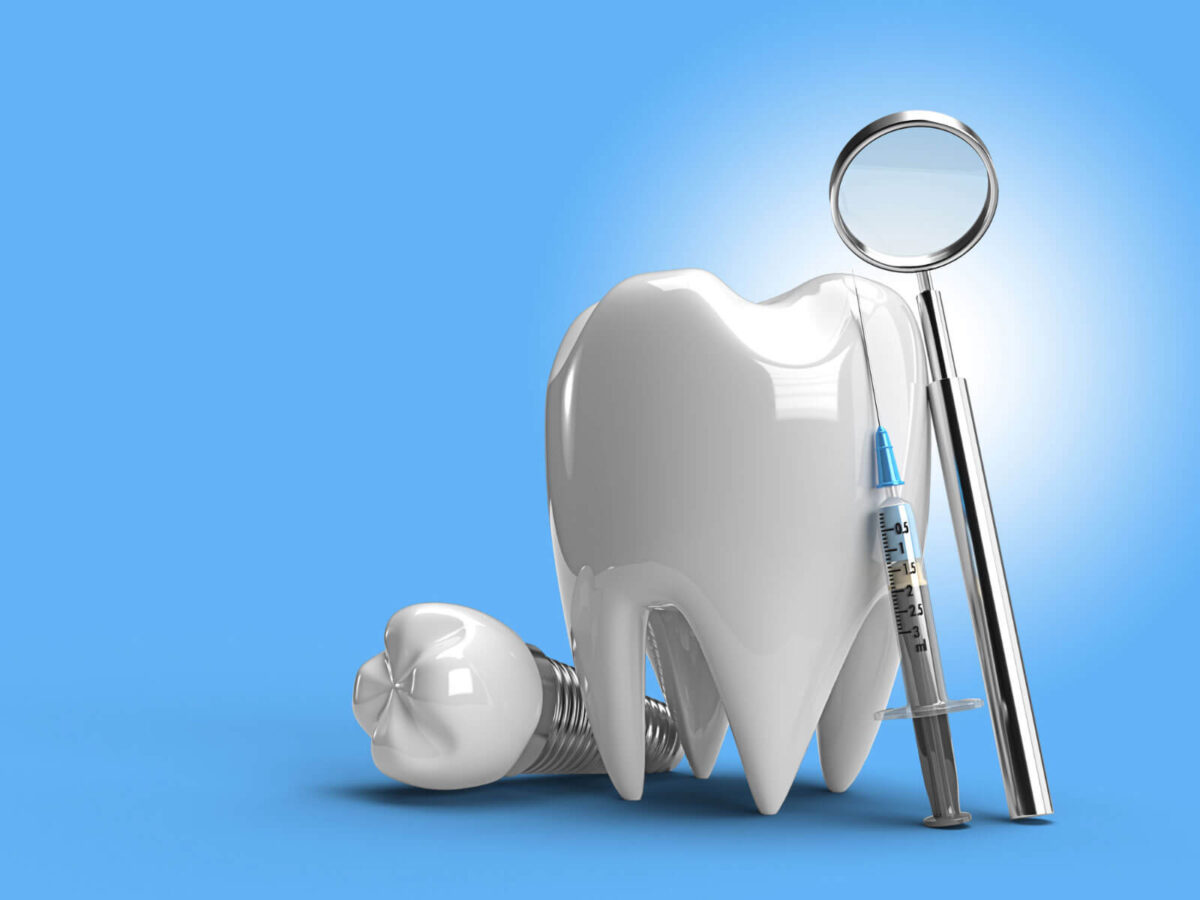
Instead of using a screw, the crown is attached through dental cement or a snug, precision-based connection. The implant itself still bonds with the bone in the same natural way.
So if someone wonders, “What are screwless dental implants?”, the
explanation is quite clear. The foundation remains unchanged, but the attachment method evolves.
How Do Screwless Dental Implants Work In Practice
The overall process is not very different from traditional implants, which often surprises patients. It begins with setting the implant post into the jawbone. Over time, the bone starts bonding with it as healing progresses. This connection builds the strength that implants are known for.
The National Institute of Dental and Craniofacial Research (NIDCR) notes that implants are made to attach to the bone. This is what gives them the strength to support replacement teeth. Once healing is complete, an abutment is placed to connect the implant to the crown.
This is the point where how do screwless dental implants work becomes a bit clearer. The crown is not screwed in. Instead, it is bonded using dental cement or fitted into place with a precise connection. That small change removes the need for a screw access hole completely.
What Research Says About Their Clinical Performance
It is common to think that taking away the screw might change the implant’s performance. In reality, it usually does not have much impact.
Research shared through the U.S. National Library of Medicine
(PubMed Central) explored different implant methods. It found that cement-retained and screw-retained restorations perform almost the same. Their survival rates are very close. Overall success is also similar.
That finding is important. It shows that screwless systems are not just an aesthetic upgrade. They are clinically reliable as well.
Another review supported by the same database reported that both systems typically achieve survival rates above 90 per cent over time, which is considered highly successful in dental treatment.
So from a research standpoint, both approaches perform well. The difference comes down to design preferences and specific case needs.
Why Screwless Implants Usually Look More Natural
One of the biggest advantages of screwless implants is appearance. Traditional implants include a small access point where the screw is inserted. Even though it is filled, it can sometimes affect the final look of the tooth. Screwless designs remove that element altogether. What you get instead is a smooth, even crown surface.
According to a clinical review in the International Team for Implantology (ITI) consensus database, cement-retained restorations tend to have a more pleasing appearance. They are often preferred when aesthetics matter more.
This difference is especially noticeable in visible areas like front teeth, where small details matter more.
How Fewer Mechanical Problems Can Make a Difference
In traditional implants, screws are used to hold everything together. With repeated use, they may start to loosen. This can happen during regular chewing. It is not extremely common, but it is one of the known technical complications.
Screwless systems remove that issue entirely. There is no screw to loosen or fracture. This makes the structure simpler. It also reduces one category of mechanical problems. That is one reason why screwless dental implants reviews often mention fewer long-term technical issues.
Where This Option May Fall Short
The benefits are clear, but screwless implants are not without their trade-offs. That is usually how it goes with most treatments.
A big part of the discussion is dental cement. If a little excess cement is left behind, it can stay trapped near the implant and irritate the gums. Sometimes it is minor. Sometimes it lingers longer than expected.
Research has shown that any cement left behind can sometimes lead to swelling. So dentists pay close attention to this step. They double-check everything.
Another thing to think about is retrievability. If something needs to be fixed later, taking off a cemented crown is not always straightforward. It takes more effort compared to a screw-retained one.
This does not mean screwless implants are a bad choice. It just shows that technique and planning matter more than people might assume.
How Comfort And Feel Can Be Slightly Different
This part is not always highlighted in research, but patients tend to notice it on their own. It is one of those small things that becomes clear only after living with it. Without a screw access hole, the crown feels smoother overall. There is no tiny filled spot on the surface, nothing that interrupts the texture.
That subtle difference changes how the tooth feels during everyday use. The tongue moves across it more naturally. It does not pause or catch on anything. Chewing can also feel a bit more even. Not dramatically different, but just slightly more balanced.
It is a small detail. Easy to overlook at first. But over time, it adds to the overall comfort and experience in a way people often appreciate.
Who Is A Good Candidate For Screwless Implants
Not every patient will be suited for this kind of implant. It really depends on the situation. Those with healthy gums and solid bone support tend to do well with it. It is also a good option when appearance matters, particularly in the front area.
If there is a chance adjustments will be needed later, screw-retained implants often make things easier. Dentists assess each case step by step. They look at bite pressure, positioning, and long-term maintenance before deciding what works best.
How Dentists Decide Between Screw And Screwless Options
This decision is not really about which system is better. It usually comes down to what fits the situation in front of the dentist. Both options are backed by research. Both have been working well for years.
Dentists do not just follow one rule here. They think about how the tooth will look. They think about future adjustments. Long-term care comes into the picture too. And yes, what the patient wants matters as well. When it comes to screwless dental implants, these same factors still apply.
The International Team for Implantology (ITI) has also commented on this. Both systems tend to work well when applied correctly. Sometimes, two cases appear very similar at first. Even then, the treatment approach can change.
FAQS
What are screwless dental implants?
They are implants where the crown is attached using cement or a snug friction fit instead of a screw.
How do screwless dental implants work?
The implant fuses with the jawbone. After that, the crown is then fixed in place.
Are they reliable?
Yes, studies show success rates above 90 per cent, similar to traditional options.
What do reviews say?
Many people mention better aesthetics and fewer small mechanical issues.
Conclusion
Screwless dental implants are not a replacement for traditional implants. They are an alternative. They simplify the visible design. They improve aesthetics. They remove certain mechanical risks. Even so, proper planning and careful placement are important. When you understand both options, choosing what fits your situation becomes simpler.
Thinking about implants? It is worth asking your dentist if screwless dental implants would work for you. Every case is a bit different. A proper consultation usually helps you figure out what feels comfortable. They help you choose what looks right and will hold up over time.