Crosby Family Dental

Categories
Dental care

Root Canal Recovery: Tips For A Smooth Healing Process

So, you just finished your root canal. Finally, right? No more drills, no more holding your mouth open for an hour. You could feel better and still have questions, and that’s completely normal.

What happens next? What should you do at home? How do you make sure you heal the right way?

That’s why your Crosby Dentist, TX, wants you to know the essentials. Let’s go over them. Step by step.

What To Expect After the Procedure?

First things first. Expect soreness.

Even though the nerve inside the tooth is gone, the tissue around it is still sensitive. Your body is adjusting.

You might feel tenderness when biting. Maybe some swelling. Maybe a little weirdness in your jaw. That’s normal.

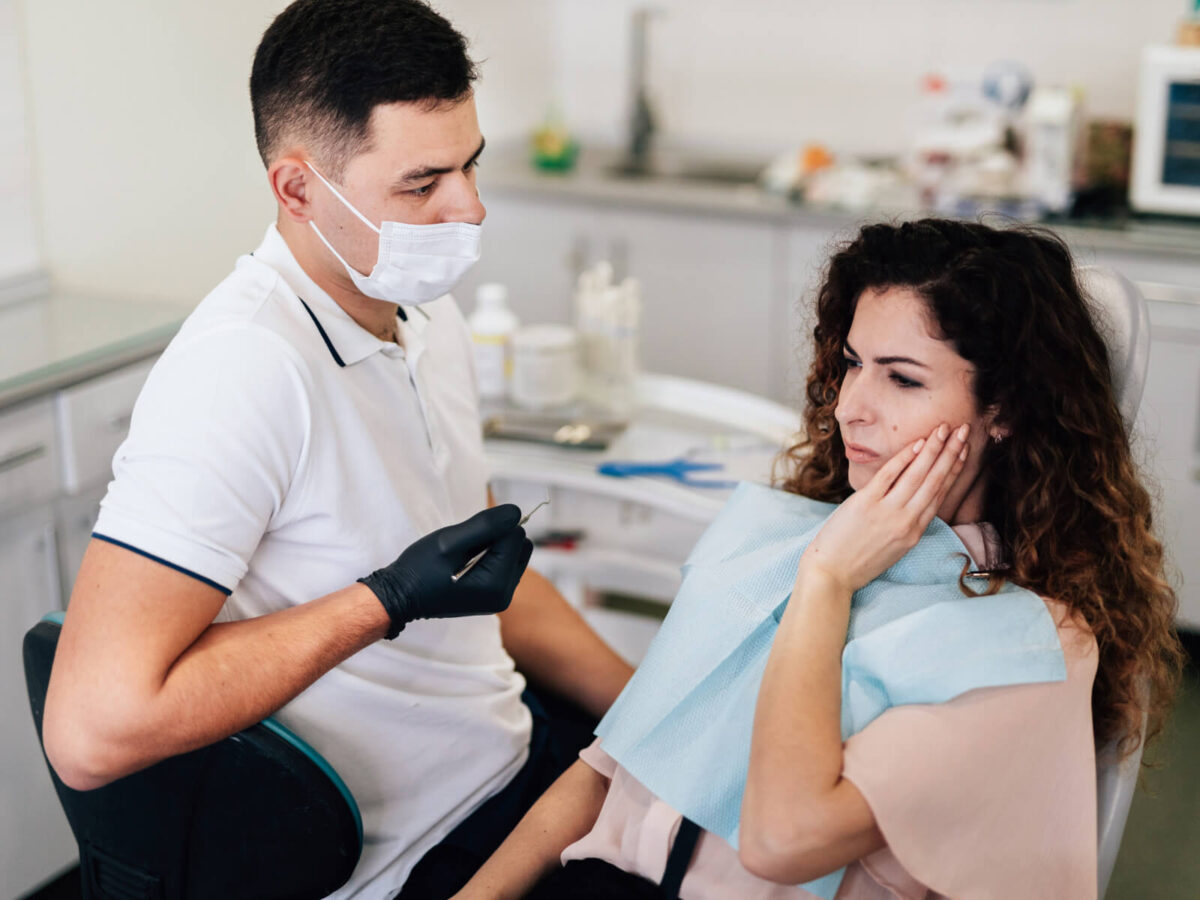
Usually, this fades in a few days. But if pain worsens or swelling grows? If you get a fever? You need to call your Crosby Dental Office, TX, right away.

Don’t wait and hope it gets better. Early attention can prevent bigger problems.

Follow Every Aftercare Instruction

Yes, I know. We all think we know best sometimes. But here’s the truth: your dentist’s recovery care advice matters.

Maybe your dentist told you to stick to the other side when you eat. Do it. Maybe they told you to rinse gently. Follow through.

Skipping steps might seem harmless. But it can undo your progress. It’s not just a matter of time; healing requires doing the right things.

So, if they gave you written instructions? Read them twice. If you’re unsure about anything? Call and ask.

How to Handle the Pain

A little discomfort? Totally normal.

Most people do fine with over-the-counter meds like ibuprofen or acetaminophen. Stick to the package directions. Don’t assume taking more will make you heal faster.

Also, be careful mixing medications. Only combine them if your dentist or doctor says it’s safe.

If pain lasts longer than a few days? Or gets worse instead of better? That’s your cue to check in. Your body’s giving you some signals you should pay attention to.

Rest

You might feel like you’re okay. Maybe you want to jump back into work or chores. But wait.

Give your body time to recover. Taking just a day or two to rest can make a bigger difference than you realize. Don’t rush back to the gym immediately. Skip the heavy lifting.

Take it slow. Watch a movie. Nap if you want. Give your body the chance to use that energy for recovery. You’ll bounce back faster when you respect what your body needs now.

Eat Soft, Gentle Foods

Food might not seem like a big deal, but it matters.

Try to stick with soft foods for the first couple of days. Foods like eggs and yogurt are perfect. Smoothies and soups also work.

Avoid crunchy foods like chips. Skip sticky candies or chewing gum. If you can, try biting using the other side of your mouth.

Your treated tooth is still adjusting. Protecting it now means fewer problems later.

Keep Your Mouth Clean, But Go Gently

It is crucial to take care of your teeth once the procedure is over. But just make sure you’re being gentle.

Use a soft toothbrush. Don’t scrub hard around the treated area. Brush gently, rinse softly, and keep things clean without overdoing it.

Mouthwashes with alcohol? Only if your dentist says it’s okay. Strong mouthwashes can bother your healing gums.
Clean, but gentle — that’s your goal.

Don’t Skip That Follow-Up

You might feel fine. Maybe you’re thinking about skipping your visit. Here’s the key point: your next visit is crucial.

Your Crosby Dentist, TX, will check how the tooth is healing.

They’ll usually fit a permanent crown too. That crown is essential. It strengthens the tooth, protects it, and keeps it working like normal.

Without it? Your tooth might be at a higher risk of cracking or breaking. Skipping the follow-up could waste all the work you just went through.

So, put it on your calendar. Make sure you go.

Avoid Smoking and Drinking for Now

If you’re a smoker, try to pause for a few days. Smoking slows healing by cutting down blood flow. It also raises the risk of infection.

Drinking alcohol? Best to skip that too, at least while you’re healing. Alcohol can irritate the area. It might not play well with pain meds.
A short break from these habits helps your mouth heal faster. It’s worth it.

Watch for Warning Signs

Most people recover without any issues. But you should know which signs mean trouble.

If you notice severe pain that doesn’t fade, swelling that spreads, a fever, or a strange taste or discharge, call your Crosby Dental Office TX right away.

Putting it off can turn a minor issue into something much worse. Acting fast helps keep the healing process on track.

Post-Root Canal Care is the Real Key

Here’s something a lot of people don’t realize: the root canal itself is just step one.

The real success comes from how you care for the tooth afterwards. With proper care, your tooth can remain healthy for years after a root canal. Maybe even for life.

But if you ignore follow-ups, skip hygiene, or chew on the wrong side too soon? Before you know it, you could find yourself back at the dentist’s office.

Final Thoughts

Post-root canal healing can be relatively straightforward. It’s all about small, steady steps.

Rest when you need to. Eat the right foods. Keep the area clean but gentle. Show up for your follow-up visit. And always, always call if something feels wrong.

Your Crosby Dentist TX, is here to help you heal well. Proper care will have you back to smiling, eating with ease, and feeling confident before you know it.
Categories
Dental care

How Often Should You Replace Your Toothbrush?

Seriously now—when did you last swap out that sad toothbrush of yours? Be honest. If you’re squinting at your bathroom counter right now, trying to remember, you’re not alone. At our Crosby Dental Office TX, we see toothbrushes that look like they’ve been through a war zone more often than you’d believe.

True story: Last week, a patient proudly told me they’d used the same toothbrush since their college graduation… in 2015. The bristles were practically doing the wave. No judgment — but let’s fix this.

How Often Should You Really Replace Your Toothbrush?

The official answer? Every 3–4 months. The real answer? It depends. Here’s what we tell our Crosby Dentist TX patients:

  • Manual brushes: 3 months max
  • Electric brush heads: Every 2 months (they wear faster)
  • Kids’ brushes: Check monthly (they scrub harder)
  • After being sick: Immediately (germs hide in bristles)

Pro tip: Mark your calendar when you open a new brush. Future-you will thank present-you.

5 Signs Your Toothbrush Needs to Go

Your toothbrush won’t scream “I’m done!” but it gives clear signals:
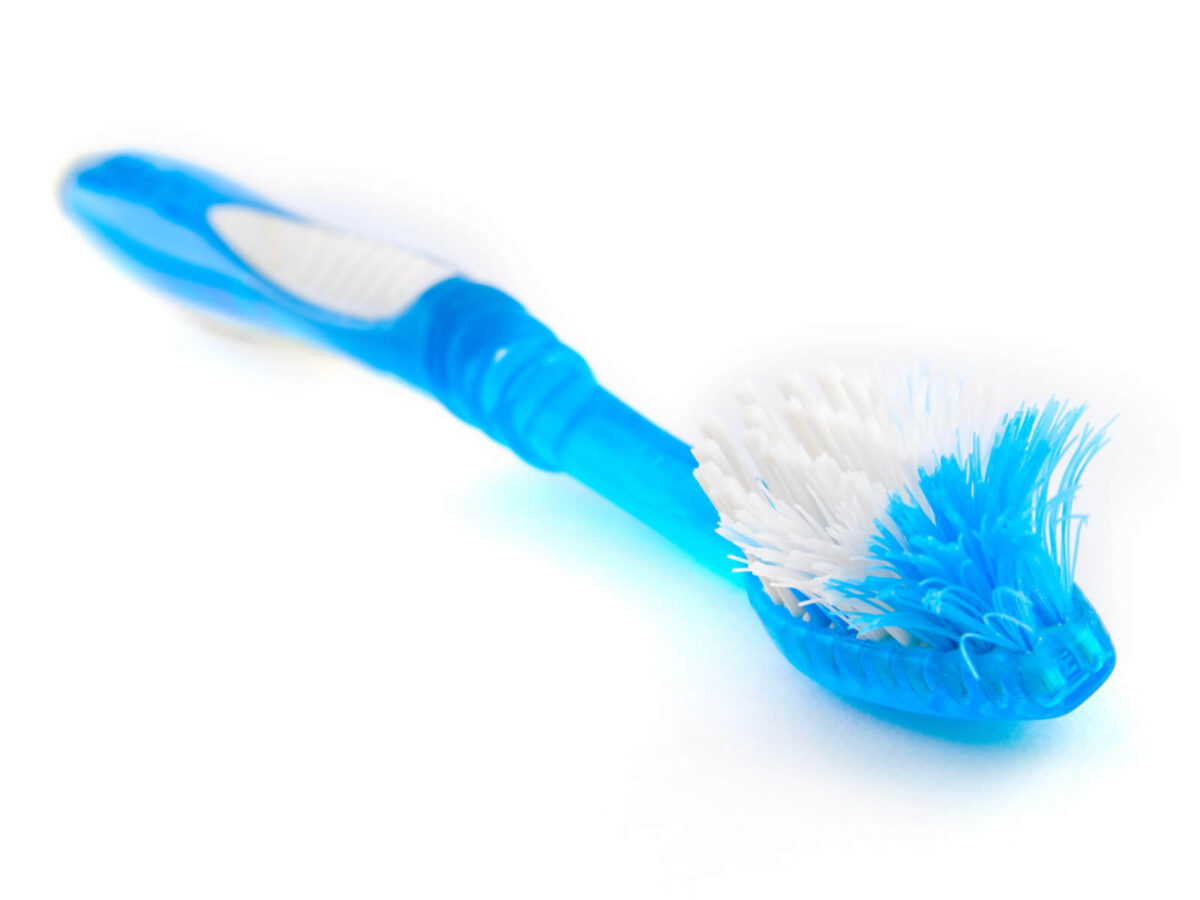
Bristles doing the splits (frayed = useless cleaning)

  • Funky colors (that pink isn’t raspberry flavor)
  • Weird smells (if it stinks, so does your mouth)
  • Bristles feel mushy (like overcooked spaghetti)
  • You can’t remember buying it (time flies when you’re not brushing properly)

Dentist hack: Hold your brush next to a new one. If it looks like a hedgehog after a hurricane, toss it.

Why This Actually Matters (More Than You Think)

That sad, frayed toothbrush of yours? It’s not just gross—it’s practically useless. You might as well try cleaning your car with a gas station napkin. Sure, you’re putting in the work, but instead of scrubbing away plaque, you’re just pushing it around like that last bit of ketchup on your plate.

I see patients at our Crosby Dental Office TX who swear they brush twice daily but still get cavities. Then I look at their sad, frayed toothbrush and the mystery solves itself. Those flattened bristles can’t possibly clean properly. And when your brush stops working, you instinctively press harder, which just damages your gums.

Scary Fact: Studies have found that old toothbrushes can be crawling with millions of bacteria, including harmful ones like staph and E. coli. That’s why it’s important not only to replace your toothbrush regularly but also to use the right cleaning methods. Knowing the types of toothbrushing techniques can help ensure you’re effectively removing plaque and bacteria without causing damage to your gums or enamel.

Toothbrush Care Tips You’ve Never Heard

At Crosby Dental Office TX, we go beyond “rinse it after use.” Try these:

  • Store upright to dry (no dark, damp cup holders)
  • Try to store it away from the toilet — when you flush, tiny particles can travel up to 6 feet.
  • Don’t share (not even with your spouse — ew)
  • Travel smart (use a vented case, not plastic wrap)

Bonus tip: If your toothbrush could talk, it would beg for retirement after 3 months – listen to it!

The Great Toothbrush Replacement Experiment

We recently challenged 10 patients at our Crosby Dental Office TX to track their brush replacement habits. The results? Eye-opening:

  • Only 2 replaced brushes on time
  • 5 admitted using the same brush for 6+ months
  • 3 didn’t realize electric brush heads needed replacing
  • All 10 reported cleaner-feeling teeth after switching to fresh brushes

Lesson learned: You don’t know how bad your old brush was until you try a new one.

Electric vs. Manual: Replacement Rules

For electric brush users:

  • Replace heads every 2 months
  • Watch for fading colored bristles (they show wear)
  • Buy in bulk to save money

For manual brush fans:

  • Hard bristles aren’t better (they damage gums)
  • Medium or soft is the way to go
  • Consider bamboo handles (eco-friendly)

Fun fact: Electric brush users typically replace heads more often because the wear is more obvious.

Kids’ Toothbrushes Need Extra Attention

Kids are tough on brushes (and not always thorough cleaners). If you’re a parent, here’s a tip from your Crosby, TX dentist:

  • Let them pick designs (more excitement = better care)
  • Check brushes weekly (kids chew bristles)
  • Replace after illnesses (strep germs linger)

Try using a timer app — two minutes can feel like an eternity for kids!
Parent hack: Buy toothbrushes when you buy school supplies — it helps remember to replace them.

What Happens If You Don’t Replace It?

Beyond the ick factor, old brushes:

  • Don’t clean properly (hello, plaque buildup)
  • Can damage gums (frayed bristles = ouch)
  • Spread bacteria (from brush to mouth to brush)
  • Cause bad brushing habits (you compensate by scrubbing too hard)

Real consequence: We often see patients with gum recession who’ve been using the same brush for a year. Coincidence? Nope.

How to Make Your Brush Last Longer

Want to get the most from your brush without overstaying its welcome?

  • Don’t scrub like you’re sanding wood (gentle circles work better)
  • Rinse with hot water (kills some bacteria)
  • Let it air dry completely (no wet, closed containers)
  • Store away from other brushes (no bristle cross-contamination)

Dentist secret: Your brush lasts longer if you floss first — less gunk on bristles.

The Cost of Not Replacing

Let’s talk money:

  • New manual brush: $3–$5
  • Electric brush head: $5–$10
  • Single cavity filling: $150–$400

Math doesn’t lie: Fresh brushes save money long-term.

FAQs From Our Crosby Dental Office TX Patients

Q: Can I disinfect my old brush?
A: Not really. Boiling warps bristles. Just replace it.
Q: What about UV sanitizers?
A: They help between replacements but aren’t a forever solution.
Q: My brush looks fine after 6 months…
A: Trust us — it’s not. Microscopic wear matters.
Q: Should I replace after COVID?
A: Yes! Any illness means new brush time.

Your Action Plan

Check your brush now (be honest about its condition)

Set a reminder (phone alerts work great)

Buy replacements in advance (no excuses)

Final thought: Your toothbrush is the cheapest yet most important tool for your smile. Give it (and your mouth) the fresh start they deserve.

Ready for a checkup? Call Crosby Dental Office TX today — we’ll even give you a new brush at your cleaning!