Blog
Dental hygiene tips for healthy teeth & gums
Do Root Canals Hurt? Pain Levels, Myths, and Facts
Few dental treatments have developed a reputation quite like the root canal. The phrase alone can make people uneasy. Some patients hear it and immediately assume pain is inevitable.
Dentists notice this reaction all the time. Someone sits down for an exam, hears the words “root canal,” and the first question arrives almost instantly. Do root canals hurt?
The answer usually surprises people. Modern root canal treatment is designed to remove pain, not create it. In many cases, the infection inside the tooth hurts more than the treatment.
When the difference becomes clear, the procedure usually feels easier to accept. Many patients realize it is not as painful as they first expected. The American Association of Endodontists has shared similar observations. Many patients say a root canal feels like getting a routine dental filling.
Why People Often Expect Root Canals to Be Worse
A lot of the fear around root canals does not come from the procedure itself. It usually comes from stories. Someone remembers a rough dental appointment from twenty or thirty years ago. They tell that story again later. Then someone else repeats it. Over time, the story sticks, and the procedure gets a reputation that never quite goes away.
The reality today looks very different. Dentistry has moved ahead quite a lot. The tools are different now. Dentists work with instruments that allow careful, precise treatment. Digital imaging shows clearer details inside the tooth. Even the anesthesia works more effectively than it did years ago.
That is why dentists pay close attention to comfort. The area around the tooth gets numbed first. After that, they wait until the anesthetic settles. Once it does, most patients notice pressure or movement, not sharp pain.
That is why dentists sometimes give a quiet smile when patients ask do root canals hurt. The question is common. The answer usually surprises people.
Why Tooth Infections Cause Pain Before the Procedure
People who require a root canal often walk into the dental office with pain already present. The ache usually began earlier. It rarely comes from the treatment itself.
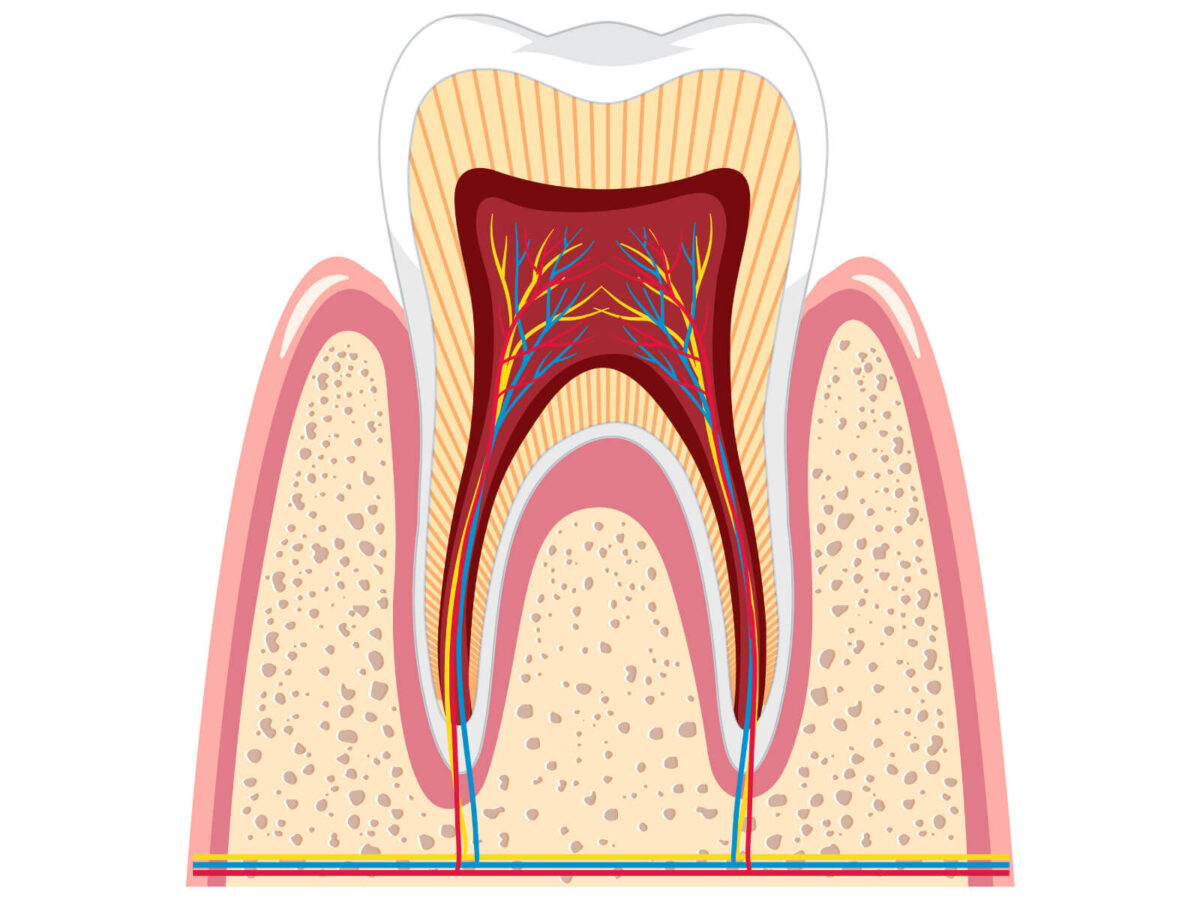
Each tooth contains a small inner chamber. Inside that space is soft tissue known as pulp. The pulp holds nerves and blood vessels that support tooth development early in life.
When bacteria enter this area, the tissue becomes inflamed. Pressure begins building because enamel and dentin around it are hard structures.
The result is the sharp, throbbing toothache many patients experience. When someone asks, “Is RCT painful?”, dentists often explain that the infection is usually the real source of the pain. Removing the infected pulp stops that pressure from building.
What Patients Usually Feel During a Root Canal
A root canal usually starts with local anesthesia. First, the tooth is numbed. The nearby gums as well. Then the dentist pauses for some time as numbness settles.
Once numbness sets in, the dentist carefully makes a small opening in the tooth. That small access point leads to the pulp inside the root canals.
Very fine instruments are then used to remove the infected tissue. The canals are cleaned slowly and shaped along the way. After that, they are disinfected and sealed with a filling material designed for this purpose.
Most patients notice pressure while this is happening. Sometimes they hear the sound of dental tools moving. Actual pain is not what people usually report.
So when someone asks, “How painful is a root canal?”, dentists often explain that the feeling is closer to getting a regular filling.
Why Mild Soreness May Appear Afterwards
Even when the procedure itself feels comfortable, a little soreness can show up afterwards. This does not come as a surprise to dentists. The tissues around the tooth were often irritated before treatment even began because of infection. A simple comparison is a mild muscle strain. The issue gets treated, yet the body still takes time to recover.
For a few days, chewing may feel different. The area might seem a little tender. Usually, the discomfort improves without any treatment. Many patients handle it easily with common pain relief medication.
Root canal treatment removes infected tissue inside the tooth.
According to the National Institute of Dental and Craniofacial Research, this helps surrounding structures recover naturally. After a little time passes, the tooth often begins to feel normal again.
Why Modern Root Canal Treatment Is Much Easier
Dental care has changed quite a bit over the years. Many tools used in clinics today were unavailable decades ago. Digital X-rays are one example. They help dentists see the inside of the tooth.
The images give dentists a clearer idea of where treatment is required. They can see the shape of the canals before beginning the procedure. Specialized instruments are designed to move through those tight spaces while removing infected tissue.
Anesthesia has improved as well. Dentists can numb the area much more effectively than in the past. Because of these advances, the experience today is usually far easier than many people expect when they ask how painful a root canal is.
Why Root Canal Myths Continue to Spread
Even with the improvements in modern dentistry, several myths about root canals still circulate. The belief that the treatment is extremely painful is still common. Much of it comes from stories that have been repeated for years. Dentistry today has changed a lot.
These beliefs usually start with outdated information or secondhand experiences. Someone hears about a difficult dental visit years ago and assumes every root canal must feel the same. Many dentists spend time walking patients through the procedure first. Once the process becomes clearer, patients often begin to feel less anxious.
The American Dental Association states that root canal therapy is a safe and effective treatment used to save infected teeth. When people learn this, the question do root canals hurt usually feels much less frightening than it did at first.
Why Many Patients Feel Relief After Treatment
Patients who need a root canal rarely arrive feeling comfortable. Usually, the tooth is already hurting. Infection builds pressure inside the tooth. That pressure causes the throbbing pain many people feel.
Once the infected pulp is removed, that pressure disappears. The intense pain often fades fairly quickly. Some tenderness may remain while the tissues settle, but it is usually very different from the original infection pain.
Dentists often explain that the procedure removes the cause of the problem. It does not simply cover symptoms. That is why the question “how painful is a root canal” sometimes changes after treatment, because many patients feel relief instead.
FAQs
Do root canals hurt during the procedure?
No. The tooth is numbed first.
How painful is a root canal?
Some patients say it feels about the same as a filling.
Is RCT painful after the treatment?
Some soreness may appear briefly.
Conclusion
Root canal treatment has a reputation that often sounds much worse than reality. The procedure itself is designed to eliminate infection and relieve pain rather than create it.
Understanding “do root canals hurt” helps separate myth from fact. Modern dental techniques allow dentists to treat infected teeth while keeping patients comfortable.
For people asking “how painful is a root canal” or wondering “is RCT painful?” the experience is often far easier than expected.
Addressing the infection early protects the tooth and prevents more serious dental problems later.