Blog
Dental hygiene tips for healthy teeth & gums
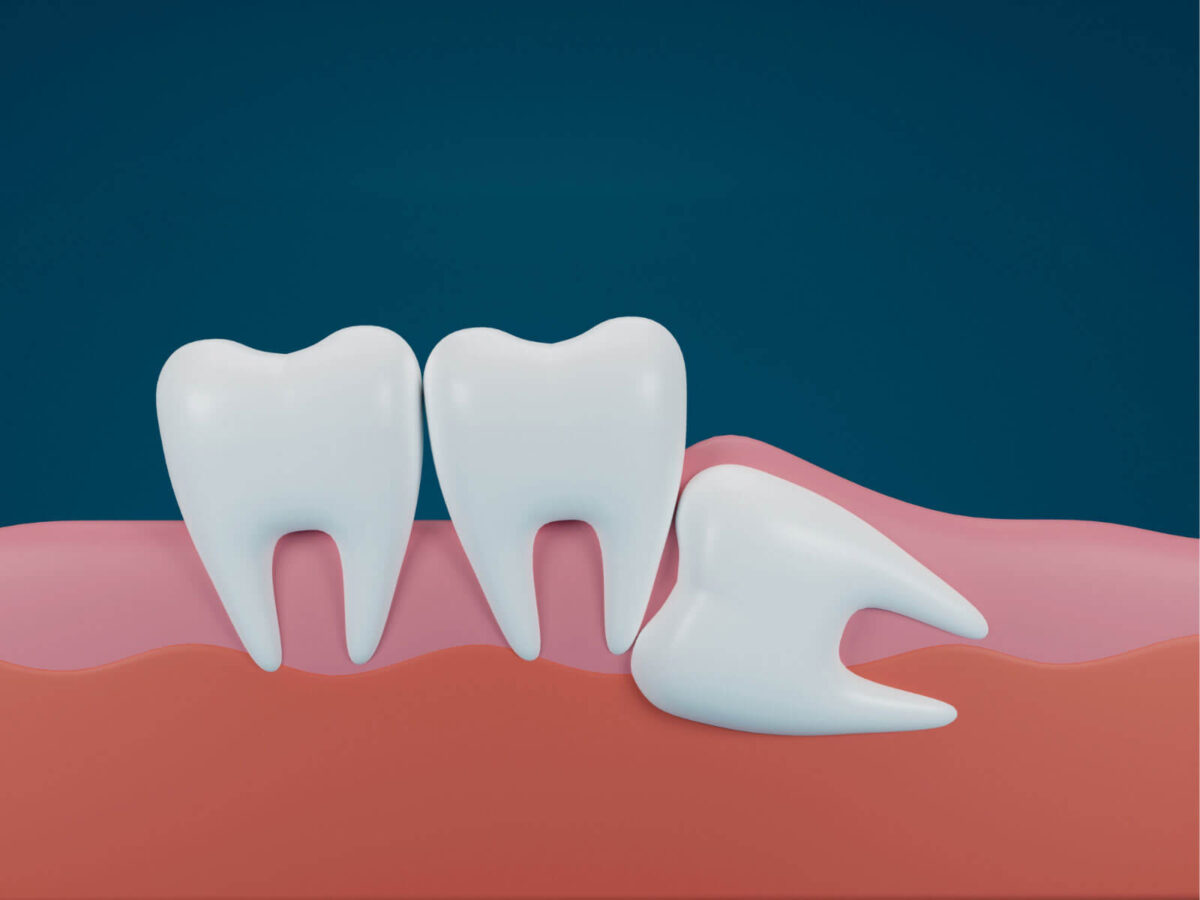
Does Everyone Have Wisdom Teeth?
Wisdom teeth almost feel like something everyone signs up for automatically. By your late teens, at least one friend has already had them removed. You’ve seen the photos with swollen cheeks. You hear about the soft food phase and the swollen faces. After hearing it enough times, it starts to sound like a sure thing.
With how common it sounds, few people think to ask, does everyone have wisdom teeth? It seems like they do. Most people assume they’re simply there, waiting to come in eventually. That assumption doesn’t hold true across the board. The short answer is no. The longer explanation comes down to how differently people develop.
What Wisdom Teeth Actually Are And Why We Have Them
Wisdom teeth are simply the third molars. They sit at the very back of the mouth and are the last permanent teeth to develop.
Historically, they were useful. Long ago, people had stronger jaws because their food demanded it.
As food preparation changed and diets softened, jaw sizes gradually shifted. Anthropologists have written about this transition for decades. With slightly smaller jaws came less room for extra molars.
That evolutionary shift is one reason why the question “Does everyone get wisdom teeth?” doesn’t have a universal yes attached to it. Biology adapts slowly. But it does adapt.
Does Everyone Have Wisdom Teeth?
No, and this isn’t just based on random stories. There’s actual research behind it. A review published in the Journal of Clinical and Diagnostic Research looked at third molar agenesis, which is simply the term for being born without one or more wisdom teeth. The numbers were wider than most people expect. Depending on the population studied, somewhere between 5% and 37% of people were missing at least one third molar.
That’s not a tiny number. It means that when someone asks does everyone have wisdom teeth, the scientific answer is clearly no. Some people grow all four. Some grow one or two. Some never develop any at all. And most people don’t even realize it unless an X-ray reveals it.
Why It Seems Like Everyone Has Them
So if not everyone gets them, why does it feel so common? Part of it is social exposure. You’re far more likely to hear about someone’s surgery than someone casually mentioning they never developed third molars at all. There’s nothing dramatic about not having them.
No ice packs. No soft food stories. No dramatic post-op selfies.
So culturally, it begins to sound like everyone goes through it. The question “Does everyone have wisdom teeth?” starts to feel almost rhetorical because removal is so visible. But visibility isn’t the same as universality. In fact, some people only discover in adulthood that they were born without them. No symptoms or warning. Just absence, and usually, a bit of surprise.
Why Some People Never Develop Wisdom Teeth
When people hear that some individuals are born without third molars, the next question naturally becomes why do some people not have wisdom teeth?
The explanation is largely genetic. Tooth development begins very early in life. If the gene expression responsible for forming a third molar isn’t activated, that tooth simply never develops under the gums.
There’s also evolutionary evidence supporting this pattern. Studies published in the American Journal of Physical Anthropology have linked third molar absence to long-term reductions in jaw size across populations.
In simpler terms, if there isn’t space and the body no longer “expects” that space, sometimes the tooth doesn’t form.
So when someone wonders, “Does everyone grow wisdom teeth?” the real answer lies in inherited biological patterns, not lifestyle.
Why Do So Many People Get Them Removed Then?
This is where perception gets skewed. The American Association of Oral and Maxillofacial Surgeons has pointed out that nearly 10 million wisdom teeth come out each year in the U.S. That number is huge. It makes removal feel universal.
But removal statistics don’t mean universal development. They mean that among people who do develop wisdom teeth, impaction and crowding are common enough to justify surgery in many cases.
In other words, “does everyone get wisdom teeth” is different from “does everyone need surgery.” Those are two separate realities.
Does Everyone Grow Wisdom Teeth That Cause Problems?
No, and this detail often gets missed. Certain wisdom teeth erupt fully and function similarly to normal molars. Sometimes a tooth is partially impacted and simply stays that way without causing issues. The British Dental Journal has reported that impacted third molars don’t always lead to disease, which means removal isn’t always mandatory.
So when people ask, “Does everyone grow wisdom teeth?”, they often assume the answer automatically leads to removal. It doesn’t. Some people keep their wisdom teeth for life without issue.
Is It Becoming More Common Not to Have Them?
There’s growing evidence suggesting that third molar agenesis may be increasing in certain populations.
Back in 2016, The Journal of Oral Biology and Craniofacial Research published research comparing how common missing third molars are across global populations. The numbers differed by region, but one thing was clear — it’s not rare.
When people revisit the question “Does everyone have wisdom teeth?”, it’s helpful to understand that the answer may continue shifting slowly over generations. Evolution doesn’t move quickly. But it does leave patterns.
Can You Tell If You Don’t Have Wisdom Teeth?
Not always. If wisdom teeth erupt fully, you’ll likely notice them. But if they never form at all, you wouldn’t know without imaging. That’s why dental X-rays are the most reliable way to answer “Does everyone have wisdom teeth” on a personal level.
Some people go through life assuming they had them removed years ago, only to discover they never had them to begin with. It’s surprisingly common.
FAQs
Does everyone get wisdom teeth eventually?
No. Data shows that between 5% and 37% of people may never develop at least one third molar. So the answer to does everyone get wisdom teeth is definitely no.
How is it that some people just don’t have them?
It usually traces back to family traits and long-term changes in how our bodies have evolved.
Does everyone grow wisdom teeth that need removal?
No. Although about 10 million wisdom teeth are removed annually in the U.S., many third molars remain healthy and asymptomatic.
Does everyone grow wisdom teeth in their teens?
Not necessarily. Some erupt in the late teens, others in their twenties, and some remain impacted or never develop.
Is it better not to have wisdom teeth?
There’s no medical disadvantage to being born without them. In fact, it eliminates the risk of impaction.
Final Thoughts
The question “Does everyone have wisdom teeth?” must always be answered “yes” is simply a misconception fueled by how common removal stories are. Biology allows for variation. Genetics influences development. Evolution shapes patterns over generations.
Some people grow all four wisdom teeth. Some grow fewer. Some grow none at all. If you’re unsure where you fall, a routine dental exam with imaging will give you clarity. And if you happen to be among those who never developed them, consider yourself part of a very normal variation in human anatomy.