Crosby Family Dental

Categories
Dental care

Do Root Canals Hurt? Pain Levels, Myths, and Facts

Few dental treatments have developed a reputation quite like the root canal. The phrase alone can make people uneasy. Some patients hear it and immediately assume pain is inevitable.

Dentists notice this reaction all the time. Someone sits down for an exam, hears the words “root canal,” and the first question arrives almost instantly. Do root canals hurt?
The answer usually surprises people. Modern root canal treatment is designed to remove pain, not create it. In many cases, the infection inside the tooth hurts more than the treatment.

When the difference becomes clear, the procedure usually feels easier to accept. Many patients realize it is not as painful as they first expected. The American Association of Endodontists has shared similar observations. Many patients say a root canal feels like getting a routine dental filling.

Why People Often Expect Root Canals to Be Worse

A lot of the fear around root canals does not come from the procedure itself. It usually comes from stories. Someone remembers a rough dental appointment from twenty or thirty years ago. They tell that story again later. Then someone else repeats it. Over time, the story sticks, and the procedure gets a reputation that never quite goes away.

The reality today looks very different. Dentistry has moved ahead quite a lot. The tools are different now. Dentists work with instruments that allow careful, precise treatment. Digital imaging shows clearer details inside the tooth. Even the anesthesia works more effectively than it did years ago.

That is why dentists pay close attention to comfort. The area around the tooth gets numbed first. After that, they wait until the anesthetic settles. Once it does, most patients notice pressure or movement, not sharp pain.

That is why dentists sometimes give a quiet smile when patients ask do root canals hurt. The question is common. The answer usually surprises people.

Why Tooth Infections Cause Pain Before the Procedure

People who require a root canal often walk into the dental office with pain already present. The ache usually began earlier. It rarely comes from the treatment itself.

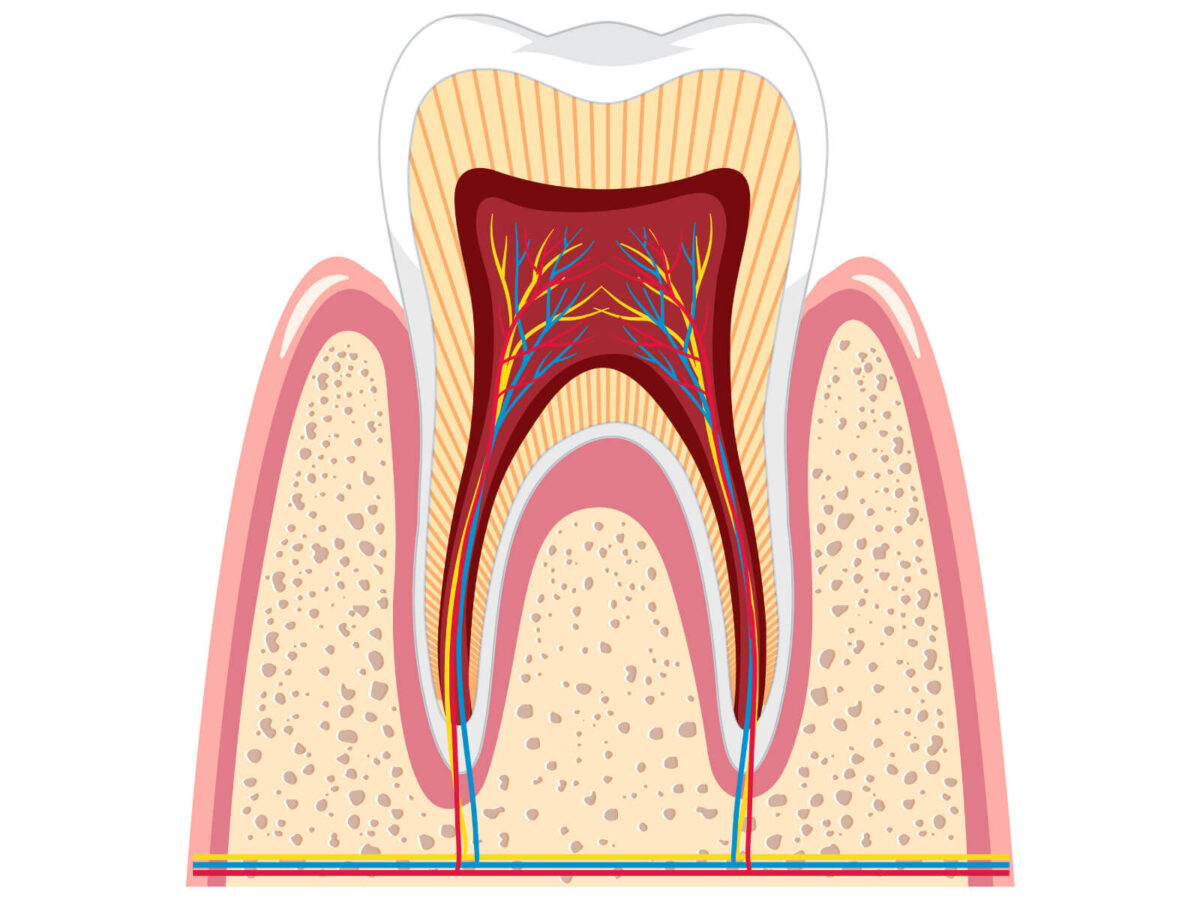
Each tooth contains a small inner chamber. Inside that space is soft tissue known as pulp. The pulp holds nerves and blood vessels that support tooth development early in life.

When bacteria enter this area, the tissue becomes inflamed. Pressure begins building because enamel and dentin around it are hard structures.

The result is the sharp, throbbing toothache many patients experience. When someone asks, “Is RCT painful?”, dentists often explain that the infection is usually the real source of the pain. Removing the infected pulp stops that pressure from building.

What Patients Usually Feel During a Root Canal

A root canal usually starts with local anesthesia. First, the tooth is numbed. The nearby gums as well. Then the dentist pauses for some time as numbness settles.
Once numbness sets in, the dentist carefully makes a small opening in the tooth. That small access point leads to the pulp inside the root canals.

Very fine instruments are then used to remove the infected tissue. The canals are cleaned slowly and shaped along the way. After that, they are disinfected and sealed with a filling material designed for this purpose.

Most patients notice pressure while this is happening. Sometimes they hear the sound of dental tools moving. Actual pain is not what people usually report.

So when someone asks, “How painful is a root canal?”, dentists often explain that the feeling is closer to getting a regular filling.

Why Mild Soreness May Appear Afterwards

Even when the procedure itself feels comfortable, a little soreness can show up afterwards. This does not come as a surprise to dentists. The tissues around the tooth were often irritated before treatment even began because of infection. A simple comparison is a mild muscle strain. The issue gets treated, yet the body still takes time to recover.

For a few days, chewing may feel different. The area might seem a little tender. Usually, the discomfort improves without any treatment. Many patients handle it easily with common pain relief medication.
Root canal treatment removes infected tissue inside the tooth.

According to the National Institute of Dental and Craniofacial Research, this helps surrounding structures recover naturally. After a little time passes, the tooth often begins to feel normal again.

Why Modern Root Canal Treatment Is Much Easier

Dental care has changed quite a bit over the years. Many tools used in clinics today were unavailable decades ago. Digital X-rays are one example. They help dentists see the inside of the tooth.

The images give dentists a clearer idea of where treatment is required. They can see the shape of the canals before beginning the procedure. Specialized instruments are designed to move through those tight spaces while removing infected tissue.

Anesthesia has improved as well. Dentists can numb the area much more effectively than in the past. Because of these advances, the experience today is usually far easier than many people expect when they ask how painful a root canal is.

Why Root Canal Myths Continue to Spread

Even with the improvements in modern dentistry, several myths about root canals still circulate. The belief that the treatment is extremely painful is still common. Much of it comes from stories that have been repeated for years. Dentistry today has changed a lot.

These beliefs usually start with outdated information or secondhand experiences. Someone hears about a difficult dental visit years ago and assumes every root canal must feel the same. Many dentists spend time walking patients through the procedure first. Once the process becomes clearer, patients often begin to feel less anxious.

The American Dental Association states that root canal therapy is a safe and effective treatment used to save infected teeth. When people learn this, the question do root canals hurt usually feels much less frightening than it did at first.

Why Many Patients Feel Relief After Treatment

Patients who need a root canal rarely arrive feeling comfortable. Usually, the tooth is already hurting. Infection builds pressure inside the tooth. That pressure causes the throbbing pain many people feel.

Once the infected pulp is removed, that pressure disappears. The intense pain often fades fairly quickly. Some tenderness may remain while the tissues settle, but it is usually very different from the original infection pain.

Dentists often explain that the procedure removes the cause of the problem. It does not simply cover symptoms. That is why the question “how painful is a root canal” sometimes changes after treatment, because many patients feel relief instead.

FAQs

Do root canals hurt during the procedure?

No. The tooth is numbed first.

How painful is a root canal?

Some patients say it feels about the same as a filling.

Is RCT painful after the treatment?

Some soreness may appear briefly.

Conclusion

Root canal treatment has a reputation that often sounds much worse than reality. The procedure itself is designed to eliminate infection and relieve pain rather than create it.
Understanding “do root canals hurt” helps separate myth from fact. Modern dental techniques allow dentists to treat infected teeth while keeping patients comfortable.

For people asking “how painful is a root canal” or wondering “is RCT painful?” the experience is often far easier than expected.
Addressing the infection early protects the tooth and prevents more serious dental problems later.

Categories
Dental care

Why Are Wisdom Teeth Called “Wisdom” Teeth?

Why the Name Sounds More Meaningful Than Medical
Most dental terms sound technical. Molars, enamel, incisors—they describe position or function. Wisdom teeth feel different. The name sounds almost philosophical.

That often leads people to wonder, “Why are they called wisdom teeth?” in the first place. The teeth themselves don’t make anyone wiser, yet the name has remained for centuries.

Many people first think about this in their late teens, usually when these teeth begin creating pressure or a strange kind of ache. Someone mentions wisdom teeth removal, and the question suddenly comes up. Why are they even called wisdom teeth? The answer has less to do with dentistry and more with timing and how adulthood used to be understood.

Why These Teeth Appear Later Than Others

Most permanent teeth arrive during childhood. By early adolescence, nearly all adult teeth are already in place. Wisdom teeth follow a different sequence. They usually appear between the late teens and early twenties, long after the rest of the mouth has developed.

Historically, this age was associated with maturity. People believed individuals gained judgment and life experience during this stage of life. Because these molars erupted when a person was considered older and wiser, the connection formed naturally. That timing explains much of “why is it called the wisdom tooth” rather than simply a third molar. The name reflected age rather than anatomy.

How Ancient Cultures Viewed Late-Growing Teeth

Long before modern dentistry existed, people noticed that these final molars appeared during early adulthood. Ancient Greek and Roman writings referenced them as teeth linked to maturity. The philosopher Hippocrates reportedly described these molars as appearing when understanding developed. Over time, translations reinforced the association between age and wisdom.

Many languages adopted similar meanings. In Latin, they were called dentes sapientiae. Which literally meant “teeth of wisdom.” As the term passed through different cultures, its meaning stayed surprisingly steady. Even with modern science offering clearer explanations, the link still holds today. The name remained simply because it felt important enough to keep.

Why Humans Even Have Wisdom Teeth

Understanding “why are they called wisdom teeth” naturally brings up another question. If they create crowding so often today, why do humans still have it? Food thousands of years ago was not soft or easy to chew. People relied on hard plants and uncooked meat, so stronger chewing was necessary, and larger jaws with additional molars helped handle that daily strain.

As cooking became more common over time, food slowly grew easier to chew. Human jaws began getting smaller across generations, while tooth development continued much the same as before. The teeth stayed, even though the space meant for them slowly disappeared.

Studies referenced by the National Institute of Dental and Craniofacial Research point toward dietary changes influencing the gradual shift seen in human jaw size. That mismatch between jaw size and tooth number explains why wisdom teeth frequently lack sufficient space today.

Why Wisdom Teeth Often Cause Problems Now

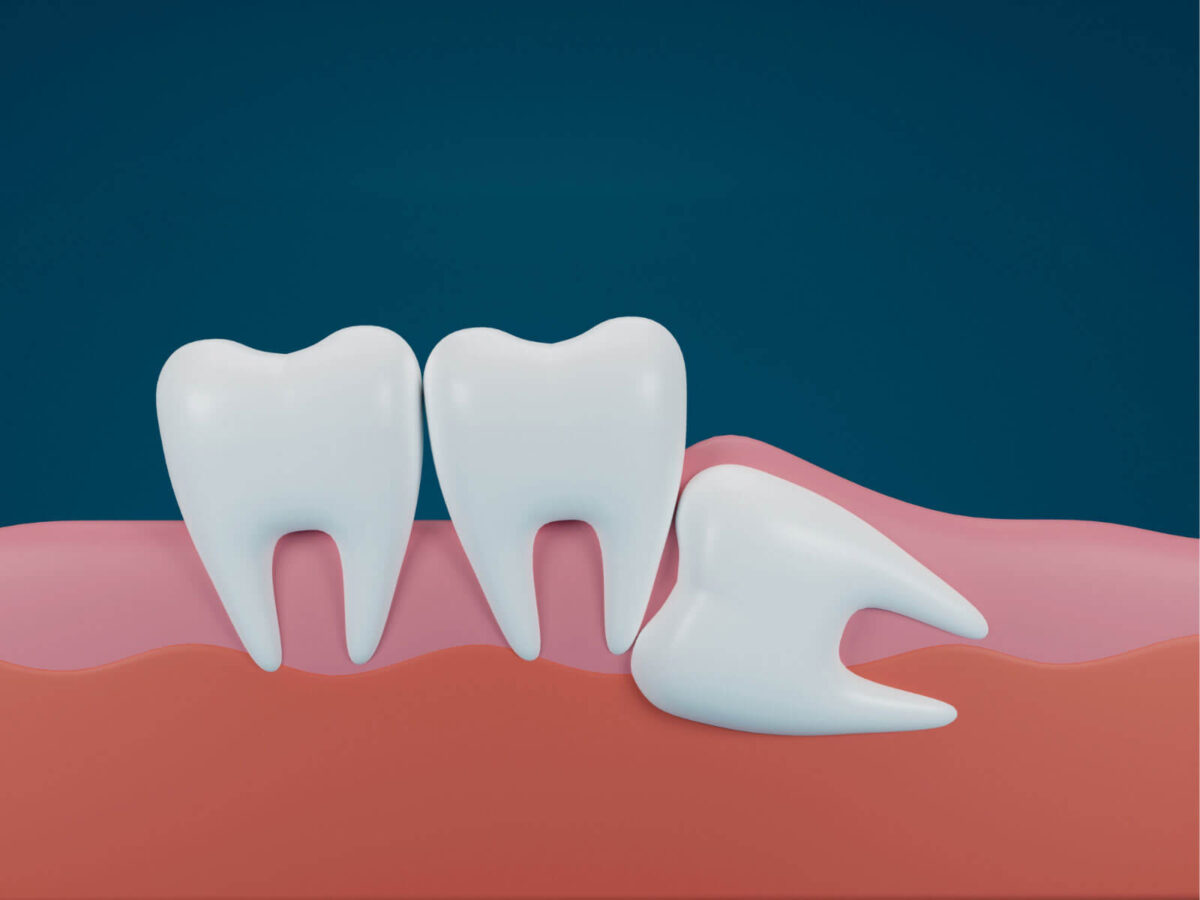
In earlier populations, wisdom teeth commonly erupted without difficulty. In modern mouths, space is often limited. This can cause these teeth to emerge sideways, remain beneath the gum line, or break through only partway. Ironically, teeth once associated with maturity now often require removal.

This shift doesn’t change “why is it called the wisdom tooth”, but it does explain why the experience surrounding it feels less symbolic and more clinical today. The name stayed even as circumstances changed.

Why Not Everyone Develops Wisdom Teeth

Another interesting detail is that some people never develop wisdom teeth at all. Genetic variation means certain populations experience missing third molars more frequently. Evolution may still be gradually reducing its presence. For those who never develop them, the historical meaning remains more cultural than physical.

The absence of these teeth doesn’t suggest anything about maturity or intelligence. It simply reflects natural variation. The name, somehow, continues to spark curiosity.

How the Idea of Wisdom Became Symbolic

People did not always understand wisdom teeth strictly through biology. Many cultures connected their appearance with maturity, independence, and the gradual shift into adulthood. That history continues to shape the curiosity people feel about any deeper or spiritual meaning of wisdom teeth.

Dentistry explains wisdom teeth in medical terms, though cultural beliefs continue alongside that view. Some people view their eruption as a sign of maturity rather than thinking of it only as a dental change.

What People Mean by the Spiritual Meaning

The spiritual meaning of wisdom teeth is often discussed in symbolic rather than scientific terms. Some believe their emergence represents entering a stage of self-awareness or responsibility. Others associate removal with letting go of past habits or transitions in life.

There is no medical evidence supporting spiritual effects. Symbolism often forms around physical changes. In the same way, losing baby teeth reflects childhood development. Wisdom teeth gradually became connected with adulthood. The meaning exists because people assign significance to timing.

Why the Name Persisted Even in Modern Dentistry

Modern dentistry refers to these teeth as third molars. Yet the traditional name remains far more common. Patients rarely say they are having third molars removed. They say wisdom teeth.

Language tends to preserve familiar ideas, especially when they carry cultural meaning. Even professionals often use the traditional term during conversations because it feels easier to understand.

The continued use reinforces curiosity about “why are they called wisdom teeth”, keeping the historical explanation alive. Sometimes tradition simply proves stronger than technical terminology.

When Wisdom Teeth Actually Need Attention

Removal is not automatically required for wisdom teeth. Some grow in without causing trouble and function normally alongside other molars. Dentists usually take time to evaluate placement, gum health, and available room before recommending anything further.

The American Association of Oral and Maxillofacial Surgeons also refers to monitoring as part of routine care. Dentists often learn more simply by watching how these teeth behave over time.

So the decision rarely depends on the name. In practice, wisdom teeth are assessed much like any other tooth, with attention placed on comfort and function.

Why the Question Still Matters Today

The continued interest in “why is it called the wisdom tooth” often goes beyond dentistry alone. People often become curious about terms that feel meaningful instead of strictly medical. Wisdom teeth remain one of the few medical names connected to life stages instead of physical structure.

The question brings together history, culture, and biology in a straightforward way. Even patients preparing for removal sometimes ask about the name before discussing recovery. This curiosity highlights how language plays a role in how health experiences are interpreted.

FAQs

Why the term wisdom teeth?

The name relates to the age they appear, not their function.

Do wisdom teeth make people wiser?

No. The term reflects historical ideas about maturity.

What is the spiritual meaning of wisdom teeth?

Some cultures associate them with adulthood or personal transition.

Are wisdom teeth necessary today?

Not always. Many people function normally without them.

Conclusion

The meaning behind “why are they called wisdom teeth” is rooted more in history than dentistry. These final molars received their name because they tend to appear during early adulthood, a phase once linked with gaining wisdom and independence. While modern living has changed how these teeth function, the traditional name has remained.

Seen medically or symbolically, wisdom teeth reflect the connection between biology and human language. Learning “why it is called the wisdom tooth” adds a bit of context to something many people go through. If your wisdom teeth are bothering you or raising questions, a dentist can help you understand what to expect next.

Categories
Dental care

Does Everyone Have Wisdom Teeth?

Wisdom teeth almost feel like something everyone signs up for automatically. By your late teens, at least one friend has already had them removed. You’ve seen the photos with swollen cheeks. You hear about the soft food phase and the swollen faces. After hearing it enough times, it starts to sound like a sure thing.

With how common it sounds, few people think to ask, does everyone have wisdom teeth? It seems like they do. Most people assume they’re simply there, waiting to come in eventually. That assumption doesn’t hold true across the board. The short answer is no. The longer explanation comes down to how differently people develop.

What Wisdom Teeth Actually Are And Why We Have Them

Wisdom teeth are simply the third molars. They sit at the very back of the mouth and are the last permanent teeth to develop.

Historically, they were useful. Long ago, people had stronger jaws because their food demanded it.

As food preparation changed and diets softened, jaw sizes gradually shifted. Anthropologists have written about this transition for decades. With slightly smaller jaws came less room for extra molars.

That evolutionary shift is one reason why the question “Does everyone get wisdom teeth?” doesn’t have a universal yes attached to it. Biology adapts slowly. But it does adapt.

Does Everyone Have Wisdom Teeth?

No, and this isn’t just based on random stories. There’s actual research behind it. A review published in the Journal of Clinical and Diagnostic Research looked at third molar agenesis, which is simply the term for being born without one or more wisdom teeth. The numbers were wider than most people expect. Depending on the population studied, somewhere between 5% and 37% of people were missing at least one third molar.

That’s not a tiny number. It means that when someone asks does everyone have wisdom teeth, the scientific answer is clearly no. Some people grow all four. Some grow one or two. Some never develop any at all. And most people don’t even realize it unless an X-ray reveals it.

Why It Seems Like Everyone Has Them

So if not everyone gets them, why does it feel so common? Part of it is social exposure. You’re far more likely to hear about someone’s surgery than someone casually mentioning they never developed third molars at all. There’s nothing dramatic about not having them.

No ice packs. No soft food stories. No dramatic post-op selfies.

So culturally, it begins to sound like everyone goes through it. The question “Does everyone have wisdom teeth?” starts to feel almost rhetorical because removal is so visible. But visibility isn’t the same as universality. In fact, some people only discover in adulthood that they were born without them. No symptoms or warning. Just absence, and usually, a bit of surprise.

Why Some People Never Develop Wisdom Teeth

When people hear that some individuals are born without third molars, the next question naturally becomes why do some people not have wisdom teeth?

The explanation is largely genetic. Tooth development begins very early in life. If the gene expression responsible for forming a third molar isn’t activated, that tooth simply never develops under the gums.

There’s also evolutionary evidence supporting this pattern. Studies published in the American Journal of Physical Anthropology have linked third molar absence to long-term reductions in jaw size across populations.

In simpler terms, if there isn’t space and the body no longer “expects” that space, sometimes the tooth doesn’t form.
So when someone wonders, “Does everyone grow wisdom teeth?” the real answer lies in inherited biological patterns, not lifestyle.

Why Do So Many People Get Them Removed Then?

This is where perception gets skewed. The American Association of Oral and Maxillofacial Surgeons has pointed out that nearly 10 million wisdom teeth come out each year in the U.S. That number is huge. It makes removal feel universal.

But removal statistics don’t mean universal development. They mean that among people who do develop wisdom teeth, impaction and crowding are common enough to justify surgery in many cases.
In other words, “does everyone get wisdom teeth” is different from “does everyone need surgery.” Those are two separate realities.

Does Everyone Grow Wisdom Teeth That Cause Problems?

No, and this detail often gets missed. Certain wisdom teeth erupt fully and function similarly to normal molars. Sometimes a tooth is partially impacted and simply stays that way without causing issues. The British Dental Journal has reported that impacted third molars don’t always lead to disease, which means removal isn’t always mandatory.

So when people ask, “Does everyone grow wisdom teeth?”, they often assume the answer automatically leads to removal. It doesn’t. Some people keep their wisdom teeth for life without issue.

Is It Becoming More Common Not to Have Them?

There’s growing evidence suggesting that third molar agenesis may be increasing in certain populations.

Back in 2016, The Journal of Oral Biology and Craniofacial Research published research comparing how common missing third molars are across global populations. The numbers differed by region, but one thing was clear — it’s not rare.

When people revisit the question “Does everyone have wisdom teeth?”, it’s helpful to understand that the answer may continue shifting slowly over generations. Evolution doesn’t move quickly. But it does leave patterns.

Can You Tell If You Don’t Have Wisdom Teeth?

Not always. If wisdom teeth erupt fully, you’ll likely notice them. But if they never form at all, you wouldn’t know without imaging. That’s why dental X-rays are the most reliable way to answer “Does everyone have wisdom teeth” on a personal level.

Some people go through life assuming they had them removed years ago, only to discover they never had them to begin with. It’s surprisingly common.

FAQs

Does everyone get wisdom teeth eventually?

No. Data shows that between 5% and 37% of people may never develop at least one third molar. So the answer to does everyone get wisdom teeth is definitely no.

How is it that some people just don’t have them?

It usually traces back to family traits and long-term changes in how our bodies have evolved.

Does everyone grow wisdom teeth that need removal?

No. Although about 10 million wisdom teeth are removed annually in the U.S., many third molars remain healthy and asymptomatic.

Does everyone grow wisdom teeth in their teens?

Not necessarily. Some erupt in the late teens, others in their twenties, and some remain impacted or never develop.

Is it better not to have wisdom teeth?

There’s no medical disadvantage to being born without them. In fact, it eliminates the risk of impaction.

Final Thoughts

The question “Does everyone have wisdom teeth?” must always be answered “yes” is simply a misconception fueled by how common removal stories are. Biology allows for variation. Genetics influences development. Evolution shapes patterns over generations.

Some people grow all four wisdom teeth. Some grow fewer. Some grow none at all. If you’re unsure where you fall, a routine dental exam with imaging will give you clarity. And if you happen to be among those who never developed them, consider yourself part of a very normal variation in human anatomy.