Crosby Family Dental

Categories
Dental care

How to Prevent Tooth Decay: Best Practices for Oral Health

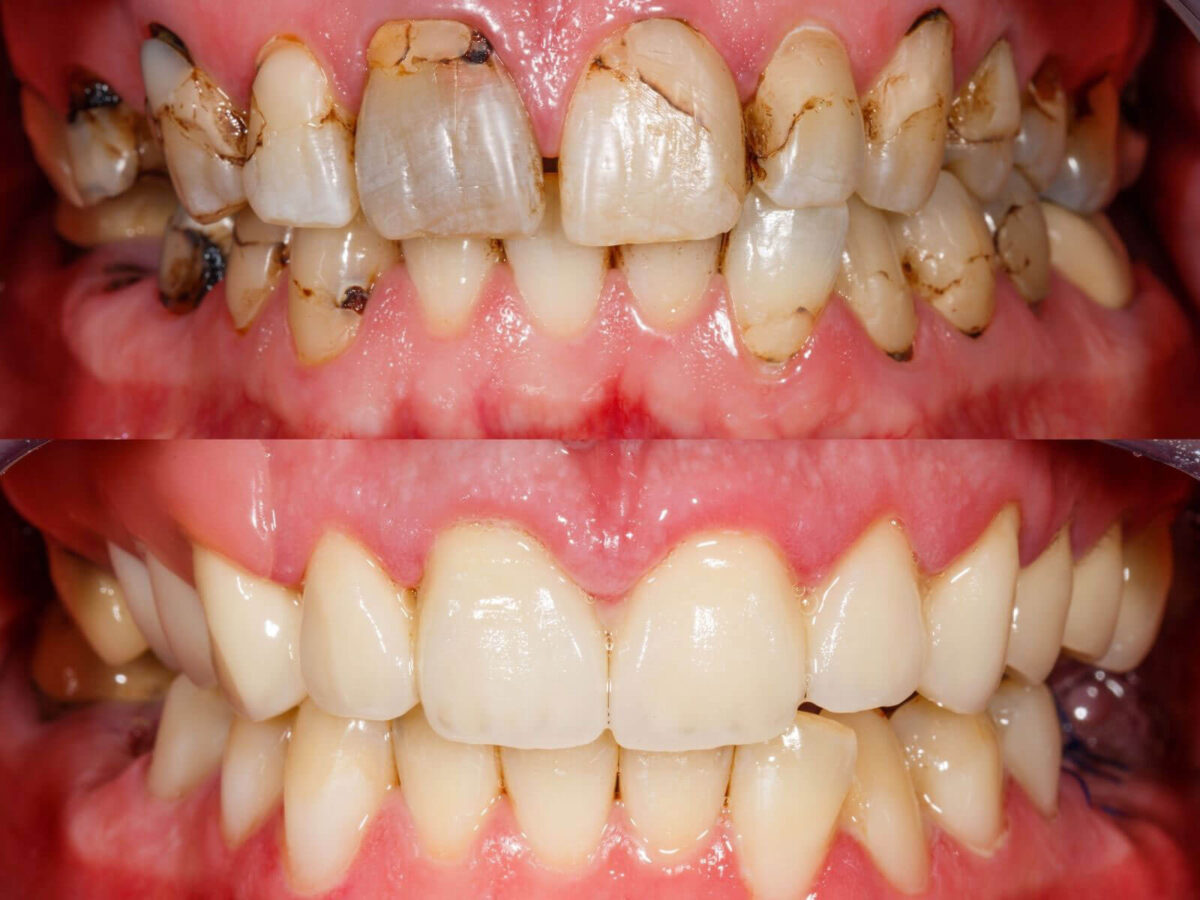
Teeth move through the days carrying tiny marks from meals, drinks, and soft changes in the mouth. These marks settle quietly at first, showing nothing sharp or dramatic. Then, over time, they deepen into places where brushing alone cannot reach. It is often in these moments that the question of how to prevent tooth decay begins to form. The thought does not come with panic. It arrives in a calm way, almost like the mouth itself is trying to say that something needs a bit more attention before it grows.

Decay does not begin suddenly. It rises in small layers that build over weeks and months. A faint softness in one area. A slight sensitivity that comes and goes. A small shift occurs when cold or sweet touches the tooth. These early pieces often pass quietly, blending into routine. But they show where decay begins, and they offer clues on how to prevent tooth decay before the tooth weakens more deeply.

How Decay Forms in the Quiet Spaces of the Tooth

Decay often begins in a little place where food just sits. Bacteria stay with it, and the sugars mix in, making acids that slowly weaken the enamel. Enamel changes slowly. It loses minerals piece by piece. That early loss is a sign that tooth decay prevention is needed, even when the tooth looks unchanged.

Inside the enamel, tiny pathways move minerals around. Once decay starts, those pathways lose more than they gain, leaving the enamel open to deeper acid damage. Understanding how to prevent tooth decay means noticing these early shifts, because recovery is still possible if minerals return before the damage settles in.

The Role of Daily Cleaning

Cleaning the teeth each day helps remove the layer that starts decay. This layer forms after every meal and rests against the enamel. Brushing clears it before the acids stay too long. When someone wonders how to prevent tooth decay from getting worse, this daily clearing becomes one of the quietest yet strongest ways to protect the tooth.

Flossing goes where the brush cannot. Food collects there, staying out of sight and slowly weakening the enamel. Clearing those spaces helps smooth the surface and lets minerals return. This steady practice becomes part of how to prevent tooth decay before it grows worse.

How Saliva Helps the Teeth Recover Throughout the Day

Saliva quietly protects the teeth. It brings minerals that help rebuild enamel after acids soften it. When the mouth dries out, those minerals can’t reach weak areas as well. Drinking water throughout the day keeps saliva moving and supports stronger enamel.

This soft rebuilding happens all the time. It happens in the minutes after eating, when the mouth settles. It happens in the afternoon when the jaw relaxes. This natural cycle explains how the mouth gives its own version of how to prevent tooth decay without force. It simply restores what the acids took away, as long as water and moisture remain steady.

Why Sugars Create Deeper Changes in the Tooth

Sugars touch the tooth gently, yet they create strong reactions with the bacteria already in the mouth. These reactions produce acids that sit on the enamel and open the pathways inside it. Even small amounts of sugar can create repeated cycles of softening if eaten often during the day.

This is why spacing sugary foods helps. It gives the mouth time to recover, instead of facing new acids again and again. Spacing meals allows the enamel to gain minerals before the next cycle begins. When asking how to prevent tooth decay, this space becomes one of the simplest changes to support the teeth quietly.

How Fluoride Helps the Teeth

Fluoride works by letting minerals sink farther into the enamel. It reaches tiny openings and builds stronger bonds that stand up to acid. The process isn’t loud. It settles over time, forming a shield that keeps those pathways less open to decay.

This soft support is why fluoride fits into tooth decay prevention. It gives the tooth gentle support, helping the enamel find its strength again after meals and drinks.

Small Habits That Keep the Teeth Steady Through the Day

Simple things throughout the day help the enamel remain strong. Drinking water after meals. Rinsing gently when brushing must wait. When the mouth gets a break between snacks, saliva can clear out the acids more easily.

These small habits support the natural rhythm of the enamel. They steady the mouth in quiet ways that protect it from bigger changes. They are part of the soft path of how to prevent tooth decay because they give the teeth room to regain their strength before the next cycle begins.

Why Some Areas Decay Faster Than Others

Some parts of the mouth carry more texture and small grooves. These grooves catch food more easily and let bacteria stay longer. The enamel in those spots begins to change, not because it’s weak, but because the spaces hold the soft bits that start to decay.

Understanding which areas carry these grooves helps shape how someone approaches how to prevent tooth decay from getting worse. Paying a little more attention to those tiny spaces keeps decay from forming inside them unnoticed.

How Early Sensitivity Offers Quiet Warnings

A soft tingle from cold water. A momentary response to something sweet. These small sensations often reveal the early places where the enamel has thinned. They are not always painful. They simply feel different, almost as if the tooth is trying to whisper that something has changed.

These early sensations give space for tooth decay prevention before the problem reaches deeper layers. They show where the enamel needs minerals or more careful cleaning. They give time to respond before the softness becomes a cavity.

Why Regular Checkups Catch Decay Before It Deepens

Dentists see the small shapes and shadows inside a tooth that do not appear on the surface. A tiny softened area. A small dip. A change in how the enamel reflects light. These things mark spaces where decay has just begun. Treating them early prevents the deeper parts of the tooth from weakening.

This makes checkups an important part of how to prevent tooth decay, because catching these early shifts stops the cycle before it becomes painful or difficult to repair.

Letting the Teeth Stay Strong Through Gentle Care

Teeth stay healthy when small habits stay steady. Cleaning each day. Drinking enough water. Giving the enamel time to rebuild. Listening to the small signals the mouth gives. These gentle practices do more than stop decay. They help the teeth feel comfortable throughout each year that passes.

Understanding how to prevent tooth decay is not about strict rules. It is about noticing the soft signs and shaping routines that keep the enamel balanced. A calm talk with a dental professional can show which parts of your mouth need a bit more care and which habits protect enamel. Small changes today keep the smile steady and comfortable for years.


Categories
Dental care

How Regular Oral Checkups Prevent Serious Dental Issues

Regular oral checkups are a small habit that makes a big difference. A visit to a trusted dentist in Crosby TX finds things early when fixes are simple. That steady attention prevents pain, lowers cost, and keeps daily life normal. This article explains why regular visits matter, what happens at each checkup, and how a Crosby dental clinic turns prevention into a simple routine families can keep.

Why Small Problems Grow When Left Alone

A tiny spot of decay can sit for months without pain. Over time, it eats deeper into the tooth. What began as a short filling may end as a larger crown or a root treatment. The same slow slide happens with gum inflammation. Mild bleeding can become bone loss if unchecked. Regular checks catch those changes before they grow. That is the core of preventive dentistry. Catching a problem early keeps the work small and the recovery quick.

What A Checkup Actually Includes

A regular visit with a trusted dentist in Crosby TX usually feels relaxed from the moment you settle in. The clinician studies your teeth, gums, and soft tissues with steady attention. The hygienist removes buildup that your brush cannot clear. If needed, simple images show areas that might need early care. Before you leave, the team talks through your daily habits and shares small changes that help keep your mouth steady.

Why Finding Cavities Early Makes a Real Difference

Decay often starts in the tight spaces between teeth where regular brushing cannot reach. Bitewing images help the team notice those tiny spots before they bother the nerve. A small cavity is simple to fix. A deeper infection takes longer and can be costly. Early checks save time and money, and a Crosby dental clinic that follows a steady routine catches these issues early.

How Cleanings Protect The Gums And Bone

Plaque hardens into tartar along the gum edge. That tartar feeds inflammation. Over time, pockets form and bone support shrinks. Professional cleaning removes that buildup and lets gums heal. That healing protects the foundation teeth that need to last. Keeping gums calm with simple cleanings avoids the need for deeper procedures later.

Monitoring Existing Restorations Closely

Fillings and crowns are not forever. They wear at the edges and sometimes leak. A small edge failure seen early is a short repair. A leak found late can mean replacement of a crown or more invasive work. Routine exams catch these wear patterns. The clinician spots small issues while they are still straightforward. That steady oversight extends the life of every restoration in the mouth.

Why The Bite And Jaw Get Checked Too

Uneven pressure on the bite can slowly change how the teeth hold up each day, especially when grinding adds more stress. A watchful dentist in Crosby TX catches these signs early, and simple guidance like wearing a night guard can stop trouble before it grows, and the Crosby dental clinic supports this by helping keep the bite comfortable.

How Pediatric Checks Shape Lifelong Health

Children change fast. A Crosby dental clinic tracks how baby teeth guide space for permanent teeth. Sealants and topical fluoride protect new molars during the highest risk years. Early visits also spot habits that affect alignment. Simple guidance now often avoids long orthodontic work later. Starting routine visits early builds a pattern that keeps dental care normal rather than frightening.

When Routine Visits Catch Medical Issues Early

Oral exams sometimes reveal signs that connect to overall health. Changes in the mouth can hint at dry mouth that links to medicines. An unusual patch or a persistent sore may need further evaluation. A clinician who sees patients regularly spots such changes sooner. That early notice helps coordinate care with other providers and protects general health as well as oral health.

Why Steady Dental Care Cuts Down Emergency Trips

Little dental problems can build slowly, and a light chip that feels like nothing in the beginning can become painful when it catches the wrong way. Regular time with a dentist in Crosby TX prevents that from happening. Gum irritation can be handled before it becomes an infection, and a caring Crosby dental clinic guides patients toward calm, manageable solutions instead of last-minute emergencies.

How A Clinic Personalises The Visit Rhythm

Not everyone needs the same schedule. People with healthy gums and low decay risk may follow a six-month plan. Those with gum pocketing or high decay risk often visit more frequently. A dentist in Crosby TX recommends an interval based on the individual. Personalised timing keeps visits useful and avoids unnecessary images or steps while still catching problems early.

Why Imaging Is Used Carefully

Images reveal what cannot be seen. They find cavities between teeth and show bone levels. But imaging is used with care. A clinician orders the right view to answer a focused question. Digital tools reduce exposure and provide fast results. Used wisely, imaging means fewer surprises and clearer choices for care.

How Checkups Protect Long-Term Function

Healthy gums and steady bone support preserve chewing and speaking. Early intervention prevents the slow changes that shift how teeth meet. By protecting the foundation, routine visits reduce the chance of major reconstruction later on. That long term stability is the practical payoff of steady preventive dentistry.

How Clinics Make Visits Less Stressful

A familiar team reduces fear. When a patient sees the same clinician over time, appointments feel routine and calm. Clear explanation and small practical steps help people feel in control. The result is better attendance and better outcomes. Consistency in care builds trust and makes prevention work.

Costs Versus Value In Preventive Care

A simple cleaning and a small filling usually cost far less than a root treatment and a crown. There is also the strain of missed work and family plans when emergencies appear. A visit to a Crosby dental clinic helps prevent those sudden problems and lowers both the financial burden and the stress of unexpected pain.

Choosing the Right Crosby Dental Clinic

Find a place that keeps explanations simple and gives real attention to what you need. A dentist in Crosby TX who reviews past images and builds a plan around your habits, makes care easier to follow. Convenience helps too, because a clinic that works with family schedules and sends reminders keeps visits on track. Clear billing and gentle guidance make prevention feel practical.

The Takeaway

Regular oral checkups help stop serious issues before they grow. With a trusted dentist in Crosby TX and a friendly Crosby dental clinic, small problems are found quickly and handled with care. These visits save gum health, protect bone, and help restorations last longer.

To shape a plan you can follow, arrange a visit with a steady dentist in Crosby TX at the nearest Crosby dental clinic. The team will look over your history, suggest a personal recall schedule, and share simple daily steps that support daily care and keep your mouth steady.

Categories
Dental care

The Role of Dental Sealants In Protecting Children’s Teeth

Every parent wants a practical way to protect a child’s smile. Dental sealants are a simple, proven tool that does exactly that. When applied correctly by a trusted Crosby Pediatric Dentist, sealants act as a guard layer on chewing surfaces where cavities most often start.

This article tells what sealants are, why they matter, how they are placed, and how families and a local Crosby Dental Office TX work together to keep young teeth strong. The tone is plain and third person. The goal is clear information that a parent can use right away.

What Dental Sealants Actually Are

A sealant is just a light layer placed into the narrow grooves on the back teeth. Since kids rarely clean those areas well, food and bacteria end up sticking around in those tiny spaces. The sealant fits in, smooths the surface, and gives plaque fewer places to hide. It sticks to enamel and lasts a long time with routine checks. A Crosby Pediatric Dentist sees sealants as one of the simple ways to push back early decay without changing daily habits.

Why Back Teeth Need Special Protection

First permanent molars often appear between the ages of six and seven. At that stage, children are still learning to brush well, and the grooved chewing surfaces are new and vulnerable. Those grooves collect sticky snacks and bacteria. A sealant placed soon after a molar erupts blocks that trap. In practice, this single office step prevents many fillings that would otherwise be needed later. A Crosby Dental Office TX, often plans sealant placement around these eruption milestones because timing makes the protection most effective.

How Sealants Are Placed In A Child-Friendly Way

Putting on a sealant is pretty simple. The clinician cleans the tooth and dries it well. They then use a small bit of conditioner so the coating bonds. After that, the sealant is placed into the grooves and set with a bright light. Kids almost never need anything for numbing, and it comes across more like a short polish than a procedure. A Crosby Pediatric Dentist team walks the child through each short step, and families usually leave surprised that it was over so fast.

Safety And The Materials Used

Today’s sealants rely on resins that have been tested for years, and only a small amount is used on the tooth surface. Clinics keep the tooth dry and the gums safe so the material bonds the way it should. When parents ask about ingredients, they should hear a straightforward explanation. A Crosby Dental Office TX often points out that stopping early decay avoids drilling later, and the tiny exposure from a sealant is far outweighed by that benefit. Honest, simple conversation helps families feel confident.

Who Benefits Most From Sealants

Children who snack frequently, who have deep tooth grooves, or who struggle with thorough brushing gain the most immediate benefit. Kids with a history of cavities on baby teeth are also good candidates because their decay risk is higher. Sealants are an especially good match for busy families. A single quick step at a routine visit gives months to years of added protection during the critical period when adult molars first come in.

Do Sealants Replace Daily Cleaning

Sealants offer support but cannot replace daily care at home. Using fluoride and cleaning between teeth still matter because fluoride strengthens enamel and repairs tiny early changes children often miss, keeping their mouths healthier over time. When sealants and fluoride are both in the mix, the chance of a filling drops a lot. A Crosby Pediatric Dentist often explains sealants as just one part of the bigger routine with brushing, diet, and steady checkups.

How Long Sealants Last

Sealants last a good while, though not forever. Their life changes a lot based on chewing style, everyday food habits, and how well the sealant sticks when it is put on. Kids who bite hard things, grind at night, or nibble their nails usually see them wear out sooner.

Regular visits to the Crosby Dental Office TX give the clinician a chance to check each sealant and add more material or replace it when it starts to thin. That small bit of upkeep keeps the protection going without turning into a big expense.

Maintenance Matters

A sealant should be checked at routine visits. The clinician inspects for wear or small chips and reapplies material when indicated. That maintenance is quicker and less costly than treating a cavity that develops beneath a worn surface. Families who keep recall visits rarely discover surprise decay under a sealant because the team catches wear early. This practical rhythm of check and adjust is why many offices recommend sealants as part of a broader preventive plan.

Cost Considerations

Sealants are inexpensive compared with the price and time of a filling. Many dental plans cover sealants for children on permanent molars because insurers recognise the long-term savings. Clinics discuss costs and coverage during a consult so families can plan. A Crosby Dental Office TX, often helps parents understand how a one-time application fits into typical coverage and how it compares with the likely cost of future restorations.

Common Myths And Straight Answers

Some parents worry that sealants hide decay. The opposite is true. Sealants block the routes where decay usually starts. Another myth is that sealants fall off quickly. Modern materials bond far better than old versions, and routine checks keep them functional. When a clinician explains these points plainly, the confusion often disappears. A Crosby Pediatric Dentist welcomes questions and shows before-and-after examples so choices feel informed.

When Sealants Might Not Be Right

If a tooth already has significant decay in the grooves, sealing over it is not appropriate. The clinician treats the decay first, and later a sealant may be placed. For very young children with baby teeth that will fall out soon, the team weighs the benefit against the tooth’s expected life. Each decision is about matching protection to need rather than a general rule that fits every case.

When To Call The Dentist About A Sealant

When a child says a molar feels rough or a nearby filling seems loose, give the clinic a call. It is often only a small chip, and fixing it does not take long. A Crosby Pediatric Dentist can look it over and refresh the sealant in a short appointment.

Conclusion

Dental sealants give a simple boost to kids oral care and add strong cavity prevention on the chewing surfaces of back teeth. When placed by a trusted Crosby Pediatric Dentist and followed up at a Crosby Dental Office TX, they hold their value for years. For families hoping to limit repairs and keep care easy, sealants are a practical first step.

A short visit with a Crosby Pediatric Dentist at a Crosby Dental Office TX can tell whether sealants are a good fit. The team checks risk and outlines a simple plan that keeps kids oral care straightforward and effective.