Crosby Family Dental

Categories
Dental care

5 Signs Your Wisdom Teeth Are Coming In

For something that gets mentioned so often, wisdom teeth can be pretty uneventful. They don’t always arrive with obvious pain or swelling right away. It often starts small. A mild pressure behind your molars. A slight tension every time you bite down. You brush it off at first. Then you pause and wonder, “When do wisdom teeth come in?”

In general, they show up sometime between ages 17 and 25. The American Dental Association notes that third molars commonly erupt in late adolescence or the early adult years.[Reference] But the word “typically” does a lot of work there. Some people feel changes at 16. Others don’t notice anything until their mid-twenties. And a few barely notice at all.

It might not be obvious yet, just a few small differences you can’t ignore. These are five signs of wisdom teeth coming in that tend to show up quietly at first.

1. A Quiet Pressure That Wasn’t There Before

Most of the time, it doesn’t start in some dramatic way. It’s more like this random pressure way in the back of your mouth that you can’t really see, just feel. You’ll catch that odd feeling while chewing, then ignore it and carry on. After a while, you feel it again. At night, it feels more noticeable. Not because it suddenly hurts more, but because everything else is quiet. It’s not sharp pain. Just uncomfortable in a way that keeps getting your attention.

That kind of pressure can be one of the first signs of wisdom teeth coming in. The tooth is attempting to erupt, and if there isn’t much room back there, the surrounding bone and tissue respond.

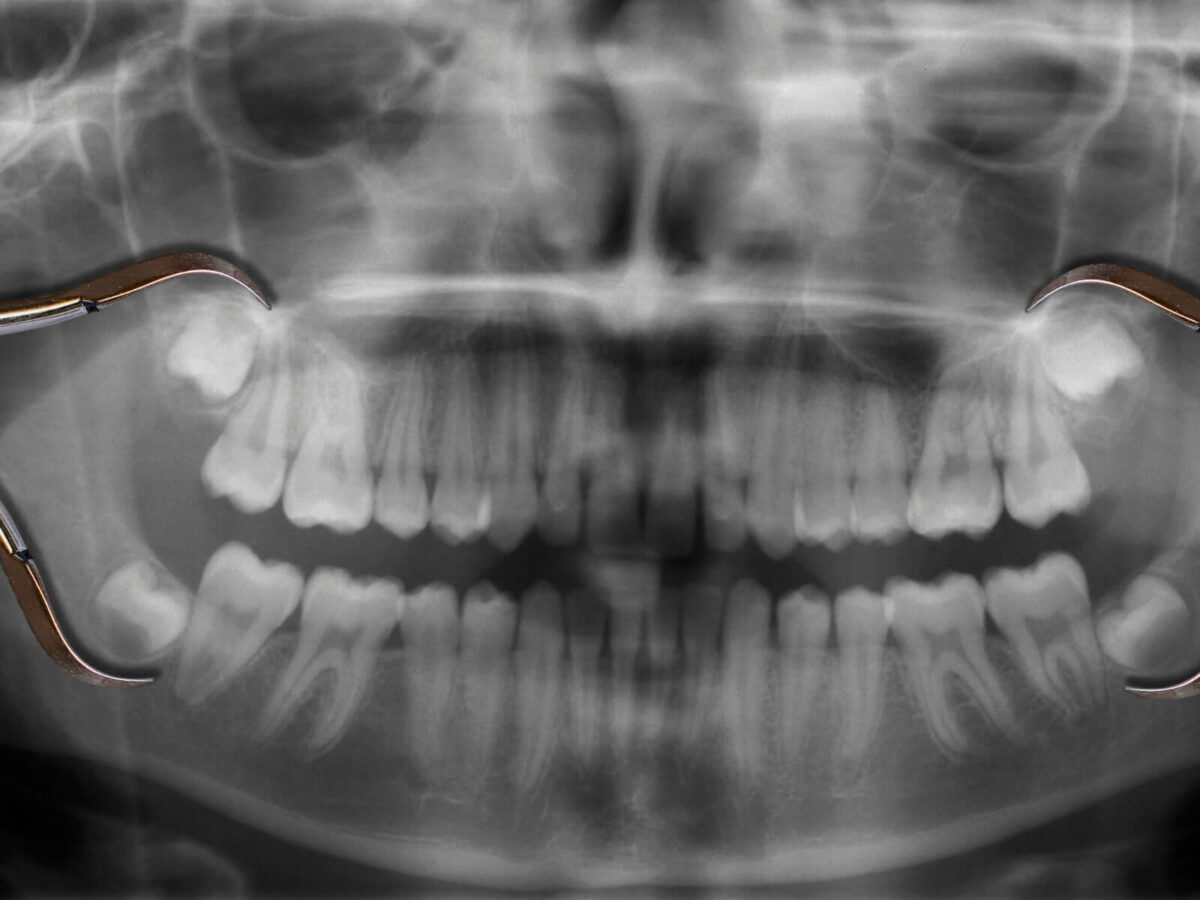
According to the American Association of Oral and Maxillofacial Surgeons, around 90 per cent of people end up with at least one impacted wisdom tooth because space is limited. [Reference] Even before a tooth becomes fully impacted, that tight space alone can cause a sense of fullness. It doesn’t always become sharp pain. Sometimes it just hangs around in the background and won’t fully disappear.

2. Tender Gums in the Very Back

It can catch you off guard. One day, brushing the back teeth feels fine, the next day it’s a little uncomfortable. As the tooth underneath begins to rise, the gum there can get sore for no obvious reason. It sometimes looks slightly swollen or red, mainly when the tooth hasn’t fully come through yet.

These are some of the most common signs of wisdom teeth coming in. You may even feel a small ridge forming beneath the gum where there used to be flat tissue.

Sometimes the tenderness fades once the tooth emerges further. Other times it lingers and becomes more noticeable.

3. A Stiff Feeling in Your Jaw

This is the one people don’t expect.
You might wake up and notice your jaw feels tight. Not painful exactly, just restricted. Opening wide feels slightly strained. There might be a mild ache around your temples, but it’s not quite a headache either.

As wisdom teeth move, they apply pressure inside the jawbone. If they’re angled or meeting resistance, nearby muscles can tense in response. That tension can show up as stiffness rather than tooth pain.

When someone asks when do wisdom teeth come in, they often assume the answer will involve obvious gum swelling. If your jaw feels tight for no clear reason, don’t ignore it. It’s sometimes one of the first signs of wisdom teeth coming in, mainly when there isn’t enough space.

It tends to build gradually rather than appearing overnight.

4. Sensitivity That Seems to Come From the Wrong Tooth

Sometimes it doesn’t even feel like the wisdom tooth is the problem. The molar right in front of it might start feeling sore when you chew or a little sensitive when you drink something cold.

That happens because erupting wisdom teeth can press against neighbouring molars. The pressure transfers forward, which makes it confusing to pinpoint the source.

If a back tooth feels strange and the gum just behind it is sore, it could all be part of the same thing. This can be one of the quieter signs of wisdom teeth coming in, since it doesn’t immediately seem like another tooth is involved.

5. A Sense That Your Bite Feels Tighter

It’s hard to explain, but you notice it anyway. When your mouth is closed, everything feels a bit more packed together than it used to. Nothing dramatic. Just less space.

There’s an ongoing debate about whether wisdom teeth directly cause crowding of front teeth. However, limited space in the jaw can create pressure as third molars erupt. That pressure may contribute to the feeling that your bite has changed.

If you’ve had braces before, you probably notice even small changes. That’s usually when your mind circles back to the same question: when do wisdom teeth come in, and is that what’s starting now? Sometimes it is. Sometimes the sensation passes as the tooth settles.

When Symptoms Are Mild

Not every symptom signals trouble.
Many people experience mild signs of wisdom teeth coming in without ever needing removal. The tooth erupts fully, aligns reasonably well, and becomes just another molar.

But if pressure turns into sharp pain, if swelling spreads into your cheek, or if you struggle to open your mouth comfortably, that suggests something more complicated.

The American Association of Oral and Maxillofacial Surgeons recommends evaluation of third molars to determine risk before complications arise [Reference]. Evaluation doesn’t automatically mean surgery. It simply means understanding your anatomy. And sometimes that reassurance alone reduces anxiety.

Do Wisdom Teeth Always Have to Come Out?

No. Some erupt normally and function just fine. Others remain fully impacted but never cause symptoms. In those cases, monitoring may be enough.

The real issue isn’t just when wisdom teeth come in. It’s how they come in. Are they straight? Is there enough room? Are they easy to clean?

Position matters more than timing.

FAQs

When does this usually happen?

For a lot of people, it’s sometime in that 17 to 25 range. Not everyone fits perfectly into that though.

How would you even know?

Most people just notice something feels off in the back. A bit of pressure, sore gums, maybe stiffness. Those small things can be the first signs of wisdom teeth coming in, even if you brush them off at first.

Is it supposed to hurt badly?

Not always. Many of the signs of wisdom teeth coming in are more annoying than painful.

Conclusion

Wisdom teeth tend to arrive quietly. They don’t demand attention immediately. They test the space your jaw has left for them and see what happens.

If you think you’re seeing the first signs of wisdom teeth coming in, don’t brush it off. When you start asking when do wisdom teeth come in, it’s usually because something feels different. Book a visit, get it checked, and leave with real answers instead of uncertainty.

Categories
Dental care

How Long Do Dental Crowns Last?

Most people don’t ask about longevity when the crown first goes in. It doesn’t come up when the numbness fades or when everything feels fine again. The question shows up years later, sometimes during an ordinary dental visit, sometimes for no clear reason at all.

That’s when searches like how long do crowns last or how long do dental crowns last start to happen. Crowns feel solid, but not permanent. They’re meant to protect, yet people still sense that they exist in a mouth that keeps changing as time goes on.

Why The Answer Is Never A Straight Number

People want a number. Ten years. Twenty years. Something concrete. Dentistry rarely gives that kind of certainty. When asking how long do crowns usually last, what’s really being asked is whether the crown can be trusted.

Crowns don’t exist in isolation. They’re affected by chewing habits, bite pressure, oral hygiene, stress, grinding, gum health, and even how the tooth was doing before the crown was placed. Two crowns made the same way can age very differently in two different mouths.

What A Crown Is Actually Dealing With Every Day

Crowns deal with pressure all day without any real breaks. Every bite adds a little force. Every meal does the same. Hot coffee followed by cold water, tougher foods mixed with softer ones, and even clenching at night all add up over time. None of it feels dramatic in the moment, but it’s constant, and the crown absorbs all of it quietly.

Back teeth take on most of that workload, which is why crowns on molars tend to wear differently than those on front teeth. They handle more force, more repetition, and more stress during normal use. That daily strain plays a bigger role in how long do teeth crowns last than most people realise, especially because it builds slowly and without obvious warning signs.

The Tooth Underneath Matters More Than The Crown Itself

Crowns are placed on teeth that already have a history. A large filling, a crack, or prior root canal treatment is often part of the picture. The crown protects the tooth and restores function.

Although it doesn’t remove what the tooth has already experienced.
When people wonder how long do crowns for teeth last, they often think about the crown alone. In reality, the tooth beneath it usually determines how long it holds up. A crown can look fine on the surface, while small changes around the edges slowly shorten how long it lasts.

Materials Play A Role, But They’re Not Magic

Crowns come in different materials. Each material has certain strengths, and those differences matter over time. Some prioritise durability. Others focus on appearance. None of them override habits like grinding or poor hygiene.

A strong crown placed in a high-stress bite will still wear over time. A beautiful crown placed on a tooth with gum issues will still be vulnerable at the margins. Material choice matters, but it doesn’t fully answer how long do dental crowns last.

Grinding And Clenching Shorten Crown Life Quietly

Some people grind their teeth and never notice. It often happens at night.The pressure stays quiet and easy to miss. It just repeats without being noticed. It just repeats, night after night, putting steady stress on crowns over time.

Crowns rarely fail all at once from grinding. They tend to wear gradually. The surface thins. Small fractures can form slowly, sometimes without any obvious signs. This kind of quiet wear is one of the more common reasons “how long do crowns last” ends up being shorter than people expect.

Oral Hygiene Extends Crowns Without Being Obvious

A crown itself won’t decay, but the tooth under it still can. That’s something people don’t always think about once the crown feels normal. The area where the crown meets the tooth is usually the weak spot. Plaque can build up there over time, and from the outside, the crown can still look perfectly fine.

Meanwhile, changes can be happening underneath without being visible. Decay can start quietly at the edge and go unnoticed for a long time. That’s why dentists often focus on cleaning around crowns when the topic “how long do dental crowns last” comes up. What happens at that boundary matters more than most people expect.

Gum Health Often Decides The Outcome

Crowns don’t exist on their own. They sit in gums that change over time. When those gums stay healthy, everything tends to hold together quietly. When gums become inflamed or start pulling back, the margins of the crown are more exposed, and that can slowly shift how things hold up.

People usually pay attention to the crown itself and how solid it feels. The surrounding tissue often fades into the background. In practice, though, gum health ends up shaping how long do crowns last in ways people don’t always notice right away, even when the crown itself hasn’t changed.

Crowns Rarely Fail Without Warning

Crowns don’t usually fail all at once. Small things tend to show up first. The bite feels a little different one day. Sensitivity hangs around longer than it used to. An edge feels rough, but not enough to seem serious. The tooth still works. There isn’t much pain. You stay busy with life, so it’s easy to forget about it.

Time passes like that. Weeks turn into months. When the crown finally fails, it feels sudden. But in reality, it didn’t begin that way. Small changes were already happening long before anything felt obvious or serious.

Regular Checkups Extend Crown Lifespan More Than People Think

A crown check isn’t just about whether something is broken. It’s not just the crown itself. Dentists look at the edges, the mouth, and how wear builds. None of it stands out much on its own.
When small issues are addressed early, crowns often last longer than expected. When those signs are ignored, replacement tends to come sooner. That steady follow-up plays a bigger role in how long do crowns usually last than people often realise.

Root Canal, Teeth And Crown Longevity

A tooth that’s had a root canal can be more brittle than people expect. It ends up relying on the crown much more for everyday protection. Crowns on these teeth often last well, but the underlying tooth is more vulnerable to fracture if stressed. Bite protection and timely placement matter here.

This context is important when evaluating how long do teeth crowns last across different situations.

Why Comparing Crown Lifespans Is Misleading

One person talks about a crown that lasted thirty years. Someone else replaces one after ten and wonders what went wrong. Lining those stories up without any context usually creates more confusion than clarity.

How much force the bite takes, whether grinding is happening, daily hygiene, and the health of the gums explain most of that difference. Averages exist, but they rarely land neatly on real people or real mouths.

Conclusion

People look for a number when they ask how long crowns last, but there really isn’t one that fits everyone. A crown lasts as long as the tooth can support it, and the bite doesn’t put too much pressure on it. The gums matter too, even when nothing feels wrong.

When care stays steady, and grinding is addressed instead of ignored, crowns tend to do better. They don’t last because of chance. They last because the conditions around them stay stable.
If how long do dental crowns last is something you’ve started to wonder about. Give a visit to your dentist. That question usually answers itself during the visit.