Blog
Dental hygiene tips for healthy teeth & gums
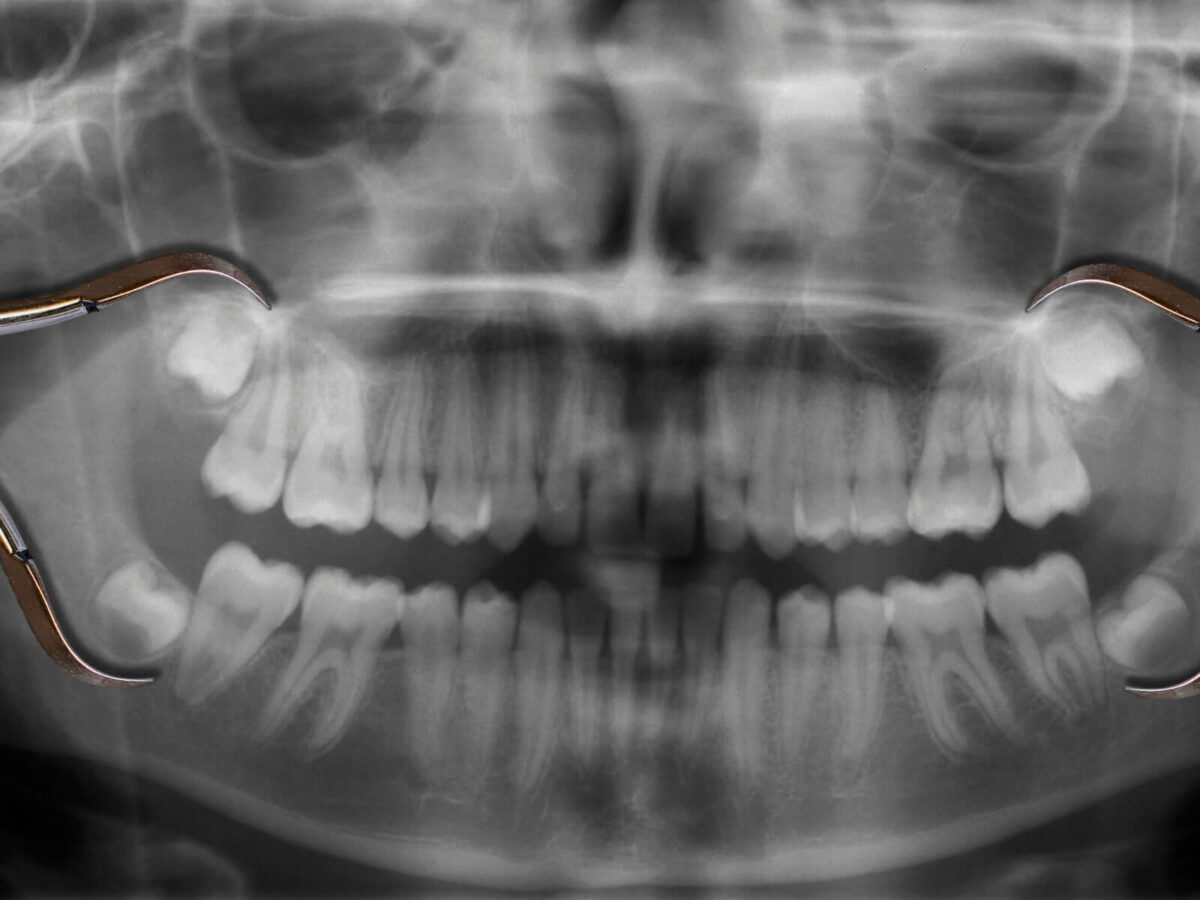
5 Signs Your Wisdom Teeth Are Coming In
For something that gets mentioned so often, wisdom teeth can be pretty uneventful. They don’t always arrive with obvious pain or swelling right away. It often starts small. A mild pressure behind your molars. A slight tension every time you bite down. You brush it off at first. Then you pause and wonder, “When do wisdom teeth come in?”
In general, they show up sometime between ages 17 and 25. The American Dental Association notes that third molars commonly erupt in late adolescence or the early adult years.[Reference] But the word “typically” does a lot of work there. Some people feel changes at 16. Others don’t notice anything until their mid-twenties. And a few barely notice at all.
It might not be obvious yet, just a few small differences you can’t ignore. These are five signs of wisdom teeth coming in that tend to show up quietly at first.
1. A Quiet Pressure That Wasn’t There Before
Most of the time, it doesn’t start in some dramatic way. It’s more like this random pressure way in the back of your mouth that you can’t really see, just feel. You’ll catch that odd feeling while chewing, then ignore it and carry on. After a while, you feel it again. At night, it feels more noticeable. Not because it suddenly hurts more, but because everything else is quiet. It’s not sharp pain. Just uncomfortable in a way that keeps getting your attention.
That kind of pressure can be one of the first signs of wisdom teeth coming in. The tooth is attempting to erupt, and if there isn’t much room back there, the surrounding bone and tissue respond.
According to the American Association of Oral and Maxillofacial Surgeons, around 90 per cent of people end up with at least one impacted wisdom tooth because space is limited. [Reference] Even before a tooth becomes fully impacted, that tight space alone can cause a sense of fullness. It doesn’t always become sharp pain. Sometimes it just hangs around in the background and won’t fully disappear.
2. Tender Gums in the Very Back
It can catch you off guard. One day, brushing the back teeth feels fine, the next day it’s a little uncomfortable. As the tooth underneath begins to rise, the gum there can get sore for no obvious reason. It sometimes looks slightly swollen or red, mainly when the tooth hasn’t fully come through yet.
These are some of the most common signs of wisdom teeth coming in. You may even feel a small ridge forming beneath the gum where there used to be flat tissue.
Sometimes the tenderness fades once the tooth emerges further. Other times it lingers and becomes more noticeable.
3. A Stiff Feeling in Your Jaw
This is the one people don’t expect.
You might wake up and notice your jaw feels tight. Not painful exactly, just restricted. Opening wide feels slightly strained. There might be a mild ache around your temples, but it’s not quite a headache either.
As wisdom teeth move, they apply pressure inside the jawbone. If they’re angled or meeting resistance, nearby muscles can tense in response. That tension can show up as stiffness rather than tooth pain.
When someone asks when do wisdom teeth come in, they often assume the answer will involve obvious gum swelling. If your jaw feels tight for no clear reason, don’t ignore it. It’s sometimes one of the first signs of wisdom teeth coming in, mainly when there isn’t enough space.
It tends to build gradually rather than appearing overnight.
4. Sensitivity That Seems to Come From the Wrong Tooth
Sometimes it doesn’t even feel like the wisdom tooth is the problem. The molar right in front of it might start feeling sore when you chew or a little sensitive when you drink something cold.
That happens because erupting wisdom teeth can press against neighbouring molars. The pressure transfers forward, which makes it confusing to pinpoint the source.
If a back tooth feels strange and the gum just behind it is sore, it could all be part of the same thing. This can be one of the quieter signs of wisdom teeth coming in, since it doesn’t immediately seem like another tooth is involved.
5. A Sense That Your Bite Feels Tighter
It’s hard to explain, but you notice it anyway. When your mouth is closed, everything feels a bit more packed together than it used to. Nothing dramatic. Just less space.
There’s an ongoing debate about whether wisdom teeth directly cause crowding of front teeth. However, limited space in the jaw can create pressure as third molars erupt. That pressure may contribute to the feeling that your bite has changed.
If you’ve had braces before, you probably notice even small changes. That’s usually when your mind circles back to the same question: when do wisdom teeth come in, and is that what’s starting now? Sometimes it is. Sometimes the sensation passes as the tooth settles.
When Symptoms Are Mild
Not every symptom signals trouble.
Many people experience mild signs of wisdom teeth coming in without ever needing removal. The tooth erupts fully, aligns reasonably well, and becomes just another molar.
But if pressure turns into sharp pain, if swelling spreads into your cheek, or if you struggle to open your mouth comfortably, that suggests something more complicated.
The American Association of Oral and Maxillofacial Surgeons recommends evaluation of third molars to determine risk before complications arise [Reference]. Evaluation doesn’t automatically mean surgery. It simply means understanding your anatomy. And sometimes that reassurance alone reduces anxiety.
Do Wisdom Teeth Always Have to Come Out?
No. Some erupt normally and function just fine. Others remain fully impacted but never cause symptoms. In those cases, monitoring may be enough.
The real issue isn’t just when wisdom teeth come in. It’s how they come in. Are they straight? Is there enough room? Are they easy to clean?
Position matters more than timing.
FAQs
When does this usually happen?
For a lot of people, it’s sometime in that 17 to 25 range. Not everyone fits perfectly into that though.
How would you even know?
Most people just notice something feels off in the back. A bit of pressure, sore gums, maybe stiffness. Those small things can be the first signs of wisdom teeth coming in, even if you brush them off at first.
Is it supposed to hurt badly?
Not always. Many of the signs of wisdom teeth coming in are more annoying than painful.
Conclusion
Wisdom teeth tend to arrive quietly. They don’t demand attention immediately. They test the space your jaw has left for them and see what happens.
If you think you’re seeing the first signs of wisdom teeth coming in, don’t brush it off. When you start asking when do wisdom teeth come in, it’s usually because something feels different. Book a visit, get it checked, and leave with real answers instead of uncertainty.