Blog
Dental hygiene tips for healthy teeth & gums
How Often Should You Replace Your Toothbrush?
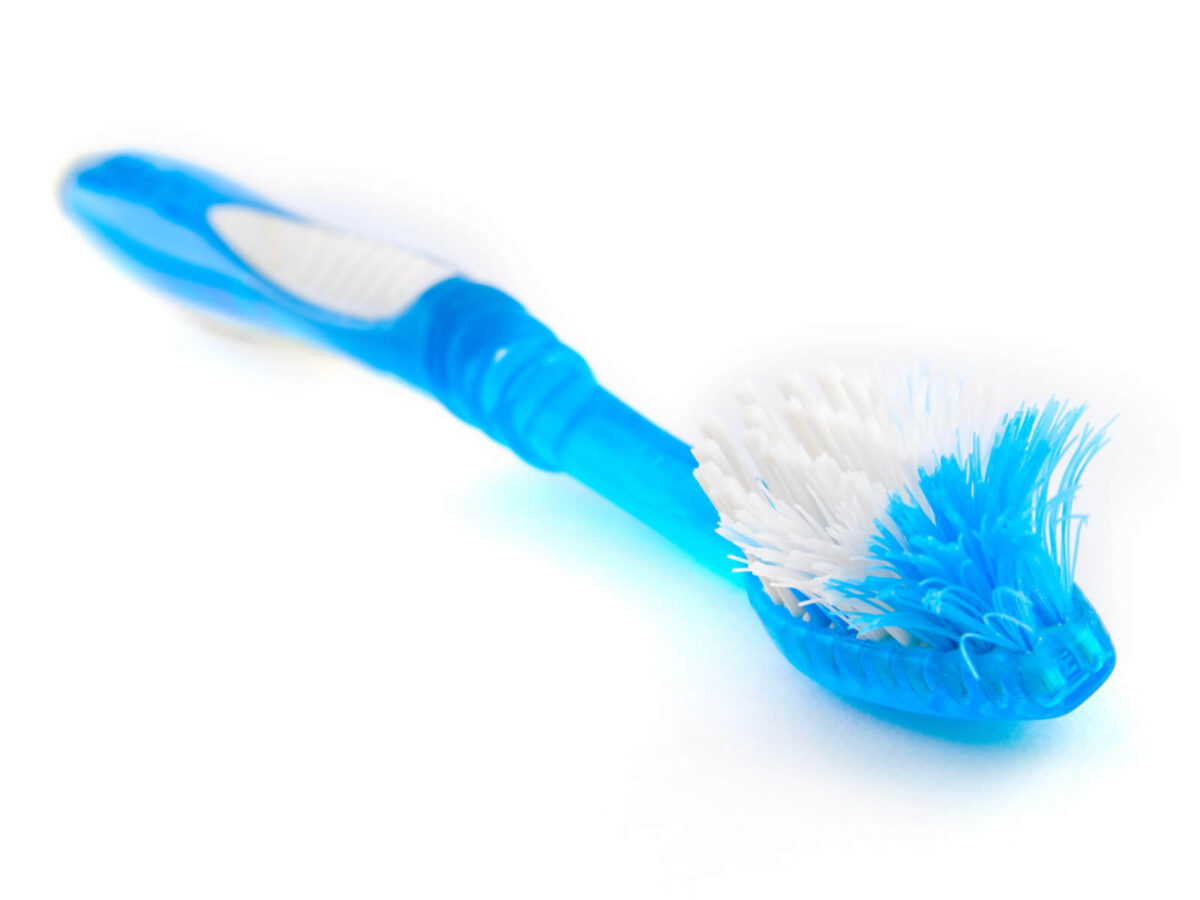
Seriously now—when did you last swap out that sad toothbrush of yours? Be honest. If you’re squinting at your bathroom counter right now, trying to remember, you’re not alone. At our Crosby Dental Office TX, we see toothbrushes that look like they’ve been through a war zone more often than you’d believe.
True story: Last week, a patient proudly told me they’d used the same toothbrush since their college graduation… in 2015. The bristles were practically doing the wave. No judgment — but let’s fix this.
How Often Should You Really Replace Your Toothbrush?
The official answer? Every 3–4 months. The real answer? It depends. Here’s what we tell our Crosby Dentist TX patients:
- Manual brushes: 3 months max
- Electric brush heads: Every 2 months (they wear faster)
- Kids’ brushes: Check monthly (they scrub harder)
- After being sick: Immediately (germs hide in bristles)
Pro tip: Mark your calendar when you open a new brush. Future-you will thank present-you.
5 Signs Your Toothbrush Needs to Go
Your toothbrush won’t scream “I’m done!” but it gives clear signals:
Bristles doing the splits (frayed = useless cleaning)
- Funky colors (that pink isn’t raspberry flavor)
- Weird smells (if it stinks, so does your mouth)
- Bristles feel mushy (like overcooked spaghetti)
- You can’t remember buying it (time flies when you’re not brushing properly)
Dentist hack: Hold your brush next to a new one. If it looks like a hedgehog after a hurricane, toss it.
Why This Actually Matters (More Than You Think)
That sad, frayed toothbrush of yours? It’s not just gross—it’s practically useless. You might as well try cleaning your car with a gas station napkin. Sure, you’re putting in the work, but instead of scrubbing away plaque, you’re just pushing it around like that last bit of ketchup on your plate.
I see patients at our Crosby Dental Office TX who swear they brush twice daily but still get cavities. Then I look at their sad, frayed toothbrush and the mystery solves itself. Those flattened bristles can’t possibly clean properly. And when your brush stops working, you instinctively press harder, which just damages your gums.
Scary Fact: Studies have found that old toothbrushes can be crawling with millions of bacteria, including harmful ones like staph and E. coli. That’s why it’s important not only to replace your toothbrush regularly but also to use the right cleaning methods. Knowing the types of toothbrushing techniques can help ensure you’re effectively removing plaque and bacteria without causing damage to your gums or enamel.
Toothbrush Care Tips You’ve Never Heard
At Crosby Dental Office TX, we go beyond “rinse it after use.” Try these:
- Store upright to dry (no dark, damp cup holders)
- Try to store it away from the toilet — when you flush, tiny particles can travel up to 6 feet.
- Don’t share (not even with your spouse — ew)
- Travel smart (use a vented case, not plastic wrap)
Bonus tip: If your toothbrush could talk, it would beg for retirement after 3 months – listen to it!
The Great Toothbrush Replacement Experiment
We recently challenged 10 patients at our Crosby Dental Office TX to track their brush replacement habits. The results? Eye-opening:
- Only 2 replaced brushes on time
- 5 admitted using the same brush for 6+ months
- 3 didn’t realize electric brush heads needed replacing
- All 10 reported cleaner-feeling teeth after switching to fresh brushes
Lesson learned: You don’t know how bad your old brush was until you try a new one.
Electric vs. Manual: Replacement Rules
For electric brush users:
- Replace heads every 2 months
- Watch for fading colored bristles (they show wear)
- Buy in bulk to save money
For manual brush fans:
- Hard bristles aren’t better (they damage gums)
- Medium or soft is the way to go
- Consider bamboo handles (eco-friendly)
Fun fact: Electric brush users typically replace heads more often because the wear is more obvious.
Kids’ Toothbrushes Need Extra Attention
Kids are tough on brushes (and not always thorough cleaners). If you’re a parent, here’s a tip from your Crosby, TX dentist:
- Let them pick designs (more excitement = better care)
- Check brushes weekly (kids chew bristles)
- Replace after illnesses (strep germs linger)
Try using a timer app — two minutes can feel like an eternity for kids!
Parent hack: Buy toothbrushes when you buy school supplies — it helps remember to replace them.
What Happens If You Don’t Replace It?
Beyond the ick factor, old brushes:
- Don’t clean properly (hello, plaque buildup)
- Can damage gums (frayed bristles = ouch)
- Spread bacteria (from brush to mouth to brush)
- Cause bad brushing habits (you compensate by scrubbing too hard)
Real consequence: We often see patients with gum recession who’ve been using the same brush for a year. Coincidence? Nope.
How to Make Your Brush Last Longer
Want to get the most from your brush without overstaying its welcome?
- Don’t scrub like you’re sanding wood (gentle circles work better)
- Rinse with hot water (kills some bacteria)
- Let it air dry completely (no wet, closed containers)
- Store away from other brushes (no bristle cross-contamination)
Dentist secret: Your brush lasts longer if you floss first — less gunk on bristles.
The Cost of Not Replacing
Let’s talk money:
- New manual brush: $3–$5
- Electric brush head: $5–$10
- Single cavity filling: $150–$400
Math doesn’t lie: Fresh brushes save money long-term.
FAQs From Our Crosby Dental Office TX Patients
Q: Can I disinfect my old brush?
A: Not really. Boiling warps bristles. Just replace it.
Q: What about UV sanitizers?
A: They help between replacements but aren’t a forever solution.
Q: My brush looks fine after 6 months…
A: Trust us — it’s not. Microscopic wear matters.
Q: Should I replace after COVID?
A: Yes! Any illness means new brush time.
Your Action Plan
Check your brush now (be honest about its condition)
Set a reminder (phone alerts work great)
Buy replacements in advance (no excuses)
Final thought: Your toothbrush is the cheapest yet most important tool for your smile. Give it (and your mouth) the fresh start they deserve.
Ready for a checkup? Call Crosby Dental Office TX today — we’ll even give you a new brush at your cleaning!