Blog
Dental hygiene tips for healthy teeth & gums
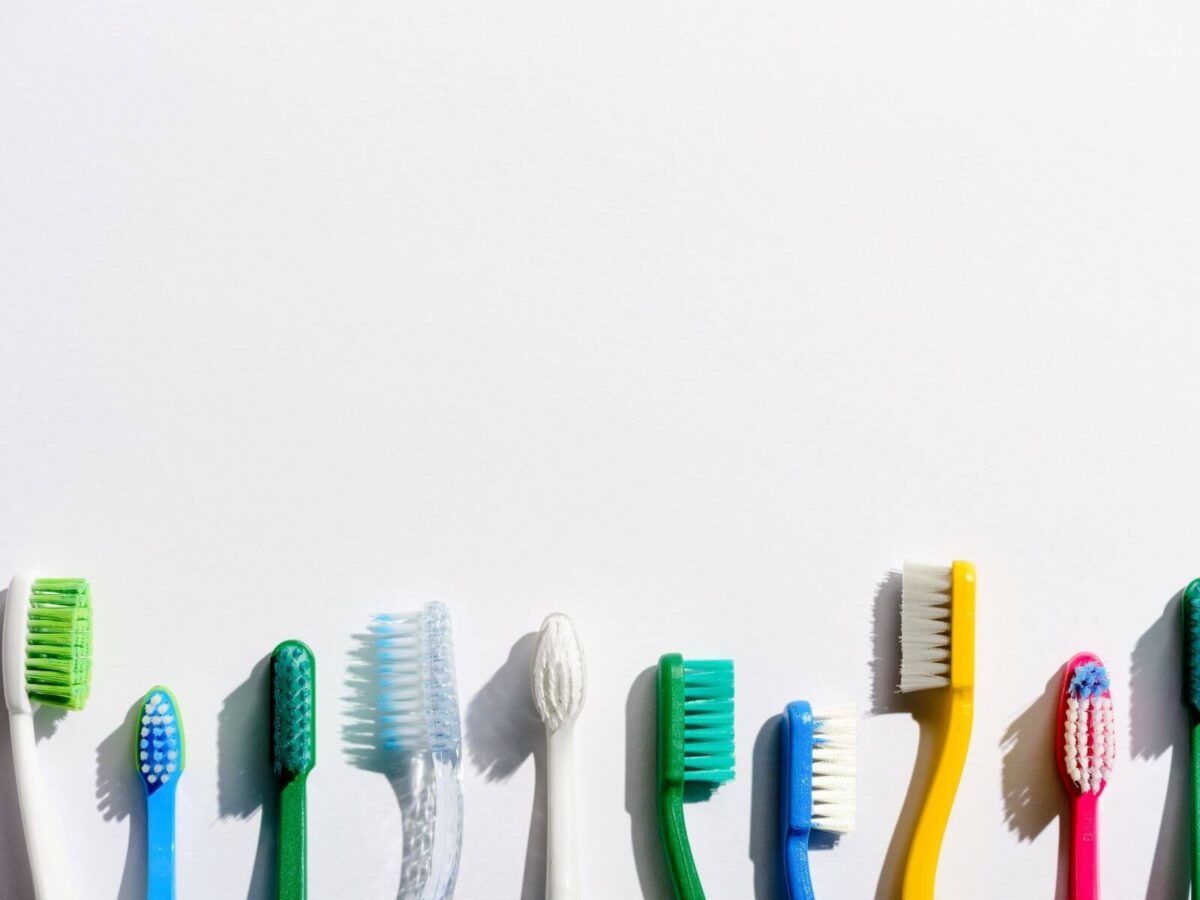
How to Choose the Right Toothbrush and Toothpaste for Your Teeth
You don’t really give your toothbrush much thought. It just sits in your routine. You use it, finish, and carry on without really noticing it. Toothpaste is the same. It becomes something familiar, something you keep buying without really stopping to consider it.
Then one day, something changes slightly. Your teeth feel a bit sensitive. Your gums feel a little different. Or you’re in a store, looking through the shelves for a moment. Nothing feels like the obvious choice.
That’s usually when the thought comes in properly. How to choose a toothbrush and toothpaste in a way that actually works for you, not just whatever you’ve been picking out of habit.
The Idea of “Best” Is Where Things Start Going Wrong
A lot of advice starts with “best.” Best toothbrush. Best toothpaste. Best overall option. But that word doesn’t really help here. Something that works well for one person can feel off for another. Not because it’s worse. It’s because everyone’s teeth and gums respond in their own way.
Some people have naturally sensitive teeth. Some brush harder than they realize. Some have gums that react quickly to pressure, even if everything else seems fine. So when you hear about the best toothbrush for teeth, it’s worth not taking it too literally. It’s not about the best. It’s about what feels right over time.
What Actually Changes When You Switch Toothbrushes
When you’re just picking one up, most toothbrushes don’t give much away. They don’t seem all that different. You grab one, use it, and figure the rest would be more or less the same.
That idea usually changes after a few days of actually using it. Not straight away, just slowly. The bristles are where you start noticing it. Some feel softer in a way that you don’t really think about. Others feel a bit sharper near the gums, not painful, just enough to make you aware of it while brushing.
That’s where the idea of the best toothbrush for teeth starts to feel a bit off. It’s not really one fixed thing. It depends on what feels comfortable after repeated use.
Even the size of the head changes things more than you expect. A smaller one moves more easily. You don’t notice it straight away, but it feels different after a while.
Electric vs Manual Toothbrush – Which One To Go For
You’ll hear the electric vs manual toothbrush debate quite a bit. It’s usually made to sound like a bigger deal than it feels in real use. And yes, in some cases, they do help, especially if brushing feels rushed or the technique isn’t quite right. They take some of the effort out of it.
But that doesn’t really mean manual brushes fall short. If you brush properly and don’t rush through it, it works. Being consistent and not pressing too hard matters more. The difference doesn’t really feel that big once you’re using it every day.
Electric brushes make things easier in a small way. Manual ones depend more on how you brush. That’s where it really changes.
Toothpaste Is Where Things Get Overwhelming
This is usually the point where it stops feeling simple. You’re just looking at options, nothing serious. Then it turns into something you have to think about. Whitening. Sensitivity. Gum care. Enamel. It all blends together after a moment. You look, pause, maybe pick one up, then put it back. Nothing really feels like the obvious choice.
That’s usually when the thought shifts to which toothpaste is best. It sounds like the right question. But it doesn’t really help. It’s easier to think about what you’ve actually been noticing.
Teeth reacting to cold? That matters. Gums feeling slightly off? That points somewhere else. If nothing stands out, you probably don’t need anything complicated.
How to Pick Toothpaste Without Getting Stuck There
It helps to simplify things. Start with fluoride. That’s one thing most dental professionals agree on because it helps strengthen enamel and prevent decay. It’s not a marketing claim—it’s been studied and recommended by the American Dental Association consistently.
From there, it’s really about narrowing it down. Not all options, just the ones that actually apply to you. If your teeth feel sensitive, then something made for that makes sense. If nothing really feels off, then you don’t need anything complicated. A basic fluoride toothpaste works fine.
That’s why “how to pick toothpaste” doesn’t have to feel complicated. You’re not choosing from everything. You’re just matching it to what you’ve been noticing.
What Matters More Than the Product Itself
This part usually gets pushed aside. You might have the right toothbrush. The right toothpaste, too. But if your brushing habits aren’t consistent, nothing really changes. It feels like it should. But that idea doesn’t hold up.
A lot of people brush too hard without realising it. It just happens without much thought. They think that they are doing a good job. Like you’re cleaning more thoroughly. But it’s mostly just extra pressure on your gums. After a while, that starts to show up as irritation. Sometimes, even sensitivity.
Brushing gently matters more than people expect. So does taking a bit more time. It’s not as noticeable as switching products. But it’s where most of the difference actually comes from.
Why People Rarely Change Their Routine
A lot of it comes down to habit. Once something seems to be working, you just keep going with it without thinking much. Same toothbrush. Same toothpaste. Same way of brushing. It just becomes part of the routine without much attention.
That’s why questions like how to pick toothpaste don’t usually come up unless something changes. Maybe your teeth start feeling a bit sensitive. Maybe your gums don’t feel the same. Or just a general sense that something’s slightly off. And often, it doesn’t take a big change to fix it. Sometimes just switching one thing is enough.
When It’s Worth Trying Something Different
You don’t need a big reason for it. Sometimes it’s something small. Brushing feels a little off. Your gums feel slightly sore. Your teeth react more than they used to. That’s usually enough to make a small change.
That’s why how to pick toothpaste doesn’t need to feel like a big thing. It’s not always about changing toothpaste. Sometimes it’s just using a softer brush. Or trying something different. Or even just easing up a bit while brushing. Small changes tend to be enough most of the time.
What Ends Up Making The Difference
- Not rules. Just things that tend to work.
- A soft-bristled toothbrush is usually easier on gums
- Gentle brushing works better than aggressive brushing
- Toothpaste should match your actual needs
- Consistency matters more than variety
- None of this is complicated.
- But it’s easy to overlook when everything is marketed as “advanced.”
FAQs
How do you choose what to use?
You don’t really decide it all at once. You try something and use it for a few days. After that, you can tell. It either feels right or it doesn’t.
Which toothbrush actually works well?
No fixed answer. Just one that feels comfortable. Not too harsh. Something you don’t have to think about.
Electric vs manual toothbrush — Which way to go?
People just hype it a lot. Both work. Electric just takes a bit of effort out.
Which toothpaste is really the “best”?
It depends, really. If nothing feels different, you don’t need anything extra. If it does, that’s your sign to switch.
Conclusion
At the end of the day, how to choose a toothbrush and toothpaste isn’t about finding something “perfect.” It’s more about staying aware. Small changes in how things feel usually matter more than labels or claims.
So next time you reach for one, slow down for a second. Just a second. Think about what’s been feeling different, if anything. Stuck on “which toothpaste is best?” Just go with what feels right right now. You’ll know if it needs changing.