Blog
Dental hygiene tips for healthy teeth & gums
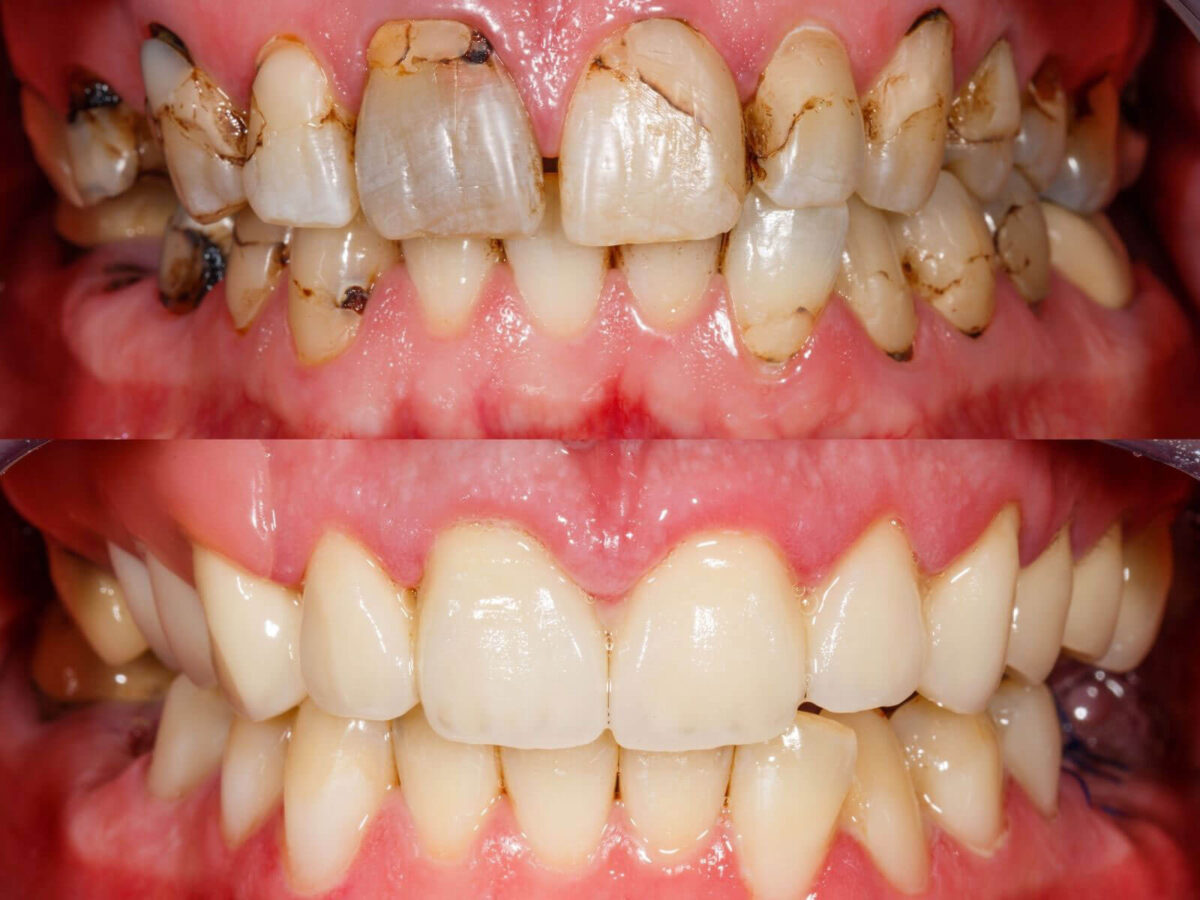
How to Prevent Tooth Decay: Best Practices for Oral Health
Teeth move through the days carrying tiny marks from meals, drinks, and soft changes in the mouth. These marks settle quietly at first, showing nothing sharp or dramatic. Then, over time, they deepen into places where brushing alone cannot reach. It is often in these moments that the question of how to prevent tooth decay begins to form. The thought does not come with panic. It arrives in a calm way, almost like the mouth itself is trying to say that something needs a bit more attention before it grows.
Decay does not begin suddenly. It rises in small layers that build over weeks and months. A faint softness in one area. A slight sensitivity that comes and goes. A small shift occurs when cold or sweet touches the tooth. These early pieces often pass quietly, blending into routine. But they show where decay begins, and they offer clues on how to prevent tooth decay before the tooth weakens more deeply.
How Decay Forms in the Quiet Spaces of the Tooth
Decay often begins in a little place where food just sits. Bacteria stay with it, and the sugars mix in, making acids that slowly weaken the enamel. Enamel changes slowly. It loses minerals piece by piece. That early loss is a sign that tooth decay prevention is needed, even when the tooth looks unchanged.
Inside the enamel, tiny pathways move minerals around. Once decay starts, those pathways lose more than they gain, leaving the enamel open to deeper acid damage. Understanding how to prevent tooth decay means noticing these early shifts, because recovery is still possible if minerals return before the damage settles in.
The Role of Daily Cleaning
Cleaning the teeth each day helps remove the layer that starts decay. This layer forms after every meal and rests against the enamel. Brushing clears it before the acids stay too long. When someone wonders how to prevent tooth decay from getting worse, this daily clearing becomes one of the quietest yet strongest ways to protect the tooth.
Flossing goes where the brush cannot. Food collects there, staying out of sight and slowly weakening the enamel. Clearing those spaces helps smooth the surface and lets minerals return. This steady practice becomes part of how to prevent tooth decay before it grows worse.
How Saliva Helps the Teeth Recover Throughout the Day
Saliva quietly protects the teeth. It brings minerals that help rebuild enamel after acids soften it. When the mouth dries out, those minerals can’t reach weak areas as well. Drinking water throughout the day keeps saliva moving and supports stronger enamel.
This soft rebuilding happens all the time. It happens in the minutes after eating, when the mouth settles. It happens in the afternoon when the jaw relaxes. This natural cycle explains how the mouth gives its own version of how to prevent tooth decay without force. It simply restores what the acids took away, as long as water and moisture remain steady.
Why Sugars Create Deeper Changes in the Tooth
Sugars touch the tooth gently, yet they create strong reactions with the bacteria already in the mouth. These reactions produce acids that sit on the enamel and open the pathways inside it. Even small amounts of sugar can create repeated cycles of softening if eaten often during the day.
This is why spacing sugary foods helps. It gives the mouth time to recover, instead of facing new acids again and again. Spacing meals allows the enamel to gain minerals before the next cycle begins. When asking how to prevent tooth decay, this space becomes one of the simplest changes to support the teeth quietly.
How Fluoride Helps the Teeth
Fluoride works by letting minerals sink farther into the enamel. It reaches tiny openings and builds stronger bonds that stand up to acid. The process isn’t loud. It settles over time, forming a shield that keeps those pathways less open to decay.
This soft support is why fluoride fits into tooth decay prevention. It gives the tooth gentle support, helping the enamel find its strength again after meals and drinks.
Small Habits That Keep the Teeth Steady Through the Day
Simple things throughout the day help the enamel remain strong. Drinking water after meals. Rinsing gently when brushing must wait. When the mouth gets a break between snacks, saliva can clear out the acids more easily.
These small habits support the natural rhythm of the enamel. They steady the mouth in quiet ways that protect it from bigger changes. They are part of the soft path of how to prevent tooth decay because they give the teeth room to regain their strength before the next cycle begins.
Why Some Areas Decay Faster Than Others
Some parts of the mouth carry more texture and small grooves. These grooves catch food more easily and let bacteria stay longer. The enamel in those spots begins to change, not because it’s weak, but because the spaces hold the soft bits that start to decay.
Understanding which areas carry these grooves helps shape how someone approaches how to prevent tooth decay from getting worse. Paying a little more attention to those tiny spaces keeps decay from forming inside them unnoticed.
How Early Sensitivity Offers Quiet Warnings
A soft tingle from cold water. A momentary response to something sweet. These small sensations often reveal the early places where the enamel has thinned. They are not always painful. They simply feel different, almost as if the tooth is trying to whisper that something has changed.
These early sensations give space for tooth decay prevention before the problem reaches deeper layers. They show where the enamel needs minerals or more careful cleaning. They give time to respond before the softness becomes a cavity.
Why Regular Checkups Catch Decay Before It Deepens
Dentists see the small shapes and shadows inside a tooth that do not appear on the surface. A tiny softened area. A small dip. A change in how the enamel reflects light. These things mark spaces where decay has just begun. Treating them early prevents the deeper parts of the tooth from weakening.
This makes checkups an important part of how to prevent tooth decay, because catching these early shifts stops the cycle before it becomes painful or difficult to repair.
Letting the Teeth Stay Strong Through Gentle Care
Teeth stay healthy when small habits stay steady. Cleaning each day. Drinking enough water. Giving the enamel time to rebuild. Listening to the small signals the mouth gives. These gentle practices do more than stop decay. They help the teeth feel comfortable throughout each year that passes.
Understanding how to prevent tooth decay is not about strict rules. It is about noticing the soft signs and shaping routines that keep the enamel balanced. A calm talk with a dental professional can show which parts of your mouth need a bit more care and which habits protect enamel. Small changes today keep the smile steady and comfortable for years.