Blog
Dental hygiene tips for healthy teeth & gums
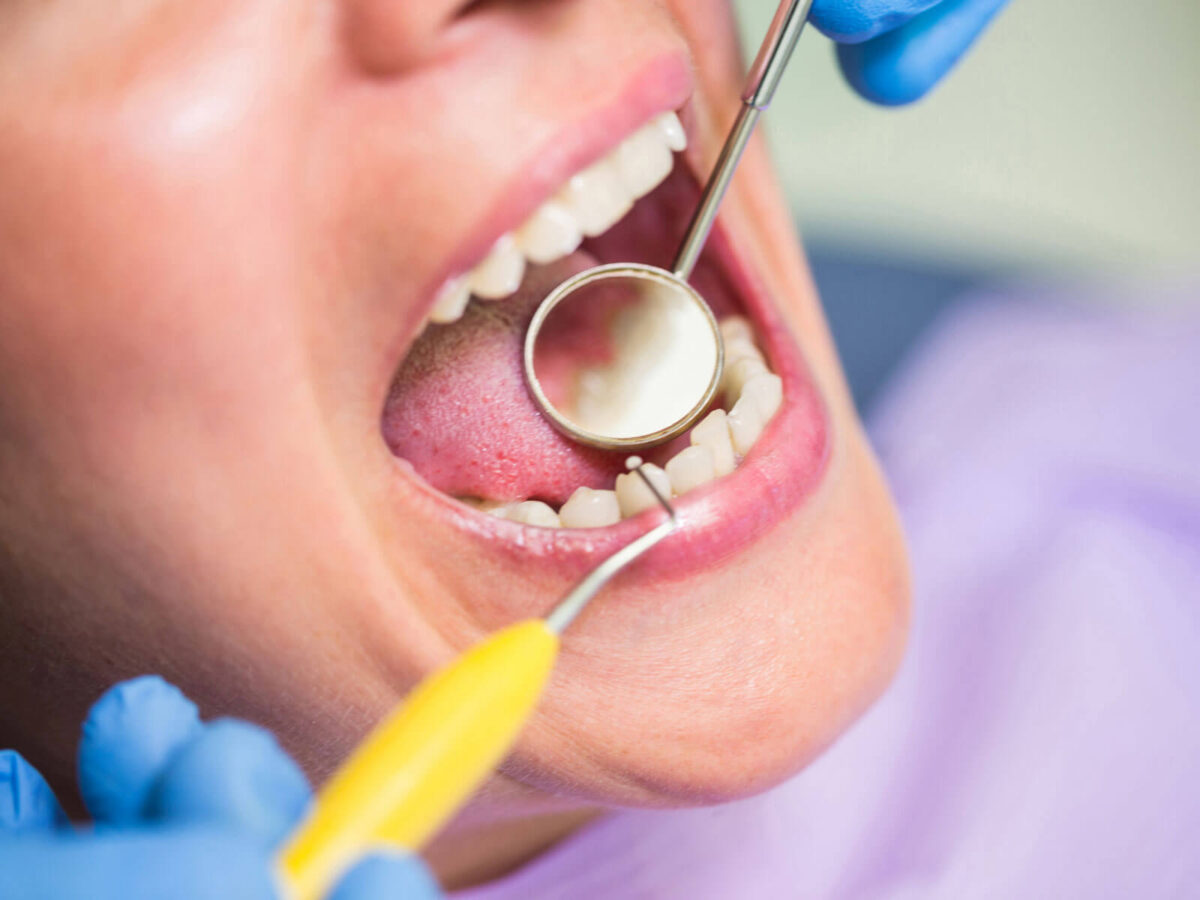
Dental Sealants Pros and Cons: Are They Worth It? Costs and Risks
Most parents hear about sealants for the first time mid-appointment. The dentist mentions it, explains it briefly, and moves on. Sealants. A coating on the back teeth. Prevents cavities. Sure.
Most people leave that appointment knowing roughly what they walked in with. The dental sealants pros and cons conversation got two minutes, the relevant details didn’t make it in, and now there’s a decision to make without much to go on.
Here’s what that conversation should have covered.
What Are Dental Sealants
Back molars are harder to clean than most people realize. The grooves on their chewing surfaces trap food and bacteria in places a toothbrush can’t reliably reach. Sealants go into those grooves.
Cleveland Clinic describes them as thin liquid coatings painted onto the chewing surfaces of the back teeth, then hardened to shield against cavity-causing bacteria. The procedure takes a few minutes per tooth. No drilling, no needles, nothing that makes a child flinch.
I’ve sat through the procedure with my own child. Takes a few minutes. The most stressful part was keeping her still long enough to get through it.
What Does the Evidence Say
A lot of dental recommendations get made without great data behind them. Sealants aren’t one of those. The CDC has looked at this, and the numbers are specific: up to 80% cavity prevention in the back teeth for the first two years, dropping to around 50% through year four. The cavity gap between kids who have sealants and kids who don’t is nearly threefold.
It’s a big number. The back molars are where decay tends to happen in children. Deep grooves, heavy use, and kids brush over them rather than through them. Sealants go exactly where the problem is.
The window matters too. First permanent molars come in around age six, the second set around twelve. Getting sealants applied while those grooves are still clean is when they do the most good. Once decay has started in a groove, that option is gone.
What Are the Pros of Dental Sealants
The biggest thing sealants have going for them is that they don’t require anything from the child. The coating does its job whether the brushing that night was thorough or not. Most kids that age aren’t brushing their back molars well, and the sealant doesn’t care.
The procedure itself is one of the easier things that happens in a dental office. No needles, no drilling, nothing that makes a child brace themselves. Cleaned tooth, conditioning gel, sealant painted on, and light to harden it. Most kids barely react.
The CDC puts the ideal timing at right after the permanent molars come in. Around six for the first set, around twelve for the second. The grooves are clean at that point, and the sealant bonds well. Waiting increases the chance that decay has already started somewhere in the groove, which closes off that option.
What Are the Cons
The pros and cons of dental sealants aren’t one-sided. There are real limitations worth understanding before deciding.
Sealants wear down. They need to be checked at every routine visit and reapplied when they chip or thin out. Most hold up for five to ten years, though that depends on the material and the child’s diet. A partially chipped sealant is worth fixing quickly because the gap it creates can actually trap bacteria rather than keeping them out.
The chewing surface is all a sealant covers. Everything else, the sides, the spaces between teeth, is still exposed. I’ve seen parents assume sealants meant their child was covered and ease up on flossing. The cavities that followed just showed up in different places.
And then there’s the BPA question, which tends to be what parents remember from the research.
What About BPA
Most traditional sealants contain bisphenol A or compounds that convert to it. BPA has been linked to hormonal disruption in animal studies, which is enough to make a lot of parents pause when they hear it in the same sentence as their child’s teeth.
The ADA’s position is that the amount of BPA in a dental sealant isn’t enough to cause harm. Exposure peaks at application and returns to baseline within 24 hours. No detectable levels reach the bloodstream in the quantities involved.
I’ve spoken to parents who remain unconvinced by that, and I get it. The instinct to avoid BPA around a developing child doesn’t go away because the ADA says the dose is small. BPA-free sealants are available. Worth asking at the appointment whether that’s an option before assuming the answer is no.
What Do Dental Sealants Cost
Per tooth, Healthline reports the cost runs $30 to $60. Four to six teeth are typical for most kids. Do the math, and you’re looking at somewhere in the $120 to $360 range without insurance.
Insurance is worth checking before the appointment. A lot of plans cover sealants for children up to a certain age, usually around fourteen or sixteen, but it varies enough that assuming coverage is a mistake.
Sealants versus fillings is the comparison that matters most here. A filling costs more, takes longer, involves drilling, and fixes damage that has already happened. The CDC calculated that sealant programs become cost-saving after two years and save more than $11 for every tooth sealed over four years in high-risk children.
Are Dental Sealants Worth It for Kids
Most six-year-olds aren’t brushing their back molars properly. I haven’t met many who are. Dental sealants for kids’ pros and cons land differently when you factor in what childhood eating and brushing habits actually look like in practice.
The timing is what I’d emphasize most. Right after the permanent molars come in is when the grooves are clean and the sealant bonds properly. A cavity that’s already started in a groove means the sealant can’t go there. The window closes faster than most parents realize.
For a child with genuinely good hygiene and no cavity history, the case is softer. Still worth asking the dentist about, but less urgent than it is for a child who comes in with new decay at every visit.
FAQ
My child is six. Is that too young for sealants?
It’s actually the right time. The first permanent molars come in around age six, and that’s exactly when sealants are most effective. Clean grooves, fresh tooth, best chance of the sealant doing its job.
Will my kid freak out during the procedure?
Mine didn’t. No needles, no drill, nothing that makes a child brace. Most kids walk out wondering why they were nervous in the first place.
The sealant came off. Now what?
Say something at the next visit. A chipped sealant isn’t just less protective. The gap it leaves can actually trap bacteria. Worth catching early.
I read that sealants have BPA in them. Is that true?
Most traditional ones do, yes. The ADA’s position is that the amount is too small to cause harm and clears the system within 24 hours. If that’s not enough, BPA-free sealants exist. Some practices use them already. Others will if you ask.
Conclusion
Most kids should get them. The dental sealants pros and cons conversation usually ends there once you factor in how hard those back molars actually are to keep clean at that age.
The BPA question is worth raising at the appointment. BPA-free options exist, and some practices use them already. It’s a reasonable thing to ask about rather than something to let stop the decision entirely.
If the dentist is recommending sealants and the grooves are still clean, that’s the window. I’ve seen parents wait to think it over and come back six months later to find a cavity already forming in exactly the groove the sealant would have covered. Book the appointment before that window closes.