Blog
Dental hygiene tips for healthy teeth & gums
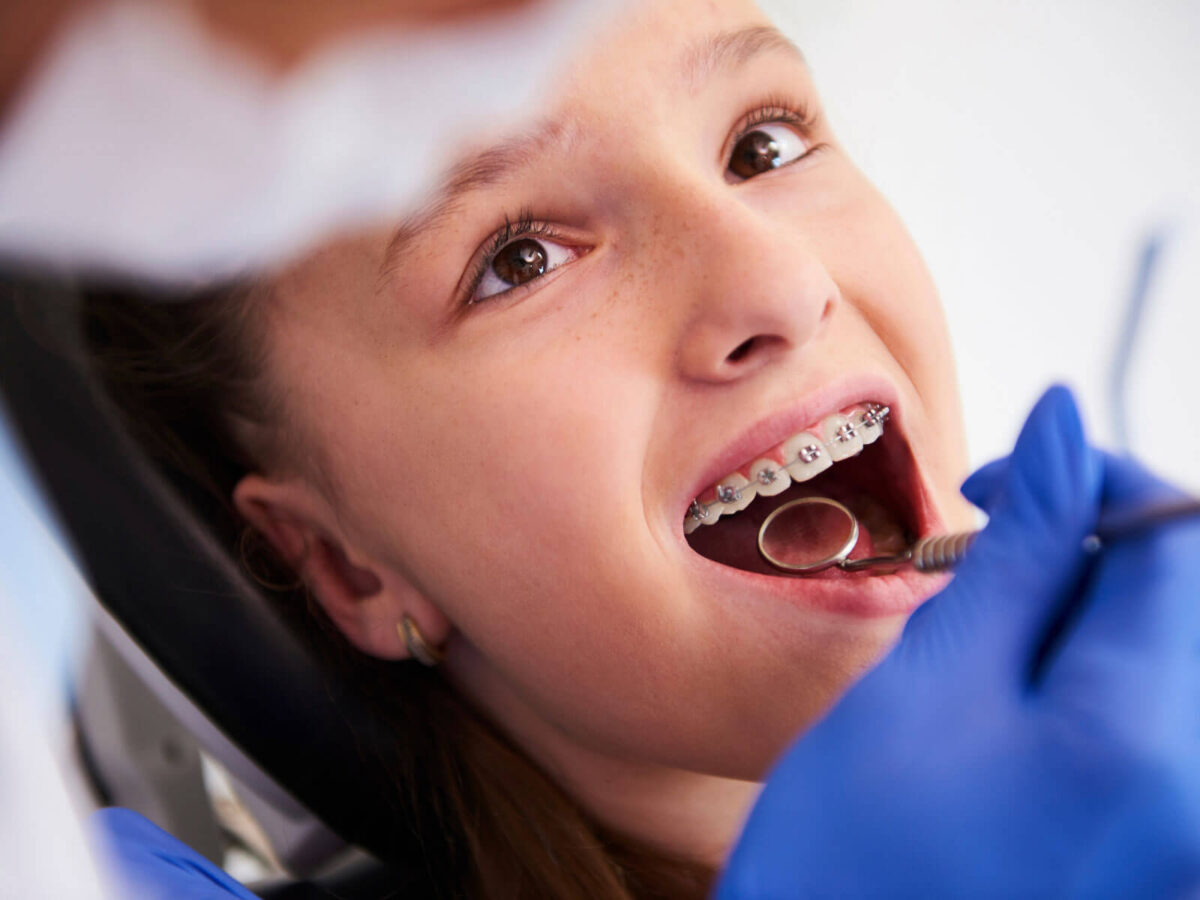
Braces for Teens Tips: How to Make the First Year Easier
Nobody gave me a real rundown of braces for teens tips before my first appointment at twelve. The first week was rough: a steady dull ache and nothing comfortable to eat, and I spent the next five years working things out as I went.
Most of the difficulty is front-loaded. The first few weeks feel nothing like the rest of treatment, and once you’re past them, braces mostly just become part of the background.
What I know now, I didn’t know then. That’s what this is for.
TL;DR
- The first week with braces is the hardest part. Pain peaks around day two or three after placement and after each adjustment.
- Eating becomes a logistics problem that gets easier once soft food habits are established.
- Braces care for teenagers comes down to consistency – cleaning well around brackets, skipping the foods that break things, and making every adjustment appointment.
- The first year has the steepest learning curve.
- After that, most of it becomes routine.
What Does the First Week Actually Feel Like
The first few days are the worst braces will ever feel. That part nobody told me.
The brackets go on without much discomfort. The soreness kicks in a few hours later once the wire starts putting pressure on the teeth. By day two, most teeth are sore enough that biting into anything registers as pain. Day three is usually the peak, and from there it gradually improves. By the end of the first week, most of the acute soreness has settled.
The inside of the cheeks and lips are also adjusting that first week. The soft tissue hasn’t toughened yet, and brackets sitting against the cheek create small sores. Orthodontic wax pressed over a sharp bracket fixes it in about thirty seconds. I kept mine in my pocket and used it constantly those first two weeks.
The first week I lived on soup and smoothies, not by choice but by necessity. Anything that required actual chewing was off the table. It does get better, and by the end of the first month eating is mostly normal again, with a short list of things to avoid permanently.
That first week I figured out pretty quickly that ibuprofen an hour before meals was the difference between getting through dinner and not. It didn’t touch the soreness completely, but it made eating feel less like something to get through.
What Does Each Adjustment Appointment Do to Your Teeth
The first week is the worst, but a smaller version of it repeats after every adjustment.
Adjustments happen every four to eight weeks. The orthodontist changes or tightens the wire, and the pressure on the teeth reactivates. The day of the appointment and the day or two after produce soreness similar to the first week, but considerably milder once I knew what was coming.
Knowing it’s coming is most of it. The first time it happened without warning, it felt like something had gone wrong. By the third adjustment, I was just taking ibuprofen before dinner and getting on with it.
Scheduling adjustments toward the end of the school week is worth asking about if there’s any flexibility. The worst of the post-adjustment soreness landing on a weekend rather than a school day makes a difference.
What Foods Should Teens Avoid With Braces
The food rules come down to one thing: brackets are bonded to the teeth, not bolted. Hard things break them off. Sticky things pull them off. Chewy things stress the bond until something gives.
A broken bracket means an unscheduled repair appointment and potentially adds time to treatment if the tooth wasn’t moving the way it should have been. I broke two brackets in my first year, both from things I knew I wasn’t supposed to eat.
The list to avoid: hard raw vegetables and fruit unless cut small, crusty bread, hard candy, ice, popcorn, sticky candy, and gum. It sounds restrictive. Within a few weeks, most of it becomes automatic.
One of the more useful braces for teens tips I picked up late was cutting food differently rather than eliminating it. An apple I couldn’t bite into, I could eat sliced. Most of the list can be worked around with a knife and thirty extra seconds of prep.
How Should Teens Clean Their Teeth With Braces
This is the part that matters most for the long-term outcome and the part I paid the least attention to at twelve.
Plaque builds up around brackets and under wires in a way it doesn’t on natural teeth. A brushing routine that worked fine before braces doesn’t reach everything after them.
The consequence isn’t just cavities. It’s white spot lesions, decalcification marks that form around brackets during treatment and stay permanently after the brackets come off. I’ve seen what that looks like. Straight teeth with white marks on every one is not what two years of treatment is for.
Brushing after every meal, not just morning and night. An interdental brush around each bracket. Fluoride rinse at night. It adds about four minutes to a routine. Skipping it shows up on the enamel for the rest of someone’s life.
How Do You Actually Get Through a Long Treatment
My treatment took five years, which is longer than most. The typical range for teen orthodontic treatment is eighteen months to two years. But whether it’s eighteen months or five years, the pattern is the same: long stretches where it becomes background noise, broken up by a day or two of soreness after each adjustment.
The mental adjustment happens faster than most teens expect. By month three, the brackets stop registering. Eating around the restrictions becomes automatic. The cleaning routine stops feeling like extra work.
What makes the long stretch harder than it needs to be is fixating on how much time is left. I spent more time doing that than was useful. Looking back at how far the teeth had moved was a better way to spend that energy.
The American Association of Orthodontists notes that compliance is the single most controllable variable in how long treatment takes. Keeping appointments, wearing elastics as prescribed, not breaking brackets. Timelines extend when those things slip, and none of it is inevitable.
The First Week Is the Hardest Part
Everything after it gets easier. We’ll walk you through what to expect from day one.
FAQ
What helps with braces pain in the first week?
Ibuprofen an hour before meals was the thing that got me through it. Beyond that, cold water, anything soft to eat, and orthodontic wax over whatever bracket was rubbing. Days two and three are the worst of it, and then it starts to ease up.
What broke my brackets and what will break yours?
Anything hard enough to snap a bracket, anything sticky enough to pull one off, and popcorn. Most of the list gets manageable once you start cutting things into smaller pieces instead of trying to eliminate them entirely.
How do teens keep teeth clean with braces?
Brush after every meal, not just twice a day. Get an interdental brush for around the brackets and a fluoride rinse for before bed. The part I wish someone had warned me about is white spot lesions. They form during treatment, and they don’t go away when the braces come off.
How long does treatment actually run for most teens?
Eighteen months to two years for most people. Mine took longer, and a lot of that came down to broken brackets and missed appointments. Both are avoidable.
Conclusion
The first week is the part nobody prepares teens for well. It’s painful, eating is difficult, and the mouth is adjusting to something foreign. That part passes, and by the end of the first month you’ve mostly stopped noticing.
The braces for teens tips that made the biggest difference for me were the ones nobody mentioned before that first appointment: soft foods ready at home, ibuprofen before meals, orthodontic wax in every bag. After that, it comes down to the habits that determine the long-term outcome – cleaning consistently, keeping appointments, not breaking brackets.
Five years felt like a long time at twelve. Looking back, the treatment timeline wasn’t what made it hard. The first few weeks were. Everything after that was mostly just waiting.
If you’re in Crosby and starting out, the hardest part is closer to the beginning than most people tell you. Once you’re through it, the rest becomes routine faster than it feels like it will right now.
The First Week Is the Hardest Part
Everything after it gets easier. We’ll walk you through what to expect from day one.