Blog
Dental hygiene tips for healthy teeth & gums
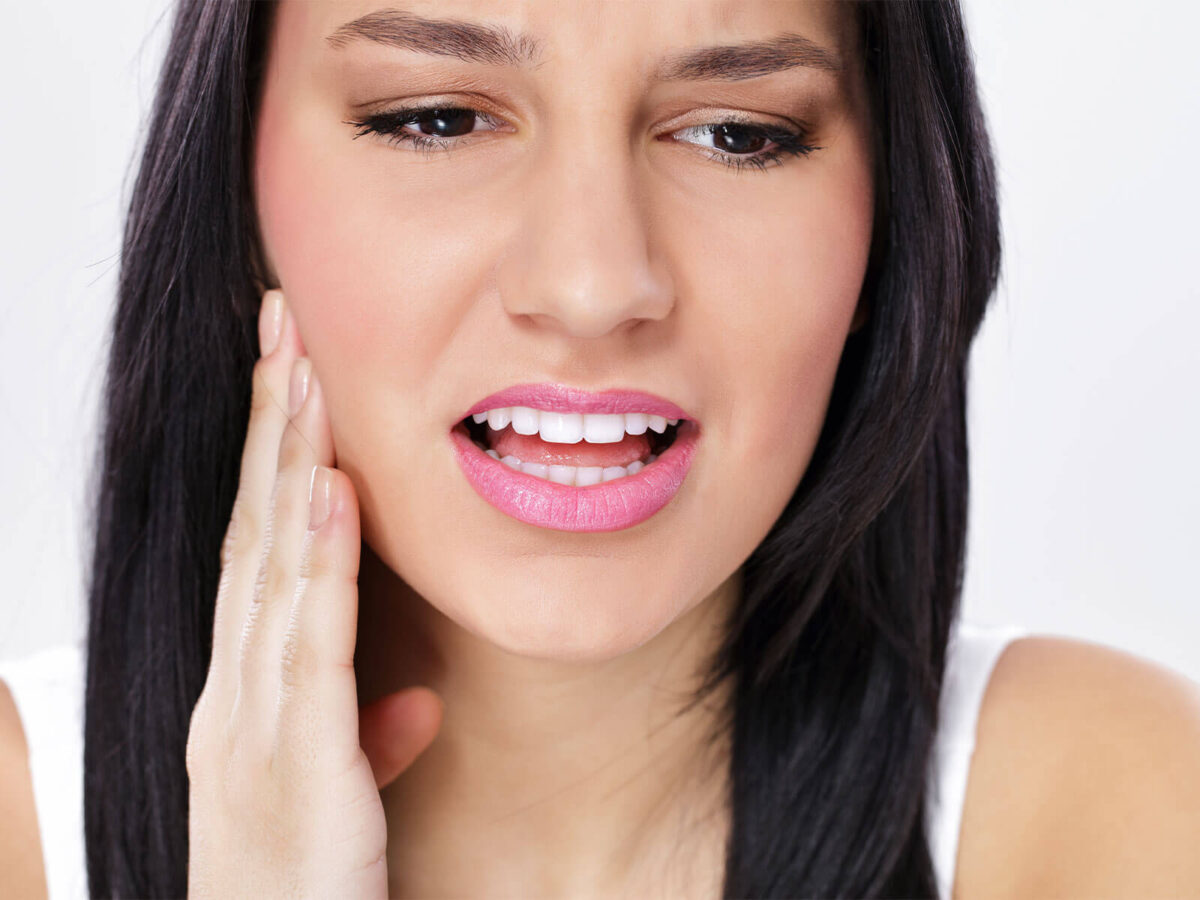
7 Signs Your Teeth Are Falling Out
Teeth almost never just fall out overnight. That idea feels extreme and can make everything sound scarier than it usually is. What really happens tends to be gradual and quiet. Small changes show up over time. Things feel a little different, but not serious right away. It is easy to ignore. Many people end up thinking it will sort itself out. Life stays busy. Dental visits get delayed. Months turn into years before the problem finally demands attention.
That is why understanding the signs that your teeth are falling out matters. Not because it means disaster is around the corner, but because teeth almost always give warnings first. The trouble is that those warnings are easy to ignore when nothing hurts badly yet.
Sign One: Teeth That Feel Loose Or Unstable
Teeth are supposed to feel steady most of the time. You do not usually think about them moving, shifting, or reacting when you bite down. So when one starts to feel even slightly different, it tends to stand out. That faint looseness is usually one of the clearer signs that your teeth are falling out.
What makes it tricky is that this does not happen all at once. Things usually change slowly. There is often no pain, no sharp warning. People notice it while chewing certain foods or brushing, or when the tongue keeps drifting back to the same spot because something feels off.
Teeth do not loosen randomly. For movement to happen, some support has to weaken over time. That kind of change usually does not fix itself without attention, even if it stays quiet for a while.
Sign Two: Gums Pulling Away From Teeth
Gum recession usually happens slowly. There is no clear moment when it starts. Teeth can look longer over time as the gum line changes little by little. Many people only notice after comparing how things looked years ago.
This is one of the signs that your teeth are going to fall out when gum disease is involved. When gums pull back, areas of the tooth that weren’t visible before can show. That change may affect how stable the tooth feels later.
Sign Three: Bleeding Gums That Do Not Go Away
Bleeding gums often get dismissed without much thought. It is blamed on brushing too hard, a new toothbrush, or flossing for the first time in a while. A little bleeding does not seem like a big deal.
It is the pattern that matters here. If gums bleed again and again over a longer stretch of time, it is often a sign that something is off. This inflammation damages the bone supporting teeth over time.
This process sits quietly behind many signs that your teeth are falling out. There may be no pain at first. No swelling. Just blood in the sink that becomes easy to ignore. Bleeding that does not improve should always be taken seriously.
Sign Four: Pain Or Pressure When Chewing
Chewing should not hurt. So when it does, people usually notice. It might feel like pressure or a sharp spot when you bite down, but not every time. It happens with some foods and not with others.
When the pain comes and goes like that, it is easy to let it slide. People tell themselves it is temporary or just one of those things. That inconsistency is why it can be one of the easier signs that your teeth are falling out to ignore. When the tooth feels fine at rest, it does not seem urgent. Things keep getting put off.
Sign Five: Changes In Bite Or Tooth Position
Teeth fit together in a specific way. When that fit changes, the mouth notices. Chewing feels uneven. Teeth hit differently. Gaps appear where there were none before.
These shifts are not random. Teeth move when support weakens. They tilt. They drift. They spread apart.
Changes like these are serious signs that your teeth are going to fall out if ignored. Movement is more of a sign than the actual reason. Something underneath is allowing that movement to happen.
Sign Six: Persistent Bad Breath Or Bad Taste
Bad breath usually gets handled at the surface. A mint. Mouthwash. Extra brushing. It feels like something simple, not something deeper.
When it keeps coming back despite all that, it starts to feel less clear. Nothing obvious explains it, but it does not go away either. That is when it can quietly slip into the signs your teeth are falling out group. It feels awkward enough that people tend to ignore it.
Sign Seven: Swollen Or Tender Gums
Tender gums do not always raise concern. They can feel a bit sore for a while and then seem to pass on their own. Other times, it comes back again without much warning. There is usually no sharp pain, which makes it easier to shrug off.
The problem is how often it can repeat quietly. That kind of ongoing inflammation can affect support over time, even when it never feels severe. This is why it can be one of the signs your teeth are falling out that slips by unnoticed.
Why These Signs Are So Easy To Ignore
None of these signs usually feels urgent. There is no dramatic moment. No sudden collapse. Life continues. Teeth lose support slowly. Bone erodes quietly. Gums change gradually. By the time a tooth feels very loose, damage has often been building for years.
Recognising the signs that your teeth are falling out early gives you choices. Waiting removes them.
What Causes Teeth To Lose Support
Gum disease shows up in a lot of these situations. It usually starts quietly, with things lingering longer than they should. Over time, that ongoing irritation can affect the support around the teeth.
Other habits can make things harder. Grinding adds constant pressure. Smoking can slow healing. When cavities aren’t treated, they can weaken areas already under strain. Genetics matters, yet everyday care and timing usually affect how problems move forward.
What Does Not Automatically Mean Tooth Loss
Sensitivity alone does not mean a tooth is failing. Occasional soreness does not spell disaster. One rough day does not define a trend.
Patterns and repetition matter. Ongoing changes are what point toward the signs your teeth are going to fall out, not brief moments.
Why Waiting Makes Everything Harder
Early gum disease can often be managed. Mild looseness can sometimes be stabilised. Advanced bone loss is far harder to treat. Waiting rarely makes things simpler. It usually makes treatment more complex, more invasive, and more expensive.
Can Teeth Still Be Saved
In many situations, yes, especially when things are noticed earlier rather than later. Teeth that feel a little loose can sometimes be steadied, and gum problems do not always move fast if they are addressed along the way.
Once a tooth is gone, the situation changes. The focus shifts, and the options are different. Handling things sooner usually feels simpler than dealing with replacements later on.
Conclusion
Teeth usually do not fall out of nowhere. Changes tend to show up slowly, long before anything obvious happens. The hard part is that those changes are easy to overlook, especially when there is no real pain pushing for attention.
Noticing the signs your teeth are falling out earlier leaves more room to respond while things are still manageable, instead of finding out much later when options feel different.
When signs that your teeth are falling out start to show up, timing often matters more than people realise. Looking into things earlier usually leaves more room to understand what is happening and what can be slowed down before bigger changes settle in.